Under the Radar: Storytelling Conventions You Might Have Missed

Featured

Have you ever been reading a book and thought ‘Oh, that’s a MacGuffin right there’?
No, me neither. But once you’ve read this, I promise you will!

When you’re watching a great actor on screen you can’t see them working. They seamlessly transform into the character they’re portraying, allowing us to suspend our disbelief. They become their character. Cillian Murphy does this perfectly for me. When I watch him, I can relax. I trust that he’ll deliver an immersive and believable performance.

Similarly, a well-crafted story doesn’t reveal it’s structure. We don’t need to know the plot beats or feel the shift from one to the next. We should be so immersed in the narrative that we’re carried along effortlessly on a wave of suspense and intrigue with the author as our unseen, skilful navigator. Tolkien is a master of this.

But what are the storytelling tropes that form part of an engaging and compelling narrative structure?

Here are some of the secret ingredients in a good story you may not be aware of.

Red Herrings: The Art of Misdirection
The term “Red Herring” has its roots in the world of hunting, particularly fox hunting. In the 1800s, hunters used the strong-smelling, smoked and salted herring fish to train hounds. These fish had a pungent scent that could lead the hounds astray, away from the real target (the fox). Hence, the “Red Herring” became synonymous with a diversion or distraction that misled or confused.

In storytelling, a “Red Herring” is a clever narrative device. It’s a misleading clue, character, or plot element intentionally planted by authors to throw readers or viewers off the scent of the real mystery or plot twist. It’s like a literary sleight of hand, guiding your attention in one direction while the real action unfolds elsewhere.

Red Herrings serve multiple purposes. They build suspense, add complexity, and keep us guessing. They make us question our assumptions and encourage us to engage with the story actively – they’re the art of misdirection.

MacGuffins: The Catalysts of Adventure
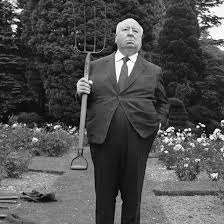
Coined by Alfred Hitchcock, a MacGuffin is a plot device—often an object or goal—that drives the characters and the narrative forward. Its intrinsic value is less important than its role in propelling the story. MacGuffins create a sense of urgency, setting characters in motion and providing a focal point for the audience, even if the ultimate significance may remain ambiguous.

A MacGuffin is a storytelling device commonly used in literature, film, and other forms of narrative media. It’s an object, goal, or concept that serves as a plot device, motivates the characters, and drives the story forward. However, the MacGuffin itself often has little or no intrinsic significance or importance.

The term “MacGuffin” was popularised by filmmaker Alfred Hitchcock. He explained it as an element in a story that the audience doesn’t need to fully understand but serves to set the plot in motion or create suspense. Essentially, it’s a narrative tool that keeps the story moving and characters engaged but isn’t the central focus of the plot.

Classic examples of MacGuffins include the Maltese Falcon in Dashiell Hammett’s novel “The Maltese Falcon” and the briefcase in Quentin Tarantino’s film “Pulp Fiction.” In both cases, the objects drive the characters’ actions and decisions, but their true nature or significance remains secondary to the broader narrative.

And the origin of the word? The name MacGuffin was coined by British screenwriter Angus MacPhail, probably using “‘guff’, meaning anything trivial or worthless as the root of the word.
Coined by Alfred Hitchcock, a MacGuffin is a plot device—often an object or goal—that drives the characters and the narrative forward. Its intrinsic value is less important than its role in propelling the story. Think of the Ark in “Raiders of the Lost Ark” or the briefcase in “Pulp Fiction.”

Deus ex Machina: Divine Interventions
Translated as “god from the machine,” this trope involves a sudden, unexpected resolution to a seemingly insurmountable problem. In ancient Greek theatre, a god would literally descend onto the stage, untangling complex plots. Today, it refers to any improbable or contrived resolution that saves characters from a dire situation. While it should be used judiciously to avoid undermining the narrative, a well-executed ‘deus ex machina’ can add an element of surprise and wonder.

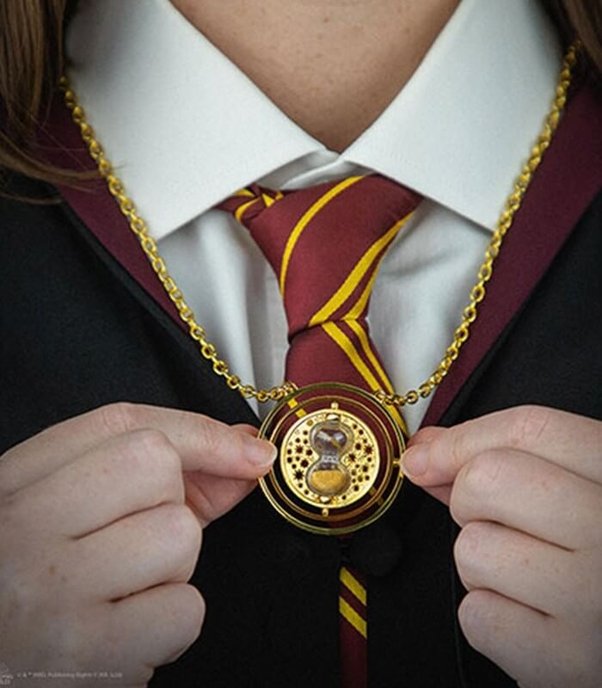
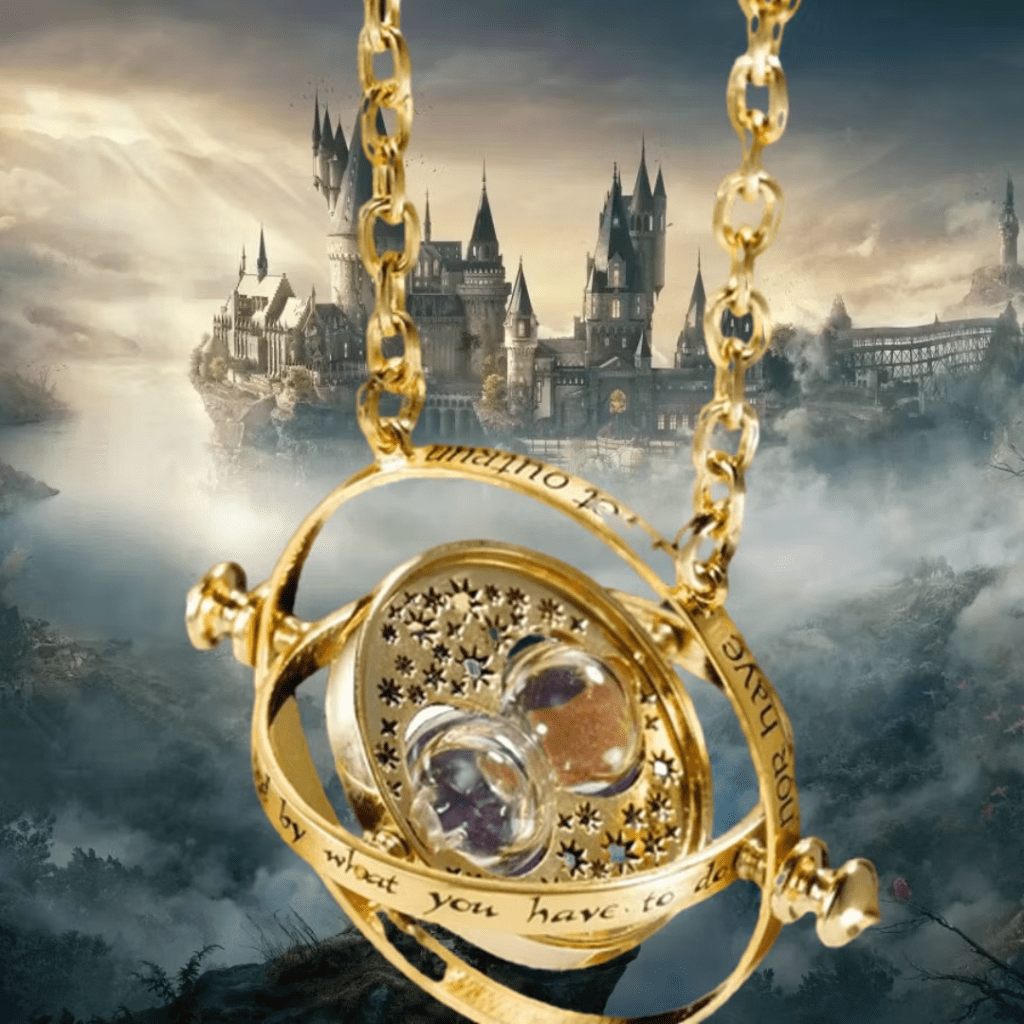
The use of the Time-Turner in “Harry Potter and the Prisoner of Azkaban” is a Deus ex Machina. Harry and Hermione use the Time-Turner to go back in time, ensuring that they can intervene in events they previously witnessed, leading to a more favourable outcome.
Chekhov’s Gun: Everything Has a Purpose
Ever heard of “Chekhov’s Armory”? It’s an interesting variation of the renowned literary principle, “Chekhov’s Gun.” But what’s it all about?

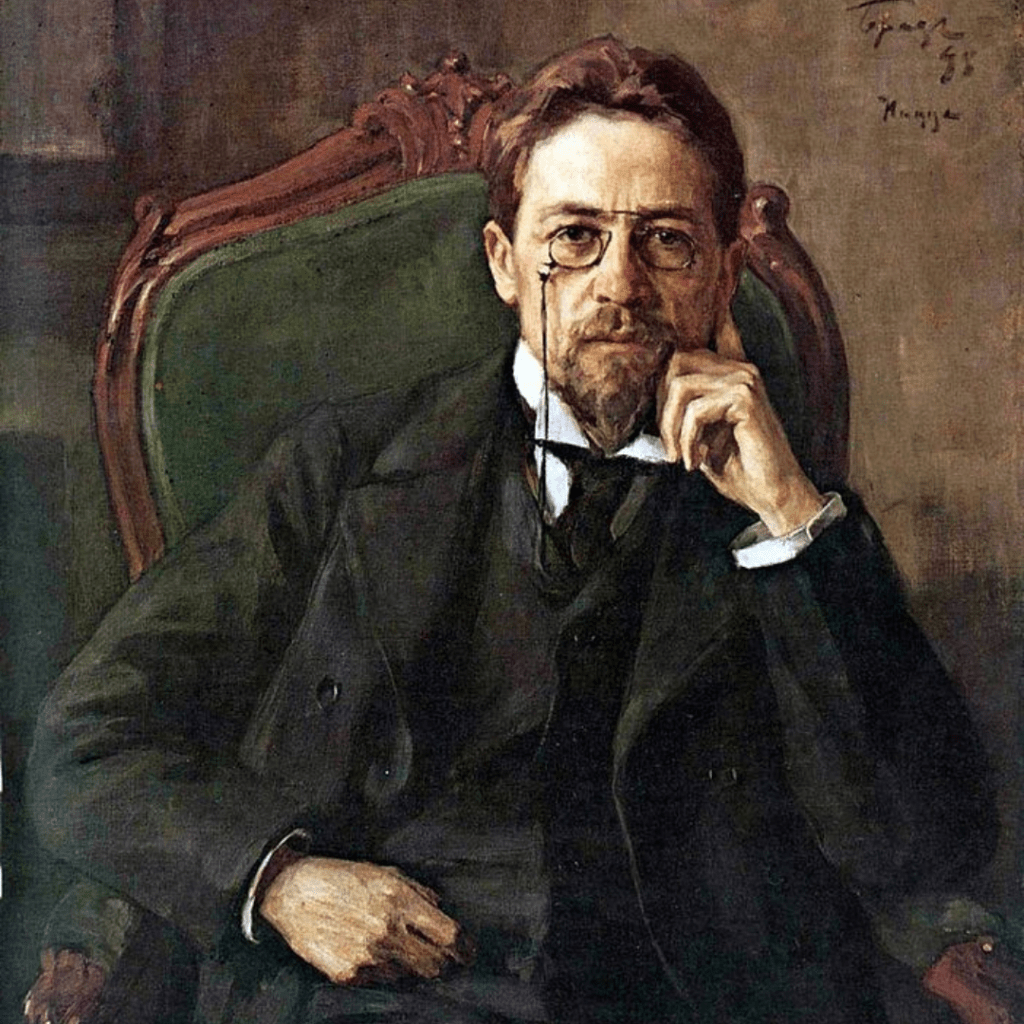
This term pays homage to the legendary Russian playwright Anton Chekhov, a master of storytelling and drama. Chekhov famously stated, “If in the first act you have hung a pistol on the wall, then in the following one it should be fired.” His principle emphasised the importance of narrative economy.

“Chekhov’s Armory” takes this idea one step further. It suggests that if an author introduces multiple elements, objects, or characters into a story, each should serve a purpose, however subtle. In essence, nothing should be extraneous; everything contributes to the rich tapestry of the narrative.

Imagine a story where every detail, no matter how seemingly insignificant, weaves seamlessly into the plot’s fabric. Each element, even those in the background, plays a role, adding depth, foreshadowing, or thematic resonance.

Chekhov’s Armory enhances the reader’s or viewer’s immersion. It encourages them to connect the dots, anticipate developments, and actively engage with the narrative. It’s like a puzzle waiting to be solved!

In the world of storytelling, Chekhov’s Armory reminds us that every word, every image, every detail serves a purpose, and together, they create a literary symphony.

Originating from Anton Chekhov’s advice that if a gun is introduced in the first act, it must be fired in the third, this trope emphasises the importance of narrative economy. Every element in a story should serve a purpose. If an object or detail is highlighted, it should have relevance to the plot later on. This principle guides writers to create tight, cohesive narratives where no element feels extraneous.

Again, JK Rowling is known for her meticulous planning and use of Chekhov’s Gun. Items such as the Marauder’s Map, the Time-Turner, and seemingly insignificant details like the locket from “Order of the Phoenix” all play pivotal roles in the overall story.

Christopher Nolan’s “Inception” with its intricate plotting, is another example. Objects and concepts, such as the spinning top and the concept of a totem, are introduced early in the film and become central to the resolution of the story.
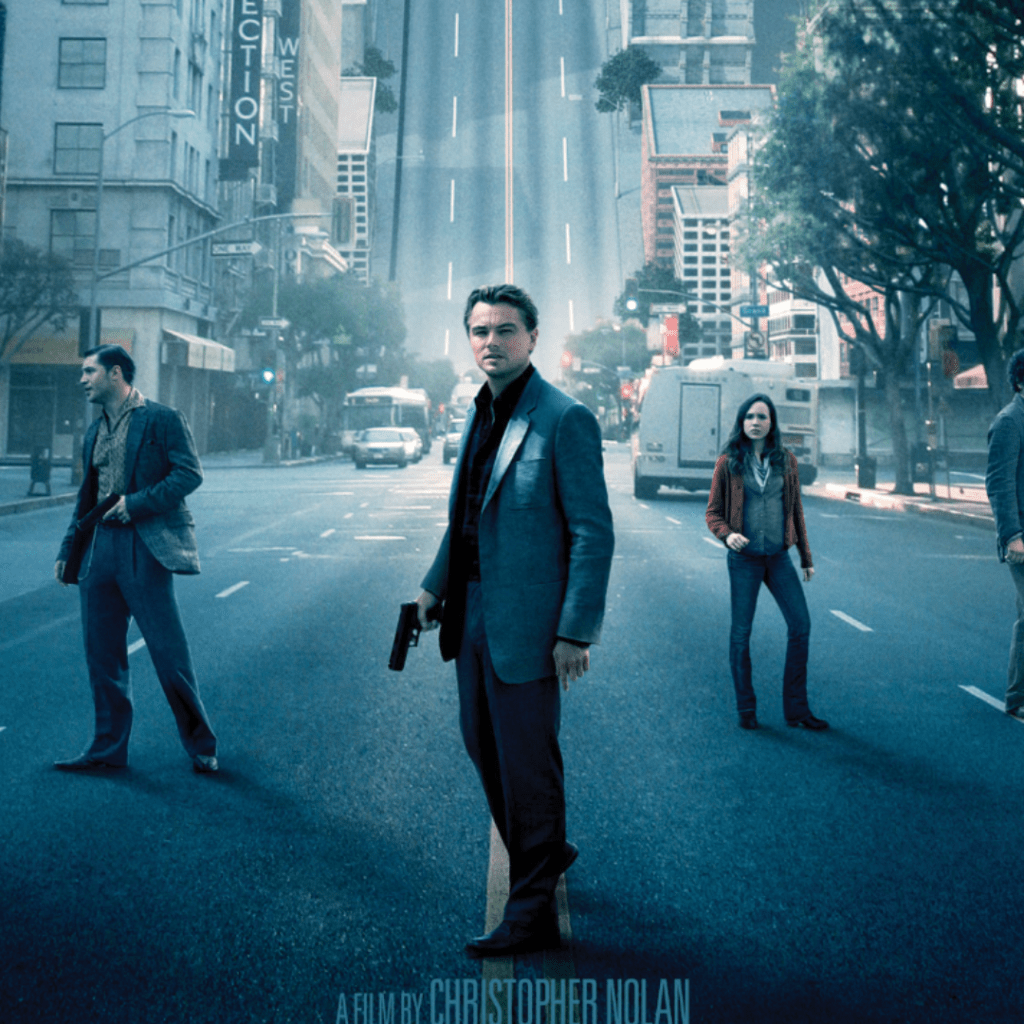
Nolan’s films are known for their intricate plotting, and “Inception” is no exception. Objects and concepts, such as the spinning top and the concept of a totem, are introduced early in the film and become central to the resolution of the story.
JK Rowling is known for her meticulous planning and use of Chekhov’s Gun. Items such as the Marauder’s Map, the Time-Turner, and seemingly insignificant details like the locket from “Order of the Phoenix” all play pivotal roles in the overall story.
The principle itself is named after Chekhov, and one of his plays, “The Seagull,” is often cited as an early example. In the first act, a gun is introduced, and later in the play, it is used for a suicide. This serves as a classic illustration of the principle.

The Hero’s Journey: An Archetypal Odyssey
Popularised by Joseph Campbell, the Hero’s Journey is an archetypal narrative structure found in myths and stories across cultures. It involves a hero leaving their ordinary world, facing challenges, undergoing transformation, and returning home changed.

The hero’s journey often involves the protagonist’s personal growth and transformation. Audiences are drawn to stories where characters overcome their flaws, face adversity, and emerge stronger or wiser. This journey mirrors the human experience of facing challenges and evolving through life’s trials.

Even in fantastical settings or extraordinary circumstances, the emotional and psychological struggles of the hero are relatable. The hero’s journey reflects the trials and tribulations of real-life individuals, allowing us to see ourselves in the protagonist and find inspiration in their ability to overcome obstacles.

From Frodo Baggins in “The Lord of the Rings” to Harry Potter, this trope resonates deeply with readers, providing a universal template for personal growth and adventure.

Frodo Baggins embarks on a perilous journey to destroy the One Ring and save Middle-earth. Along the way, he faces challenges, undergoes personal growth, and confronts powerful adversaries, embodying the hero’s journey archetype.
Bruce Wayne’s transformation into Batman in Christopher Nolan’s film follows the hero’s journey. He experiences a traumatic event, seeks guidance from mentors, undergoes training, and ultimately confronts crime and corruption in Gotham City.
Simba’s journey from a young cub to the king of the Pride Lands mirrors the hero’s journey. He faces loss, self-discovery, and ultimately confronts his own demons to reclaim his rightful place as king.

If you’re interested in storytelling, it’s useful to understand how employing these storytelling tropes can elevate a narrative, creating a richer, more immersive experience for the audience. But while tropes provide a foundation, it’s the unique blend and execution that distinguishes one story from another.

Look out for these techniques, and if you’re a writer, consider how you can use these tools in your creative arsenal to breathe life into your characters and plots.


Thanks for taking the time to read this post. If you found it informative and entertaining, please consider sharing it with your friends and followers on social media. And if you have any feedback or suggestions for future topics, I’d love to hear from you in the comments below. Don’t forget to subscribe for more content and updates, or pop over to my newsletter page for more crime stuff, direct to your inbox every month.

See you soon.

Wendy

Dive into the World of Crime Fiction with The “Crime Fiction Addiction” Newsletter

Welcome to the latest issue of “Crime Fiction Addiction,” a monthly exploration into the intricate world of crime, mystery, and suspense.

In this month’s issue:

Unsolved Mysteries – True Crime Stories: First up, the unexplained disappearance of Joan Risch who vanished from her home in Lincoln, Massachusetts, leaving behind a trail of perplexing clues and unanswered questions. What do you think happened to Joan?

From Femme Fatales to Sleuths: Tracing the History of Women in Crime Fiction: A journey through the evolution of women in crime fiction. Explore the riveting transformation of female characters, from the classic seductive femme fatales to the resilient and indomitable sleuths who have left an indelible mark on the genre.

Writing: The Art of Crafting Engaging Story Arcs: For aspiring crime writers and those fascinated by the craft, we dive into the art of crafting captivating and suspenseful story arcs. Uncover the secret ingredients that keep readers engrossed from the very first page to the final, spine-tingling twist.

Catch up on previous issues here:

Why do we love crime fiction?

As a society, we are fascinated by crime and the darker aspects of human nature. Crime fiction allows us to explore these themes in a safe and controlled way, satisfying our curiosity and offering an escape from our everyday lives.

Here are some reasons why we love crime fiction:

Thrills and suspense: Crime fiction is known for its fast-paced action and suspenseful plot twists that keep readers on the edge of their seats. It provides a thrilling ride that elicits strong emotions and adrenaline rushes.

Solving the mystery: There’s something deeply satisfying about solving a complex puzzle, and crime fiction often provides readers with a compelling mystery to solve. We enjoy piecing together clues and trying to figure out whodunit before the protagonist does.

Exploring the darker side of human nature: Crime fiction allows us to explore the darkest aspects of human nature, including violence, greed, and obsession. It can be a cathartic experience to confront these themes in a safe and controlled way, and to understand the motivations behind criminal behaviour.

Escapism: Reading crime fiction can be a form of escapism, allowing us to temporarily forget about our own problems and immerse ourselves in a thrilling story. It can be a way to relax and unwind, while still engaging our minds and satisfying our curiosity.

Social commentary: Crime fiction can also offer social commentary on issues such as justice, morality, and the legal system. By exploring these themes through the lens of a crime story, authors can shed light on important issues and provoke thought and discussion.

We love crime fiction for its thrills, mystery, exploration of the darker side of human nature, escapism, and social commentary. It’s a genre that captures our imaginations and keeps us coming back for more.

Crime fiction allows us to explore the darkest aspects of human nature, including violence, greed, and obsession. It can be a cathartic experience to confront these themes in a safe and controlled way, and to understand the motivations behind criminal behaviour.

Whether you’re an avid reader of crime fiction, interested in true crime or you’re a writer exploring this genre “Crime Fiction Addiction” has something special in store for each of you.

If you’d like to contribute, do get in touch and don’t forget to enter to win a free signed copy of ‘Justified’. Send me your pics, something you’re writing or your thoughts on anything discussed in this newsletter. I’d love to hear from you.


Thanks for taking the time to read this post. If you found it informative and entertaining, please consider sharing it with your friends and followers on social media. And if you have any feedback or suggestions for future topics, I’d love to hear from you in the comments below. Don’t forget to subscribe for more content and updates, or pop over to my newsletter page for more crime stuff, direct to your inbox every month.

See you soon.

Wendy

Processing…
Success! You're on the list.

Building Immersive Worlds and Evoking the Right Mood

Introduction:

As writers, one of our greatest powers is the ability to transport readers to new and captivating worlds. Building immersive settings and evoking the right mood are essential elements in creating a compelling narrative. By diving deep into the details, utilising sensory descriptions, and harnessing various techniques, we can create vivid atmospheres that resonate with readers and bring our stories to life.

Research and Immerse Yourself in the Setting:

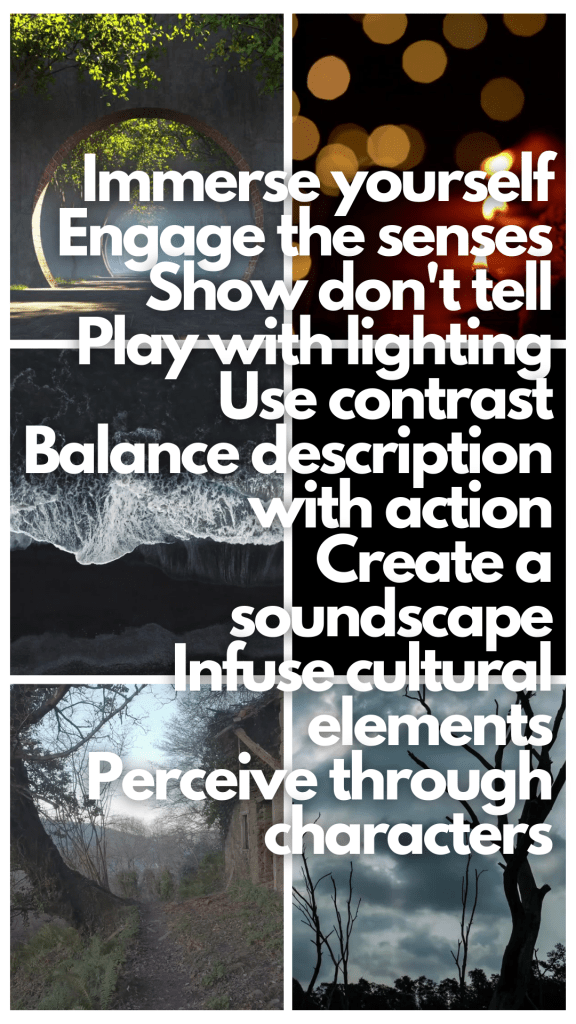
To create an authentic and vivid atmosphere, immerse yourself in the details of your chosen setting. Whether it’s a bustling city, a remote countryside, or a fantastical realm, thorough research will enable you to portray the nuances and intricacies that make the world feel real and engaging.

Utilise Sensory Descriptions:

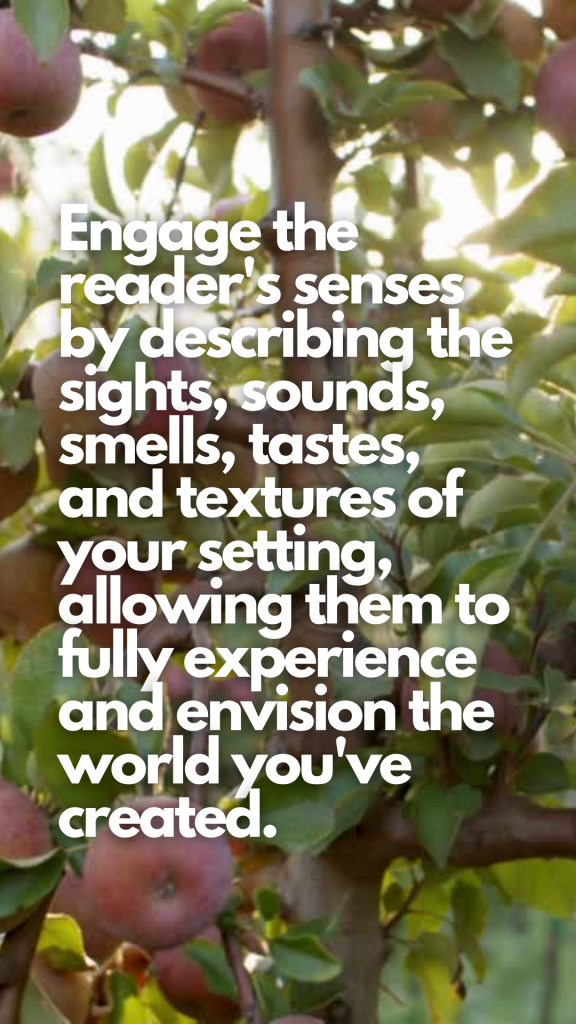
Engage the reader’s senses by vividly describing the sights, sounds, smells, tastes, and textures of your setting. Allow readers to experience the world through their senses, immersing them in its unique qualities and enhancing their connection to the story.

Show, Don’t Tell:

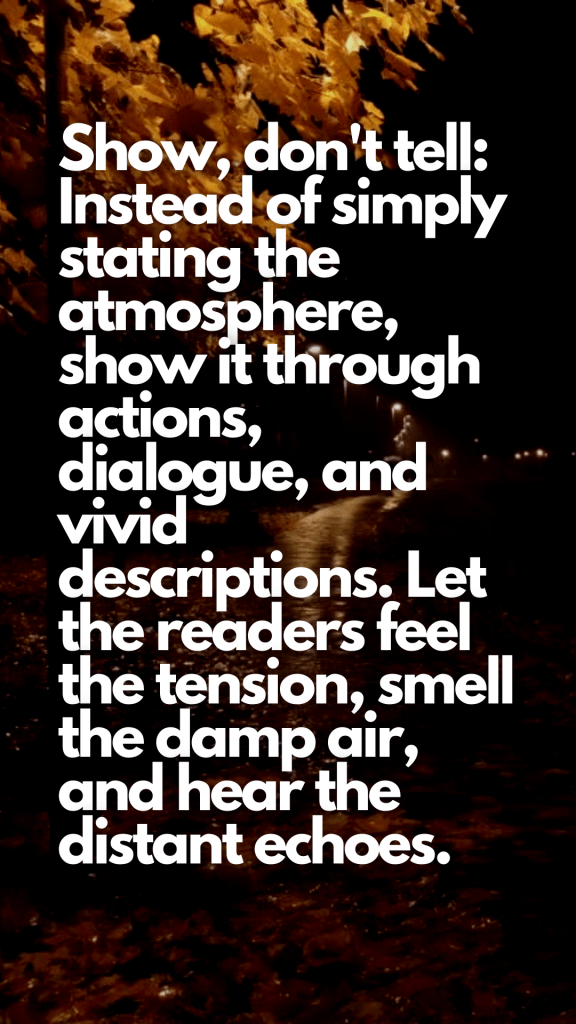
Rather than simply stating the atmosphere, show it through actions, dialogue, and vivid descriptions. Let readers feel the tension, smell the damp air, and hear the distant echoes. By immersing them in the sensory details, you create a more immersive and memorable reading experience.

Harness the Power of Weather:

Weather can be a powerful tool for setting the mood in your writing. Use rain, storms, fog, or sunshine to enhance the atmosphere and evoke specific emotions. The weather can act as a subtle backdrop or play a central role in intensifying the narrative.

Pay Attention to Lighting:

Describe how light interacts with the setting, influencing the mood. Whether it’s casting eerie shadows, illuminating key details, or creating a warm and inviting ambiance, the play of light adds depth and atmosphere to your world.

Use Contrasting Elements:

Contrast can add complexity and depth to your setting. Blend light and dark, old and new, or chaos and order to create a dynamic and compelling atmosphere. Contrasting elements provide a rich backdrop against which your characters and story can unfold.

Incorporate Cultural and Historical Nuances:

Infuse your setting with cultural and historical references that reflect the time period or specific location. By incorporating these nuances, you create a sense of authenticity that enhances the atmosphere and immerses readers in the world you’ve created.

Develop Unique Settings:

Create settings that are distinct and memorable, reflecting the mood and tone of your story. Whether it’s a quirky small town, a mysterious abandoned building, or a futuristic metropolis, make the setting integral to the atmosphere and give it a personality of its own.

Balance Description with Action:

While descriptive passages are important for setting the scene, be mindful not to overburden the narrative. Strike a balance between creating atmosphere and advancing the story. Keep the pacing steady and ensure that every description serves a purpose.

Use Symbolic Elements:

Integrate symbolic elements into the setting to deepen the atmosphere and convey deeper meaning. A cracked mirror, a towering oak tree, or a dilapidated house can evoke emotions and enhance the mood, adding layers of symbolism to your narrative.

Explore the Power of Sound:

Describe the soundscape of your setting, capturing the ambient noises, echoes, and distinct sounds that contribute to the atmosphere. Sound can immerse readers further into the world and create a multi-dimensional experience.

Infuse Cultural and Natural Elements:

Weave in the flora, fauna, architecture, and customs of the setting to ground the reader and make them feel like they are truly present in that world. These details add authenticity and depth to the atmosphere.

Consider the Impact of Time:

Describe how time affects the setting, whether it’s the transition from day to night, the passage of seasons, or the decay of a once-thriving location. The passage of time adds realism, depth, and a sense of history to your world.

Tap into Character Perceptions:

Show how your characters perceive the setting and use it to reflect their emotions, thoughts, and perspectives. Their reactions can enhance the atmosphere and provide a unique lens through which readers experience the world.

Continuously Revise and Refine:

As you write, revisit your descriptions of the setting and atmosphere, ensuring they align with the overall tone and mood of your story. Refine them to create a fully immersive and captivating experience for readers.

Conclusion:

Building immersive worlds and evoking the right mood is an art that requires attention to detail, imagination, and an understanding of the impact of your words on readers. By employing these techniques and crafting vibrant settings, you can transport your audience to new realms and create a reading experience that lingers long after the last page. So, dive deep, explore, and allow your words to breathe life into your storytelling.

#writing #storytelling #writingtips


Thanks for taking the time to read this post. If you found it informative and entertaining, please consider sharing it with your friends and followers on social media. And if you have any feedback or suggestions for future topics, I’d love to hear from you in the comments below. Don’t forget to subscribe for more content and updates, or pop over to my newsletter page for more crime stuff, direct to your inbox every month.

See you soon.

Wendy

The Art of Crafting Engaging Story Arcs and Maintaining a Dynamic Rhythm

Introduction:

In the realm of storytelling, captivating your readers and keeping them hooked from start to finish is a paramount goal. One key aspect of achieving this is by creating engaging story arcs and maintaining a good rhythm throughout your narrative. By employing effective techniques, you can ensure that your story flows seamlessly, keeps readers invested, and delivers a satisfying reading experience.

Establish Clear Goals and Stakes:

To lay a solid foundation for your story, it is crucial to establish clear goals for your protagonist and convey the consequences of success or failure. This creates a compelling driving force that propels the plot forward and keeps readers invested in the outcome.

Create Conflict and Obstacles:

Conflict is the lifeblood of storytelling. Introduce challenges, conflicts, and obstacles that the protagonist must overcome, providing opportunities for growth and development. This not only adds depth to your characters but also keeps the story dynamic, gripping the reader’s attention.

Use Rising Action:

Craft a compelling narrative by gradually building tension through the rising action. Increase the stakes and intensify conflicts as the story progresses, creating a sense of anticipation and ensuring that readers are captivated by each turn of events.

Vary the Pace:

To maintain reader interest and prevent monotony, it is essential to vary the pace of your story. Alternate between moments of high intensity and slower, reflective moments. This ebb and flow in pacing creates a balanced rhythm and keeps readers engaged throughout the narrative.

Incorporate Plot Twists:

Surprise your readers with unexpected plot twists that challenge their expectations. Well-placed plot twists inject excitement and reinvigorate the story, leaving readers eager to discover what unfolds next.

Utilise Cliffhangers:

End chapters or sections with suspenseful moments or unanswered questions to leave readers craving more. Cliffhangers create anticipation and propel readers forward, ensuring they eagerly turn the pages to uncover the next twist or resolution.

Show Character Growth and Development:

Characters that evolve and undergo personal growth resonate deeply with readers. Allow your characters to change and learn from their experiences, providing emotional depth and investment for the audience.

Use Foreshadowing:

Plant subtle hints or clues early on in the story that foreshadow future events or revelations. This technique builds anticipation, creates a sense of cohesion, and rewards attentive readers.

Trim Excess and Maintain Focus:

Streamline your narrative by eliminating unnecessary elements that may detract from the pacing and focus of the story. Each scene, event, or subplot should serve a purpose in advancing the main plot, ensuring a smooth and engaging reading experience.

Test and Revise:

Seek feedback from beta readers or critique partners to evaluate the pacing of your story. Adjustments may be necessary to maintain a balanced and engaging pace throughout the narrative. Embrace the iterative process of testing and revising to refine your storytelling skills.

Conclusion:

Crafting engaging story arcs and maintaining a good rhythm is a delicate art that requires skill and finesse. By implementing these techniques, you can plot your story effectively and ensure a compelling pace that keeps readers engrossed from beginning to end. Ready to rev up your storytelling engine? Unleash the power of pacing and create a page-turning masterpiece!

📚✨ #WritingTips #PlottingAndPacing #StorytellingMastery


Thanks for taking the time to read this post. If you found it informative and entertaining, please consider sharing it with your friends and followers on social media. And if you have any feedback or suggestions for future topics, I’d love to hear from you in the comments below. Don’t forget to subscribe for more content and updates, or pop over to my newsletter page for more crime stuff, direct to your inbox every month.

See you soon.

Wendy

Mastering the Art of ‘Show, Don’t Tell’: Creating Immersive and Emotionally Resonant Writing

Introduction:

Whether you’re a seasoned storyteller or an aspiring wordsmith, mastering the technique of ‘Show, Don’t Tell’ can elevate your storytelling to new heights. By engaging the senses, evoking vivid imagery, and crafting immersive experiences, you can captivate your readers and forge a deep emotional connection.

Here’s how to unlock the power of ‘Show, Don’t Tell’ and transform your writing.

The Essence of ‘Show, Don’t Tell’

Instead of explicitly stating emotions or facts, let the readers experience them through rich descriptions, evocative imagery, and compelling actions. By doing so, we enable readers to engage their imaginations and become active participants in the story.

Techniques for Crafting Authentic Emotion

Use Body Language: Explore the intricate language of the body to convey emotions. Describing physical reactions like trembling hands, clenched fists, or a quivering voice allows readers to sense the characters’ inner turmoil or excitement.

Show through Actions and Behaviours: Actions speak louder than words. Show characters’ emotions through their behaviours and choices. A character’s gentle touch, a tear rolling down their cheek, or an impulsive outburst can reveal a wealth of emotion.

Engage the Senses: Enliven your scenes by immersing readers in sensory details. Paint a vivid picture with sights, sounds, smells, tastes, and textures that enhance the atmosphere and evoke emotional responses in your readers.

Show through Dialogue: Craft dialogue that subtly reveals emotions. Pay attention to the characters’ word choices, pauses, and tone of voice. Let their speech patterns and nonverbal cues convey their underlying feelings.

Harness Subtext and Symbolism: Infuse your writing with layers of meaning by employing subtext and symbolism. Allow readers to read between the lines, discovering deeper emotions and themes through subtle hints and metaphors.

Creating Immersive and Resonant Scenes

‘Show, Don’t Tell’ can be applied to specific scenes and settings. Whether it’s an intense action sequence, a tender romantic encounter, or a hauntingly atmospheric landscape, you can use these techniques to transport readers into the heart of your story.

•            Rather than telling the reader that the room was messy, show clothes strewn across the floor, stacks of papers on the desk, and dirty dishes piled up on the counter, painting a vivid picture of the disarray.

•            Instead of telling the reader that the coffee was hot, show the steam rising from the mug, the protagonist blowing on it cautiously, and the warmth spreading through their hands as they took a careful sip.

•            Instead of telling the reader that the child was excited, show them jumping up and down, clapping their hands, and shouting with glee when they received the gift they had been longing for.

•            Instead of telling the reader that the detective was suspicious, show them narrowing their eyes, leaning forward, and scrutinising the suspect’s every move, conveying their doubt and mistrust without explicitly stating it.

Practice, Refine, and Master

Becoming proficient in ‘Show, Don’t Tell’ requires practice and a keen eye for detail. But once you ‘get’ the principle you’ll be able to spot it in your writing and adjust your narrative to provide a deeper experience for your readers.

Conclusion:

By mastering the art of ‘Show, Don’t Tell,’ you’ll transform your writing into a rich tapestry of emotions and experiences. Invite readers to step into your world, where they can smell, taste, and feel every moment. Embrace this powerful technique and unlock the true potential of your storytelling prowess.

#ShowDontTell #WritingCraft #ImmersiveStorytelling #WritingTips


Thanks for taking the time to read this post. If you found it informative and entertaining, please consider sharing it with your friends and followers on social media. And if you have any feedback or suggestions for future topics, I’d love to hear from you in the comments below. Don’t forget to subscribe for more content and updates, or pop over to my newsletter page for more crime stuff, direct to your inbox every month.

See you soon.

Wendy


https://amzn.eu/d/2wbPkvR