Have you ever been reading a book and thought ‘Oh, that’s a MacGuffin right there’? No, me neither. But once you’ve read this, I promise you will!
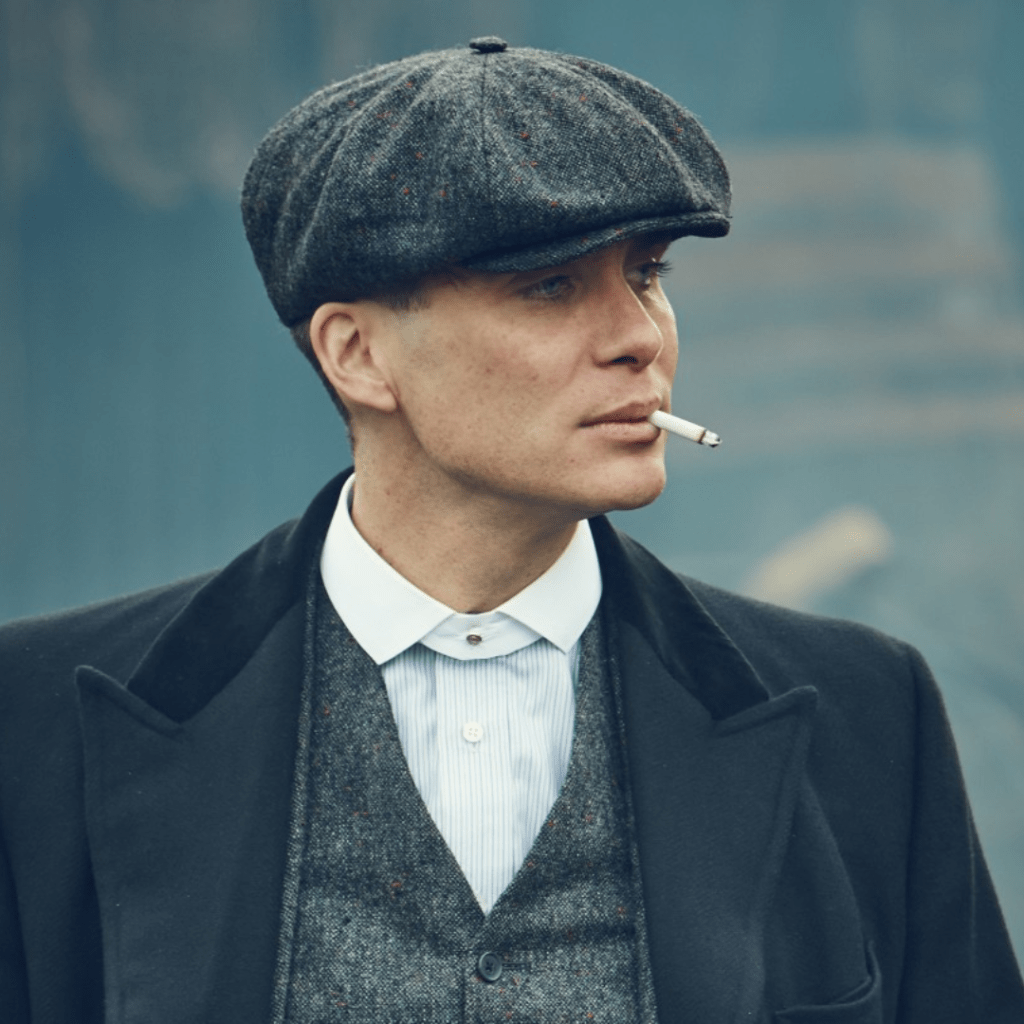
When you’re watching a great actor on screen you can’t see them working. They seamlessly transform into the character they’re portraying, allowing us to suspend our disbelief. They become their character. Cillian Murphy does this perfectly for me. When I watch him, I can relax. I trust that he’ll deliver an immersive and believable performance.
Similarly, a well-crafted story doesn’t reveal it’s structure. We don’t need to know the plot beats or feel the shift from one to the next. We should be so immersed in the narrative that we’re carried along effortlessly on a wave of suspense and intrigue with the author as our unseen, skilful navigator. Tolkien is a master of this.
But what are the storytelling tropes that form part of an engaging and compelling narrative structure?
Here are some of the secret ingredients in a good story you may not be aware of.
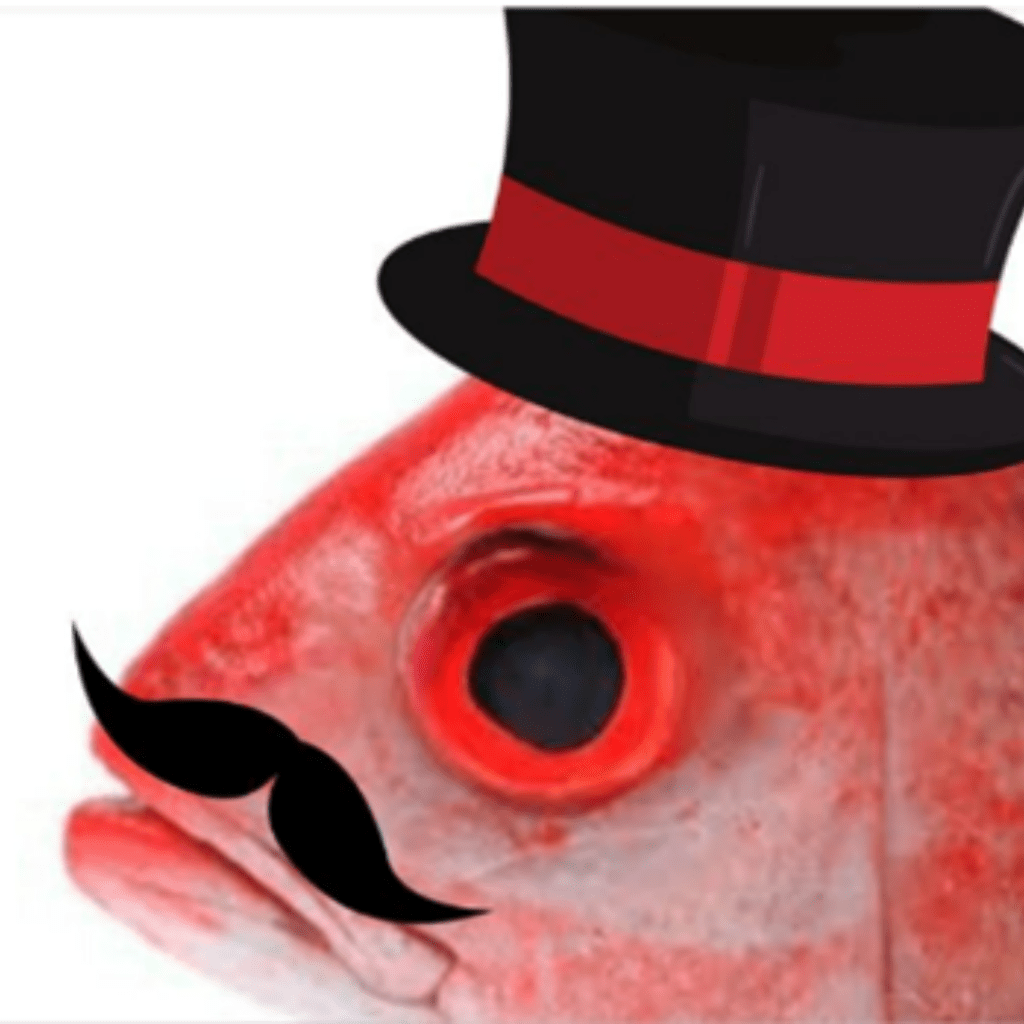
Red Herrings: The Art of Misdirection The term “Red Herring” has its roots in the world of hunting, particularly fox hunting. In the 1800s, hunters used the strong-smelling, smoked and salted herring fish to train hounds. These fish had a pungent scent that could lead the hounds astray, away from the real target (the fox). Hence, the “Red Herring” became synonymous with a diversion or distraction that misled or confused.
In storytelling, a “Red Herring” is a clever narrative device. It’s a misleading clue, character, or plot element intentionally planted by authors to throw readers or viewers off the scent of the real mystery or plot twist. It’s like a literary sleight of hand, guiding your attention in one direction while the real action unfolds elsewhere.
Red Herrings serve multiple purposes. They build suspense, add complexity, and keep us guessing. They make us question our assumptions and encourage us to engage with the story actively – they’re the art of misdirection.
MacGuffins: The Catalysts of Adventure Coined by Alfred Hitchcock, a MacGuffin is a plot device—often an object or goal—that drives the characters and the narrative forward. Its intrinsic value is less important than its role in propelling the story. MacGuffins create a sense of urgency, setting characters in motion and providing a focal point for the audience, even if the ultimate significance may remain ambiguous.
A MacGuffin is a storytelling device commonly used in literature, film, and other forms of narrative media. It’s an object, goal, or concept that serves as a plot device, motivates the characters, and drives the story forward. However, the MacGuffin itself often has little or no intrinsic significance or importance.
The term “MacGuffin” was popularised by filmmaker Alfred Hitchcock. He explained it as an element in a story that the audience doesn’t need to fully understand but serves to set the plot in motion or create suspense. Essentially, it’s a narrative tool that keeps the story moving and characters engaged but isn’t the central focus of the plot.
Classic examples of MacGuffins include the Maltese Falcon in Dashiell Hammett’s novel “The Maltese Falcon” and the briefcase in Quentin Tarantino’s film “Pulp Fiction.” In both cases, the objects drive the characters’ actions and decisions, but their true nature or significance remains secondary to the broader narrative.
And the origin of the word? The name MacGuffin was coined by British screenwriter Angus MacPhail, probably using “‘guff’, meaning anything trivial or worthless as the root of the word.
Coined by Alfred Hitchcock, a MacGuffin is a plot device—often an object or goal—that drives the characters and the narrative forward. Its intrinsic value is less important than its role in propelling the story. Think of the Ark in “Raiders of the Lost Ark” or the briefcase in “Pulp Fiction.”
Deus ex Machina: Divine Interventions Translated as “god from the machine,” this trope involves a sudden, unexpected resolution to a seemingly insurmountable problem. In ancient Greek theatre, a god would literally descend onto the stage, untangling complex plots. Today, it refers to any improbable or contrived resolution that saves characters from a dire situation. While it should be used judiciously to avoid undermining the narrative, a well-executed ‘deus ex machina’ can add an element of surprise and wonder.
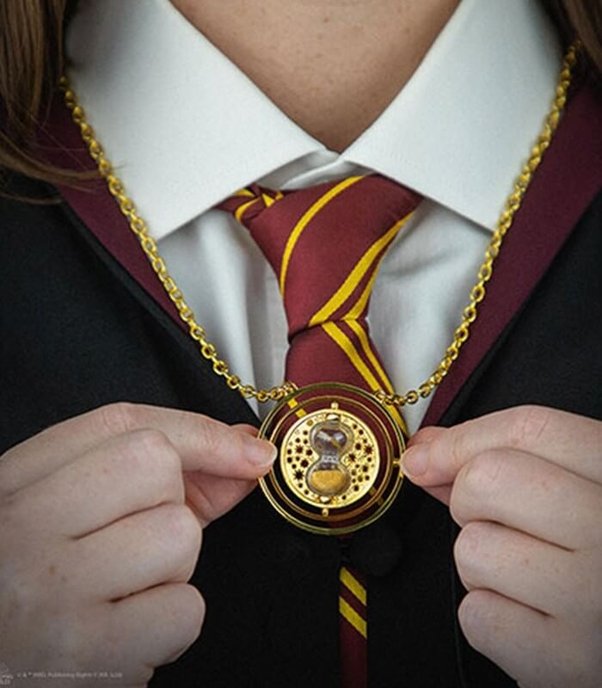
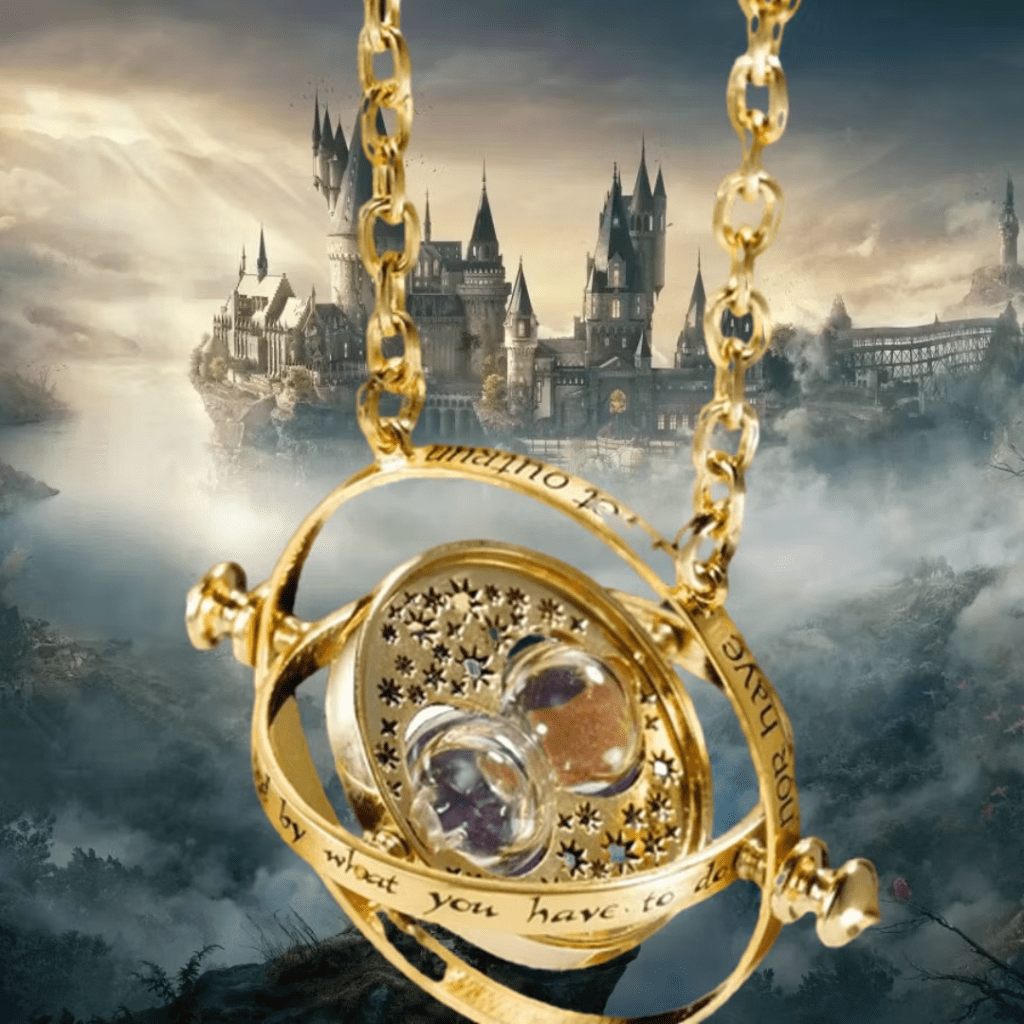
The use of the Time-Turner in “Harry Potter and the Prisoner of Azkaban” is a Deus ex Machina. Harry and Hermione use the Time-Turner to go back in time, ensuring that they can intervene in events they previously witnessed, leading to a more favourable outcome.
Chekhov’s Gun: Everything Has a Purpose Ever heard of “Chekhov’s Armory”? It’s an interesting variation of the renowned literary principle, “Chekhov’s Gun.” But what’s it all about?
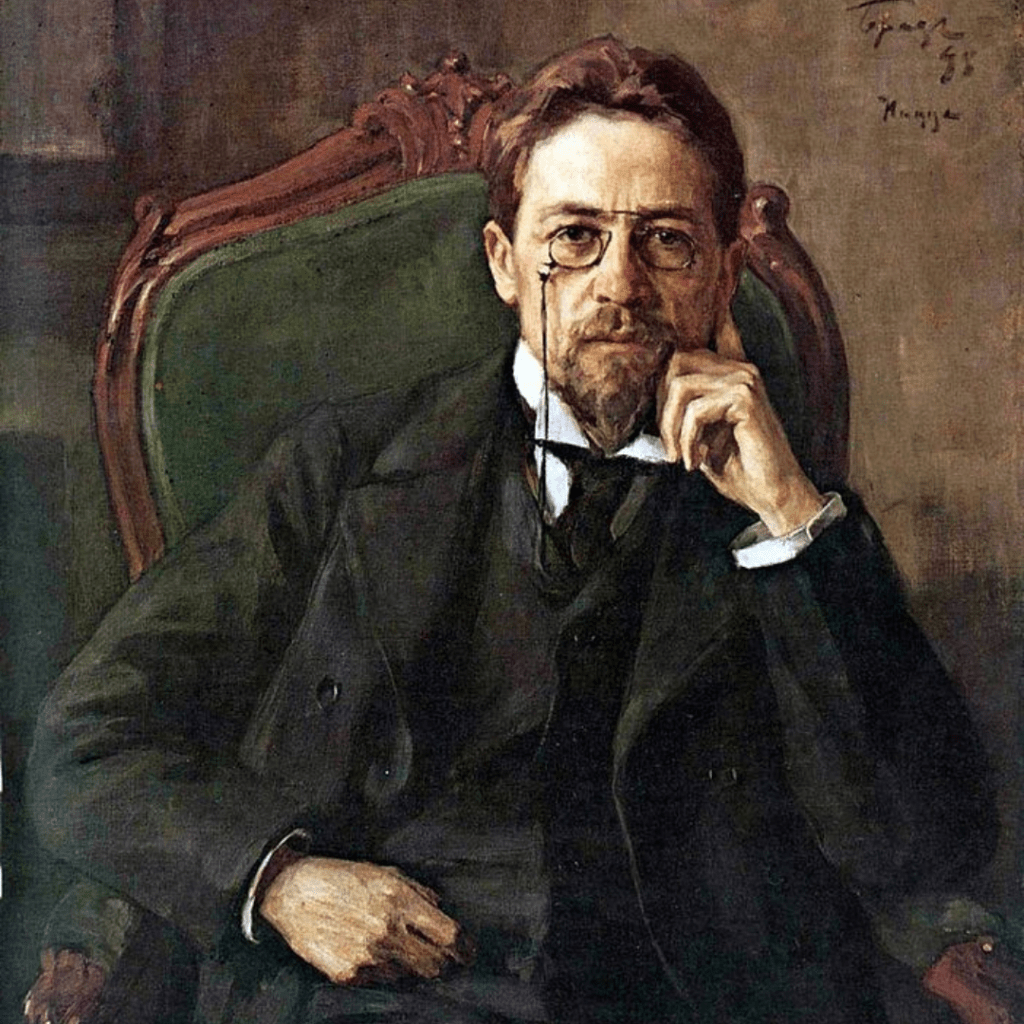
This term pays homage to the legendary Russian playwright Anton Chekhov, a master of storytelling and drama. Chekhov famously stated, “If in the first act you have hung a pistol on the wall, then in the following one it should be fired.” His principle emphasised the importance of narrative economy.
“Chekhov’s Armory” takes this idea one step further. It suggests that if an author introduces multiple elements, objects, or characters into a story, each should serve a purpose, however subtle. In essence, nothing should be extraneous; everything contributes to the rich tapestry of the narrative.
Imagine a story where every detail, no matter how seemingly insignificant, weaves seamlessly into the plot’s fabric. Each element, even those in the background, plays a role, adding depth, foreshadowing, or thematic resonance.
Chekhov’s Armory enhances the reader’s or viewer’s immersion. It encourages them to connect the dots, anticipate developments, and actively engage with the narrative. It’s like a puzzle waiting to be solved!
In the world of storytelling, Chekhov’s Armory reminds us that every word, every image, every detail serves a purpose, and together, they create a literary symphony.
Originating from Anton Chekhov’s advice that if a gun is introduced in the first act, it must be fired in the third, this trope emphasises the importance of narrative economy. Every element in a story should serve a purpose. If an object or detail is highlighted, it should have relevance to the plot later on. This principle guides writers to create tight, cohesive narratives where no element feels extraneous.
Again, JK Rowling is known for her meticulous planning and use of Chekhov’s Gun. Items such as the Marauder’s Map, the Time-Turner, and seemingly insignificant details like the locket from “Order of the Phoenix” all play pivotal roles in the overall story.
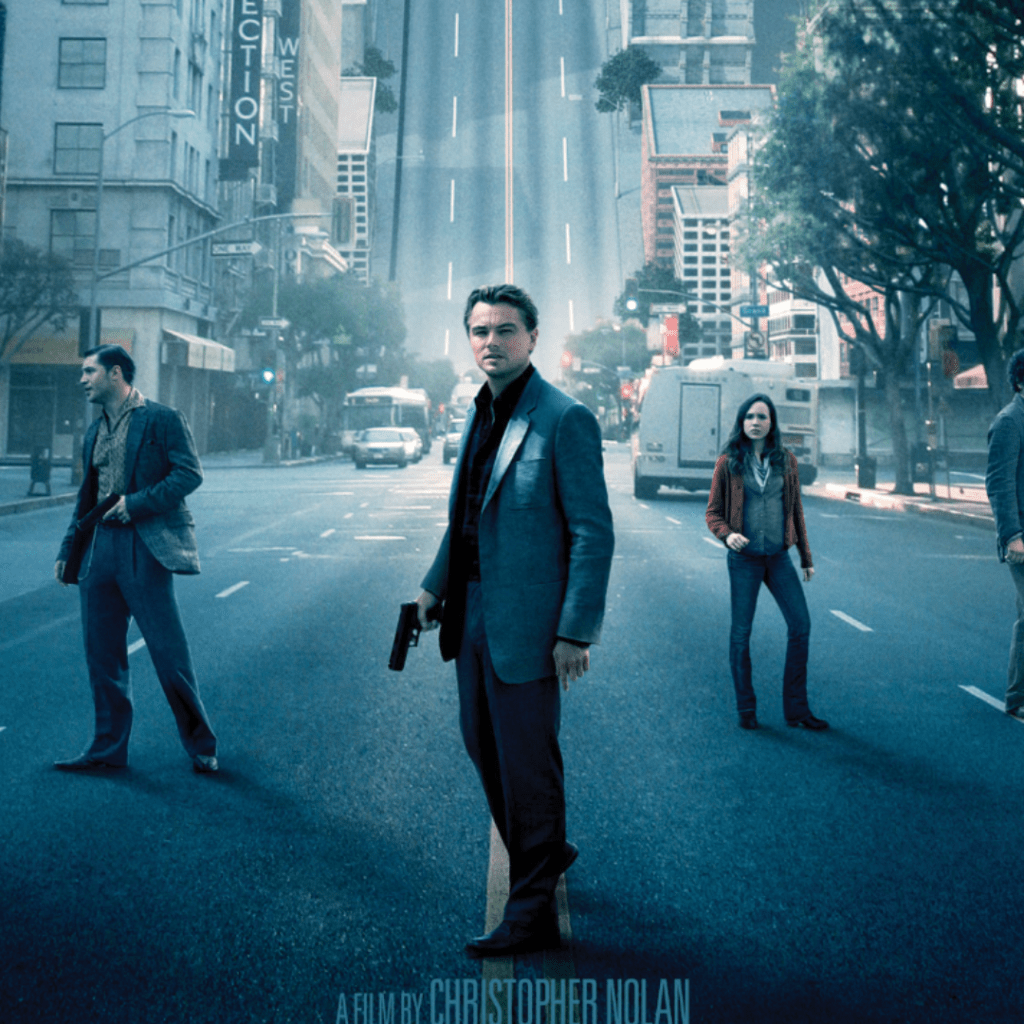
Christopher Nolan’s “Inception” with its intricate plotting, is another example. Objects and concepts, such as the spinning top and the concept of a totem, are introduced early in the film and become central to the resolution of the story.
Nolan’s films are known for their intricate plotting, and “Inception” is no exception. Objects and concepts, such as the spinning top and the concept of a totem, are introduced early in the film and become central to the resolution of the story.
JK Rowling is known for her meticulous planning and use of Chekhov’s Gun. Items such as the Marauder’s Map, the Time-Turner, and seemingly insignificant details like the locket from “Order of the Phoenix” all play pivotal roles in the overall story.
The principle itself is named after Chekhov, and one of his plays, “The Seagull,” is often cited as an early example. In the first act, a gun is introduced, and later in the play, it is used for a suicide. This serves as a classic illustration of the principle.
The Hero’s Journey: An Archetypal Odyssey Popularised by Joseph Campbell, the Hero’s Journey is an archetypal narrative structure found in myths and stories across cultures. It involves a hero leaving their ordinary world, facing challenges, undergoing transformation, and returning home changed.
The hero’s journey often involves the protagonist’s personal growth and transformation. Audiences are drawn to stories where characters overcome their flaws, face adversity, and emerge stronger or wiser. This journey mirrors the human experience of facing challenges and evolving through life’s trials.
Even in fantastical settings or extraordinary circumstances, the emotional and psychological struggles of the hero are relatable. The hero’s journey reflects the trials and tribulations of real-life individuals, allowing us to see ourselves in the protagonist and find inspiration in their ability to overcome obstacles.
From Frodo Baggins in “The Lord of the Rings” to Harry Potter, this trope resonates deeply with readers, providing a universal template for personal growth and adventure.
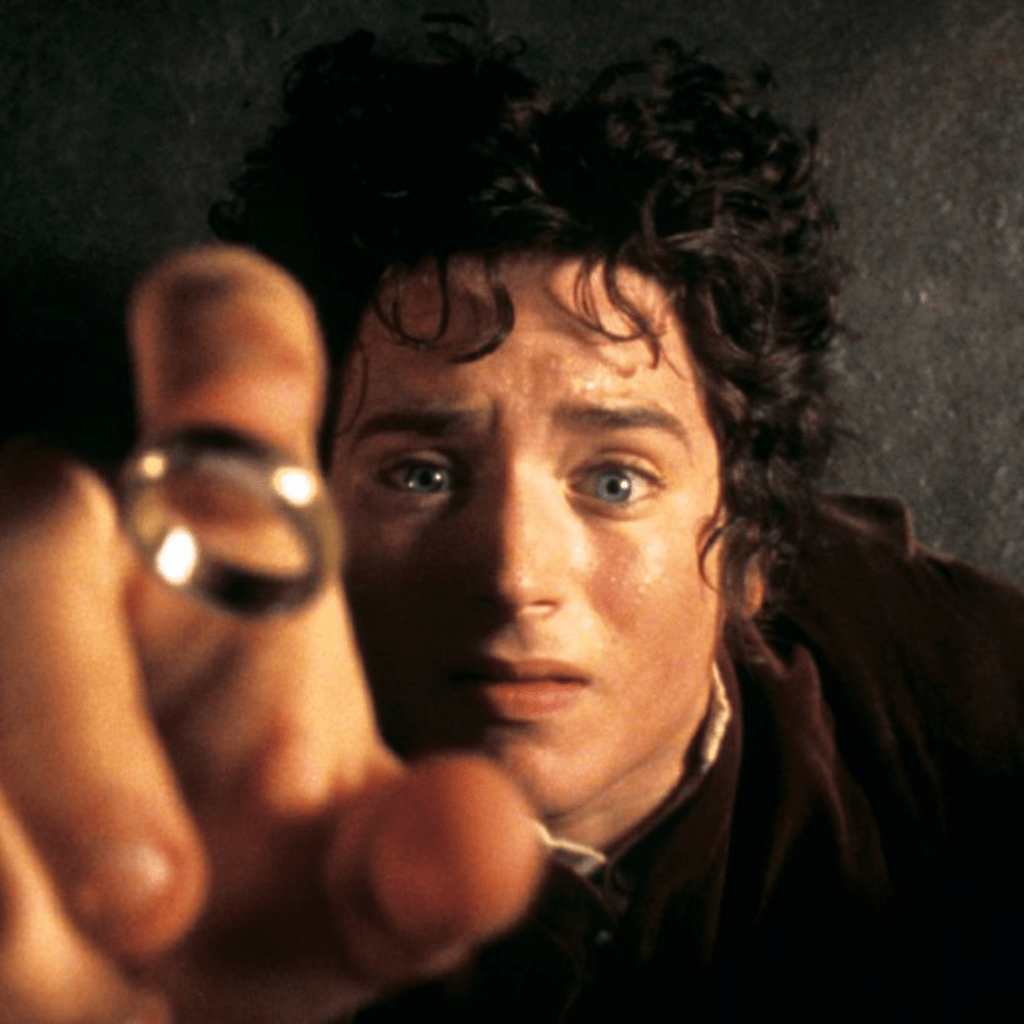
Frodo Baggins embarks on a perilous journey to destroy the One Ring and save Middle-earth. Along the way, he faces challenges, undergoes personal growth, and confronts powerful adversaries, embodying the hero’s journey archetype.
Bruce Wayne’s transformation into Batman in Christopher Nolan’s film follows the hero’s journey. He experiences a traumatic event, seeks guidance from mentors, undergoes training, and ultimately confronts crime and corruption in Gotham City.
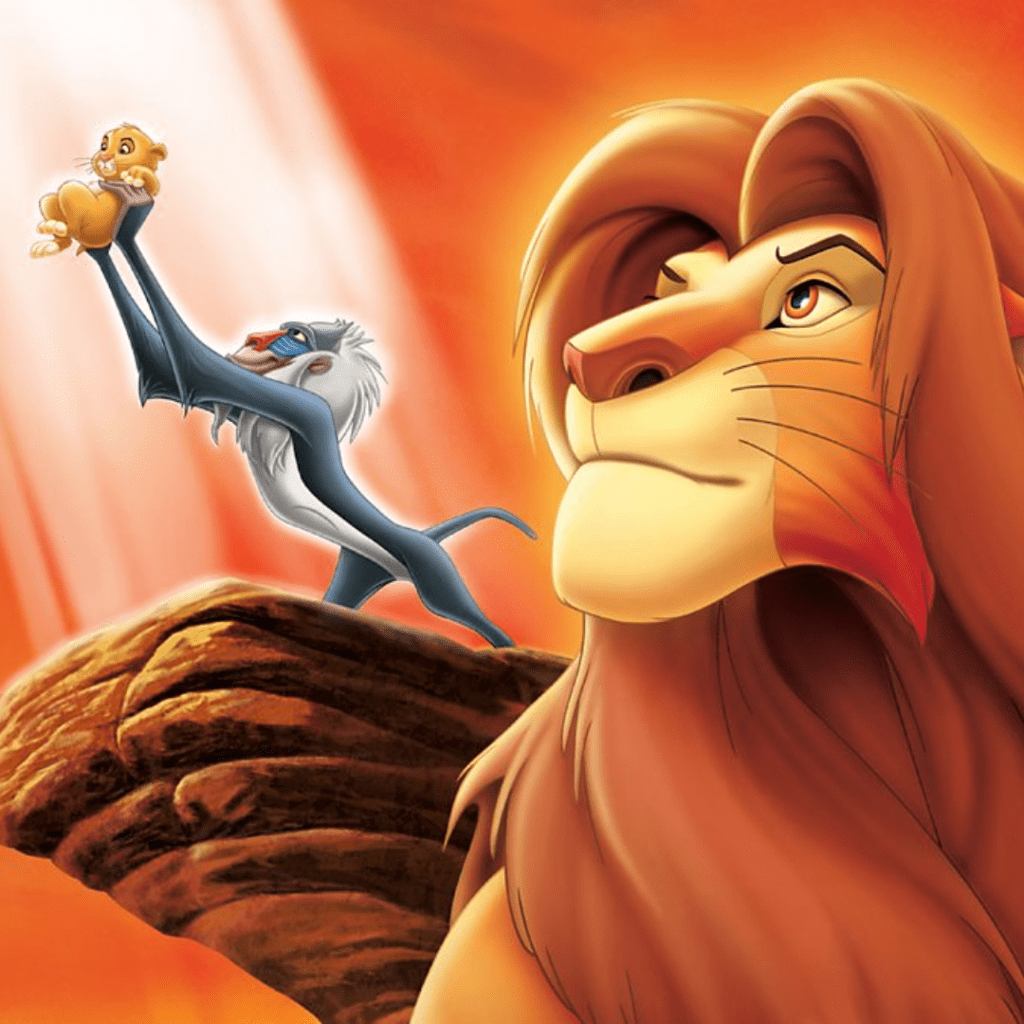
Simba’s journey from a young cub to the king of the Pride Lands mirrors the hero’s journey. He faces loss, self-discovery, and ultimately confronts his own demons to reclaim his rightful place as king.
If you’re interested in storytelling, it’s useful to understand how employing these storytelling tropes can elevate a narrative, creating a richer, more immersive experience for the audience. But while tropes provide a foundation, it’s the unique blend and execution that distinguishes one story from another.
Look out for these techniques, and if you’re a writer, consider how you can use these tools in your creative arsenal to breathe life into your characters and plots.
Thanks for taking the time to read this post. If you found it informative and entertaining, please consider sharing it with your friends and followers on social media. And if you have any feedback or suggestions for future topics, I’d love to hear from you in the comments below. Don’t forget to subscribe for more content and updates, or pop over to my newsletter page for more crime stuff, direct to your inbox every month.
As writers, one of our greatest powers is the ability to transport readers to new and captivating worlds. Building immersive settings and evoking the right mood are essential elements in creating a compelling narrative. By diving deep into the details, utilising sensory descriptions, and harnessing various techniques, we can create vivid atmospheres that resonate with readers and bring our stories to life.
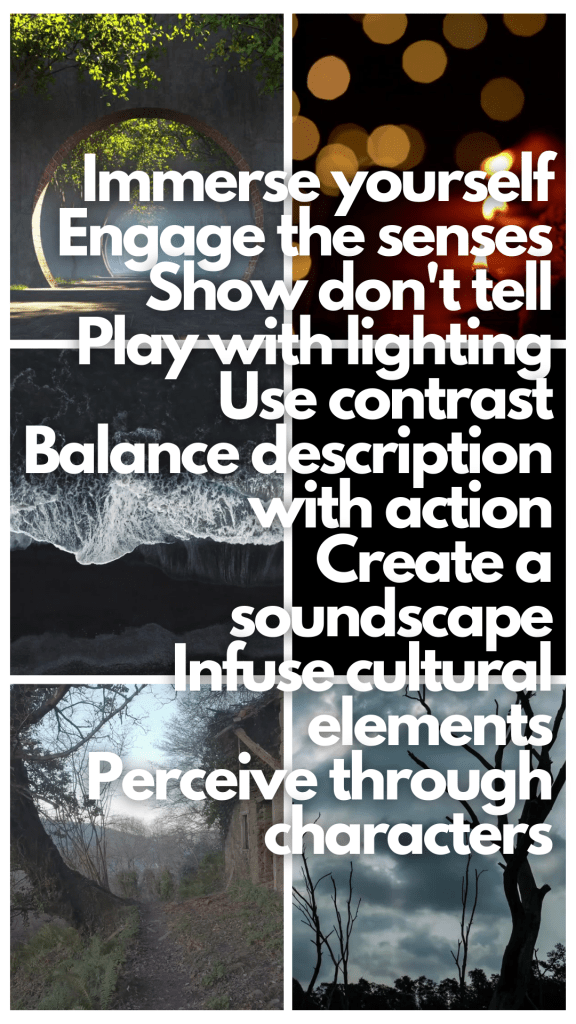
Research and Immerse Yourself in the Setting:
To create an authentic and vivid atmosphere, immerse yourself in the details of your chosen setting. Whether it’s a bustling city, a remote countryside, or a fantastical realm, thorough research will enable you to portray the nuances and intricacies that make the world feel real and engaging.
Utilise Sensory Descriptions:
Engage the reader’s senses by vividly describing the sights, sounds, smells, tastes, and textures of your setting. Allow readers to experience the world through their senses, immersing them in its unique qualities and enhancing their connection to the story.
Show, Don’t Tell:
Rather than simply stating the atmosphere, show it through actions, dialogue, and vivid descriptions. Let readers feel the tension, smell the damp air, and hear the distant echoes. By immersing them in the sensory details, you create a more immersive and memorable reading experience.
Harness the Power of Weather:
Weather can be a powerful tool for setting the mood in your writing. Use rain, storms, fog, or sunshine to enhance the atmosphere and evoke specific emotions. The weather can act as a subtle backdrop or play a central role in intensifying the narrative.
Pay Attention to Lighting:
Describe how light interacts with the setting, influencing the mood. Whether it’s casting eerie shadows, illuminating key details, or creating a warm and inviting ambiance, the play of light adds depth and atmosphere to your world.
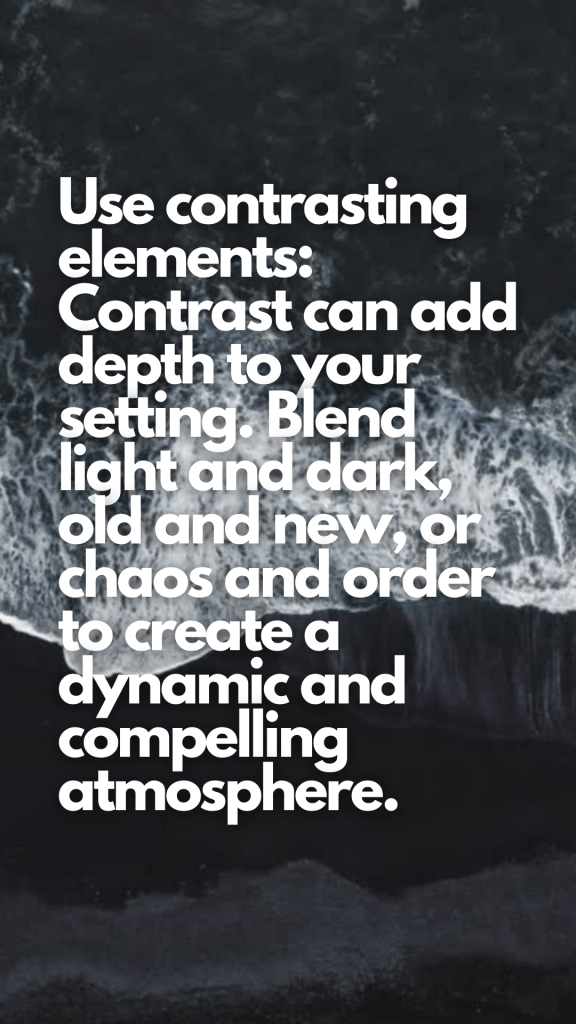
Use Contrasting Elements:
Contrast can add complexity and depth to your setting. Blend light and dark, old and new, or chaos and order to create a dynamic and compelling atmosphere. Contrasting elements provide a rich backdrop against which your characters and story can unfold.
Incorporate Cultural and Historical Nuances:
Infuse your setting with cultural and historical references that reflect the time period or specific location. By incorporating these nuances, you create a sense of authenticity that enhances the atmosphere and immerses readers in the world you’ve created.
Develop Unique Settings:
Create settings that are distinct and memorable, reflecting the mood and tone of your story. Whether it’s a quirky small town, a mysterious abandoned building, or a futuristic metropolis, make the setting integral to the atmosphere and give it a personality of its own.
Balance Description with Action:
While descriptive passages are important for setting the scene, be mindful not to overburden the narrative. Strike a balance between creating atmosphere and advancing the story. Keep the pacing steady and ensure that every description serves a purpose.
Use Symbolic Elements:
Integrate symbolic elements into the setting to deepen the atmosphere and convey deeper meaning. A cracked mirror, a towering oak tree, or a dilapidated house can evoke emotions and enhance the mood, adding layers of symbolism to your narrative.
Explore the Power of Sound:
Describe the soundscape of your setting, capturing the ambient noises, echoes, and distinct sounds that contribute to the atmosphere. Sound can immerse readers further into the world and create a multi-dimensional experience.
Infuse Cultural and Natural Elements:
Weave in the flora, fauna, architecture, and customs of the setting to ground the reader and make them feel like they are truly present in that world. These details add authenticity and depth to the atmosphere.
Consider the Impact of Time:
Describe how time affects the setting, whether it’s the transition from day to night, the passage of seasons, or the decay of a once-thriving location. The passage of time adds realism, depth, and a sense of history to your world.
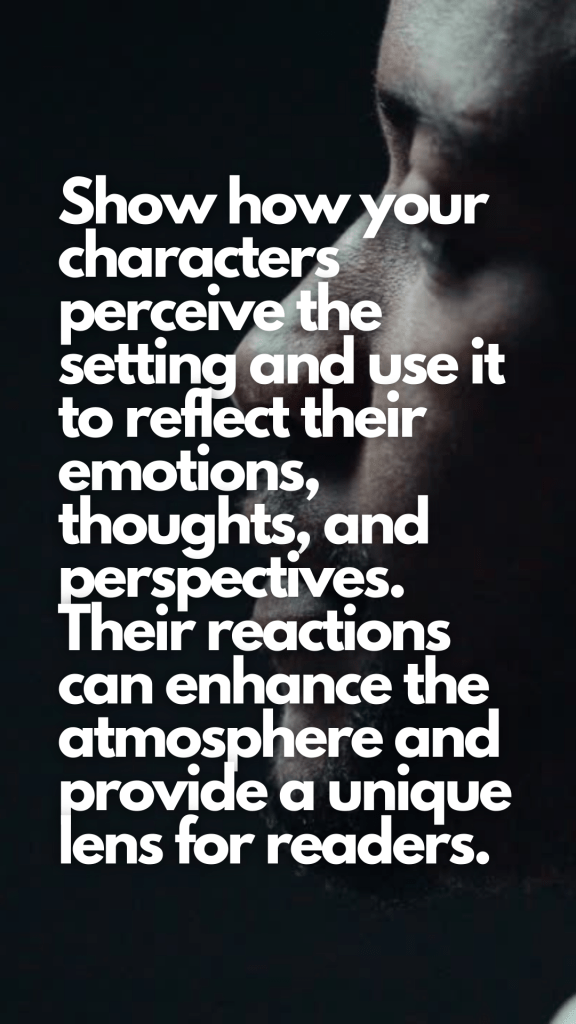
Tap into Character Perceptions:
Show how your characters perceive the setting and use it to reflect their emotions, thoughts, and perspectives. Their reactions can enhance the atmosphere and provide a unique lens through which readers experience the world.
Continuously Revise and Refine:
As you write, revisit your descriptions of the setting and atmosphere, ensuring they align with the overall tone and mood of your story. Refine them to create a fully immersive and captivating experience for readers.
Conclusion:
Building immersive worlds and evoking the right mood is an art that requires attention to detail, imagination, and an understanding of the impact of your words on readers. By employing these techniques and crafting vibrant settings, you can transport your audience to new realms and create a reading experience that lingers long after the last page. So, dive deep, explore, and allow your words to breathe life into your storytelling.
#writing #storytelling #writingtips
Thanks for taking the time to read this post. If you found it informative and entertaining, please consider sharing it with your friends and followers on social media. And if you have any feedback or suggestions for future topics, I’d love to hear from you in the comments below. Don’t forget to subscribe for more content and updates, or pop over to my newsletter page for more crime stuff, direct to your inbox every month.
In the realm of storytelling, captivating your readers and keeping them hooked from start to finish is a paramount goal. One key aspect of achieving this is by creating engaging story arcs and maintaining a good rhythm throughout your narrative. By employing effective techniques, you can ensure that your story flows seamlessly, keeps readers invested, and delivers a satisfying reading experience.
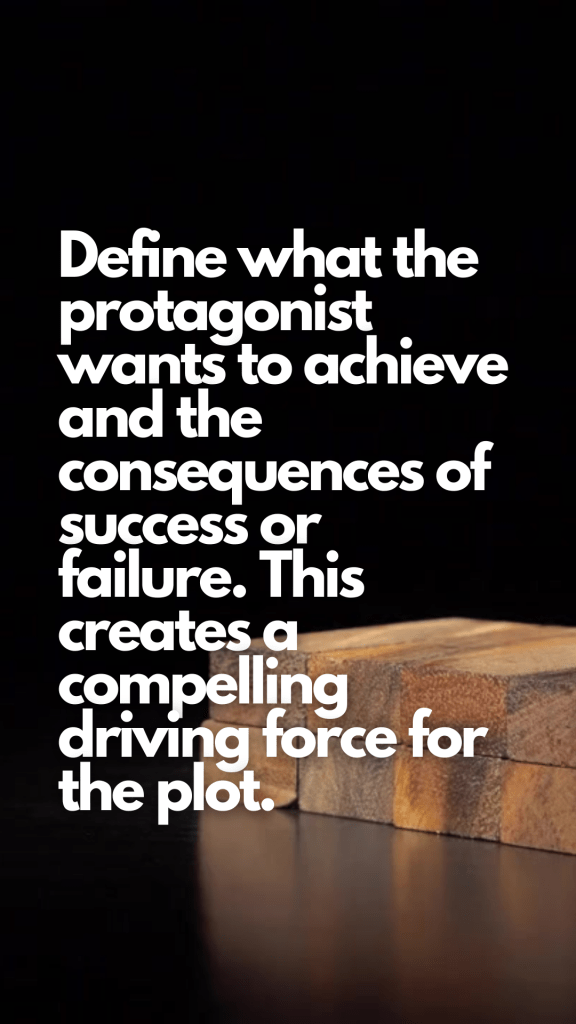
Establish Clear Goals and Stakes:
To lay a solid foundation for your story, it is crucial to establish clear goals for your protagonist and convey the consequences of success or failure. This creates a compelling driving force that propels the plot forward and keeps readers invested in the outcome.
Create Conflict and Obstacles:
Conflict is the lifeblood of storytelling. Introduce challenges, conflicts, and obstacles that the protagonist must overcome, providing opportunities for growth and development. This not only adds depth to your characters but also keeps the story dynamic, gripping the reader’s attention.
Use Rising Action:
Craft a compelling narrative by gradually building tension through the rising action. Increase the stakes and intensify conflicts as the story progresses, creating a sense of anticipation and ensuring that readers are captivated by each turn of events.
Vary the Pace:
To maintain reader interest and prevent monotony, it is essential to vary the pace of your story. Alternate between moments of high intensity and slower, reflective moments. This ebb and flow in pacing creates a balanced rhythm and keeps readers engaged throughout the narrative.
Incorporate Plot Twists:
Surprise your readers with unexpected plot twists that challenge their expectations. Well-placed plot twists inject excitement and reinvigorate the story, leaving readers eager to discover what unfolds next.
Utilise Cliffhangers:
End chapters or sections with suspenseful moments or unanswered questions to leave readers craving more. Cliffhangers create anticipation and propel readers forward, ensuring they eagerly turn the pages to uncover the next twist or resolution.
Show Character Growth and Development:
Characters that evolve and undergo personal growth resonate deeply with readers. Allow your characters to change and learn from their experiences, providing emotional depth and investment for the audience.
Use Foreshadowing:
Plant subtle hints or clues early on in the story that foreshadow future events or revelations. This technique builds anticipation, creates a sense of cohesion, and rewards attentive readers.
Trim Excess and Maintain Focus:
Streamline your narrative by eliminating unnecessary elements that may detract from the pacing and focus of the story. Each scene, event, or subplot should serve a purpose in advancing the main plot, ensuring a smooth and engaging reading experience.
Test and Revise:
Seek feedback from beta readers or critique partners to evaluate the pacing of your story. Adjustments may be necessary to maintain a balanced and engaging pace throughout the narrative. Embrace the iterative process of testing and revising to refine your storytelling skills.
Conclusion:
Crafting engaging story arcs and maintaining a good rhythm is a delicate art that requires skill and finesse. By implementing these techniques, you can plot your story effectively and ensure a compelling pace that keeps readers engrossed from beginning to end. Ready to rev up your storytelling engine? Unleash the power of pacing and create a page-turning masterpiece!
Thanks for taking the time to read this post. If you found it informative and entertaining, please consider sharing it with your friends and followers on social media. And if you have any feedback or suggestions for future topics, I’d love to hear from you in the comments below. Don’t forget to subscribe for more content and updates, or pop over to my newsletter page for more crime stuff, direct to your inbox every month.
Whether you’re a seasoned storyteller or an aspiring wordsmith, mastering the technique of ‘Show, Don’t Tell’ can elevate your storytelling to new heights. By engaging the senses, evoking vivid imagery, and crafting immersive experiences, you can captivate your readers and forge a deep emotional connection.
Here’s how to unlock the power of ‘Show, Don’t Tell’ and transform your writing.
The Essence of ‘Show, Don’t Tell’
Instead of explicitly stating emotions or facts, let the readers experience them through rich descriptions, evocative imagery, and compelling actions. By doing so, we enable readers to engage their imaginations and become active participants in the story.
Techniques for Crafting Authentic Emotion
Use Body Language: Explore the intricate language of the body to convey emotions. Describing physical reactions like trembling hands, clenched fists, or a quivering voice allows readers to sense the characters’ inner turmoil or excitement.
Show through Actions and Behaviours: Actions speak louder than words. Show characters’ emotions through their behaviours and choices. A character’s gentle touch, a tear rolling down their cheek, or an impulsive outburst can reveal a wealth of emotion.
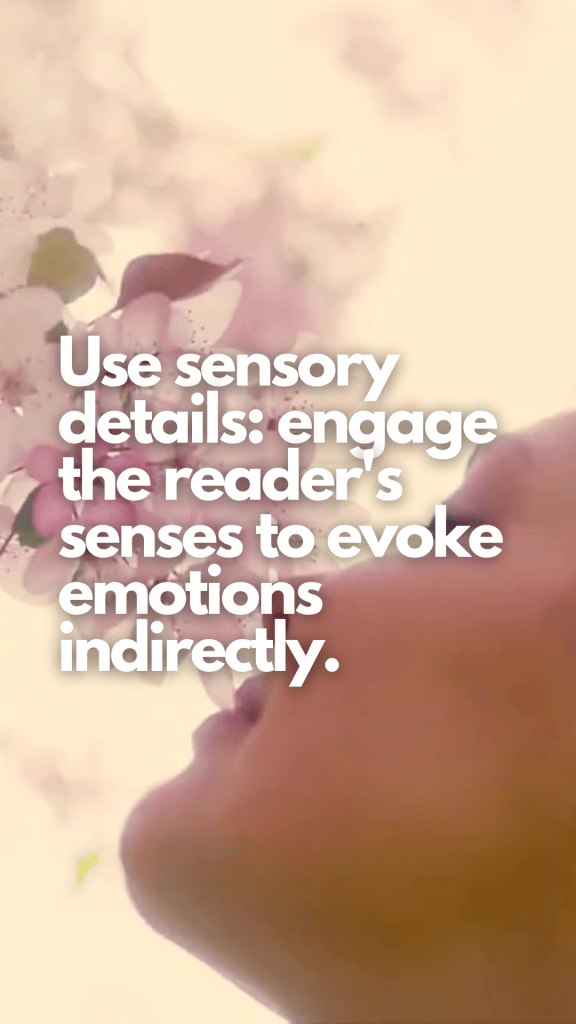
Engage the Senses: Enliven your scenes by immersing readers in sensory details. Paint a vivid picture with sights, sounds, smells, tastes, and textures that enhance the atmosphere and evoke emotional responses in your readers.
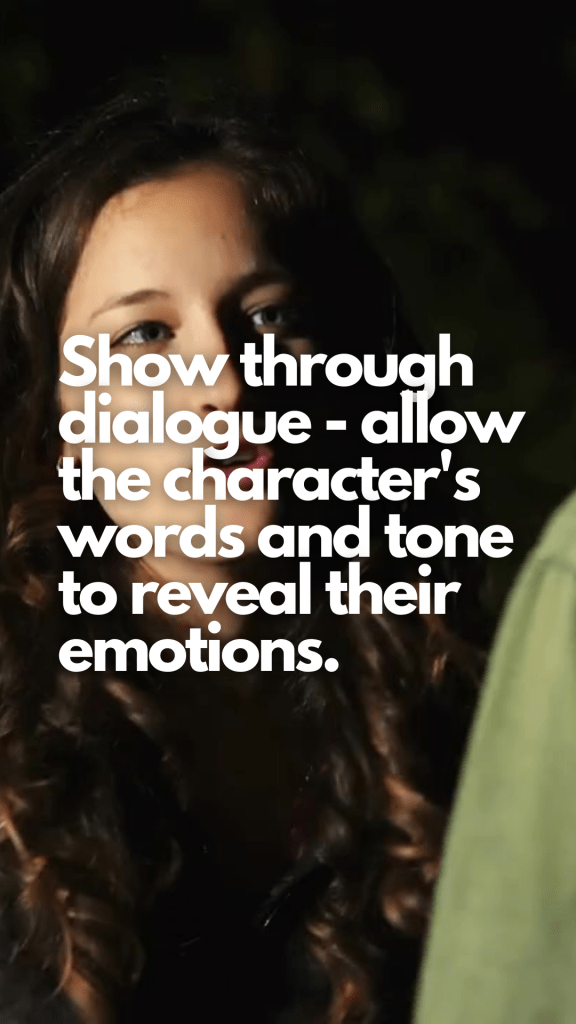
Show through Dialogue: Craft dialogue that subtly reveals emotions. Pay attention to the characters’ word choices, pauses, and tone of voice. Let their speech patterns and nonverbal cues convey their underlying feelings.
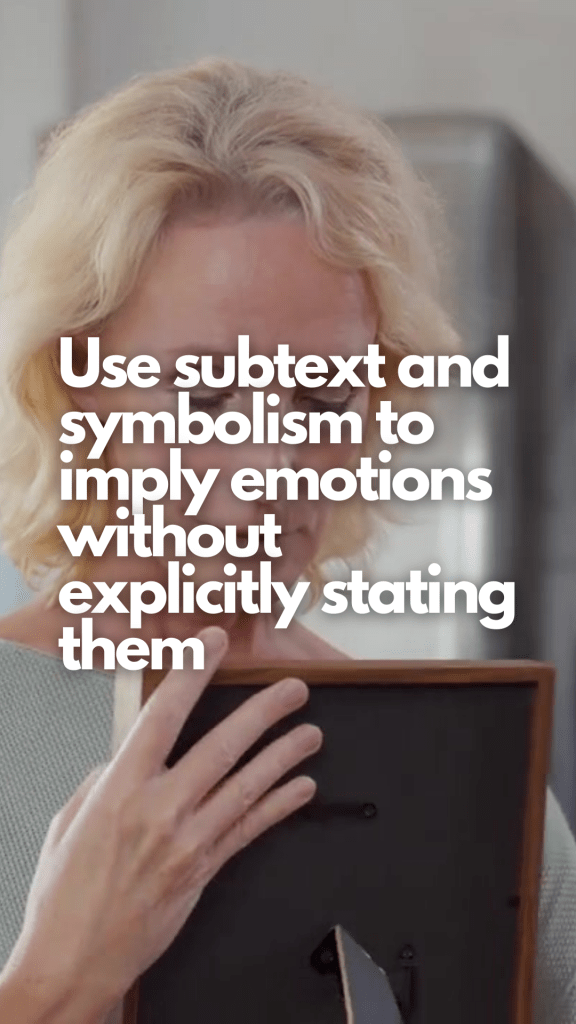
Harness Subtext and Symbolism: Infuse your writing with layers of meaning by employing subtext and symbolism. Allow readers to read between the lines, discovering deeper emotions and themes through subtle hints and metaphors.
Creating Immersive and Resonant Scenes
‘Show, Don’t Tell’ can be applied to specific scenes and settings. Whether it’s an intense action sequence, a tender romantic encounter, or a hauntingly atmospheric landscape, you can use these techniques to transport readers into the heart of your story.
• Rather than telling the reader that the room was messy, show clothes strewn across the floor, stacks of papers on the desk, and dirty dishes piled up on the counter, painting a vivid picture of the disarray.
• Instead of telling the reader that the coffee was hot, show the steam rising from the mug, the protagonist blowing on it cautiously, and the warmth spreading through their hands as they took a careful sip.
• Instead of telling the reader that the child was excited, show them jumping up and down, clapping their hands, and shouting with glee when they received the gift they had been longing for.
• Instead of telling the reader that the detective was suspicious, show them narrowing their eyes, leaning forward, and scrutinising the suspect’s every move, conveying their doubt and mistrust without explicitly stating it.
Practice, Refine, and Master
Becoming proficient in ‘Show, Don’t Tell’ requires practice and a keen eye for detail. But once you ‘get’ the principle you’ll be able to spot it in your writing and adjust your narrative to provide a deeper experience for your readers.
Conclusion:
By mastering the art of ‘Show, Don’t Tell,’ you’ll transform your writing into a rich tapestry of emotions and experiences. Invite readers to step into your world, where they can smell, taste, and feel every moment. Embrace this powerful technique and unlock the true potential of your storytelling prowess.
Thanks for taking the time to read this post. If you found it informative and entertaining, please consider sharing it with your friends and followers on social media. And if you have any feedback or suggestions for future topics, I’d love to hear from you in the comments below. Don’t forget to subscribe for more content and updates, or pop over to my newsletter page for more crime stuff, direct to your inbox every month.
Crime dramas have been a staple of television programming for decades, but some shows have pushed boundaries and sparked controversy with their depictions of violence, criminal behaviour, and societal issues. In this blog I thought I’d take a look at some of the most controversial crime series to come out of the UK and USA.
Controversial UK Crime Dramas
I’m starting with one of my all time favourites: Cracker.
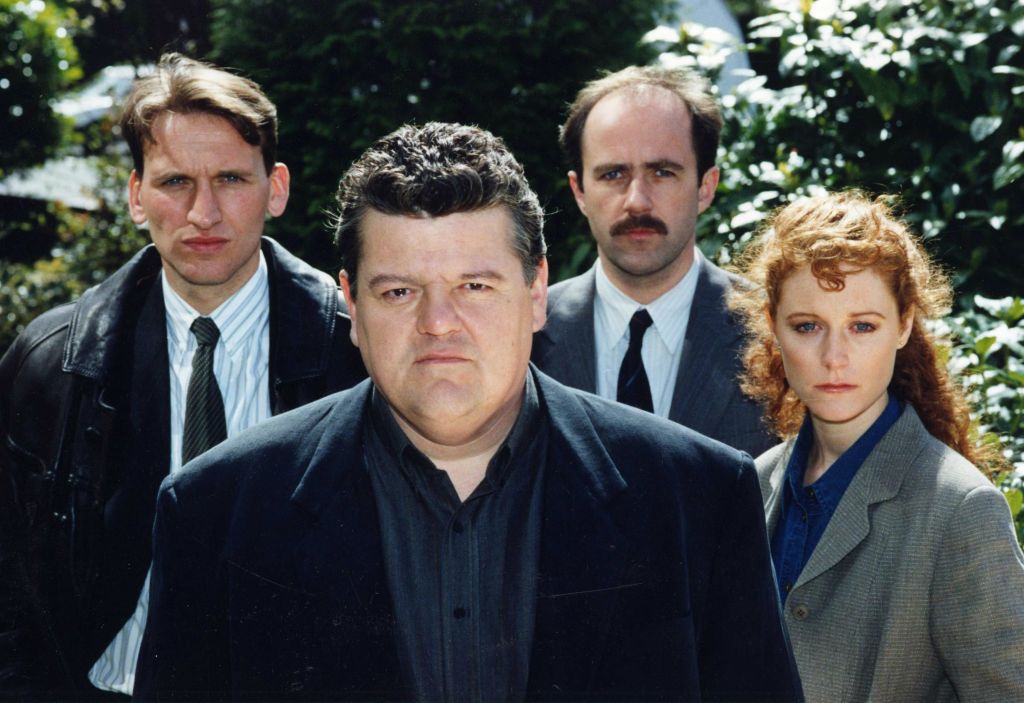
Cracker was a crime drama series that aired in the 1990s and followed the investigations of a mostly obnoxious, anti-social criminal psychologist named Dr. Edward “Fitz” Fitzgerald, brilliantly played by Robbie Coltrane. The show was praised for its realistic portrayal of criminal psychology and Fitz’s complex character, but it also drew criticism for its graphic depictions of violence and negative portrayals of minority groups.
One of the most controversial aspects of Cracker was its portrayal of violence. The show didn’t shy away from graphic and realistic depictions of violence, including sexual violence and murder, which some viewers found disturbing and gratuitous. The show’s creators defended these depictions as necessary to accurately depict the crimes being investigated and to highlight the consequences of violent behaviour.
The show also explored storylines where the police themselves were either the perpetrators or victims of crime. The visceral death of DCI Billborough at the hands of Albie Kinsella (masterfully played by Robert Carlyle) was shocking and stark, a grim reminder of the dangers faced by law enforcement.
Despite the criticisms, Cracker remains a landmark series in the history of crime drama, and its realistic portrayal of criminal psychology has inspired numerous shows and films in the genre. The show’s exploration of Fitz’s character, and his struggles with alcoholism and personal demons, also helped to humanise the typically cold and detached figure of the criminal profiler.
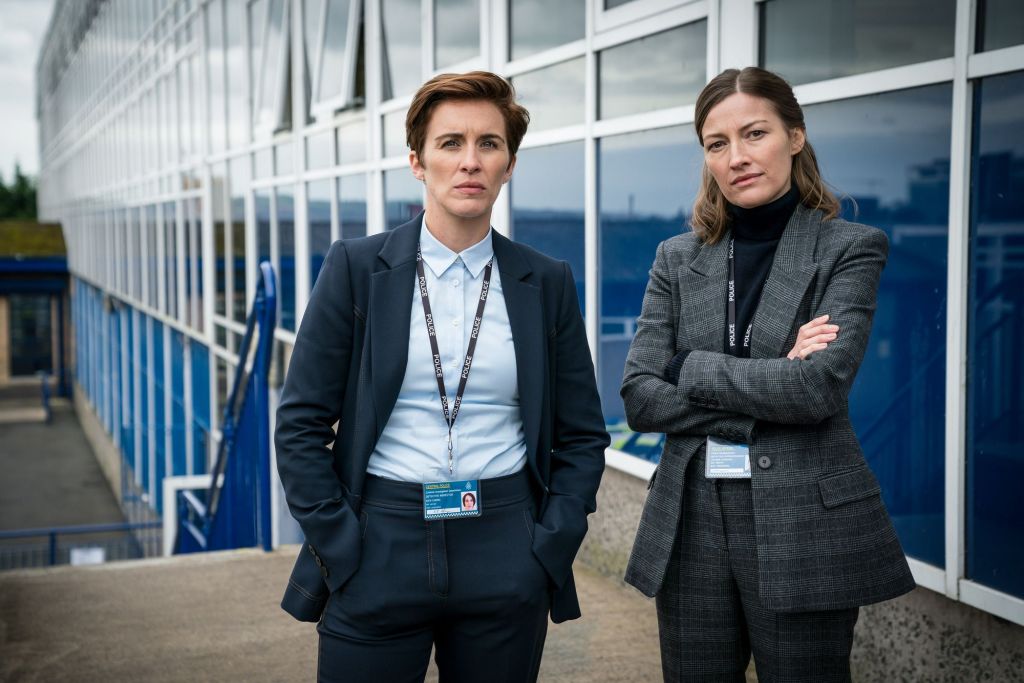
Line of Duty
If you haven’t seen Line of Duty – Jesus, Mary, Joseph and the wee donkey, where have you been?
LOD, written by Jed Mercurio (who also wrote Bodyguard) follows AC12, an anti-corruption unit investigating corrupt police officers. The show’s received critical acclaim (and became the UK’s highest rating TV show in 13 years at the end of season 6) and a large following for its intricate plot, strong performances, and realistic portrayal of police work. However, it has also been the subject of controversy due to its graphic depictions of violence and its portrayal of corrupt police officers.
Interesting how the central concept of police corruption has been both widely criticised and endlessly praised. True the violence is graphic, but the show’s creators have stated that they are trying to highlight the issue of police corruption and hold those responsible accountable. Some have argued that the show’s portrayal of corrupt police officers reinforces negative stereotypes.
The critics appear to be in the minority. Line of Duty remains was hugely popular and inspired countless memes, social media pages and debates. The show’s complex characters, intricate plotlines, and nuanced exploration of issues related to police corruption and ethics have made it a standout in the crowded field of crime dramas.
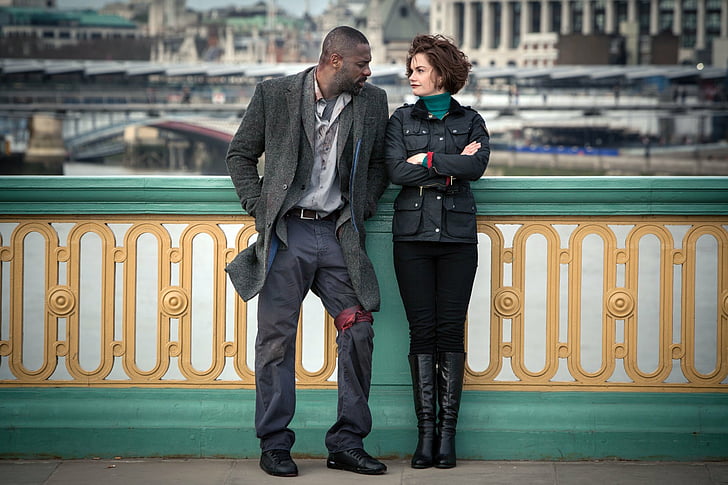
Luthor
Luther is another British crime drama both praised and criticised for its dark themes and portrayal of violence.
The show stars Idris Elba as DCI John Luther, a brilliant detective who struggles with his own demons and personal relationships while solving some of the most gruesome and twisted crimes in London.
The show doesn’t shy away from graphic and violent scenes, which some viewers have found disturbing and gratuitous. Critics have argued that the show glamorises violence, making it seem almost heroic at times. Others argue that the violence is necessary to accurately portray the gritty reality of police work.
Perhaps the most controversial aspect of “Luther” is its representation of mental health. DCI Luther suffers from various mental health issues, including depression and PTSD, themes explored in the show. Opinions on the representation of these issues are divided. Some argue that the show presents a negative view of mental health, portraying those who suffer from mental illnesses as dangerous and unstable. Others argue that the show is realistic in its depiction of the toll that police work can take on mental health.
However, “Luther” is popular and successful, with a dedicated fanbase, keeping viewers engaged with its complex characters, intense storylines and unpredictable twists.
USA Crime Series
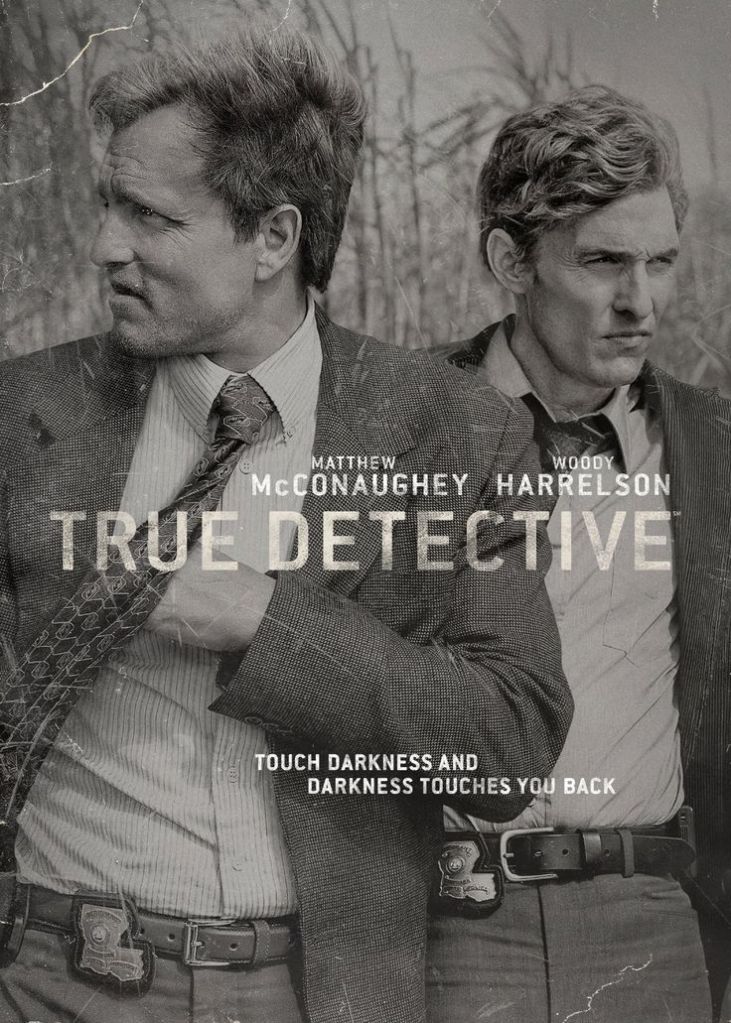
I’m starting with another favourite: True Detective.
True Detective is an American anthology crime drama television series that premiered on HBO in 2014. The series received critical acclaim for its complex storytelling, atmospheric cinematography, and the performances of its cast. Matthew McConaughey in particular is exceptional in season one.
One of the defining features of the show is its non-linear storytelling, with each season featuring multiple timelines woven together. The first season, in particular, received critical acclaim for its exploration of existential dread and the psychology of its characters.
The show’s beautiful cinematography captures the mood and atmosphere of each season. The first season, in particular, features stunning visuals that create a sense of foreboding and unease, and the use of long, uninterrupted takes and tracking shots also adds to the show’s immersive quality.
However, the show also drew criticism for its portrayal of women and its use of disturbing imagery. Some argued that the show’s female characters were underdeveloped and were either convenient plot devices or objects of male desire. In particular, the show’s treatment of the character of Maggie, played by Michelle Monaghan, drew criticism for reducing her to a stereotypical role as the long-suffering wife of a troubled detective.
Yet again, the show’s use of disturbing imagery, including scenes of graphic violence and sexual violence led to criticism. While some viewers found these scenes to be necessary to depict the show’s dark subject matter, others saw them as gratuitous and exploitative.
Maybe True Detective wasn’t perfect in its portrayal of women, but it remains a powerful and memorable exploration of the darker aspects of human nature.
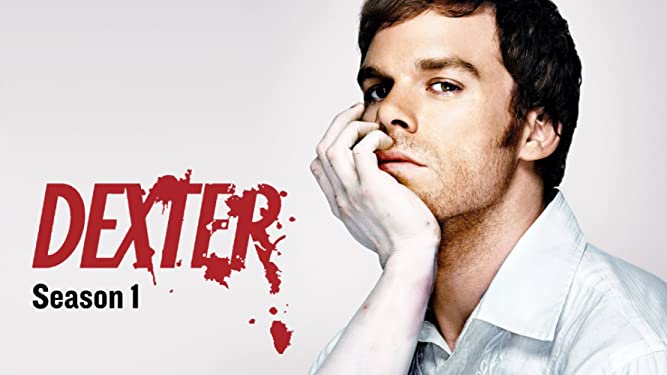
Dexter
Dexter has been both praised and criticised for its unique approach to crime television. The show’s protagonist, Dexter Morgan, is a complex and multi-faceted character who often struggles with his own morality and code of ethics. The show’s exploration of the psychology of a serial killer has been praised for its realism and its nuanced portrayal of mental illness.
The show’s been criticised for its glorification of violence (are you sensing a common thread here?) and its portrayal of serial killing as a kind of vigilante justice. Some have argued that the show romanticises and justifies Dexter’s actions, which include gruesome murders of other criminals.
Despite the controversy, Dexter hasn’t suffered, and remains a beloved and influential show within the crime genre. A spin-off mini-series aired in 2021-22, which sparked renewed interest in the show and its legacy.
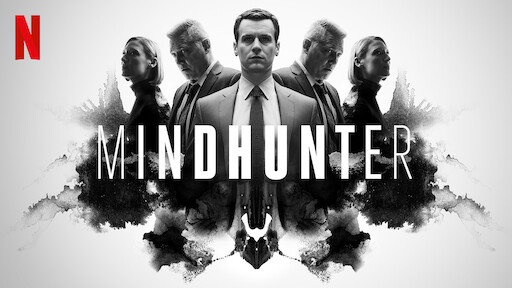
Mindhunter
This Netflix series follows two FBI agents who interview imprisoned serial killers to understand their psychology and solve ongoing cases. But does it glorify serial killers with its explicit depictions of murder and mayhem?
It’s not the first series to be criticised for presenting a distorted or unrealistic portrayal of serial killers, potentially glamorising or romanticising their actions.
But for others the show for is an insightful and thought-provoking exploration of criminal psychology which explores the complex relationships between law enforcement and the criminal underworld.
Mindhunter joins the ongoing debate about how crime and violence should be portrayed in popular media, along with the complex and often uncomfortable realities of investigating and confronting the darkest aspects of human behaviour.
Conclusion
Controversial crime shows have the power to push boundaries, start conversations, and challenge societal norms. However, they can also be divisive and raise ethical questions about the portrayal of real-life tragedies and marginalised groups. Regardless of the controversy, crime dramas, along with true crime shows and crime novels, are still hugely popular with audiences.
Thanks for taking the time to read this post. If you found it informative and entertaining, please consider sharing it with your friends and followers on social media. And if you have any feedback or suggestions for future topics, I’d love to hear from you in the comments below. Don’t forget to subscribe for more content and updates, or pop over to my newsletter page for more crime stuff, direct to your inbox every month.
As a lover of books and avid reader (and watcher) of popular fiction, I’ve always been fascinated by the power of storytelling. What is it that makes a story compelling? What are the elements that keep readers hooked from beginning to end? These are the questions that I hope to explore in this blog, by taking a closer look at some popular dramas, films and books.
Throughout this blog, I’ll be discussing some of the most effective storytelling techniques used by authors and drama producers to captivate their readers. From complex characters and intricate plots to immersive world-building and themes of moral ambiguity, I’ll delve into the elements that make these stories so engaging and thought-provoking.
To illustrate these storytelling techniques, I’ll be drawing on examples from some of the most popular works of fiction, and examine how the storytellers craft their stories, drawing us in with richly-drawn characters, unexpected plot twists, and themes that resonate on a deeper level.
Whether you’re a writer looking to improve your craft, or simply a reader looking for some insight into what makes a great story, I hope that you’ll find this blog to be a valuable resource. Let’s dive in and explore the art of storytelling in popular fiction!
The anatomy of a great story
What is it that makes a great story? While there’s no one-size-fits-all answer, there are a few key elements that tend to be present in some of the most memorable and impactful works of fiction. Here’s a closer look at the anatomy of a great story:
Compelling characters: Characters are the heart and soul of any story, and a great story typically features characters that are complex, relatable, and memorable. Whether they’re heroes, villains, or somewhere in between, great characters have flaws, desires, and motivations that drive the story forward.
Well-crafted plot: A great story needs a well-crafted plot that keeps readers engaged and guessing. The plot should be complex enough to keep people interested, but not so convoluted that it becomes confusing or overwhelming.
Immersive world-building: Whether the story takes place in a fictional world or a real-life setting, great stories feature immersive world-building that transports readers to another place and time. This can be achieved through richly-detailed settings, well-researched historical context, or even the creation of an entirely new world with its own rules and mythology.
Themes that resonate: The best stories have themes that resonate with readers on a deeper level, whether they’re exploring universal human experiences like love, loss, and redemption, or tackling weighty social and political issues. By exploring these themes in a thoughtful and nuanced way, a great story can leave a lasting impact on readers.
Writing that engages: Finally, a great story needs writing that engages and captivates readers from the very first sentence. Whether it’s through rich descriptive language, snappy dialogue, or a unique narrative voice, the writing should draw readers in and keep them turning the pages or clicking for the next episode.
Let’s have a look at some examples and why they’re so popular with readers and audiences.
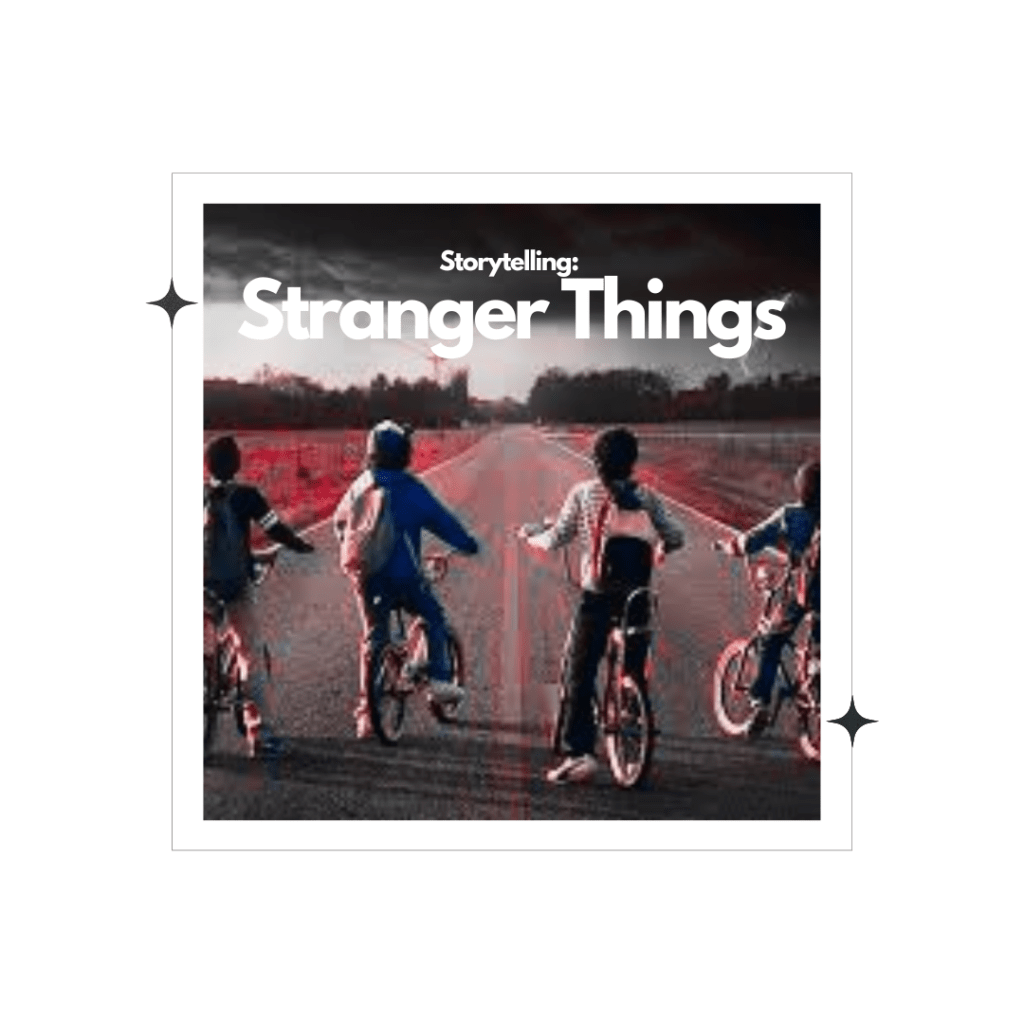
Stranger Things
“Stranger Things” has been a massive hit worldwide, and it’s not hard to see why. Let’s break down the anatomy of a compelling story and see how “Stranger Things” excels in each category:
Hook: The show starts with a bang, as we see a young boy mysteriously disappear, which immediately grabs our attention and makes us want to know what happens next.
Characters: The show features a diverse cast of beautifully developed and relatable characters, including a group of misfit kids who are the heart of the story. We become invested in these characters and their relationships, which makes the show emotionally engaging.
Conflict: The conflict in “Stranger Things” is both external and internal, with the characters facing threats from both a mysterious supernatural force and their own personal demons. This creates tension and drama, again keeping us engaged and emotionally invested.
Plot: The plot of “Stranger Things” is a masterclass in storytelling, weaving together elements of sci-fi, horror, and coming-of-age drama in a way that keeps us gripped. The stakes are high, and the urgency to solve the mystery and save the characters is palpable.
Theme: “Stranger Things” explores themes of friendship, family, loyalty, and the struggle to find where we fit in the world – universal themes we can all relate to. These themes are woven into the story in an organic and meaningful way, creating a deeper emotional connection with the audience.
Setting: The setting of “Stranger Things” is a vividly realised world that combines the nostalgia of the 1980s with a sense of supernatural danger lurking just beneath the surface.
Style: The show’s style is consistent and appropriate to its genre and tone, with a mix of horror, sci-fi, and coming-of-age drama that makes it unique.
“Stranger Things” brilliantly excels in all the elements of great storytelling. It has a strong hook, well-developed characters, meaningful conflict, a captivating plot, resonant themes, a vivid setting, and a strong sense of style. These elements work together to create a show that has enthralled us all and made it a cult phenomenon.
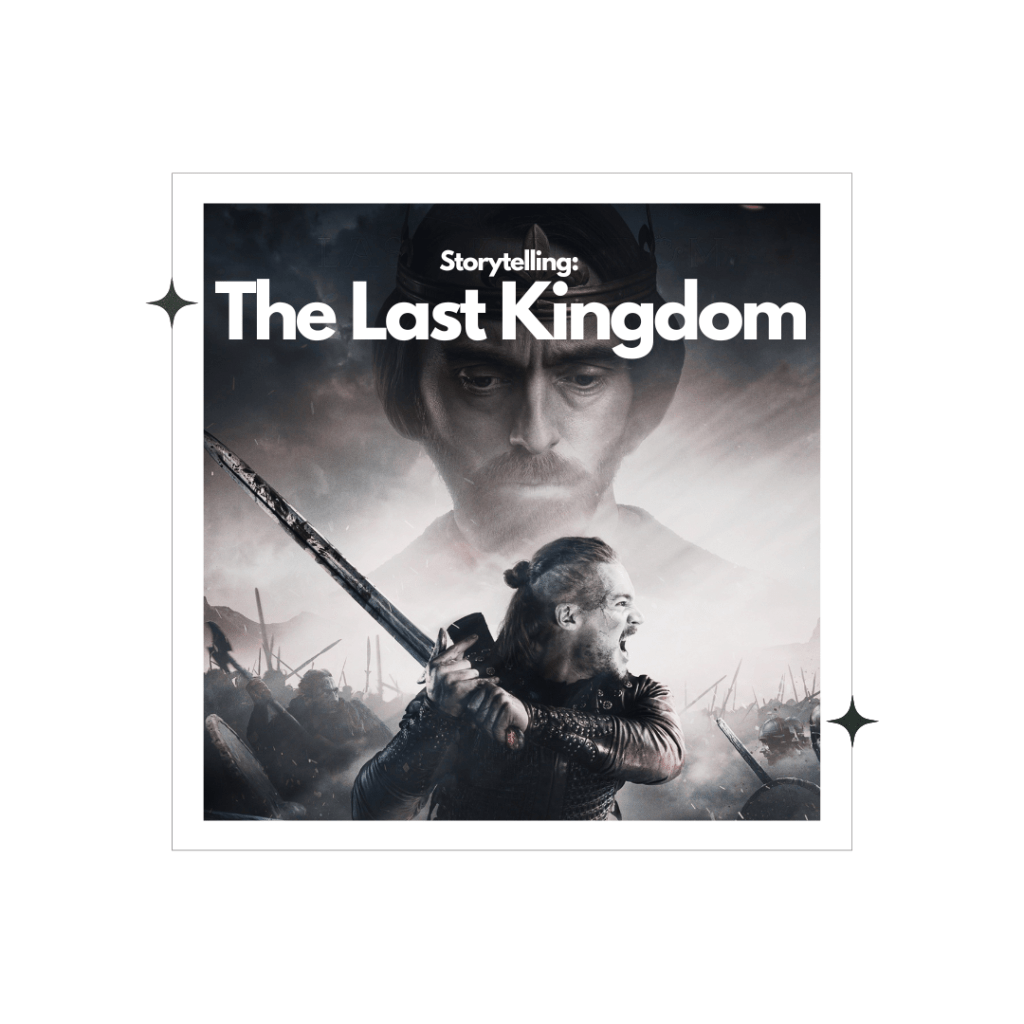
The Last Kingdom
The epically brilliant “The Last Kingdom” is hugely popular for its immersive storytelling, which is no surprise as it’s based on Bernard Cornwell’s The Saxon Stories. With ‘Seven Kings Must Die’ just hitting Netflix, let’s break down the anatomy of a compelling story and see how “The Last Kingdom” conquers every category:
Hook: The show starts with a compelling hook, as we see a young Saxon boy taken captive by the Danes and raised as one of their own. We’re immediately drawn into this story which continues to underpin the entire series.
Characters: “The Last Kingdom” features a diverse cast of complex and beautifully crafted characters, including the main protagonist, Uhtred of Bebbanburg. Uhtred is a skilled warrior, cunning strategist, and charismatic leader, all of which make him a formidable force in battle. But he’s reckless, impulsive, and stubborn too, often getting himself and others into trouble.
Despite these flaws, Uhtred is a relatable character as he struggles to reconcile his identity and find a sense of belonging. The relationship he forms with the other characters in the show are essential to his character development. His loyalty to his friends and family is unwavering, but his trust is hard-earned, leading to some emotionally charged scenes.
Conflict: The show is full of meaningful conflict, with Uhtred torn between his Saxon roots and his loyalty to the Danes who raised him. The politics and struggle for power between the various factions adds to the tension and drama, keeping the audience engaged and emotionally invested.
Plot: The plot of “The Last Kingdom” is intricately weaves together elements of historical drama and pacy action-adventure with quieter beats where we can catch our breath.
Theme: “The Last Kingdom” explores themes of identity, loyalty, and the struggle for power. The story seamlessly incorporates these themes in a genuine and significant, resulting in a stronger emotional bond with the audience.
Setting: The attention to detail in the setting of the show, recreating the time period and its cultural touchstones, is impressive and adds to the overall immersive experience.
Performance: Alexander Dreymon as Uhtred is as compelling in quiet, introspective scenes as he is in dramatic, action-packed moments. His ability to convey emotion with a glance or a subtle change in expression makes his portrayal of Uhtred all the more impressive.
For me though, the standout performance comes from David Dawson as King Alfred. His performance is a masterclass in subtlety and nuance and the scene showing his last meeting with Uhtred is simply stunning.
So, The Last Kingdom has every box ticked, which is obviously why it continues to pull huge audiences. If you haven’t seen it yet, I highly recommend it!
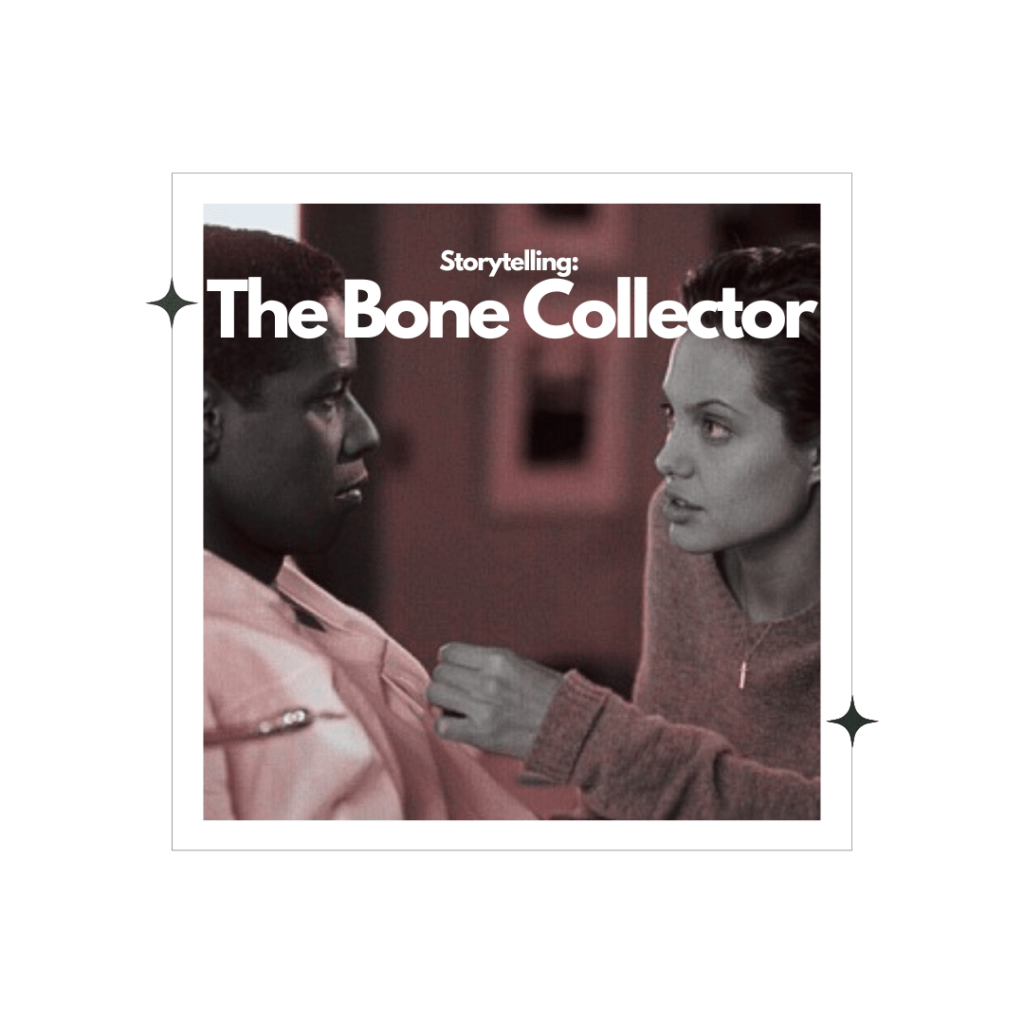
The Bone Collector
“The Bone Collector” by Jeffery Deaver is a crime thriller novel that follows the story of Lincoln Rhyme, a former NYPD forensic expert who is now a quadriplegic, and Amelia Sachs, a young patrol officer who discovers a victim of a serial killer. The novel follows the classic story anatomy of a crime thriller with a well-crafted plot, interesting characters, and twists and turns that keep the reader engaged.
Hook: The book starts with a high-stakes hook as a young patrol officer, Amelia Sachs, discovers a victim of a serial killer while on her beat in New York City. The victim’s body is grotesquely mutilated and this hook sets up the central mystery of the novel, immediately drawing the reader in.
Characters: The two main characters in the novel are Lincoln Rhyme and Amelia Sachs. Lincoln Rhyme is a former NYPD forensic expert who is now a quadriplegic, confined to his bed and able to move only his head and one finger. Despite his physical limitations, Rhyme is brilliant and his expertise is sought after by the police department. Amelia Sachs is a young patrol officer who discovers the first victim of the serial killer and becomes Rhyme’s eyes and ears on the ground as he helps her solve the case. The two characters are well-crafted and interesting, with their own unique personalities, strengths, and weaknesses.
Conflict: The central conflict in the novel is the hunt for the serial killer. The killer, known as “The Bone Collector,” is elusive and leaves behind few clues. Rhyme and Sachs must race against time to solve the case before he kills again. The tension is heightened by the fact that Rhyme is a quadriplegic and Sachs is often working alone, putting herself in danger.
Plot: The plot of the novel is tightly structured and keeps the reader engaged from start to finish. Deaver expertly weaves in twists and turns, keeping the reader guessing about the identity of the killer and the motivations behind the crimes. The pacing is excellent, alternating between moments of intense action and quieter scenes that allow the reader to catch their breath.
Theme: The novel explores themes of redemption, justice, and the consequences of one’s actions. The killer’s motivations are rooted in his own tragic past, and Rhyme and Sachs must grapple with their own demons as they try to stop him. The novel also examines the nature of obsession, both in the killer and in Rhyme himself, who is consumed by his work and his desire to catch the killer.
Setting: The setting of the novel is New York City and Deaver expertly captures the grittiness and energy of the city.
Writing style: Deaver’s writing style is fast-paced and engaging. He uses short chapters and cliffhangers to keep the reader hooked and delivers a satisfying conclusion that ties up all the loose ends.
Overall, “The Bone Collector” is a well-crafted crime thriller with a classic story anatomy that keeps the reader engaged from start to finish. With interesting characters, a tightly structured plot, and a well-crafted setting, it is easy to see why it has become a beloved classic of the genre.
Peaky Blinders
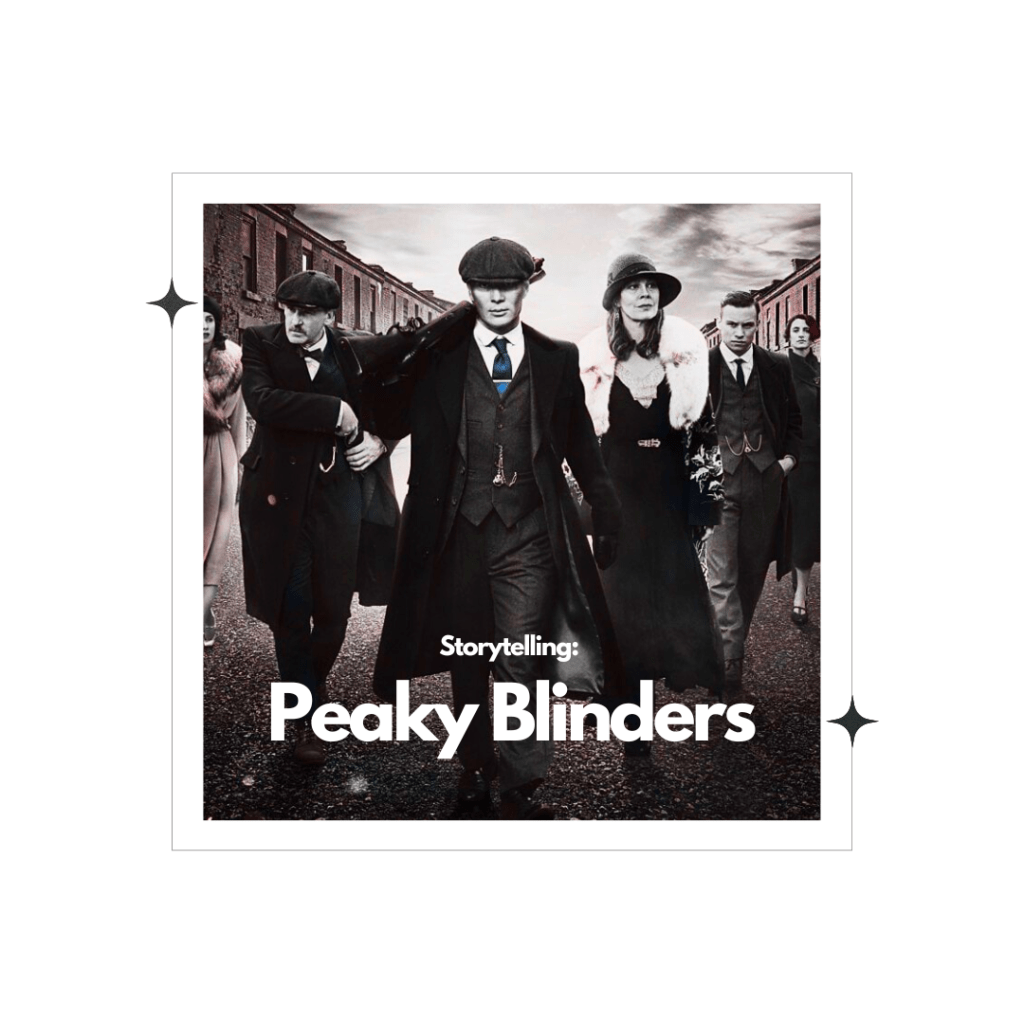
“Peaky Blinders” has become a fan-favourite due to its immersive and gritty portrayal of the criminal underworld in post-WWI Birmingham. The period crime drama masters all the elements of great storytelling – here’s how.
It starts with a gripping hook that immediately captures the audience’s attention and creates a sense of danger and tension. We quickly become emotionally invested in the diverse cast of complex characters with multifaceted personalities, motivations, and backstories.
The show is full of conflict, with the Peaky Blinders battling for control of their territory and facing off against rival gangs and corrupt officials. The stakes are high, and the danger is ever-present, keeping us fully engaged and braced for more action.
The plot is intricately woven, with multiple storylines and subplots that contribute to the larger narrative arc.
“Peaky Blinders” explores themes of power, family, loyalty, and the impact of war on society. These themes are woven into the story in a natural and resonant way, creating a deeper emotional connection with the audience.
The setting of “Peaky Blinders” is a vividly captures the gritty reality of post-WWI Birmingham, creating a unique style which blends period drama, crime thriller, and character study. The use of edgy music and cinematic visual imagery adds to the show’s overall atmosphere.
“Peaky Blinders” is another compelling masterclass in great storytelling with an effortlessly brilliant performance from Killian Murphy as main protagonist Tommy Shelby.
It’s a must watch!
Prime Suspect
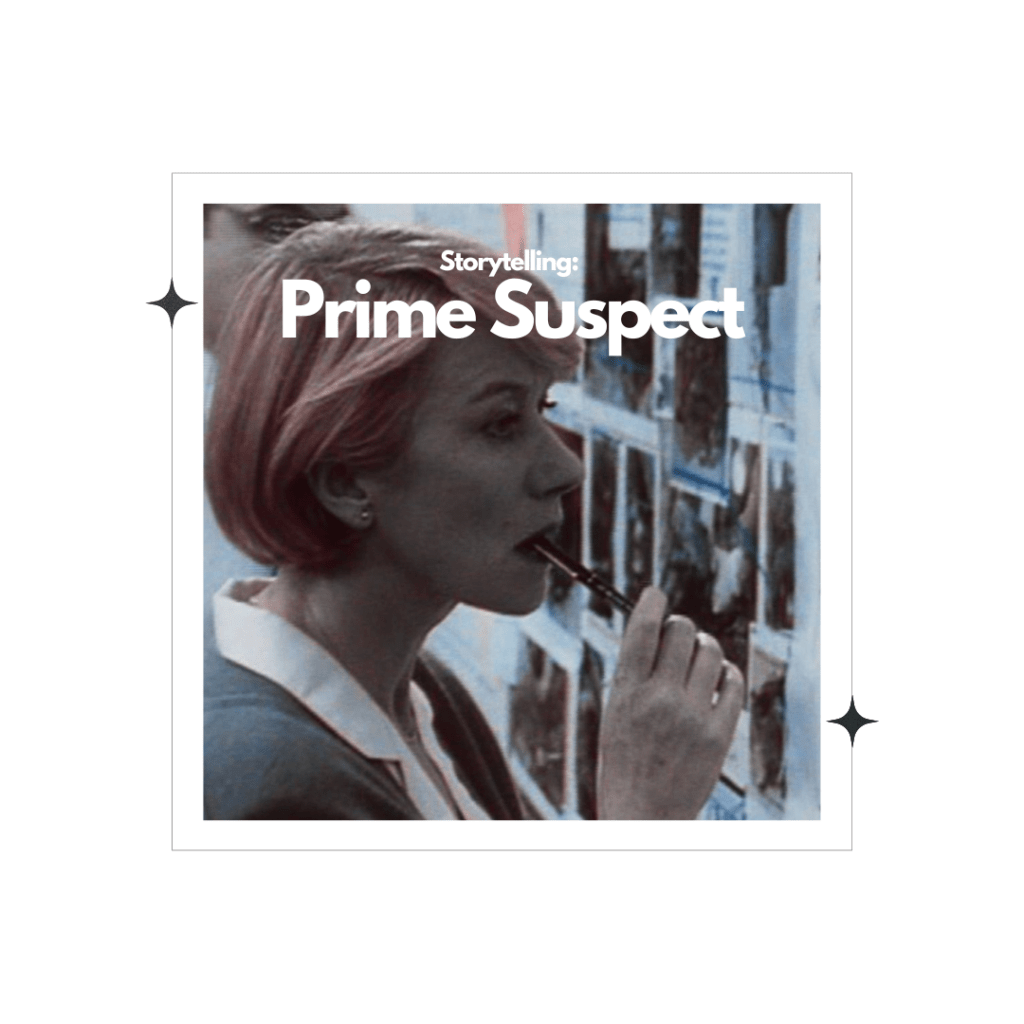
“Prime Suspect” is a crime drama television series that follows Detective Chief Inspector Jane Tennison as she navigates her male-dominated world while leading investigations into high-profile cases.
Hook: The series begins with the discovery of the murder of a young woman, which immediately grabs the audience’s attention and sets the stage for the rest of the season.
Characters: The main character, Jane Tennison, is a complex and flawed detective who faces sexism and hostility from her colleagues. She is determined to prove herself and is willing to take risks to solve cases. The supporting cast, including Tennison’s team and suspects in the investigations, are also well-developed and add depth to the story.
Conflict: The show is full of conflicts, both external and internal. Tennison must navigate the politics of the police department, deal with the pressures of high-profile cases, and confront her own personal demons. The investigations themselves are filled with twists and turns, keeping the audience engaged and guessing.
Plot: The plot is structured around the investigations, with each episode focusing on a new case or aspect of an ongoing investigation. The pacing is well-executed, with tense moments interspersed with quieter scenes that allow for character development.
Themes: The show explores themes of gender, power, corruption, and justice. The portrayal of sexism within the police department adds depth to the story and highlights the challenges faced by women in male-dominated professions.
Performance: Helen Mirren delivers a standout performance as Jane Tennison, bringing a mix of vulnerability and toughness to the role. The supporting cast also delivers strong performances, adding to the overall quality of the show.
“Prime Suspect” is a well-crafted crime drama that explores complex themes and features a strong lead performance from Helen Mirren.
Die Hard
Who doesn’t love ‘Die Hard’?! The iconic 1980s action film (is it a Christmas movie? – debate!) propelled Bruce Willis into action movie stardom and remains a favourite with audiences today.
Let’s have a look at the storytelling and how Die Hard reels us in.
Hook: The movie starts with a high-stakes hook as John McClane, a New York cop, arrives in Los Angeles to visit his estranged wife at her workplace, Nakatomi Plaza. The audience is immediately thrust into the action as a group of terrorists take over the building, trapping McClane inside.
Characters: The main character is a flawed but relatable hero. He’s a tough, wisecracking cop who’s also struggling with his personal life. The film’s villain, Hans Gruber, is a sophisticated and intelligent terrorist who provides a worthy opponent for McClane.
Conflict: The movie is full of action-packed conflict as McClane battles the terrorists and tries to save the hostages. The tension is heightened by the fact that McClane is alone and outmatched, and the stakes are raised as he races against time to save his wife and stop the terrorists from getting away with their plan.
Plot: The plot is tightly structured and keeps the audience engaged from start to finish. The film’s pacing is excellent, alternating between moments of intense action and quieter scenes that allow the audience to catch their breath. The story is also well-crafted, with several twists and turns that keep the audience guessing.
Theme: The film explores themes of heroism, sacrifice, and redemption. McClane is forced to confront his own shortcomings as a husband and a father while also saving the lives of strangers. The film’s theme of ordinary people rising to the occasion in times of crisis adds emotional depth to the story.
Setting: The setting of the movie, Nakatomi Plaza, is a character in its own right! The skyscraper’s towering height and luxury contrast sharply with the chaos and violence unfolding inside. The setting adds to the dramatic tension, creating a sense of claustrophobia and isolation.
Performance: Bruce Willis delivers a standout performance as John McClane, bringing a mix of humour, vulnerability, and toughness to the role. He is supported by a strong cast, including Alan Rickman as Hans Gruber, who brings delicious depth and nuance to the villainous role.
‘Die Hard’ has all the key components for great storytelling – action, pacing, relatable characters, and universal themes. It remains a beloved classic of the action genre and has influenced countless films that have followed in its footsteps.
Storytelling is an art form that has captivated readers for centuries. Whether you’re a writer seeking to craft compelling fiction, or a reader looking to dive into a great story, understanding the anatomy of a great story is essential. A great story is one that draws us in with immersive world-building, well-crafted plots, and memorable characters. It explores themes that resonate and leaves a lasting impression long after the final page has been turned. By mastering the art of storytelling and paying attention to the key elements that make up great stories, writers can create works of fiction that resonate with people on a deep level.
So, whether you’re a fan of mysteries, romance, science fiction, or any other genre, take a moment to appreciate the artistry of storytelling and the power of great stories to entertain, educate, and inspire.
Thanks for taking the time to read this post. If you found it informative and entertaining, please consider sharing it with your friends and followers on social media. And if you have any feedback or suggestions for future topics, I’d love to hear from you in the comments below. Don’t forget to subscribe for more content and updates, or pop over to my newsletter page for more crime stuff, direct to your inbox every month.
Crime fiction is a genre that has been popular for decades, captivating readers with thrilling tales of suspense, mystery, and intrigue. While human protagonists typically take centre stage in these stories, animals have also played a significant role in many works of crime fiction. From furry foes to sleuthing sidekicks, animals have been used in various ways to add depth and complexity to the genre.
Here’s an exploration of the use of animals in crime fiction, examining how they have been used to enhance storytelling, develop characters, and create unique and memorable narratives. So grab your magnifying glass and get ready to delve into the world of crime fiction and its four-legged (and feathered) accomplices!
Dogs
Let’s start with a classic: The “hound” in “The Hound of the Baskervilles”.
The “hound” is a central character and a crucial element of the novel’s plot, a legendary spectral dog that haunts the Baskerville family and is said to be responsible for the death of Sir Charles Baskerville.
The hound is used as a symbol of fear, superstition, and the supernatural, which plays an important role in creating the suspenseful and eerie atmosphere of the novel. The image of the hound is built up through descriptions of its terrifying appearance and the mysterious circumstances surrounding its supposed existence.
The hound also serves as a key plot device as the story progresses. Sherlock Holmes and Dr. Watson investigate the Baskerville family’s history and the curse of the hound, attempting to uncover the truth behind the supposed supernatural events. The hound is also used to create a sense of danger and tension in the novel’s climactic scenes. Its final appearance is a dramatic and frightening moment, providing a thrilling conclusion to the story.
The hound plays a vital role in “The Hound of the Baskervilles,” serving as a powerful symbol and a central plot device, contributing to the novel’s suspenseful and thrilling atmosphere.
Slight digression: the “hound” used in the film was a great dane called Blitzen. As a former great dane owner it tickles me that a dane was used to depict the ultimate scary beast. They’re the softest creatures in dogland!
Fiction (left) versus reality (right). My big softie Strider.
There are many examples of trusty canine sidekicks in crime fiction including Tara in the Andy Carpenter series by David Rosenfelt – a golden retriever owned by lawyer Andy Carpenter, who assists him in his investigations. In the Chet and Bernie mystery series by Spencer Quinn, Chet is a dog and the sidekick of private investigator Bernie Little.
Sleeping Dog, written by Dick Lochte, is considered a ground-breaking crime fiction novel, and the credit goes to Groucho, the missing dog that serves as the main plot device. Groucho’s abduction prompts a 14-year old girl named Serendipity to seek out the help of private investigator Leo Bloodworth in finding her beloved pet. The thrilling escapade that follows has become a classic in the genre, earning accolades such as the Nero Wolf Award, and being a finalist for the Shamus, Anthony, and Edgar Awards. Additionally, it has also been listed as one of the Independent Mystery Booksellers Association’s 100 favourite mysteries of the century.
Although Artie Deemer is the main protagonist in Dallas Murphy’s crime fiction series, it’s Jellyroll who steals the spotlight. This Edgar Award-winning series has made Jellyroll one of the most recognisable dogs in crime fiction, and even prompted death threats directed at the celebrity dog in Don’t Explain. With appearances on the big screen, television, and dog food packaging, Jellyroll is more of a “Bankroll,” given that his earnings finance Artie’s escapades.
Cats
Cats are inherently inquisitive, cunning and stealthy which makes them purrfect (sorry, couldn’t resist) slinky sleuths, particularly in cosy mysteries. They’re fearless and sassy and not afraid to dip their claws into the most dastardly of dark deeds.
Feline fact finders can be found in these cosies:
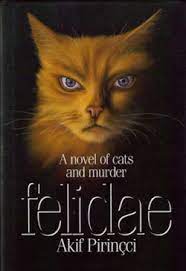
Cat Chase the Moon, Shirley Rousseau Murphy. Furmidable Foes, Rita Mae Brown. Cat in an Alphabet Endgame, Carole Nelson Douglas. A Cat on the Case, Clea Simon. Purrfect Murder, Nic Saint. The No. 2 Feline Detective Agency, Mandy Morton.
One of the most common symbolic uses of cats is to represent a sense of mystery or enigma. This is often seen in the way that cats are depicted as independent, aloof creatures who are difficult to read or understand. In this way, cats can be seen as a metaphor for the elusive and mysterious nature of crime itself.
Another common symbolic use of cats in crime fiction is to represent danger or evil. This is often seen in the way that cats are depicted as predators, stalking their prey and striking with deadly precision. In some cases, cats are even portrayed as being in league with the criminal underworld, acting as accomplices to the villains of the story.
On the other hand, cats can also be used to symbolise wisdom and intuition. In some stories, cats are portrayed as being able to sense danger or evil before it becomes apparent to humans. They are also sometimes shown as being able to guide the protagonist towards the solution of a crime through their intuition and keen sense of observation.
Cats are often associated with the supernatural and the occult, due to their nocturnal nature and their connection to witches and magic. This has led to cats being portrayed as both good and evil in various works of literature and media.
Overall, the symbolism of cats varies depending on the culture and context in which they are portrayed. However, some common themes include mystery, independence, agility, femininity, grace, and the supernatural.
Birds
Birds are used in crime fiction to represent different themes, depending on the type of bird. Owls, for example, represent wisdom and insight, and are often used as a symbol of the detective’s intelligence and analytical skills.
Crows and ravens, on the other hand, represent danger and foreboding, and are often used to create a sense of impending doom in the story. In Daphne du Maurier’s “Rebecca,” the sinister presence of crows and ravens around the Manderley estate creates a sense of foreboding and impending danger.
Horses
Horses have been used as a powerful symbol in literature, art, and mythology for centuries. The symbolism of horses can vary depending on the cultural context and the specific work of art or literature, but some common themes and interpretations include:
Strength and Power: Horses are often associated with strength, speed, and power. In many cultures, horses were used as a mode of transportation in warfare, and their strength and speed made them a valuable asset on the battlefield. In literature and art, horses are often depicted as powerful and majestic creatures, representing strength and endurance.
Freedom: Horses are also associated with freedom, as they are able to run and roam freely in open spaces. In literature and art, horses are often used as a symbol of freedom, representing the desire to break free from constraints and live a life of independence and adventure.
Spirituality and Mysticism: Horses represent spirituality and mysticism in some cultures. In Hindu mythology, for example, horses are associated with the sun and are seen as symbols of spiritual strength and power. In some Native American cultures, horses are seen as messengers between the physical world and the spiritual realm.
Loyalty and Friendship: Horses are also known for their loyalty and their close bond with their human companions. In literature and art, horses are often depicted as loyal and steadfast companions, representing the qualities of loyalty and friendship.
Death: In some cultures, horses are associated with death and the afterlife. In Norse mythology, for example, the god Odin was said to ride an eight-legged horse named Sleipnir that could carry him to the underworld. In some Native American cultures, horses were believed to carry the spirits of the dead to the afterlife.
In Dick Francis’s novel “Break In,” a horse trainer named Kit Fielding becomes involved in a series of crimes related to the racing industry. The novel features several scenes of horse racing and training, and the horses themselves play a key role in the plot.
Michael Connelly’s “The Black Echo,” also features horses when LAPD detective Harry Bosch investigates a murder that appears to be linked to a group of horse thieves. The novel features several scenes set in the world of horse racing, and the stolen horses play a key role in the plot.
Snakes
Snakes have been used as symbols in fiction to represent various ideas and concepts, including:
Evil or temptation: Snakes are often associated with the devil or other dark, malevolent forces in many cultures, and are used to represent temptation, corruption, and evil in literature.
Transformation and rebirth: In some cultures, snakes are seen as symbols of transformation and renewal, shedding their skin and emerging as a new, transformed being. This idea is often used in literature to represent personal growth or spiritual enlightenment.
Deception or trickery: Because snakes are often associated with cunning and stealth, they are also used in literature to represent deception or trickery. For example, in Shakespeare’s “Macbeth,” the witches who prophesy Macbeth’s rise to power compare him to a snake.
Danger and threat: Snakes are also seen as symbols of danger and threat, due to their venomous nature and reputation as predators. In literature, snakes are often used to create a sense of danger or foreboding, or to represent an ominous presence.
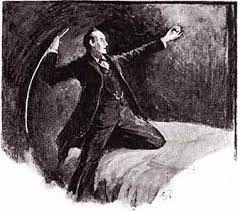
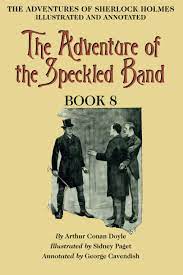
In Arthur Conan Doyle’s “The Adventure of the Speckled Band,” a speckled band is revealed to be a venomous snake that is used as a murder weapon. The snake is a key element in the mystery, and its deadly nature represents the danger that threatens the characters.
“The Speckled Band” is a classic locked-room mystery that deals with the themes of parental greed, inheritance and freedom. Tinged with Gothic elements, it is considered by many to be one of Doyle’s finest works, with the author himself calling it his best story.
Insects
Insects have been used as symbols in fiction to represent various ideas and concepts, including:
Transformation and metamorphosis: Insects, particularly butterflies and moths, are often used to represent the idea of transformation and metamorphosis.
Decay and death: Insects are also associated with decay and death, as they are often found around decomposing matter. In literature, insects are used to represent the inevitability of death and the transience of life.
Repulsion and disgust: Because insects are often seen as creepy, crawly, and repulsive, they are also used in literature to create a sense of revulsion and disgust. Insects can be used to represent the ugliness or darkness within characters, or to create an unsettling atmosphere.
Persistence and resilience: Insects are known for their persistence and resilience, and are often used in literature to represent these qualities.
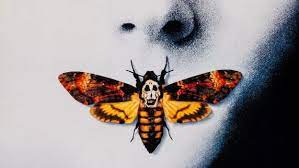
In Thomas Harris’s “The Silence of the Lambs,” the character of Jame Gumb, also known as “Buffalo Bill,” has a death’s head moth as a significant symbol.
The death’s head moth is a symbol of transformation and metamorphosis, as it goes through several stages of development before emerging as a fully-formed adult. In the novel, this symbol represents the transformation that Gumb seeks to achieve through his gruesome crimes, as he is attempting to create a “woman suit” to wear as a means of becoming someone else entirely.
The moth symbol in “The Silence of the Lambs” serves to underscore the theme of transformation and metamorphosis, and highlights the disturbing nature of Gumb’s obsession with changing his own identity.
In conclusion, animals have played a significant role in many works of crime fiction, adding depth and complexity to the genre. Dogs have been used as both fearsome foes and loyal sidekicks, contributing to the suspenseful atmosphere and aiding the protagonists in their investigations. Cats, on the other hand, have been portrayed as elusive and mysterious creatures, representing both danger and wisdom, and their connection to the supernatural adds an element of intrigue to many stories.
Animals have proven to be a valuable asset in enhancing storytelling, developing characters, and creating unique and memorable narratives in crime fiction.
Thanks for taking the time to read this post. If you found it informative and entertaining, please consider sharing it with your friends and followers on social media. And if you have any feedback or suggestions for future topics, I’d love to hear from you in the comments below. Don’t forget to subscribe for more content and updates, or pop over to my newsletter page for more crime stuff, direct to your inbox every month.
From ancient myths to modern blockbusters, storytelling has been a fundamental part of human culture for thousands of years. We love to hear stories, whether they’re told around a campfire, read in a book, or watched on a screen. But why do stories captivate us so much? What is it about a good tale that can transport us to another world, evoke strong emotions, and leave a lasting impression?
In this blog post, I’m going to look at the psychological and cultural reasons why humans are drawn to stories and why they continue to be such a powerful force in our lives.
Reading stories with my mum is one of my earliest and most cherished memories and I love writing stories for my daughters (see pic – my debut, in glorious A5 printer paper!)
From an early age, long before we can read, we’re immersed in stories. Initially we’re engaged by the repetition of sounds and patterns which promotes brain development and imagination, develops language and emotions, and strengthens relationships. We have a need for emotional connection and stories allow us to gain a deeper understanding of other people’s experiences, in a memorable and immersive way.
Throughout history, humankind has used stories to share information. Stories can elicit change, warn or teach important concepts, or simply entertain us. We might laugh or cry, feel anxious or angry with the characters we’ve invested in, and any of these provide a powerful emotional connection.
The science bit
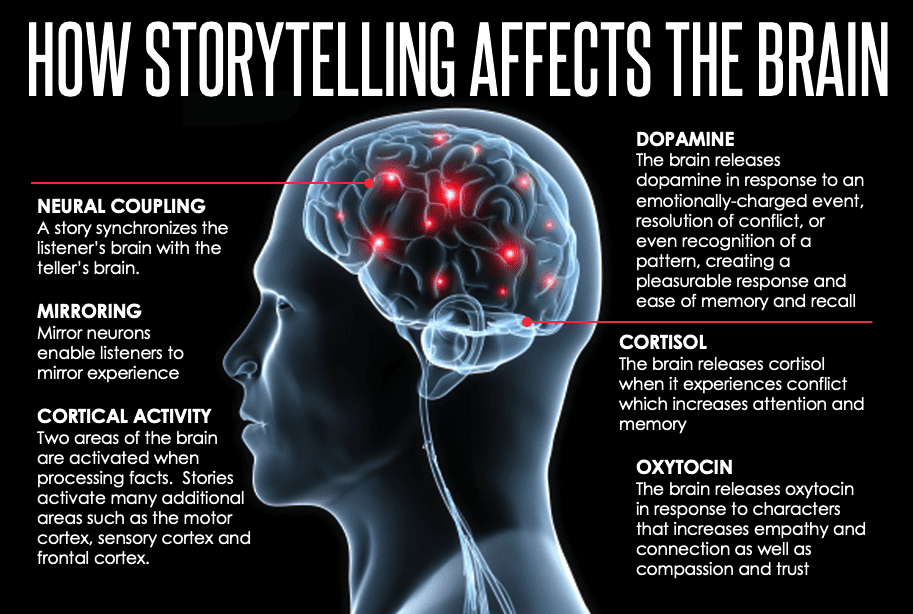
As a storyteller, I find this fascinating, and so is the science bit. ‘Narrative progression’ as it’s called, feeds our brains. Being engrossed in a book or movie stimulates our senses and cause measurable reactions in our brain’s chemistry. Dopamine makes us feel motivated and focused, oxytocin (the ‘love chemical’) promotes feelings of trust and bonding, while endorphins give us a positive buzz.
Image credit: Pamela Rutledge
The two parts of our brain most engaged by stories are the prefrontal cortex and the amygdala. The prefrontal cortex is the area of the brain responsible for cognition and understanding. As we follow a story, it absorbs the information and commits it to short-term memory. The amygdala, however, is responsible for emotion and long-term memory. As our prefrontal cortex receives information, the amygdala essentially “codes” the information based on the emotion we feel, which aids the processing of long-term memories. Both areas of the brain are essential to deep learning and recall.
What makes a good storyteller?
Think about anyone you know who you’d describe as a good storyteller, someone at work or a friend. What makes them so engaging? Chances are they use relatable characters, intriguing plot, emotional connection and a satisfying conclusion, mingled together to create a cocktail of all those chemicals.
As readers, we naturally search for something in characters which we can relate to. It enhances our experience of the narrative and the feeling of trust and empathy can give us a quick dose of oxytocin. The ‘hero’s journey’ from adversity to triumphant success is a familiar trope used by storytellers and forms the backbone of many great stories. The journey from adversity to triumph fires up all the chemicals in our brains and gives us that ‘feel good’ feeling. Subconsciously we search for an emotional connection and without it even a good story might not be committed to memory.
What about happy endings? Again, many great stories lead us to a satisfying conclusion, which gives us another dose of feel good as all loose ends are tied together and the hero or heroine triumphs. If we don’t experience this pay-off, we can be left feeling cheated or disappointed. Think of that series you invested hours in, where the big reveal at the end is more of a limp fob-off. It’s devastating!
Storytelling is critical in our learning process. It aids our engagement with a subject and our retention of information.
Can you use storytelling in business?
Storytelling is just as important in business too, and it doesn’t matter how dry the subject is.
A few years ago I worked as an actor on a commercial project for a battery manufacturer. The client had asked a video production company ABF, to create a training video on battery safety for its employees. ABF presented a concept which went on to win awards and was a wonderfully creative and innovative interpretation of the brief.
They told a story.
The video was shot like a mockumentary and showed a group of employees going through a series of training sessions. They had characters (the employees), plot and conflict (the training sessions) emotional connection (the employee and trainer relationships) and a satisfying conclusion (everyone passed the training, with a hint of romance thrown in). They created a training tool which people enjoyed and engaged with. It entertained, took people on a journey and helped with their learning.
Humans love stories because they are the framework of our perception. Stories can change our minds, make us feel something new, win our hearts. We react deeply to stories when they communicate information in a primal, insightful way and it’s what we’re looking for when we browse the bookshelves, choosing our next read or when we’re trawling through Netflix.
Some stories have a huge impact on us and can change our perception of society. Here are a few examples of stories that have had a big impact on people’s lives:
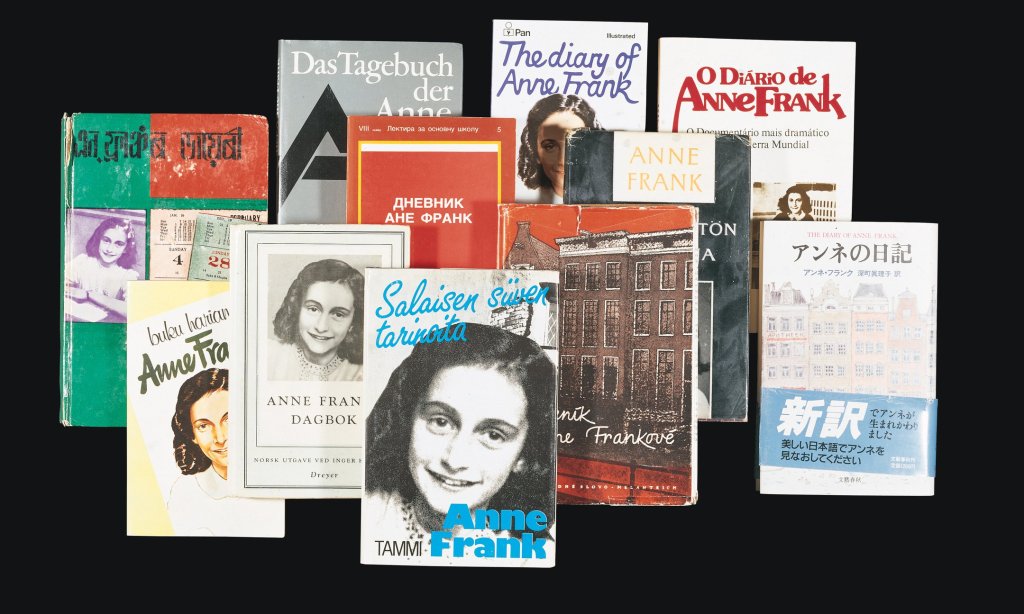
The Diary of Anne Frank: This book, which chronicles the experiences of a young Jewish girl during World War II, has been a powerful tool for teaching empathy and tolerance to generations of readers. Many people credit Anne’s story with helping them better understand the horrors of the Holocaust and the importance of standing up against hatred and discrimination.
To Kill a Mockingbird: Harper Lee’s classic novel, which explores issues of race, justice, and morality in the American South, has been hailed as a powerful tool for promoting empathy and understanding. Many people credit the book with helping them see the world through a different lens, and inspiring them to take action against injustice in their own communities.
The Fault in Our Stars: This novel by John Green, which tells the story of two teenagers with terminal illnesses who fall in love, has been a powerful source of inspiration and comfort for many people dealing with illness or loss. Readers have praised the book for its honest portrayal of the challenges of living with a serious illness, and its message of hope and resilience in the face of adversity.
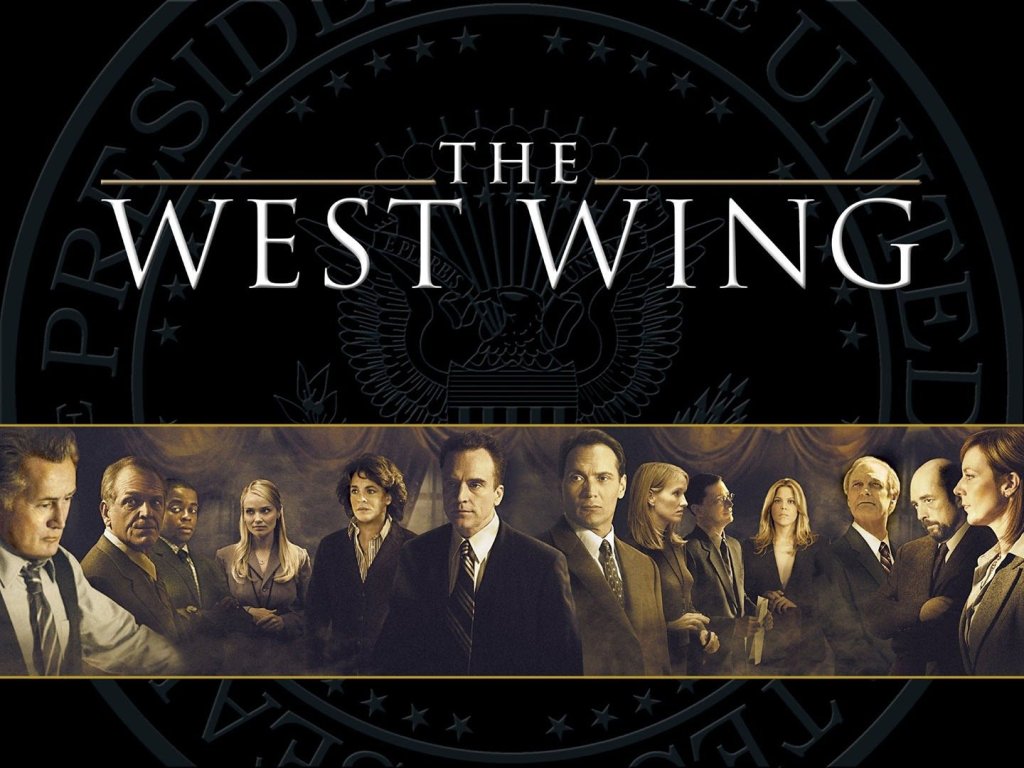
The West Wing: This TV show, which aired from 1999-2006, has been credited with inspiring a new generation of young people to get involved in politics. The show, which follows the staff of the fictional White House under President Jed Bartlet, has been praised for its smart writing, engaging characters, and optimistic portrayal of the political process.
Personal stories can be incredibly powerful in inspiring people to take action or make a change in their own lives. For instance, hearing the story of someone who overcame addiction or achieved a lifelong dream can be incredibly inspiring, and may motivate others to pursue their own goals and aspirations.
Stories have been a fundamental part of human culture and communication for thousands of years. As human beings, we are naturally drawn to narratives because they help us make sense of the world around us and understand ourselves and others better.
Stories have the power to move us emotionally, inspire us to take action, and connect us with others on a deeper level. Whether it’s a classic novel, a movie, or a personal anecdote, stories can transport us to different times, places, and perspectives, and help us gain new insights and perspectives.
So, the next time you find yourself captivated by a story, remember that you’re not alone – people have been fascinated by storytelling for generations, and it’s one of the things that makes us uniquely human.
Thanks for taking the time to read this post. If you found it informative and entertaining, please consider sharing it with your friends and followers on social media. And if you have any feedback or suggestions for future topics, I’d love to hear from you in the comments below. Don’t forget to subscribe for more content and updates, or pop over to my newsletter page for more crime stuff, direct to your inbox every month.

























 Wendy Turner-Hargreaves