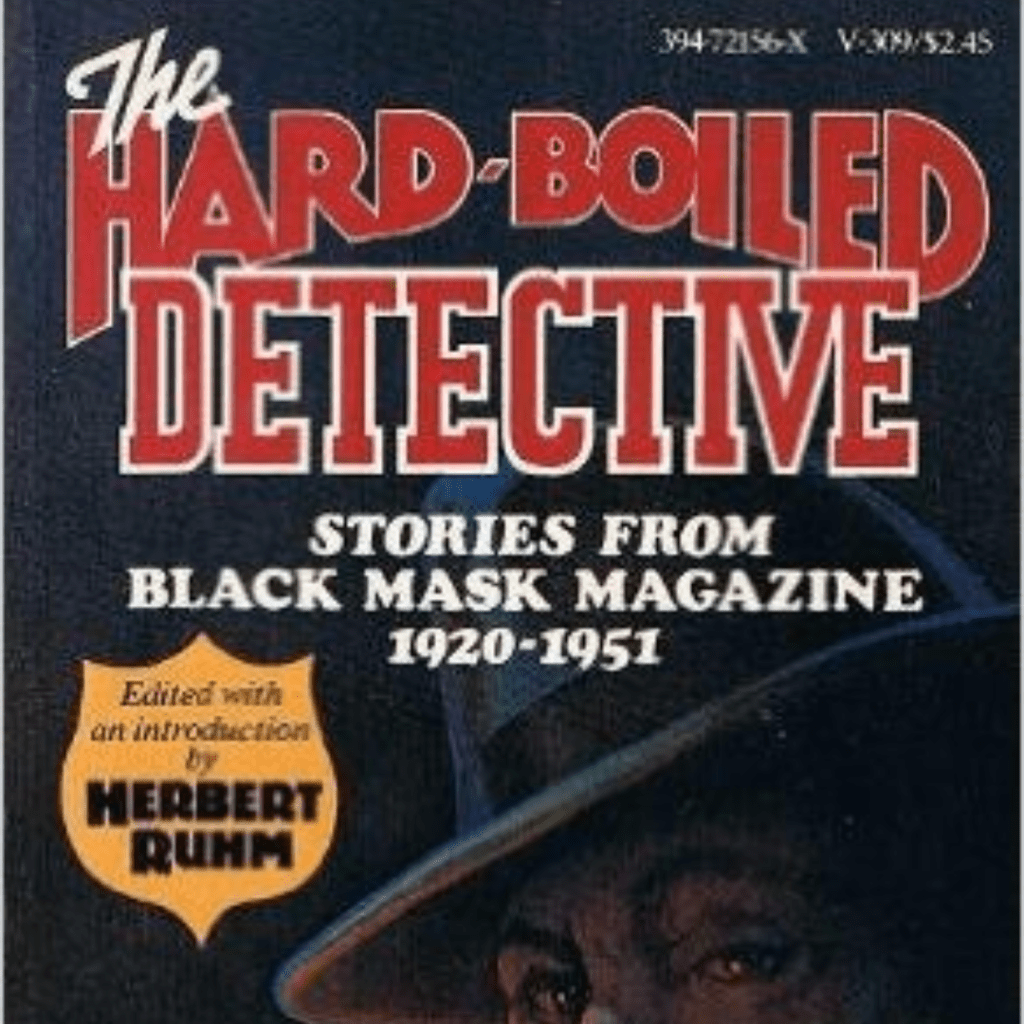
The hard-boiled detective genre is a staple of crime fiction, known for its gritty, cynical, and often violent portrayals of detectives and private investigators. It emerged in the early 20th century and has since become one of the most enduring and popular subgenres of crime fiction. In this blog post, we’ll take a closer look at the history of the hard-boiled detective genre, exploring its origins, evolution, and enduring appeal.
Origins of the genre
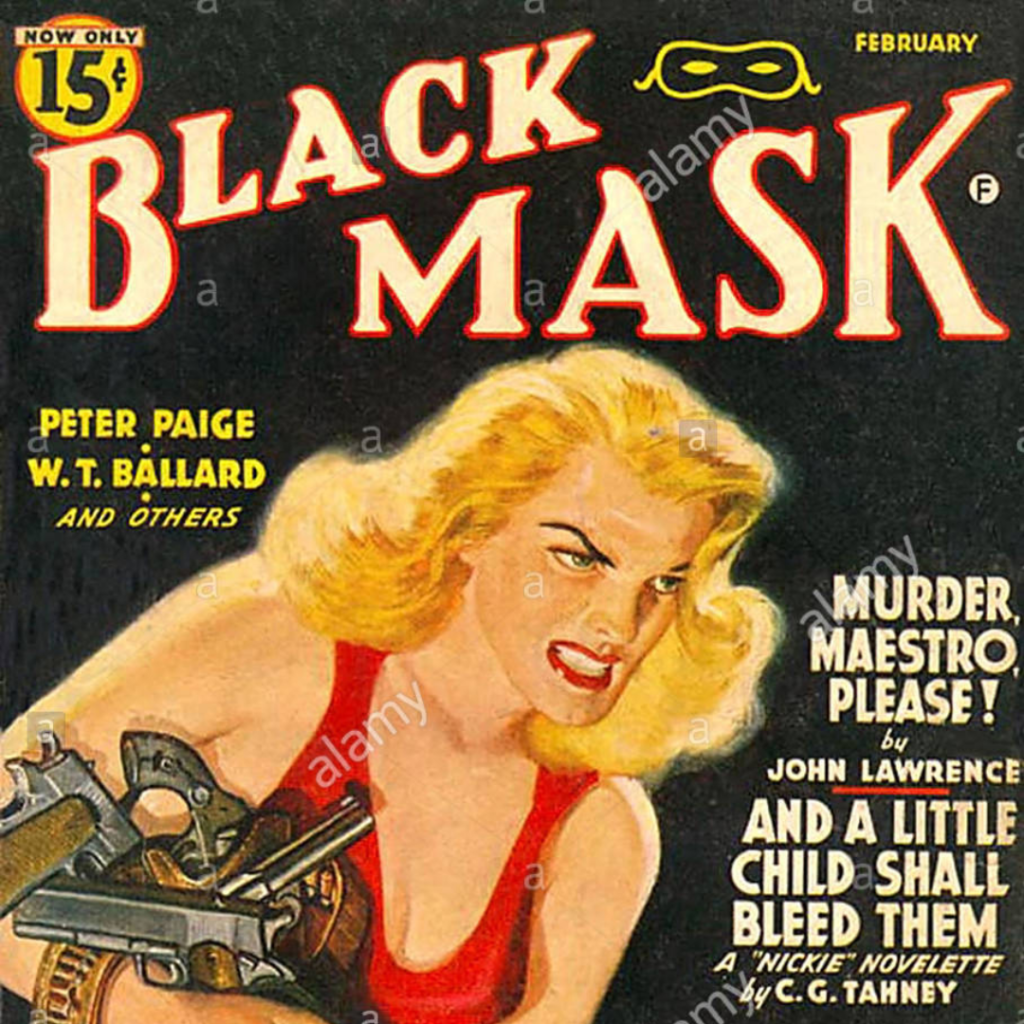
The origins of the hard-boiled detective genre can be traced back to the pulp magazines of the 1920s and 1930s. These magazines featured cheap, pulp paper and were printed in large numbers, making them accessible to a wide audience. They were known for their sensational and often lurid content, featuring stories about crime, adventure, and the supernatural.
One of the most popular genres in these pulp magazines was the detective story, which featured a tough, no-nonsense detective who solved crimes through a combination of wit, skill, and brute force. These detectives were often flawed, with a hard exterior that concealed a deep sense of humanity and morality. They were also typically depicted as loners, working outside the law and answering only to their own sense of justice.
Examples of novels in this genre
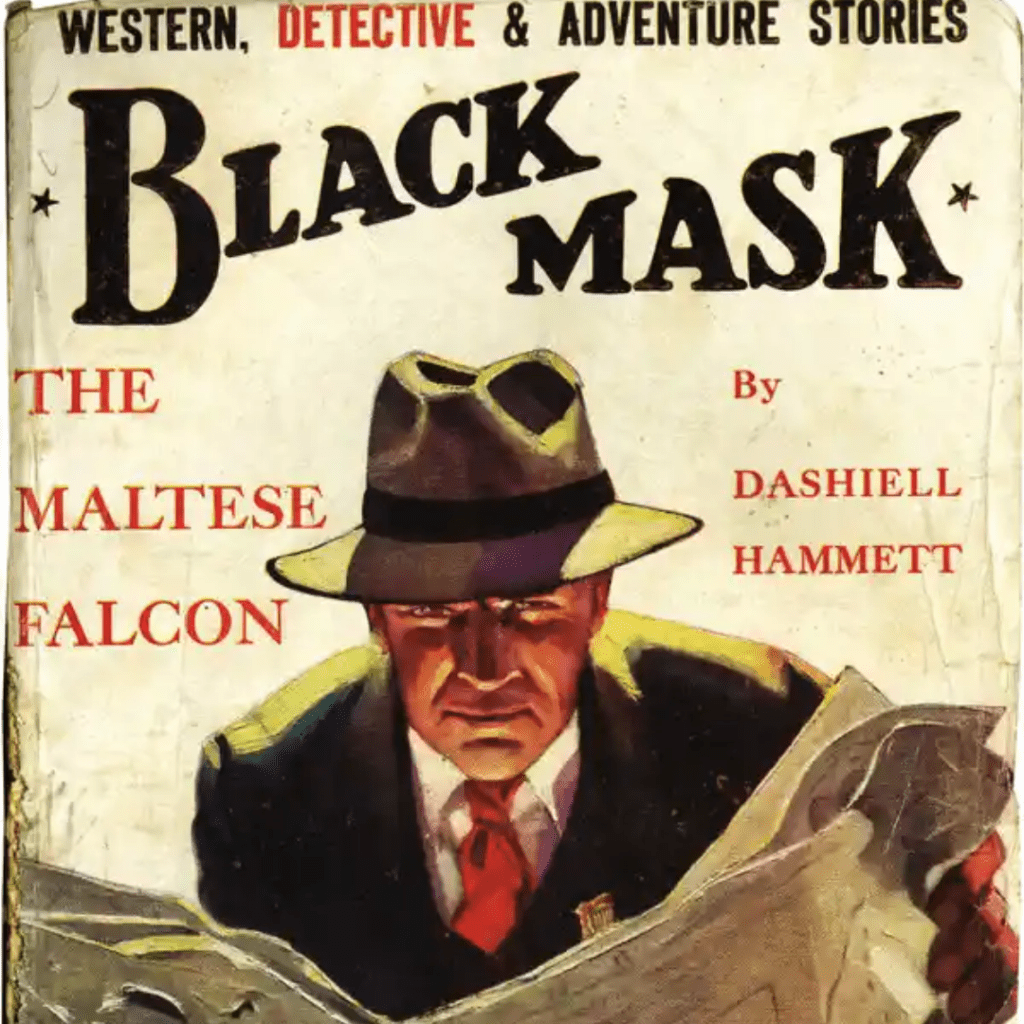
Sam Spade, the protagonist of Dashiell Hammett’s “The Maltese Falcon,” is a tough private investigator who operates outside the law and is willing to use violence to achieve his goals. He’s also deeply conflicted about his relationship with his partner’s widow, leading to a complex and morally ambiguous character.
Mike Hammer, created by Mickey Spillane, is a no-nonsense detective who is willing to use his fists to get the information he needs. He’s also deeply traumatized by his experiences in World War II, leading to a darker and more introspective character.
Philip Marlowe, the protagonist of Raymond Chandler’s “The Big Sleep” and other novels, is a wisecracking private investigator who is known for his quick wit and sharp tongue. He’s also deeply cynical about the corrupt society he inhabits, leading to a character who is both tough and emotionally complex.
These characters embody many of the traits of the hard-boiled detective genre, including their tough exterior, their willingness to use force, and their deep sense of morality and justice. They’re also deeply flawed and complex characters, grappling with their own traumas and demons as they navigate the seedy underworld of crime and corruption.
The hard-boiled detective genre was popularised by writers such as Dashiell Hammett and Raymond Chandler, who brought a new level of literary sophistication to the genre. Hammett’s novels, such as “The Maltese Falcon,” featured complex characters, intricate plots, and a heightened sense of realism. Chandler’s novels, such as “The Big Sleep,” took the genre in a more literary direction, with poetic prose and vivid descriptions of the seedy underbelly of Los Angeles.
Film Noir
With the rise of film noir, the hard-boiled detective genre reached the height of its popularity in the 1940s and 1950s.
Film noir is a cinematic term that refers to a specific style of filmmaking that emerged in the 1940s and 1950s, particularly in Hollywood. The term “film noir” itself is French for “black film” or “dark film,” reflecting the often dark and shadowy visual style of these films. While film noir is primarily associated with crime dramas, it encompasses a broader range of genres, including thrillers, mysteries, and even some melodramas.
It’s worth a deeper look into the characteristics of film noir. You can see how it became the ideal format for hard-boiled crime fiction.
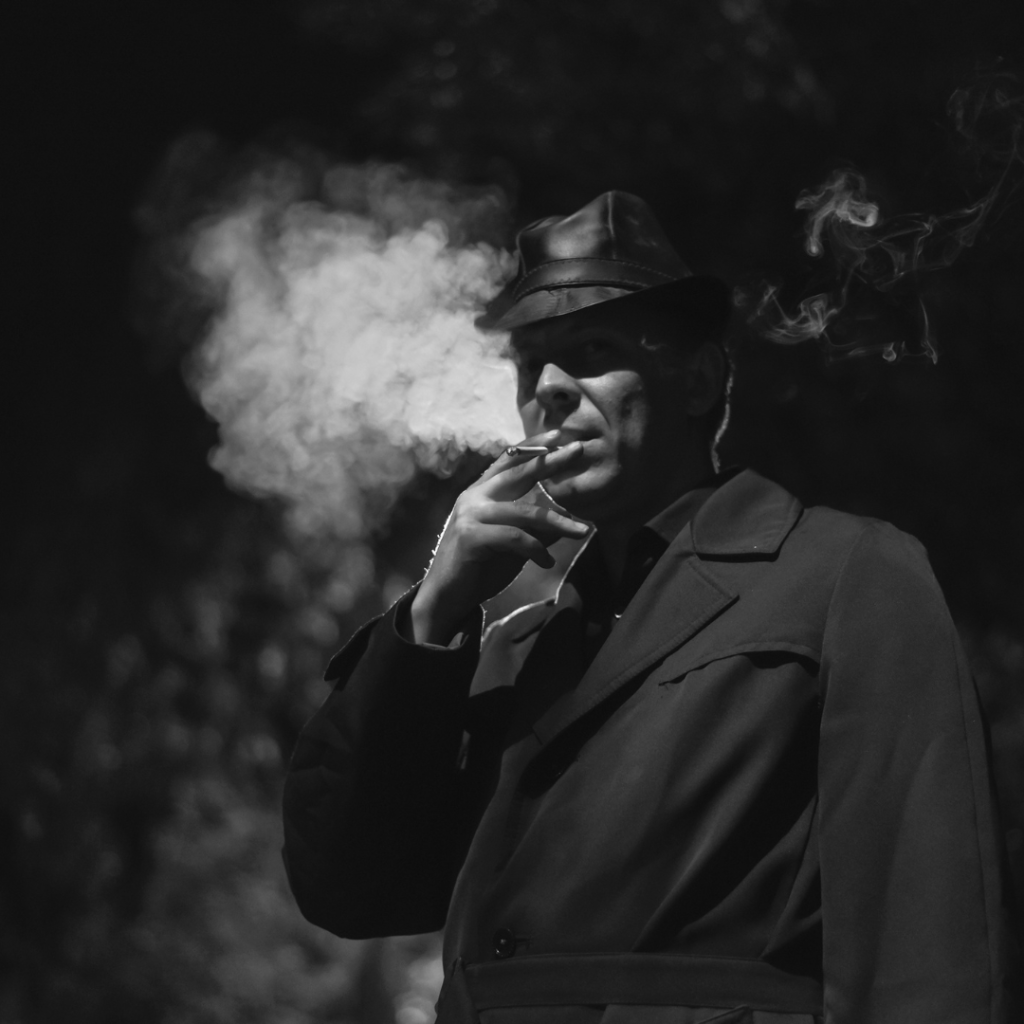
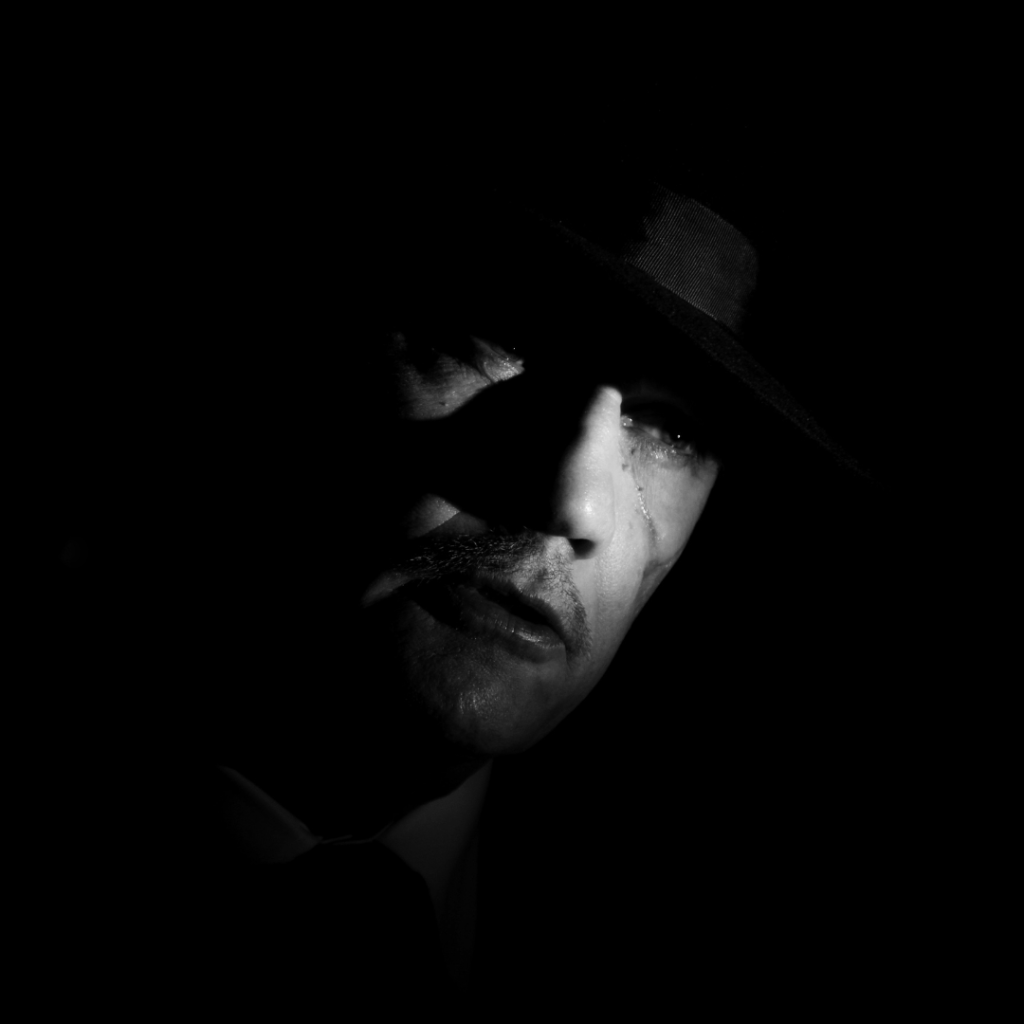
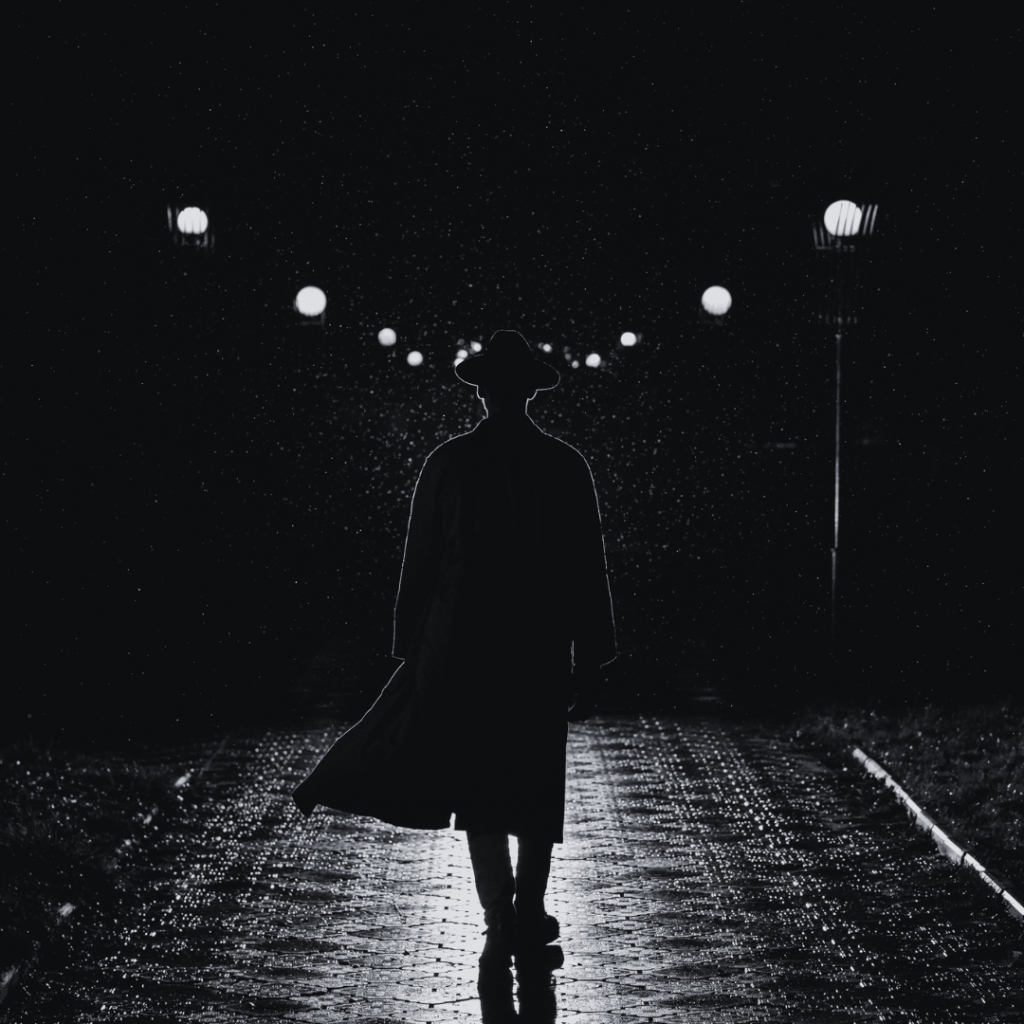
Film noir is known for its distinctive visual style, characterised by high contrast lighting, deep shadows, and chiaroscuro effects. The use of low-key lighting often creates a moody and atmospheric look, with scenes frequently taking place at night or in dimly lit environments.
Many film noir stories are set in urban environments, often depicting the seedy underbelly of cities. Dark alleys, nightclubs, and urban landscapes contribute to the overall sense of mystery and danger.
Film noir often explores moral ambiguity, with protagonists who may be morally conflicted or antiheroes. Characters are frequently caught in a web of crime, deception, and betrayal, and the distinction between good and evil is often blurred.
Femme fatales are a common archetype in film noir. These female characters are often mysterious, alluring, and dangerous, leading the male protagonists into morally compromising situations.
Many film noir stories are influenced by hard-boiled crime fiction. The narratives often involve crime, detective work, and the exploration of the darker aspects of human nature. They often featured detectives and private investigators who were flawed, cynical, and deeply human.
Film noir uses a range of cinematic techniques, including Dutch angles, deep focus shots, and inventive camera angles. These techniques contribute to the overall visual and thematic impact of the films.
So, film noir is the perfect cinematic format for hard-boiled fiction due to its ability to visually and thematically amplify the gritty and morally complex nature of hard-boiled narratives.
Why has the hard-boiled detective genre remained so popular over the years?
Part of its appeal lies in its depiction of a world that is tough, gritty, and uncompromising. It’s a world where justice is hard-won and morality is never black and white. But it’s also a world where there is still hope, where the human spirit endures despite the odds.
Hard-boiled fiction often delves into social issues such as corruption, inequality, and crime in society. Readers appreciate stories that use the genre as a lens to explore and critique the darker aspects of the human experience.
The genre has a strong cinematic appeal, with many iconic films adapting these gritty narratives. The visual elements, film noir aesthetics, and tough dialogue contribute to the genre’s enduring popularity across different storytelling mediums.
Hard-boiled fiction often delves into social issues such as corruption, inequality, and crime in society. Readers appreciate stories that use the genre as a lens to explore and critique the darker aspects of the human experience.
Readers often admire the resilience of hard-boiled protagonists who face adversity head-on. The ability of these characters to navigate through challenging circumstances and emerge, if not unscathed, then wiser, creates a sense of catharsis for readers.
Contemporary Hard-Boiled Detectives
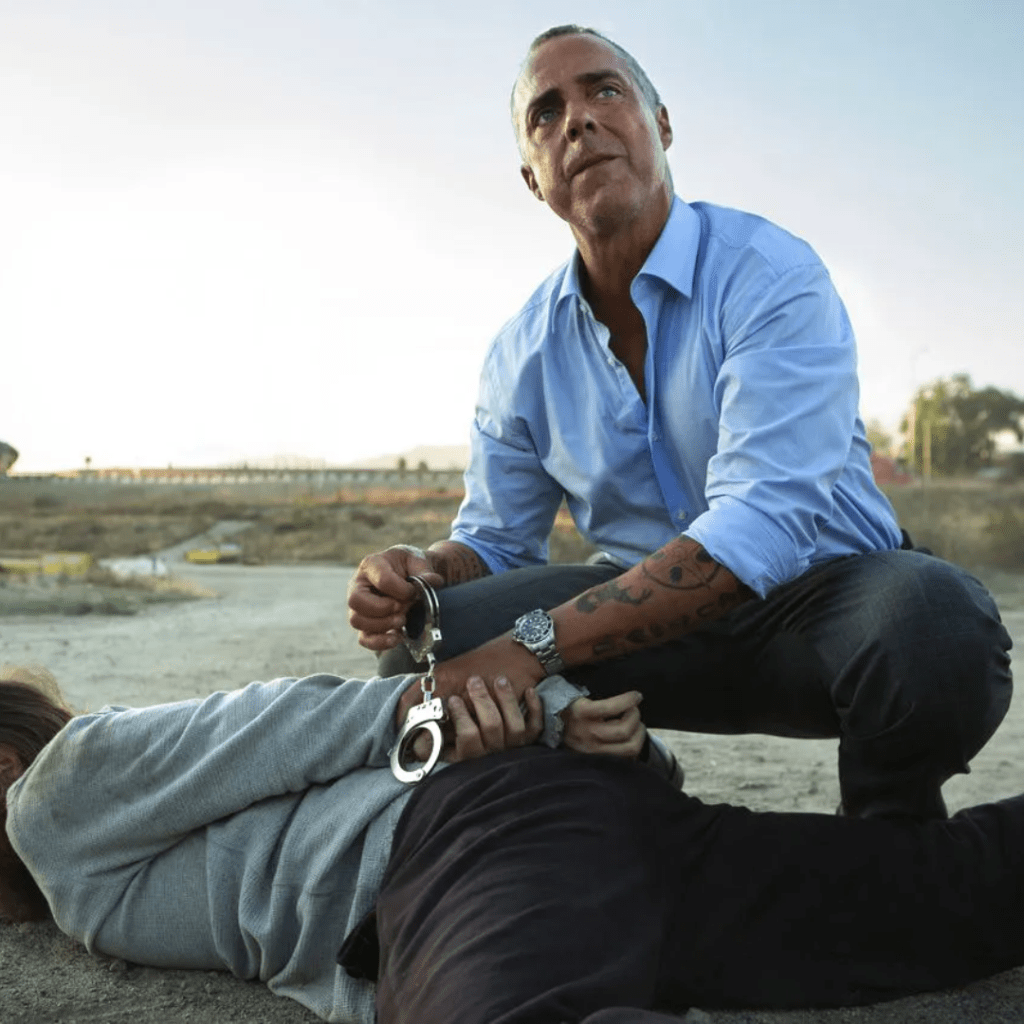
Harry Bosch, an LAPD detective, is the central character in Michael Connelly’s series. Bosch’s relentless pursuit of justice, even in the face of bureaucratic challenges, showcases his hard-boiled demeanour in a contemporary Los Angeles setting. Connelly’s series combines intricate plotting with a tough, no-nonsense protagonist.
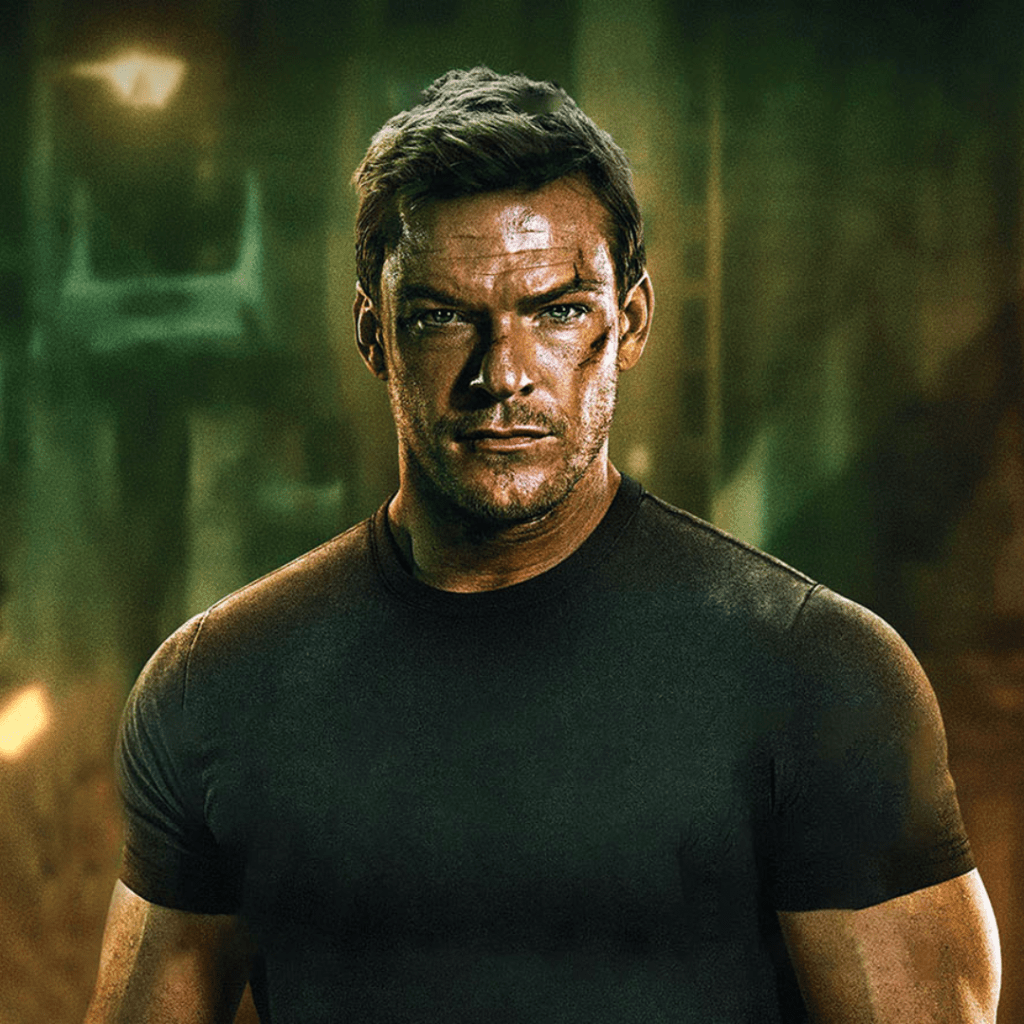
Jack Reacher, a former military police major, roams the United States as a drifter, solving crimes and righting wrongs. His stoic and tough approach to justice aligns with the hard-boiled tradition, and the series explores modern-day issues through Reacher’s nomadic adventures.
Cormoran Strike, created by J.K. Rowling under the pseudonym Robert Galbraith, is a private investigator in contemporary London. Strike’s gruff demeanour, military background, and complex personal life reflect the modern interpretation of a hard-boiled detective.
Joe Pike is a former LAPD detective turned private investigator in Robert Crais’s series. Pike’s enigmatic and reserved personality, combined with his commitment to justice, embodies the hard-boiled tradition in a modern Southern California setting.
Charlie Parker is a private investigator in John Connolly’s series, which combines crime fiction with supernatural elements. Parker’s haunted past, resilience, and relentless pursuit of justice contribute to the hard-boiled atmosphere of the novels.
These contemporary hard-boiled detectives showcase the genre’s evolution, addressing modern challenges while embodying the enduring traits of toughness, determination, and a commitment to justice that define the hard-boiled tradition.
The hard-boiled detective genre has a rich and storied history that spans over a century. It has evolved from the pulp magazines of the 1920s and 1930s to become one of the most enduring and popular subgenres of crime fiction. Its gritty realism, complex characters, and uncompromising view of the world continue to captivate readers and audiences to this day.
Thanks for taking the time to read this post. If you found it informative and entertaining, please consider sharing it with your friends and followers on social media. And if you have any feedback or suggestions for future topics, I’d love to hear from you in the comments below. Don’t forget to subscribe for more content and updates, or pop over to my newsletter page for more crime stuff, direct to your inbox every month.
Have you ever been reading a book and thought ‘Oh, that’s a MacGuffin right there’? No, me neither. But once you’ve read this, I promise you will!
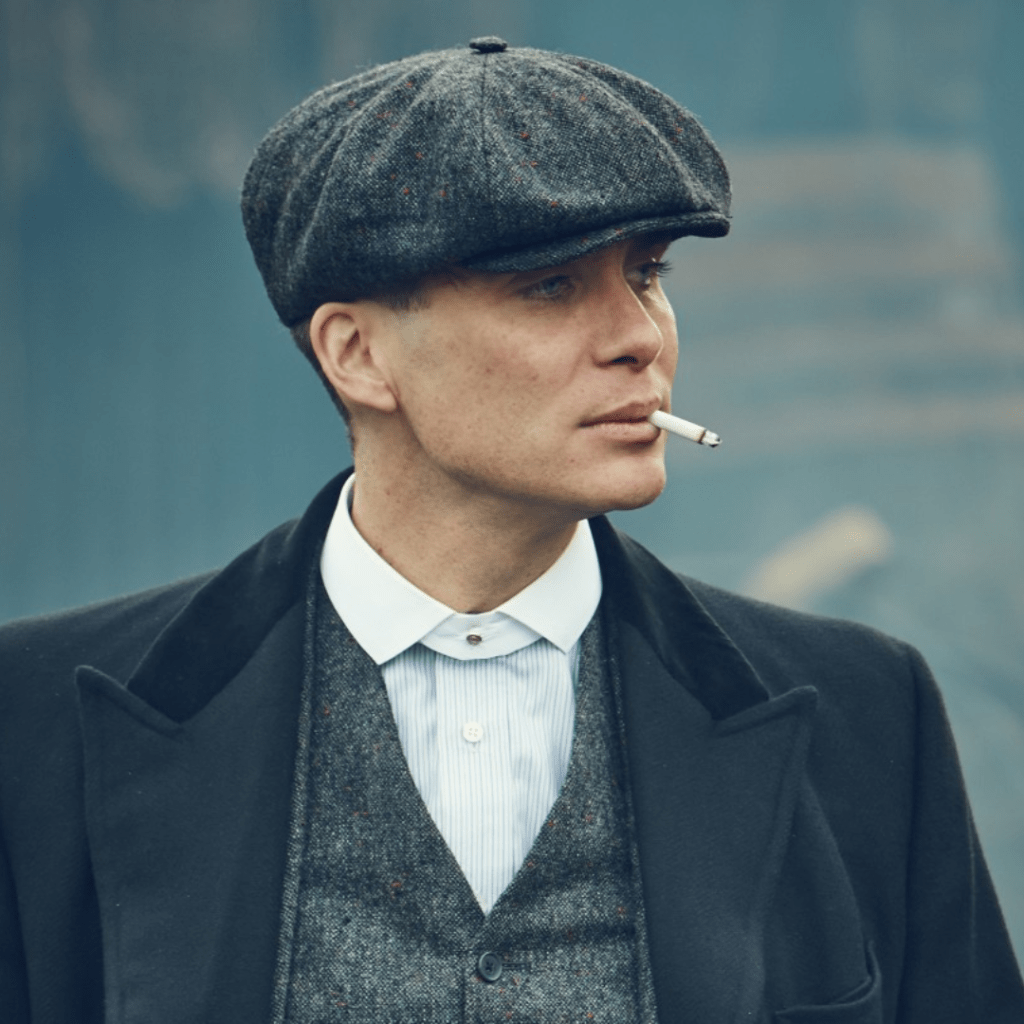
When you’re watching a great actor on screen you can’t see them working. They seamlessly transform into the character they’re portraying, allowing us to suspend our disbelief. They become their character. Cillian Murphy does this perfectly for me. When I watch him, I can relax. I trust that he’ll deliver an immersive and believable performance.
Similarly, a well-crafted story doesn’t reveal it’s structure. We don’t need to know the plot beats or feel the shift from one to the next. We should be so immersed in the narrative that we’re carried along effortlessly on a wave of suspense and intrigue with the author as our unseen, skilful navigator. Tolkien is a master of this.
But what are the storytelling tropes that form part of an engaging and compelling narrative structure?
Here are some of the secret ingredients in a good story you may not be aware of.
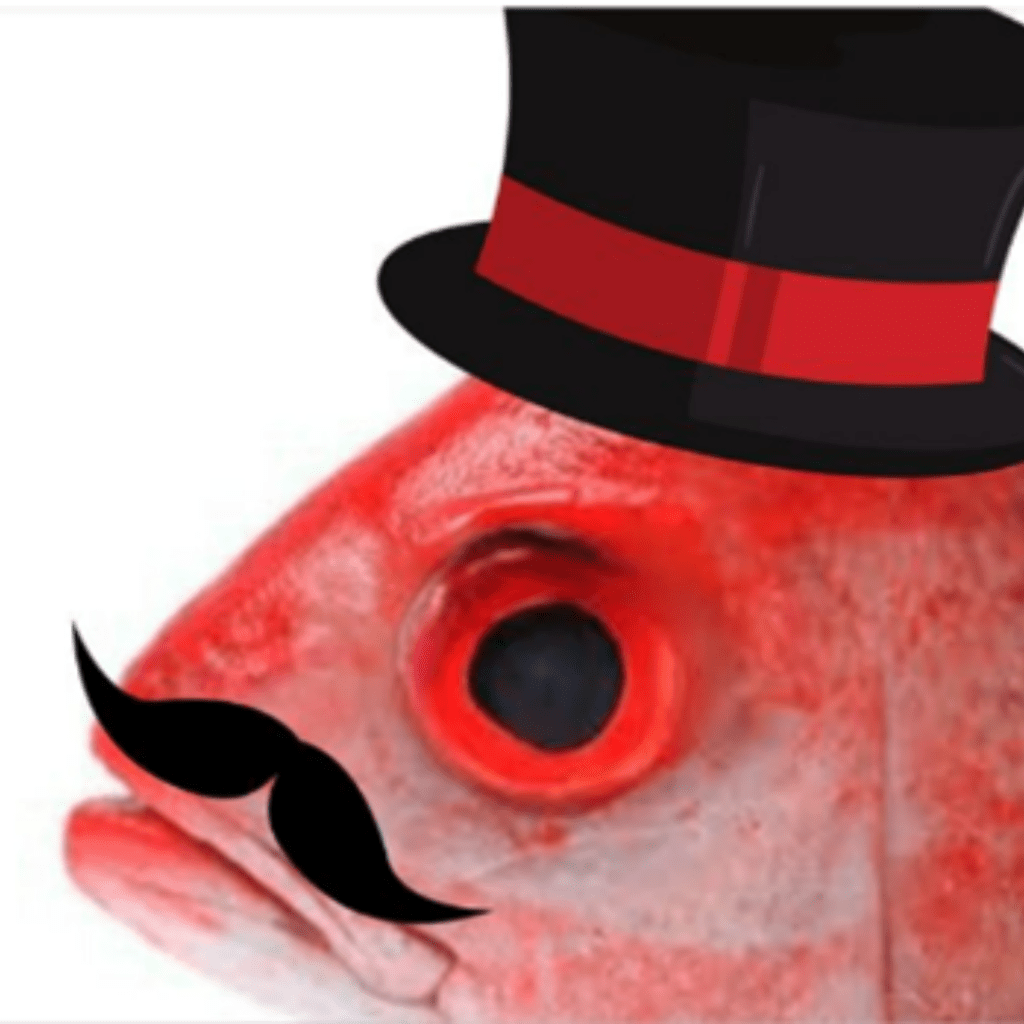
Red Herrings: The Art of Misdirection The term “Red Herring” has its roots in the world of hunting, particularly fox hunting. In the 1800s, hunters used the strong-smelling, smoked and salted herring fish to train hounds. These fish had a pungent scent that could lead the hounds astray, away from the real target (the fox). Hence, the “Red Herring” became synonymous with a diversion or distraction that misled or confused.
In storytelling, a “Red Herring” is a clever narrative device. It’s a misleading clue, character, or plot element intentionally planted by authors to throw readers or viewers off the scent of the real mystery or plot twist. It’s like a literary sleight of hand, guiding your attention in one direction while the real action unfolds elsewhere.
Red Herrings serve multiple purposes. They build suspense, add complexity, and keep us guessing. They make us question our assumptions and encourage us to engage with the story actively – they’re the art of misdirection.
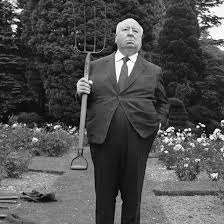
MacGuffins: The Catalysts of Adventure Coined by Alfred Hitchcock, a MacGuffin is a plot device—often an object or goal—that drives the characters and the narrative forward. Its intrinsic value is less important than its role in propelling the story. MacGuffins create a sense of urgency, setting characters in motion and providing a focal point for the audience, even if the ultimate significance may remain ambiguous.
A MacGuffin is a storytelling device commonly used in literature, film, and other forms of narrative media. It’s an object, goal, or concept that serves as a plot device, motivates the characters, and drives the story forward. However, the MacGuffin itself often has little or no intrinsic significance or importance.
The term “MacGuffin” was popularised by filmmaker Alfred Hitchcock. He explained it as an element in a story that the audience doesn’t need to fully understand but serves to set the plot in motion or create suspense. Essentially, it’s a narrative tool that keeps the story moving and characters engaged but isn’t the central focus of the plot.
Classic examples of MacGuffins include the Maltese Falcon in Dashiell Hammett’s novel “The Maltese Falcon” and the briefcase in Quentin Tarantino’s film “Pulp Fiction.” In both cases, the objects drive the characters’ actions and decisions, but their true nature or significance remains secondary to the broader narrative.
And the origin of the word? The name MacGuffin was coined by British screenwriter Angus MacPhail, probably using “‘guff’, meaning anything trivial or worthless as the root of the word.
Coined by Alfred Hitchcock, a MacGuffin is a plot device—often an object or goal—that drives the characters and the narrative forward. Its intrinsic value is less important than its role in propelling the story. Think of the Ark in “Raiders of the Lost Ark” or the briefcase in “Pulp Fiction.”
Deus ex Machina: Divine Interventions Translated as “god from the machine,” this trope involves a sudden, unexpected resolution to a seemingly insurmountable problem. In ancient Greek theatre, a god would literally descend onto the stage, untangling complex plots. Today, it refers to any improbable or contrived resolution that saves characters from a dire situation. While it should be used judiciously to avoid undermining the narrative, a well-executed ‘deus ex machina’ can add an element of surprise and wonder.
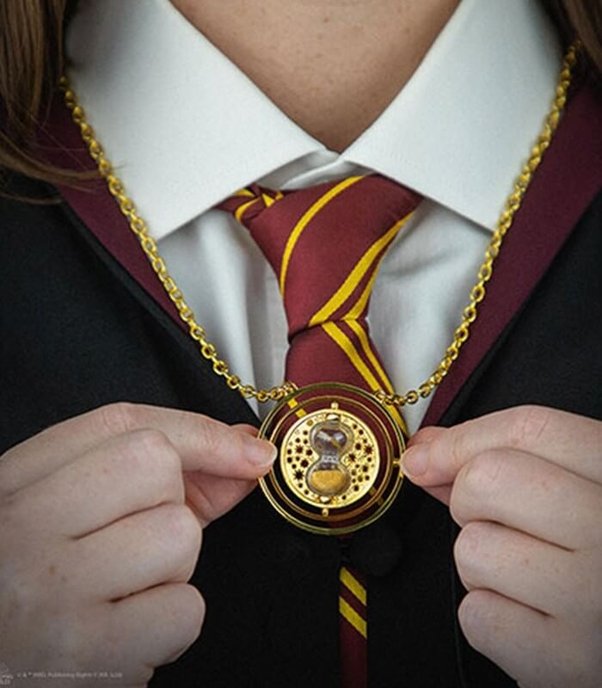
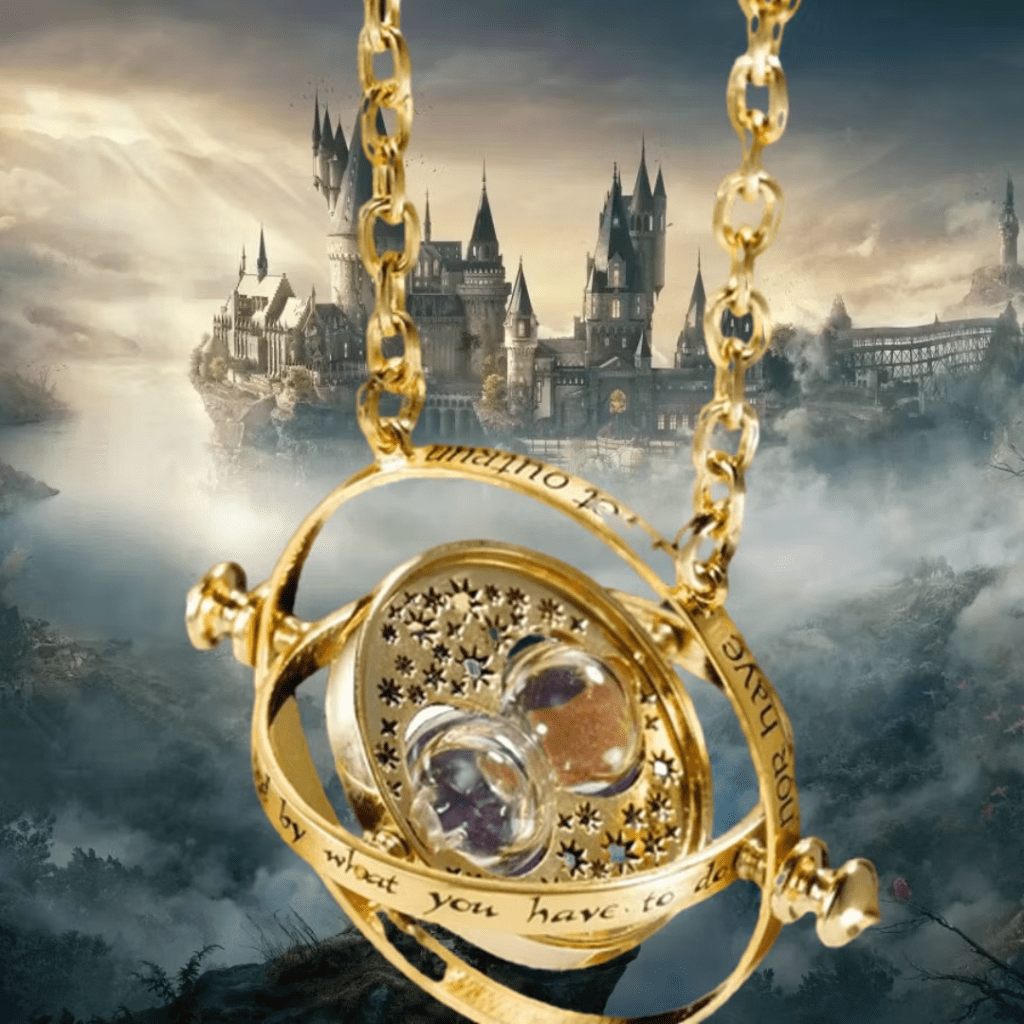
The use of the Time-Turner in “Harry Potter and the Prisoner of Azkaban” is a Deus ex Machina. Harry and Hermione use the Time-Turner to go back in time, ensuring that they can intervene in events they previously witnessed, leading to a more favourable outcome.
Chekhov’s Gun: Everything Has a Purpose Ever heard of “Chekhov’s Armory”? It’s an interesting variation of the renowned literary principle, “Chekhov’s Gun.” But what’s it all about?
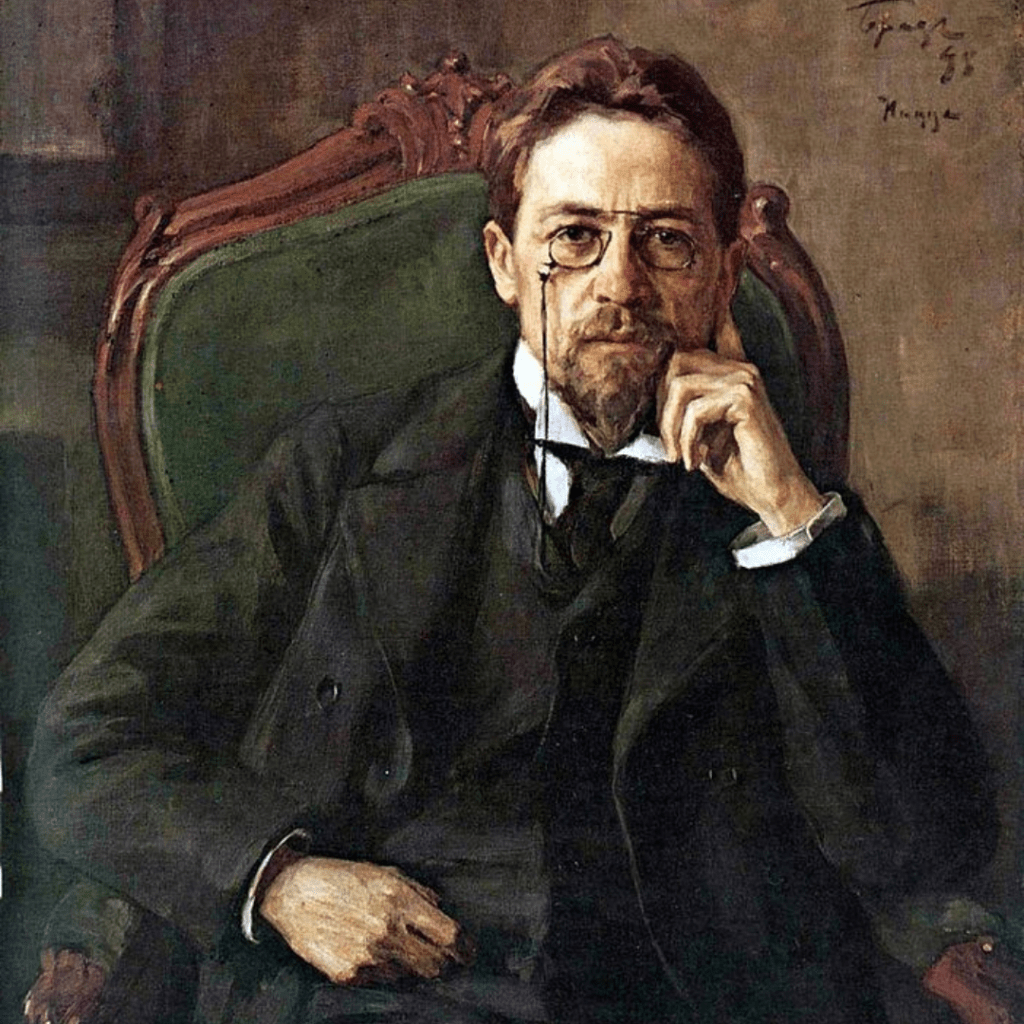
This term pays homage to the legendary Russian playwright Anton Chekhov, a master of storytelling and drama. Chekhov famously stated, “If in the first act you have hung a pistol on the wall, then in the following one it should be fired.” His principle emphasised the importance of narrative economy.
“Chekhov’s Armory” takes this idea one step further. It suggests that if an author introduces multiple elements, objects, or characters into a story, each should serve a purpose, however subtle. In essence, nothing should be extraneous; everything contributes to the rich tapestry of the narrative.
Imagine a story where every detail, no matter how seemingly insignificant, weaves seamlessly into the plot’s fabric. Each element, even those in the background, plays a role, adding depth, foreshadowing, or thematic resonance.
Chekhov’s Armory enhances the reader’s or viewer’s immersion. It encourages them to connect the dots, anticipate developments, and actively engage with the narrative. It’s like a puzzle waiting to be solved!
In the world of storytelling, Chekhov’s Armory reminds us that every word, every image, every detail serves a purpose, and together, they create a literary symphony.
Originating from Anton Chekhov’s advice that if a gun is introduced in the first act, it must be fired in the third, this trope emphasises the importance of narrative economy. Every element in a story should serve a purpose. If an object or detail is highlighted, it should have relevance to the plot later on. This principle guides writers to create tight, cohesive narratives where no element feels extraneous.
Again, JK Rowling is known for her meticulous planning and use of Chekhov’s Gun. Items such as the Marauder’s Map, the Time-Turner, and seemingly insignificant details like the locket from “Order of the Phoenix” all play pivotal roles in the overall story.
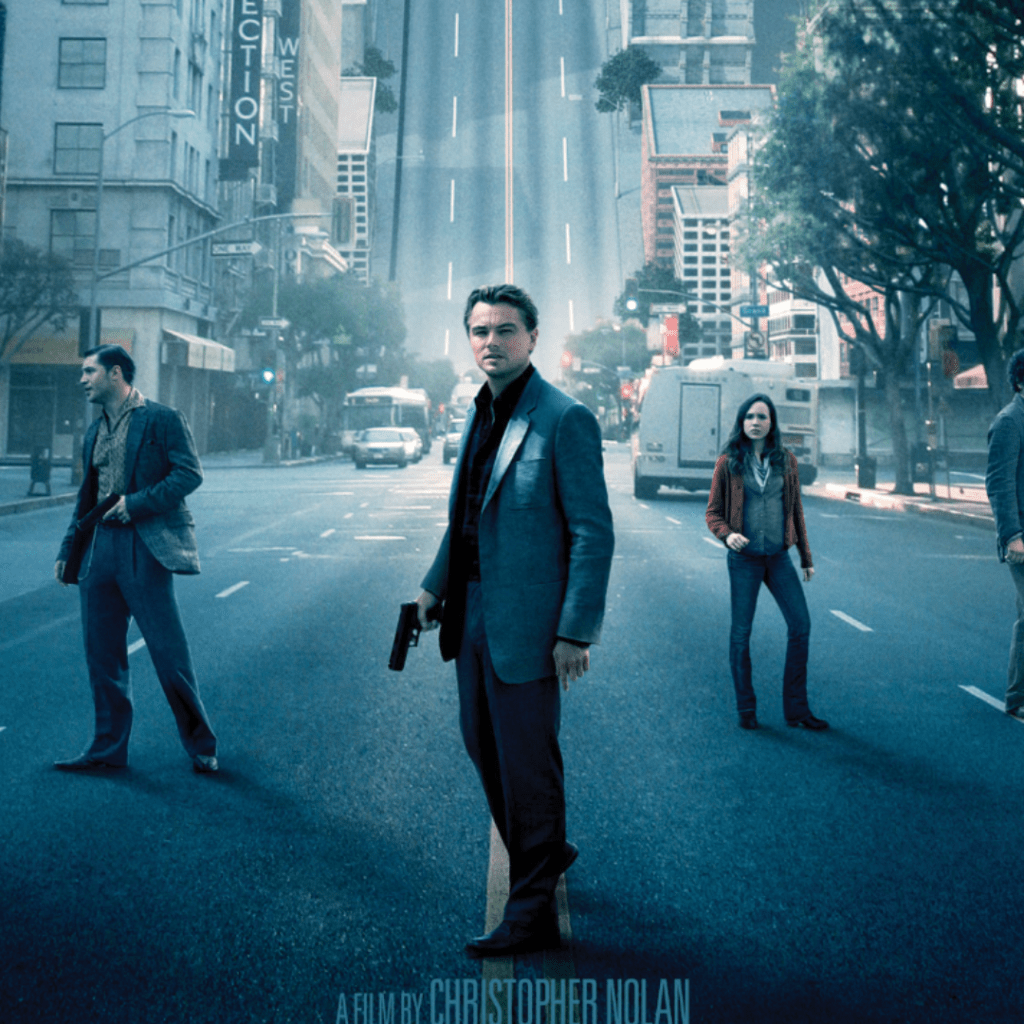
Christopher Nolan’s “Inception” with its intricate plotting, is another example. Objects and concepts, such as the spinning top and the concept of a totem, are introduced early in the film and become central to the resolution of the story.
Nolan’s films are known for their intricate plotting, and “Inception” is no exception. Objects and concepts, such as the spinning top and the concept of a totem, are introduced early in the film and become central to the resolution of the story.
JK Rowling is known for her meticulous planning and use of Chekhov’s Gun. Items such as the Marauder’s Map, the Time-Turner, and seemingly insignificant details like the locket from “Order of the Phoenix” all play pivotal roles in the overall story.
The principle itself is named after Chekhov, and one of his plays, “The Seagull,” is often cited as an early example. In the first act, a gun is introduced, and later in the play, it is used for a suicide. This serves as a classic illustration of the principle.
The Hero’s Journey: An Archetypal Odyssey Popularised by Joseph Campbell, the Hero’s Journey is an archetypal narrative structure found in myths and stories across cultures. It involves a hero leaving their ordinary world, facing challenges, undergoing transformation, and returning home changed.
The hero’s journey often involves the protagonist’s personal growth and transformation. Audiences are drawn to stories where characters overcome their flaws, face adversity, and emerge stronger or wiser. This journey mirrors the human experience of facing challenges and evolving through life’s trials.
Even in fantastical settings or extraordinary circumstances, the emotional and psychological struggles of the hero are relatable. The hero’s journey reflects the trials and tribulations of real-life individuals, allowing us to see ourselves in the protagonist and find inspiration in their ability to overcome obstacles.
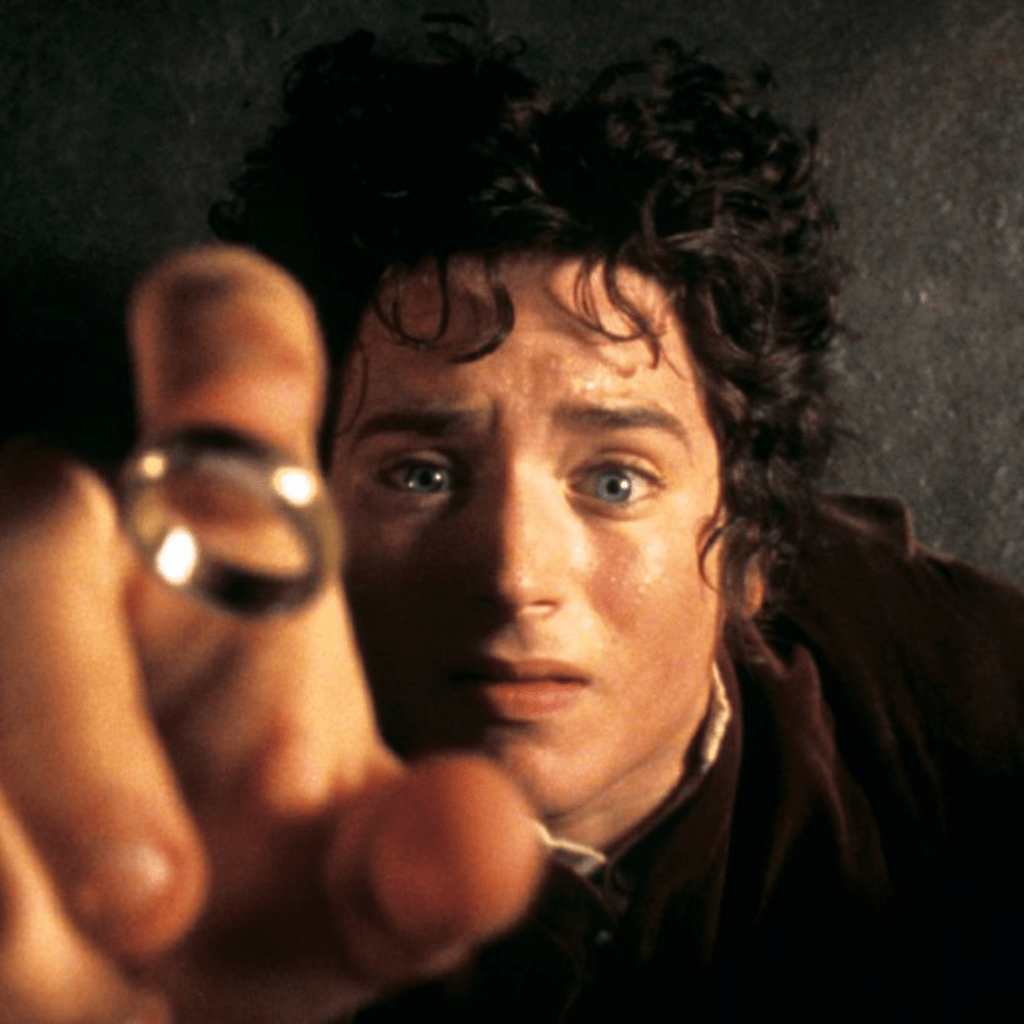
From Frodo Baggins in “The Lord of the Rings” to Harry Potter, this trope resonates deeply with readers, providing a universal template for personal growth and adventure.
Frodo Baggins embarks on a perilous journey to destroy the One Ring and save Middle-earth. Along the way, he faces challenges, undergoes personal growth, and confronts powerful adversaries, embodying the hero’s journey archetype.
Bruce Wayne’s transformation into Batman in Christopher Nolan’s film follows the hero’s journey. He experiences a traumatic event, seeks guidance from mentors, undergoes training, and ultimately confronts crime and corruption in Gotham City.
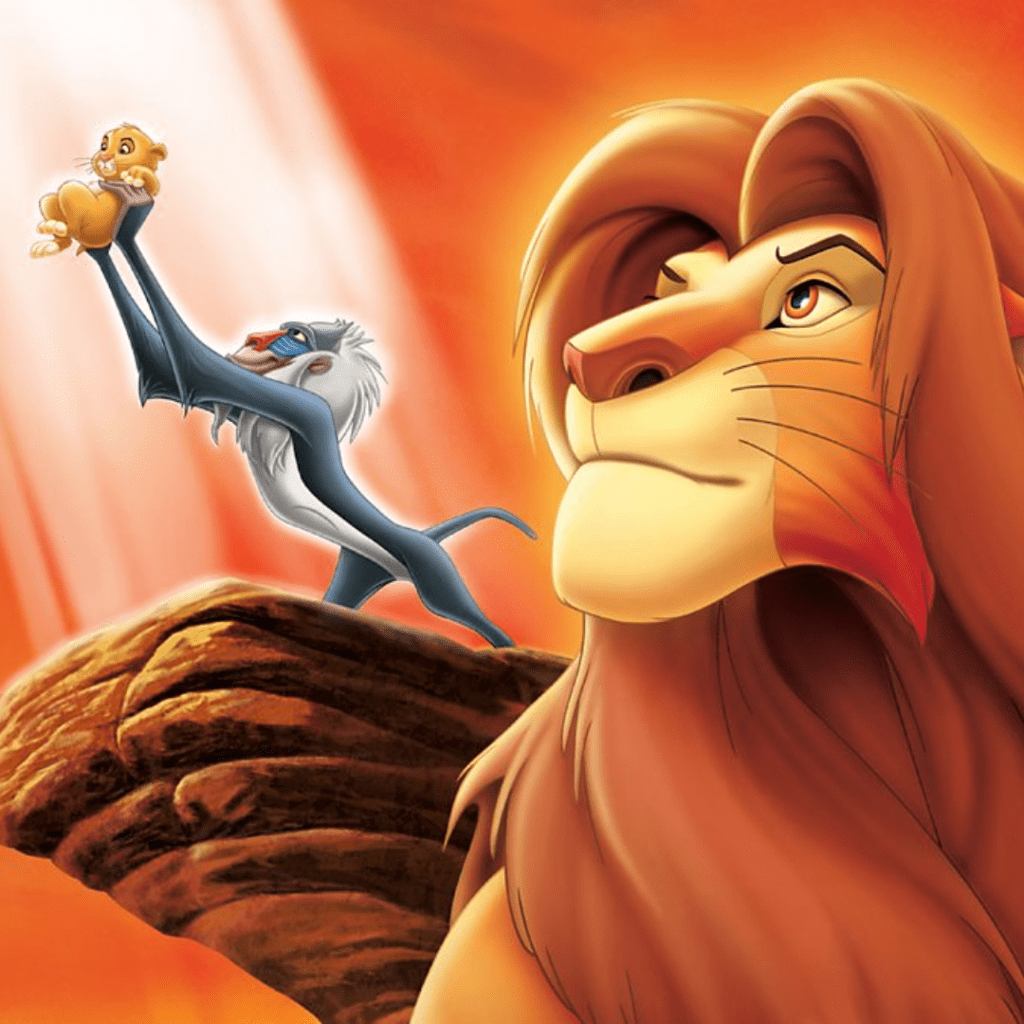
Simba’s journey from a young cub to the king of the Pride Lands mirrors the hero’s journey. He faces loss, self-discovery, and ultimately confronts his own demons to reclaim his rightful place as king.
If you’re interested in storytelling, it’s useful to understand how employing these storytelling tropes can elevate a narrative, creating a richer, more immersive experience for the audience. But while tropes provide a foundation, it’s the unique blend and execution that distinguishes one story from another.
Look out for these techniques, and if you’re a writer, consider how you can use these tools in your creative arsenal to breathe life into your characters and plots.
Thanks for taking the time to read this post. If you found it informative and entertaining, please consider sharing it with your friends and followers on social media. And if you have any feedback or suggestions for future topics, I’d love to hear from you in the comments below. Don’t forget to subscribe for more content and updates, or pop over to my newsletter page for more crime stuff, direct to your inbox every month.
In the realm of storytelling, captivating your readers and keeping them hooked from start to finish is a paramount goal. One key aspect of achieving this is by creating engaging story arcs and maintaining a good rhythm throughout your narrative. By employing effective techniques, you can ensure that your story flows seamlessly, keeps readers invested, and delivers a satisfying reading experience.
Establish Clear Goals and Stakes:
To lay a solid foundation for your story, it is crucial to establish clear goals for your protagonist and convey the consequences of success or failure. This creates a compelling driving force that propels the plot forward and keeps readers invested in the outcome.
Create Conflict and Obstacles:
Conflict is the lifeblood of storytelling. Introduce challenges, conflicts, and obstacles that the protagonist must overcome, providing opportunities for growth and development. This not only adds depth to your characters but also keeps the story dynamic, gripping the reader’s attention.
Use Rising Action:
Craft a compelling narrative by gradually building tension through the rising action. Increase the stakes and intensify conflicts as the story progresses, creating a sense of anticipation and ensuring that readers are captivated by each turn of events.
Vary the Pace:
To maintain reader interest and prevent monotony, it is essential to vary the pace of your story. Alternate between moments of high intensity and slower, reflective moments. This ebb and flow in pacing creates a balanced rhythm and keeps readers engaged throughout the narrative.
Incorporate Plot Twists:
Surprise your readers with unexpected plot twists that challenge their expectations. Well-placed plot twists inject excitement and reinvigorate the story, leaving readers eager to discover what unfolds next.
Utilise Cliffhangers:
End chapters or sections with suspenseful moments or unanswered questions to leave readers craving more. Cliffhangers create anticipation and propel readers forward, ensuring they eagerly turn the pages to uncover the next twist or resolution.
Show Character Growth and Development:
Characters that evolve and undergo personal growth resonate deeply with readers. Allow your characters to change and learn from their experiences, providing emotional depth and investment for the audience.
Use Foreshadowing:
Plant subtle hints or clues early on in the story that foreshadow future events or revelations. This technique builds anticipation, creates a sense of cohesion, and rewards attentive readers.
Trim Excess and Maintain Focus:
Streamline your narrative by eliminating unnecessary elements that may detract from the pacing and focus of the story. Each scene, event, or subplot should serve a purpose in advancing the main plot, ensuring a smooth and engaging reading experience.
Test and Revise:
Seek feedback from beta readers or critique partners to evaluate the pacing of your story. Adjustments may be necessary to maintain a balanced and engaging pace throughout the narrative. Embrace the iterative process of testing and revising to refine your storytelling skills.
Conclusion:
Crafting engaging story arcs and maintaining a good rhythm is a delicate art that requires skill and finesse. By implementing these techniques, you can plot your story effectively and ensure a compelling pace that keeps readers engrossed from beginning to end. Ready to rev up your storytelling engine? Unleash the power of pacing and create a page-turning masterpiece!
Thanks for taking the time to read this post. If you found it informative and entertaining, please consider sharing it with your friends and followers on social media. And if you have any feedback or suggestions for future topics, I’d love to hear from you in the comments below. Don’t forget to subscribe for more content and updates, or pop over to my newsletter page for more crime stuff, direct to your inbox every month.
As a lover of books and avid reader (and watcher) of popular fiction, I’ve always been fascinated by the power of storytelling. What is it that makes a story compelling? What are the elements that keep readers hooked from beginning to end? These are the questions that I hope to explore in this blog, by taking a closer look at some popular dramas, films and books.
Throughout this blog, I’ll be discussing some of the most effective storytelling techniques used by authors and drama producers to captivate their readers. From complex characters and intricate plots to immersive world-building and themes of moral ambiguity, I’ll delve into the elements that make these stories so engaging and thought-provoking.
To illustrate these storytelling techniques, I’ll be drawing on examples from some of the most popular works of fiction, and examine how the storytellers craft their stories, drawing us in with richly-drawn characters, unexpected plot twists, and themes that resonate on a deeper level.
Whether you’re a writer looking to improve your craft, or simply a reader looking for some insight into what makes a great story, I hope that you’ll find this blog to be a valuable resource. Let’s dive in and explore the art of storytelling in popular fiction!
The anatomy of a great story
What is it that makes a great story? While there’s no one-size-fits-all answer, there are a few key elements that tend to be present in some of the most memorable and impactful works of fiction. Here’s a closer look at the anatomy of a great story:
Compelling characters: Characters are the heart and soul of any story, and a great story typically features characters that are complex, relatable, and memorable. Whether they’re heroes, villains, or somewhere in between, great characters have flaws, desires, and motivations that drive the story forward.
Well-crafted plot: A great story needs a well-crafted plot that keeps readers engaged and guessing. The plot should be complex enough to keep people interested, but not so convoluted that it becomes confusing or overwhelming.
Immersive world-building: Whether the story takes place in a fictional world or a real-life setting, great stories feature immersive world-building that transports readers to another place and time. This can be achieved through richly-detailed settings, well-researched historical context, or even the creation of an entirely new world with its own rules and mythology.
Themes that resonate: The best stories have themes that resonate with readers on a deeper level, whether they’re exploring universal human experiences like love, loss, and redemption, or tackling weighty social and political issues. By exploring these themes in a thoughtful and nuanced way, a great story can leave a lasting impact on readers.
Writing that engages: Finally, a great story needs writing that engages and captivates readers from the very first sentence. Whether it’s through rich descriptive language, snappy dialogue, or a unique narrative voice, the writing should draw readers in and keep them turning the pages or clicking for the next episode.
Let’s have a look at some examples and why they’re so popular with readers and audiences.
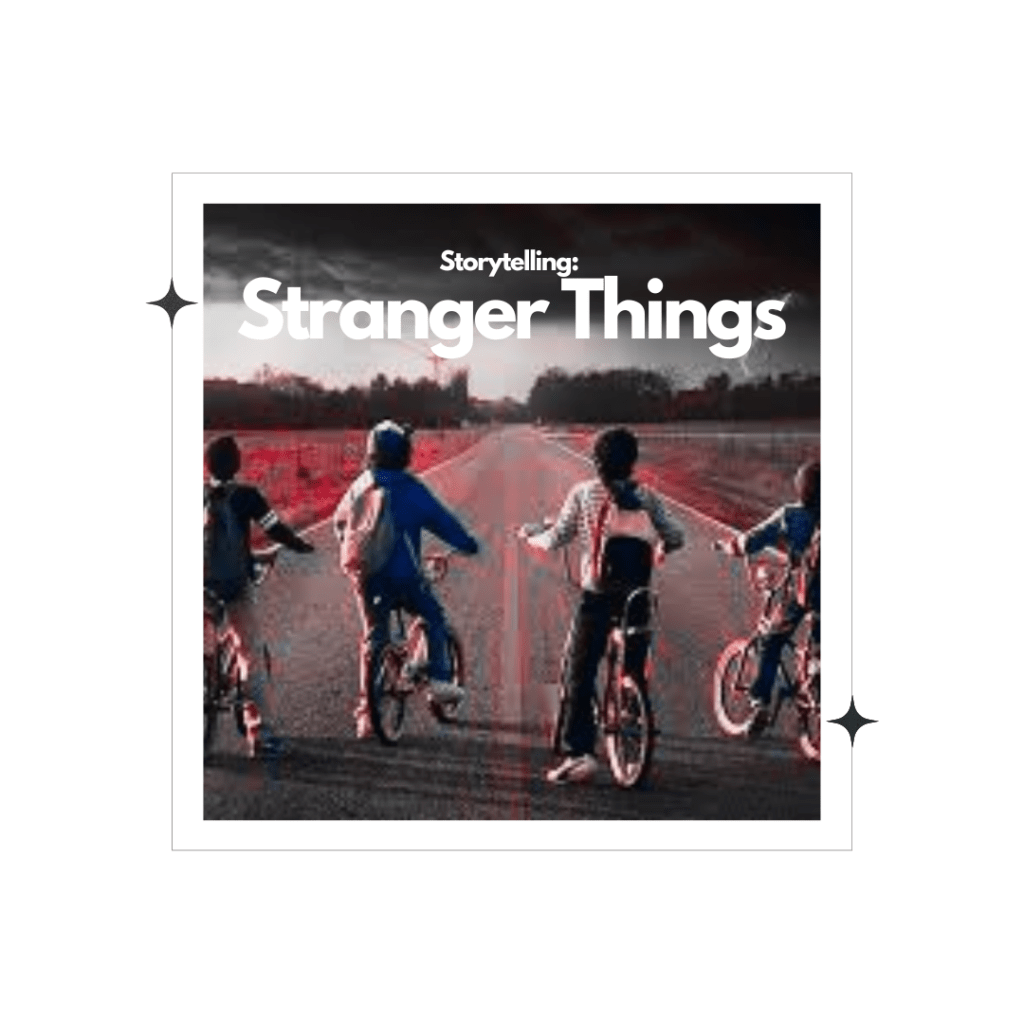
Stranger Things
“Stranger Things” has been a massive hit worldwide, and it’s not hard to see why. Let’s break down the anatomy of a compelling story and see how “Stranger Things” excels in each category:
Hook: The show starts with a bang, as we see a young boy mysteriously disappear, which immediately grabs our attention and makes us want to know what happens next.
Characters: The show features a diverse cast of beautifully developed and relatable characters, including a group of misfit kids who are the heart of the story. We become invested in these characters and their relationships, which makes the show emotionally engaging.
Conflict: The conflict in “Stranger Things” is both external and internal, with the characters facing threats from both a mysterious supernatural force and their own personal demons. This creates tension and drama, again keeping us engaged and emotionally invested.
Plot: The plot of “Stranger Things” is a masterclass in storytelling, weaving together elements of sci-fi, horror, and coming-of-age drama in a way that keeps us gripped. The stakes are high, and the urgency to solve the mystery and save the characters is palpable.
Theme: “Stranger Things” explores themes of friendship, family, loyalty, and the struggle to find where we fit in the world – universal themes we can all relate to. These themes are woven into the story in an organic and meaningful way, creating a deeper emotional connection with the audience.
Setting: The setting of “Stranger Things” is a vividly realised world that combines the nostalgia of the 1980s with a sense of supernatural danger lurking just beneath the surface.
Style: The show’s style is consistent and appropriate to its genre and tone, with a mix of horror, sci-fi, and coming-of-age drama that makes it unique.
“Stranger Things” brilliantly excels in all the elements of great storytelling. It has a strong hook, well-developed characters, meaningful conflict, a captivating plot, resonant themes, a vivid setting, and a strong sense of style. These elements work together to create a show that has enthralled us all and made it a cult phenomenon.
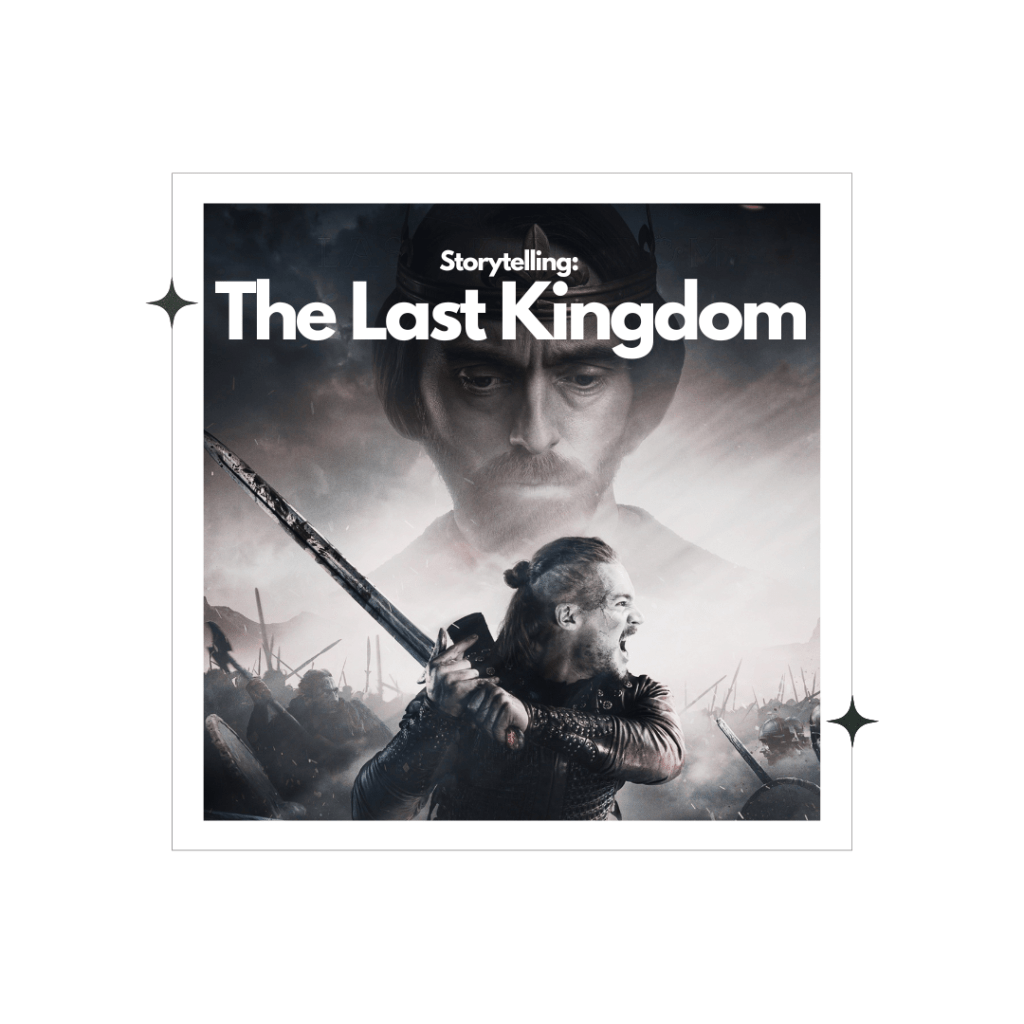
The Last Kingdom
The epically brilliant “The Last Kingdom” is hugely popular for its immersive storytelling, which is no surprise as it’s based on Bernard Cornwell’s The Saxon Stories. With ‘Seven Kings Must Die’ just hitting Netflix, let’s break down the anatomy of a compelling story and see how “The Last Kingdom” conquers every category:
Hook: The show starts with a compelling hook, as we see a young Saxon boy taken captive by the Danes and raised as one of their own. We’re immediately drawn into this story which continues to underpin the entire series.
Characters: “The Last Kingdom” features a diverse cast of complex and beautifully crafted characters, including the main protagonist, Uhtred of Bebbanburg. Uhtred is a skilled warrior, cunning strategist, and charismatic leader, all of which make him a formidable force in battle. But he’s reckless, impulsive, and stubborn too, often getting himself and others into trouble.
Despite these flaws, Uhtred is a relatable character as he struggles to reconcile his identity and find a sense of belonging. The relationship he forms with the other characters in the show are essential to his character development. His loyalty to his friends and family is unwavering, but his trust is hard-earned, leading to some emotionally charged scenes.
Conflict: The show is full of meaningful conflict, with Uhtred torn between his Saxon roots and his loyalty to the Danes who raised him. The politics and struggle for power between the various factions adds to the tension and drama, keeping the audience engaged and emotionally invested.
Plot: The plot of “The Last Kingdom” is intricately weaves together elements of historical drama and pacy action-adventure with quieter beats where we can catch our breath.
Theme: “The Last Kingdom” explores themes of identity, loyalty, and the struggle for power. The story seamlessly incorporates these themes in a genuine and significant, resulting in a stronger emotional bond with the audience.
Setting: The attention to detail in the setting of the show, recreating the time period and its cultural touchstones, is impressive and adds to the overall immersive experience.
Performance: Alexander Dreymon as Uhtred is as compelling in quiet, introspective scenes as he is in dramatic, action-packed moments. His ability to convey emotion with a glance or a subtle change in expression makes his portrayal of Uhtred all the more impressive.
For me though, the standout performance comes from David Dawson as King Alfred. His performance is a masterclass in subtlety and nuance and the scene showing his last meeting with Uhtred is simply stunning.
So, The Last Kingdom has every box ticked, which is obviously why it continues to pull huge audiences. If you haven’t seen it yet, I highly recommend it!
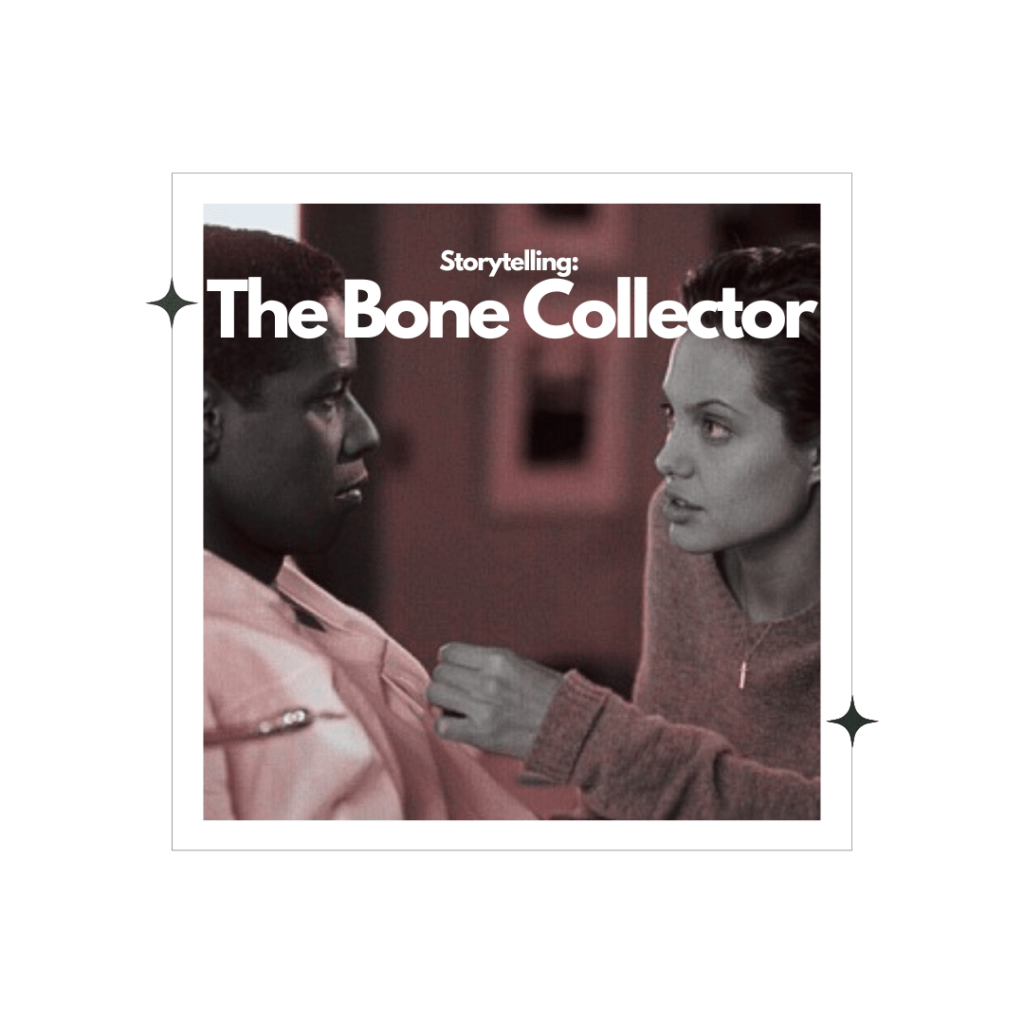
The Bone Collector
“The Bone Collector” by Jeffery Deaver is a crime thriller novel that follows the story of Lincoln Rhyme, a former NYPD forensic expert who is now a quadriplegic, and Amelia Sachs, a young patrol officer who discovers a victim of a serial killer. The novel follows the classic story anatomy of a crime thriller with a well-crafted plot, interesting characters, and twists and turns that keep the reader engaged.
Hook: The book starts with a high-stakes hook as a young patrol officer, Amelia Sachs, discovers a victim of a serial killer while on her beat in New York City. The victim’s body is grotesquely mutilated and this hook sets up the central mystery of the novel, immediately drawing the reader in.
Characters: The two main characters in the novel are Lincoln Rhyme and Amelia Sachs. Lincoln Rhyme is a former NYPD forensic expert who is now a quadriplegic, confined to his bed and able to move only his head and one finger. Despite his physical limitations, Rhyme is brilliant and his expertise is sought after by the police department. Amelia Sachs is a young patrol officer who discovers the first victim of the serial killer and becomes Rhyme’s eyes and ears on the ground as he helps her solve the case. The two characters are well-crafted and interesting, with their own unique personalities, strengths, and weaknesses.
Conflict: The central conflict in the novel is the hunt for the serial killer. The killer, known as “The Bone Collector,” is elusive and leaves behind few clues. Rhyme and Sachs must race against time to solve the case before he kills again. The tension is heightened by the fact that Rhyme is a quadriplegic and Sachs is often working alone, putting herself in danger.
Plot: The plot of the novel is tightly structured and keeps the reader engaged from start to finish. Deaver expertly weaves in twists and turns, keeping the reader guessing about the identity of the killer and the motivations behind the crimes. The pacing is excellent, alternating between moments of intense action and quieter scenes that allow the reader to catch their breath.
Theme: The novel explores themes of redemption, justice, and the consequences of one’s actions. The killer’s motivations are rooted in his own tragic past, and Rhyme and Sachs must grapple with their own demons as they try to stop him. The novel also examines the nature of obsession, both in the killer and in Rhyme himself, who is consumed by his work and his desire to catch the killer.
Setting: The setting of the novel is New York City and Deaver expertly captures the grittiness and energy of the city.
Writing style: Deaver’s writing style is fast-paced and engaging. He uses short chapters and cliffhangers to keep the reader hooked and delivers a satisfying conclusion that ties up all the loose ends.
Overall, “The Bone Collector” is a well-crafted crime thriller with a classic story anatomy that keeps the reader engaged from start to finish. With interesting characters, a tightly structured plot, and a well-crafted setting, it is easy to see why it has become a beloved classic of the genre.
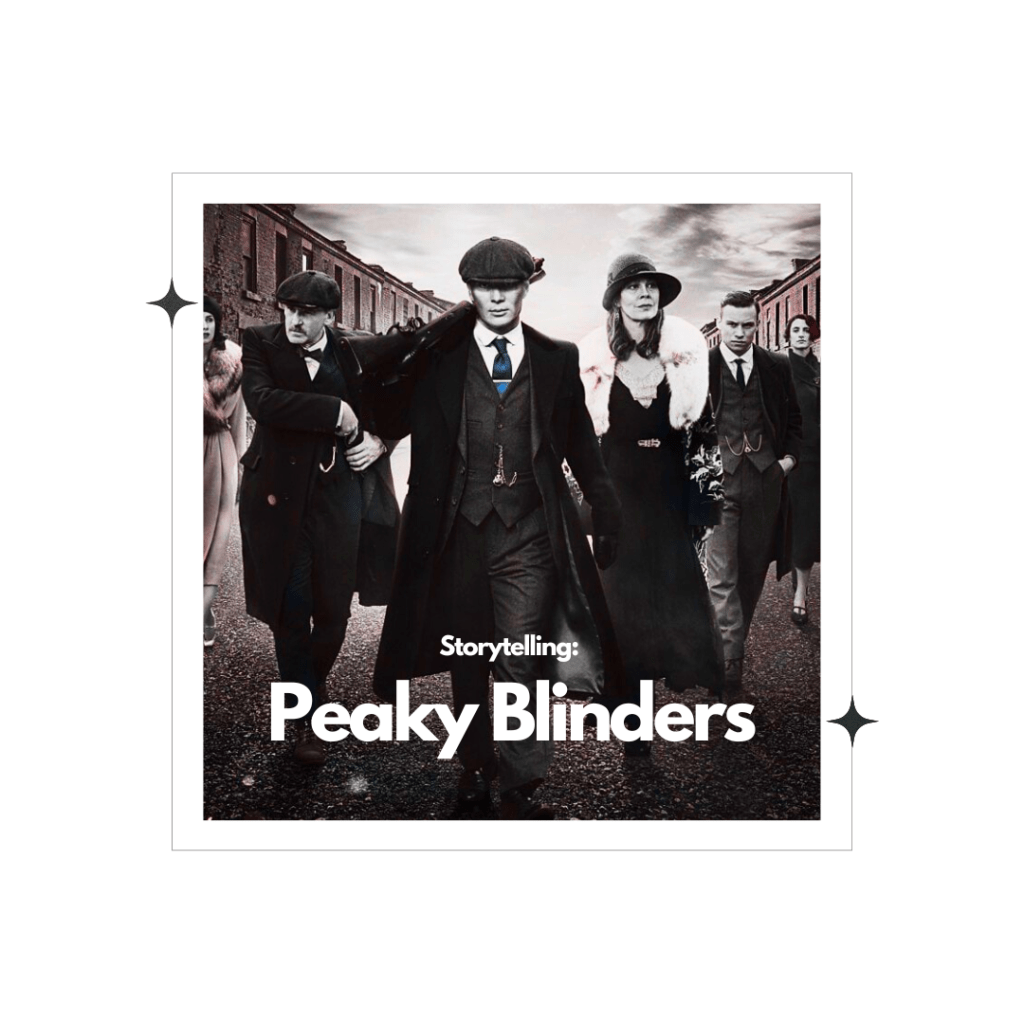
Peaky Blinders
“Peaky Blinders” has become a fan-favourite due to its immersive and gritty portrayal of the criminal underworld in post-WWI Birmingham. The period crime drama masters all the elements of great storytelling – here’s how.
It starts with a gripping hook that immediately captures the audience’s attention and creates a sense of danger and tension. We quickly become emotionally invested in the diverse cast of complex characters with multifaceted personalities, motivations, and backstories.
The show is full of conflict, with the Peaky Blinders battling for control of their territory and facing off against rival gangs and corrupt officials. The stakes are high, and the danger is ever-present, keeping us fully engaged and braced for more action.
The plot is intricately woven, with multiple storylines and subplots that contribute to the larger narrative arc.
“Peaky Blinders” explores themes of power, family, loyalty, and the impact of war on society. These themes are woven into the story in a natural and resonant way, creating a deeper emotional connection with the audience.
The setting of “Peaky Blinders” is a vividly captures the gritty reality of post-WWI Birmingham, creating a unique style which blends period drama, crime thriller, and character study. The use of edgy music and cinematic visual imagery adds to the show’s overall atmosphere.
“Peaky Blinders” is another compelling masterclass in great storytelling with an effortlessly brilliant performance from Killian Murphy as main protagonist Tommy Shelby.
It’s a must watch!
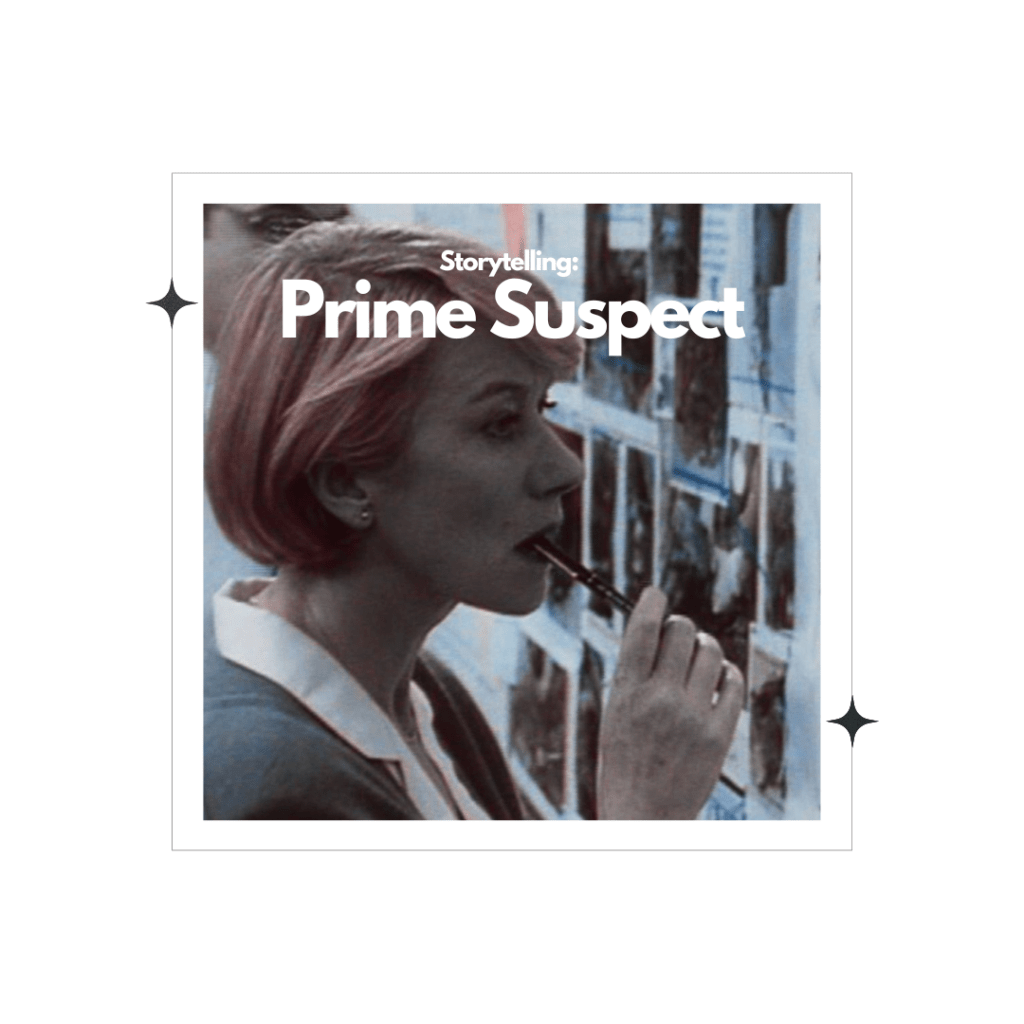
Prime Suspect
“Prime Suspect” is a crime drama television series that follows Detective Chief Inspector Jane Tennison as she navigates her male-dominated world while leading investigations into high-profile cases.
Hook: The series begins with the discovery of the murder of a young woman, which immediately grabs the audience’s attention and sets the stage for the rest of the season.
Characters: The main character, Jane Tennison, is a complex and flawed detective who faces sexism and hostility from her colleagues. She is determined to prove herself and is willing to take risks to solve cases. The supporting cast, including Tennison’s team and suspects in the investigations, are also well-developed and add depth to the story.
Conflict: The show is full of conflicts, both external and internal. Tennison must navigate the politics of the police department, deal with the pressures of high-profile cases, and confront her own personal demons. The investigations themselves are filled with twists and turns, keeping the audience engaged and guessing.
Plot: The plot is structured around the investigations, with each episode focusing on a new case or aspect of an ongoing investigation. The pacing is well-executed, with tense moments interspersed with quieter scenes that allow for character development.
Themes: The show explores themes of gender, power, corruption, and justice. The portrayal of sexism within the police department adds depth to the story and highlights the challenges faced by women in male-dominated professions.
Performance: Helen Mirren delivers a standout performance as Jane Tennison, bringing a mix of vulnerability and toughness to the role. The supporting cast also delivers strong performances, adding to the overall quality of the show.
“Prime Suspect” is a well-crafted crime drama that explores complex themes and features a strong lead performance from Helen Mirren.
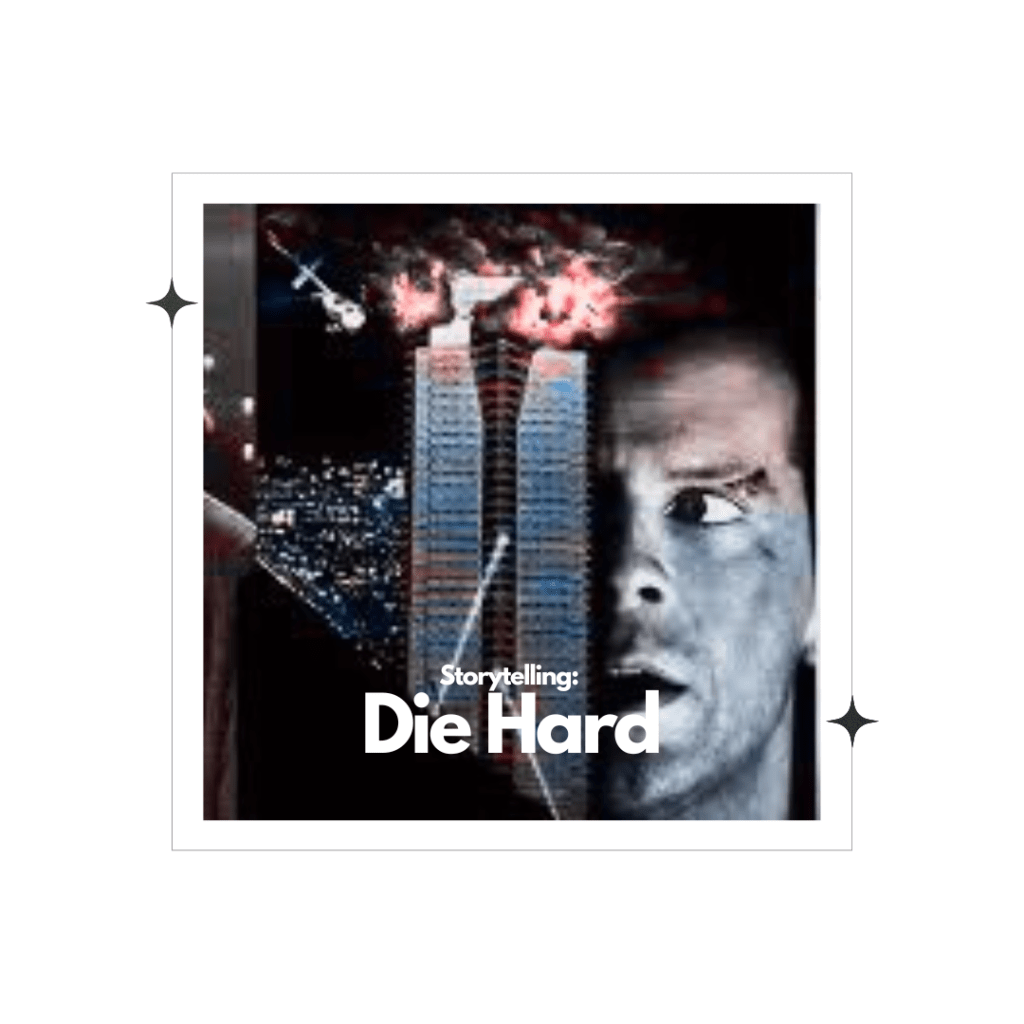
Die Hard
Who doesn’t love ‘Die Hard’?! The iconic 1980s action film (is it a Christmas movie? – debate!) propelled Bruce Willis into action movie stardom and remains a favourite with audiences today.
Let’s have a look at the storytelling and how Die Hard reels us in.
Hook: The movie starts with a high-stakes hook as John McClane, a New York cop, arrives in Los Angeles to visit his estranged wife at her workplace, Nakatomi Plaza. The audience is immediately thrust into the action as a group of terrorists take over the building, trapping McClane inside.
Characters: The main character is a flawed but relatable hero. He’s a tough, wisecracking cop who’s also struggling with his personal life. The film’s villain, Hans Gruber, is a sophisticated and intelligent terrorist who provides a worthy opponent for McClane.
Conflict: The movie is full of action-packed conflict as McClane battles the terrorists and tries to save the hostages. The tension is heightened by the fact that McClane is alone and outmatched, and the stakes are raised as he races against time to save his wife and stop the terrorists from getting away with their plan.
Plot: The plot is tightly structured and keeps the audience engaged from start to finish. The film’s pacing is excellent, alternating between moments of intense action and quieter scenes that allow the audience to catch their breath. The story is also well-crafted, with several twists and turns that keep the audience guessing.
Theme: The film explores themes of heroism, sacrifice, and redemption. McClane is forced to confront his own shortcomings as a husband and a father while also saving the lives of strangers. The film’s theme of ordinary people rising to the occasion in times of crisis adds emotional depth to the story.
Setting: The setting of the movie, Nakatomi Plaza, is a character in its own right! The skyscraper’s towering height and luxury contrast sharply with the chaos and violence unfolding inside. The setting adds to the dramatic tension, creating a sense of claustrophobia and isolation.
Performance: Bruce Willis delivers a standout performance as John McClane, bringing a mix of humour, vulnerability, and toughness to the role. He is supported by a strong cast, including Alan Rickman as Hans Gruber, who brings delicious depth and nuance to the villainous role.
‘Die Hard’ has all the key components for great storytelling – action, pacing, relatable characters, and universal themes. It remains a beloved classic of the action genre and has influenced countless films that have followed in its footsteps.
Storytelling is an art form that has captivated readers for centuries. Whether you’re a writer seeking to craft compelling fiction, or a reader looking to dive into a great story, understanding the anatomy of a great story is essential. A great story is one that draws us in with immersive world-building, well-crafted plots, and memorable characters. It explores themes that resonate and leaves a lasting impression long after the final page has been turned. By mastering the art of storytelling and paying attention to the key elements that make up great stories, writers can create works of fiction that resonate with people on a deep level.
So, whether you’re a fan of mysteries, romance, science fiction, or any other genre, take a moment to appreciate the artistry of storytelling and the power of great stories to entertain, educate, and inspire.
Thanks for taking the time to read this post. If you found it informative and entertaining, please consider sharing it with your friends and followers on social media. And if you have any feedback or suggestions for future topics, I’d love to hear from you in the comments below. Don’t forget to subscribe for more content and updates, or pop over to my newsletter page for more crime stuff, direct to your inbox every month.
Crime fiction is a genre that has been popular for decades, captivating readers with thrilling tales of suspense, mystery, and intrigue. While human protagonists typically take centre stage in these stories, animals have also played a significant role in many works of crime fiction. From furry foes to sleuthing sidekicks, animals have been used in various ways to add depth and complexity to the genre.
Here’s an exploration of the use of animals in crime fiction, examining how they have been used to enhance storytelling, develop characters, and create unique and memorable narratives. So grab your magnifying glass and get ready to delve into the world of crime fiction and its four-legged (and feathered) accomplices!
Dogs
Let’s start with a classic: The “hound” in “The Hound of the Baskervilles”.
The “hound” is a central character and a crucial element of the novel’s plot, a legendary spectral dog that haunts the Baskerville family and is said to be responsible for the death of Sir Charles Baskerville.
The hound is used as a symbol of fear, superstition, and the supernatural, which plays an important role in creating the suspenseful and eerie atmosphere of the novel. The image of the hound is built up through descriptions of its terrifying appearance and the mysterious circumstances surrounding its supposed existence.
The hound also serves as a key plot device as the story progresses. Sherlock Holmes and Dr. Watson investigate the Baskerville family’s history and the curse of the hound, attempting to uncover the truth behind the supposed supernatural events. The hound is also used to create a sense of danger and tension in the novel’s climactic scenes. Its final appearance is a dramatic and frightening moment, providing a thrilling conclusion to the story.
The hound plays a vital role in “The Hound of the Baskervilles,” serving as a powerful symbol and a central plot device, contributing to the novel’s suspenseful and thrilling atmosphere.
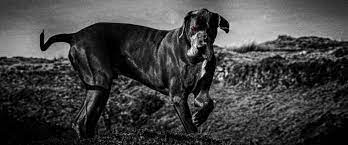
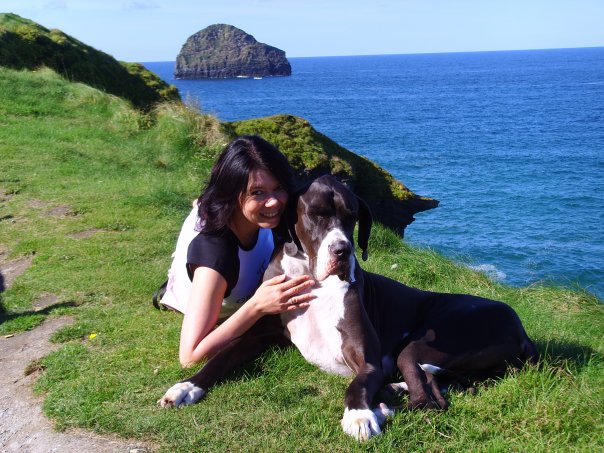
Slight digression: the “hound” used in the film was a great dane called Blitzen. As a former great dane owner it tickles me that a dane was used to depict the ultimate scary beast. They’re the softest creatures in dogland!
Fiction (left) versus reality (right). My big softie Strider.
There are many examples of trusty canine sidekicks in crime fiction including Tara in the Andy Carpenter series by David Rosenfelt – a golden retriever owned by lawyer Andy Carpenter, who assists him in his investigations. In the Chet and Bernie mystery series by Spencer Quinn, Chet is a dog and the sidekick of private investigator Bernie Little.
Sleeping Dog, written by Dick Lochte, is considered a ground-breaking crime fiction novel, and the credit goes to Groucho, the missing dog that serves as the main plot device. Groucho’s abduction prompts a 14-year old girl named Serendipity to seek out the help of private investigator Leo Bloodworth in finding her beloved pet. The thrilling escapade that follows has become a classic in the genre, earning accolades such as the Nero Wolf Award, and being a finalist for the Shamus, Anthony, and Edgar Awards. Additionally, it has also been listed as one of the Independent Mystery Booksellers Association’s 100 favourite mysteries of the century.
Although Artie Deemer is the main protagonist in Dallas Murphy’s crime fiction series, it’s Jellyroll who steals the spotlight. This Edgar Award-winning series has made Jellyroll one of the most recognisable dogs in crime fiction, and even prompted death threats directed at the celebrity dog in Don’t Explain. With appearances on the big screen, television, and dog food packaging, Jellyroll is more of a “Bankroll,” given that his earnings finance Artie’s escapades.
Cats
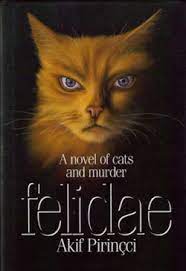
Cats are inherently inquisitive, cunning and stealthy which makes them purrfect (sorry, couldn’t resist) slinky sleuths, particularly in cosy mysteries. They’re fearless and sassy and not afraid to dip their claws into the most dastardly of dark deeds.
Feline fact finders can be found in these cosies:
Cat Chase the Moon, Shirley Rousseau Murphy. Furmidable Foes, Rita Mae Brown. Cat in an Alphabet Endgame, Carole Nelson Douglas. A Cat on the Case, Clea Simon. Purrfect Murder, Nic Saint. The No. 2 Feline Detective Agency, Mandy Morton.
One of the most common symbolic uses of cats is to represent a sense of mystery or enigma. This is often seen in the way that cats are depicted as independent, aloof creatures who are difficult to read or understand. In this way, cats can be seen as a metaphor for the elusive and mysterious nature of crime itself.
Another common symbolic use of cats in crime fiction is to represent danger or evil. This is often seen in the way that cats are depicted as predators, stalking their prey and striking with deadly precision. In some cases, cats are even portrayed as being in league with the criminal underworld, acting as accomplices to the villains of the story.
On the other hand, cats can also be used to symbolise wisdom and intuition. In some stories, cats are portrayed as being able to sense danger or evil before it becomes apparent to humans. They are also sometimes shown as being able to guide the protagonist towards the solution of a crime through their intuition and keen sense of observation.
Cats are often associated with the supernatural and the occult, due to their nocturnal nature and their connection to witches and magic. This has led to cats being portrayed as both good and evil in various works of literature and media.
Overall, the symbolism of cats varies depending on the culture and context in which they are portrayed. However, some common themes include mystery, independence, agility, femininity, grace, and the supernatural.
Birds
Birds are used in crime fiction to represent different themes, depending on the type of bird. Owls, for example, represent wisdom and insight, and are often used as a symbol of the detective’s intelligence and analytical skills.
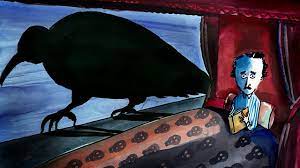
Crows and ravens, on the other hand, represent danger and foreboding, and are often used to create a sense of impending doom in the story. In Daphne du Maurier’s “Rebecca,” the sinister presence of crows and ravens around the Manderley estate creates a sense of foreboding and impending danger.
Horses
Horses have been used as a powerful symbol in literature, art, and mythology for centuries. The symbolism of horses can vary depending on the cultural context and the specific work of art or literature, but some common themes and interpretations include:
Strength and Power: Horses are often associated with strength, speed, and power. In many cultures, horses were used as a mode of transportation in warfare, and their strength and speed made them a valuable asset on the battlefield. In literature and art, horses are often depicted as powerful and majestic creatures, representing strength and endurance.
Freedom: Horses are also associated with freedom, as they are able to run and roam freely in open spaces. In literature and art, horses are often used as a symbol of freedom, representing the desire to break free from constraints and live a life of independence and adventure.
Spirituality and Mysticism: Horses represent spirituality and mysticism in some cultures. In Hindu mythology, for example, horses are associated with the sun and are seen as symbols of spiritual strength and power. In some Native American cultures, horses are seen as messengers between the physical world and the spiritual realm.
Loyalty and Friendship: Horses are also known for their loyalty and their close bond with their human companions. In literature and art, horses are often depicted as loyal and steadfast companions, representing the qualities of loyalty and friendship.
Death: In some cultures, horses are associated with death and the afterlife. In Norse mythology, for example, the god Odin was said to ride an eight-legged horse named Sleipnir that could carry him to the underworld. In some Native American cultures, horses were believed to carry the spirits of the dead to the afterlife.
In Dick Francis’s novel “Break In,” a horse trainer named Kit Fielding becomes involved in a series of crimes related to the racing industry. The novel features several scenes of horse racing and training, and the horses themselves play a key role in the plot.
Michael Connelly’s “The Black Echo,” also features horses when LAPD detective Harry Bosch investigates a murder that appears to be linked to a group of horse thieves. The novel features several scenes set in the world of horse racing, and the stolen horses play a key role in the plot.
Snakes
Snakes have been used as symbols in fiction to represent various ideas and concepts, including:
Evil or temptation: Snakes are often associated with the devil or other dark, malevolent forces in many cultures, and are used to represent temptation, corruption, and evil in literature.
Transformation and rebirth: In some cultures, snakes are seen as symbols of transformation and renewal, shedding their skin and emerging as a new, transformed being. This idea is often used in literature to represent personal growth or spiritual enlightenment.
Deception or trickery: Because snakes are often associated with cunning and stealth, they are also used in literature to represent deception or trickery. For example, in Shakespeare’s “Macbeth,” the witches who prophesy Macbeth’s rise to power compare him to a snake.
Danger and threat: Snakes are also seen as symbols of danger and threat, due to their venomous nature and reputation as predators. In literature, snakes are often used to create a sense of danger or foreboding, or to represent an ominous presence.
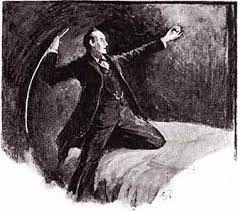
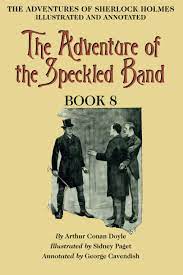
In Arthur Conan Doyle’s “The Adventure of the Speckled Band,” a speckled band is revealed to be a venomous snake that is used as a murder weapon. The snake is a key element in the mystery, and its deadly nature represents the danger that threatens the characters.
“The Speckled Band” is a classic locked-room mystery that deals with the themes of parental greed, inheritance and freedom. Tinged with Gothic elements, it is considered by many to be one of Doyle’s finest works, with the author himself calling it his best story.
Insects
Insects have been used as symbols in fiction to represent various ideas and concepts, including:
Transformation and metamorphosis: Insects, particularly butterflies and moths, are often used to represent the idea of transformation and metamorphosis.
Decay and death: Insects are also associated with decay and death, as they are often found around decomposing matter. In literature, insects are used to represent the inevitability of death and the transience of life.
Repulsion and disgust: Because insects are often seen as creepy, crawly, and repulsive, they are also used in literature to create a sense of revulsion and disgust. Insects can be used to represent the ugliness or darkness within characters, or to create an unsettling atmosphere.
Persistence and resilience: Insects are known for their persistence and resilience, and are often used in literature to represent these qualities.
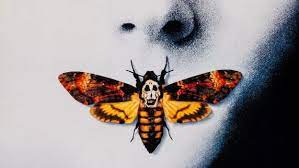
In Thomas Harris’s “The Silence of the Lambs,” the character of Jame Gumb, also known as “Buffalo Bill,” has a death’s head moth as a significant symbol.
The death’s head moth is a symbol of transformation and metamorphosis, as it goes through several stages of development before emerging as a fully-formed adult. In the novel, this symbol represents the transformation that Gumb seeks to achieve through his gruesome crimes, as he is attempting to create a “woman suit” to wear as a means of becoming someone else entirely.
The moth symbol in “The Silence of the Lambs” serves to underscore the theme of transformation and metamorphosis, and highlights the disturbing nature of Gumb’s obsession with changing his own identity.
In conclusion, animals have played a significant role in many works of crime fiction, adding depth and complexity to the genre. Dogs have been used as both fearsome foes and loyal sidekicks, contributing to the suspenseful atmosphere and aiding the protagonists in their investigations. Cats, on the other hand, have been portrayed as elusive and mysterious creatures, representing both danger and wisdom, and their connection to the supernatural adds an element of intrigue to many stories.
Animals have proven to be a valuable asset in enhancing storytelling, developing characters, and creating unique and memorable narratives in crime fiction.
Thanks for taking the time to read this post. If you found it informative and entertaining, please consider sharing it with your friends and followers on social media. And if you have any feedback or suggestions for future topics, I’d love to hear from you in the comments below. Don’t forget to subscribe for more content and updates, or pop over to my newsletter page for more crime stuff, direct to your inbox every month.
The direction of the staircases in Broadstone Castle is mentioned a few times in ‘Justified’, but is it true that staircases were deliberately built in a clockwise (from the bottom upwards) direction to hinder raiders?
The theory is that attackers from below would struggle to wield a sword upwards without clanging into the central newel column (the narrowest part of the staircase) and they’d have to reach around the curve blindly while attacking. Perhaps more importantly, defenders retreating upwards would have the advantage of greater space to swing their sword arm downwards and a better view of the invaders below.
You could argue that anti-clockwise is just as problematic. Attackers would have their right hand (usually the sword wielding arm) against the outer wall of the staircase, which isn’t ideal either.
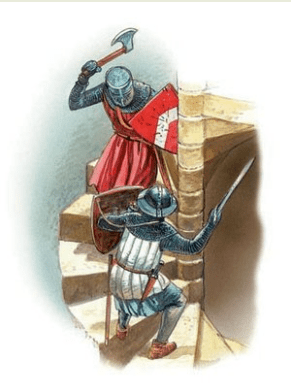
This image (from Newcastle Castle’s archives) demonstrates the issue. Undoubtedly, the attacker below is in an awkward position and is going to have a tough time swinging his sword around the central post to his right. But the chap with the axe isn’t having much fun either. His shield arm is scrunched up against the newel and he’s at risk of bashing his right arm against the outer wall as he swings.
Fighting in a tight, circular space is tough for both parties.
While there’s little solid evidence to support the case for clockwise construction, there’s also no evidence which proves otherwise. Sometimes, as John says in ‘Justified’, interpreting medieval history involves reading between sketchy lines and there’s no documented proof that potential attacks were ever an architectural or engineering consideration. You could argue, that if invaders are in your stairwell the battle is probably already lost.
A potentially more useful ploy was to build uneven stairs. The regular occupants would be aware of the irregularities, but an unseasoned invader would be more likely to stumble and alert the defenders above of their approach. Again though, were uneven steps a deliberate design feature or just a result of years of use and the availability of materials at the time?
There are also practical considerations. Someone carrying a pail in their right hand for example would find it easier to ascend in a clockwise direction. Or perhaps the stairwells were used in pairs, with one for ascending, one for descending, as passing on a spiral staircase is a tricky business. It makes sense that practical, daily considerations would outweigh the possibility of needing to fight invaders.
During my research for the book, the most comprehensive study I found on this subject was compiled by the Castle Studies Group. Established in 1987 by the then Secretary Dr Robert Higham, the Castle Studies Group includes members both professional and amateur from a wide and varied range of historical and archaeological backgrounds, both in the British Isles and overseas.
Their extensive study of this subject, including dozens of site visits, shows that while Norman castles did favour clockwise staircases, from the mid-1200s to the end of the 15th century, anti-clockwise took over. In some instances, this appeared to be a design preference or for domestic flow, with staircases in opposing towers mirroring each other rather than turning in the same direction.
So, gradually over several hundred years, the trend for clockwise evolved into a tendency to have both, and aesthetic needs overtook practical considerations.
A bit like mobile phones, which started out as handheld bricks, went smaller and smaller and are now huge again …
If you have a spiral staircase, let me know which way it goes!
If this intrigues you, more comprehensive articles on the subject can be found below:
Thanks for taking the time to read this post. If you found it informative and entertaining, please consider sharing it with your friends and followers on social media. And if you have any feedback or suggestions for future topics, I’d love to hear from you in the comments below. Don’t forget to subscribe for more content and updates, or pop over to my newsletter page for more crime stuff, direct to your inbox every month.
I’ll be honest; we mostly planned our last family staycation based on the number of castles we could visit in one week.
I’m such a castle geek, and having visited most of the castles in the UK I was excited to discover I’d never been to any in Northumberland. Fortunately, my partner shares my love of history, and our daughters are so laid back they’re happy to romp around some ramparts for a while as long as there’s an ice cream at the end of it.
It’s a double win for me. I’m an amateur photographer and it’s a great excuse to get out my ‘big’ camera and shoot some interesting pics for the family album and my inspiration files.
Northumberland didn’t disappoint. I’m going to sound like the Tourist Board here, but it’s a beautiful part of the country, rich in history and packed with places to visit. Plus – bonus – no one was travel sick on the journey.
Lindisfarne
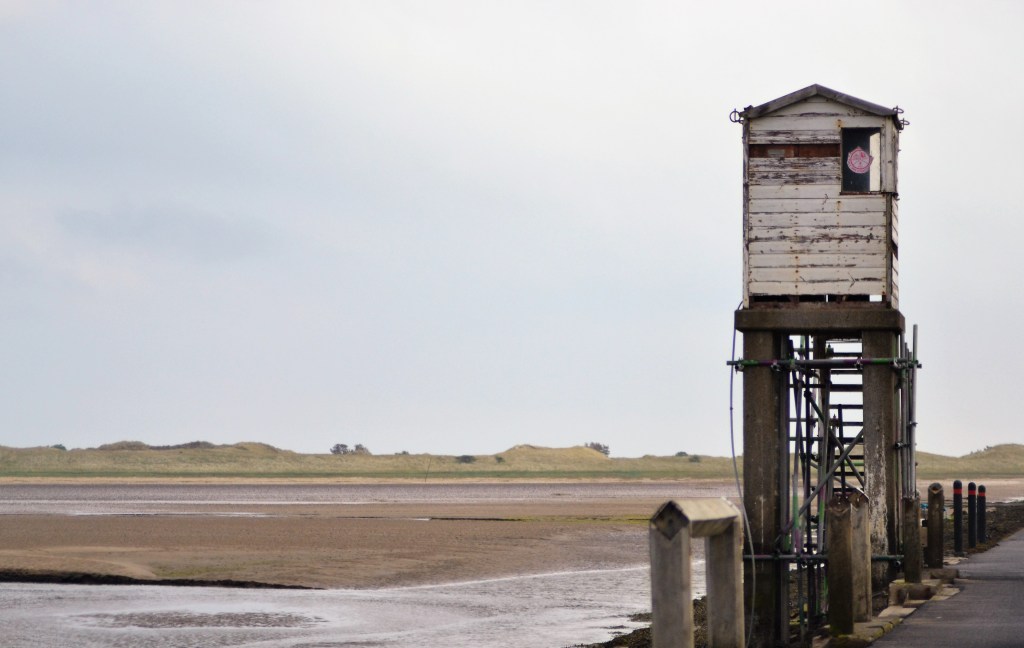
No trip to Northumberland is complete without a trip to Holy Island. Historically, it’s a fascinating place, and its limited accessibility adds to its mystique. The causeway road can only be crossed during certain hours when the tide out, so it varies daily. Lindisfarne Priory on the island was one of the most important centres of early Christianity in Anglo-Saxon England.
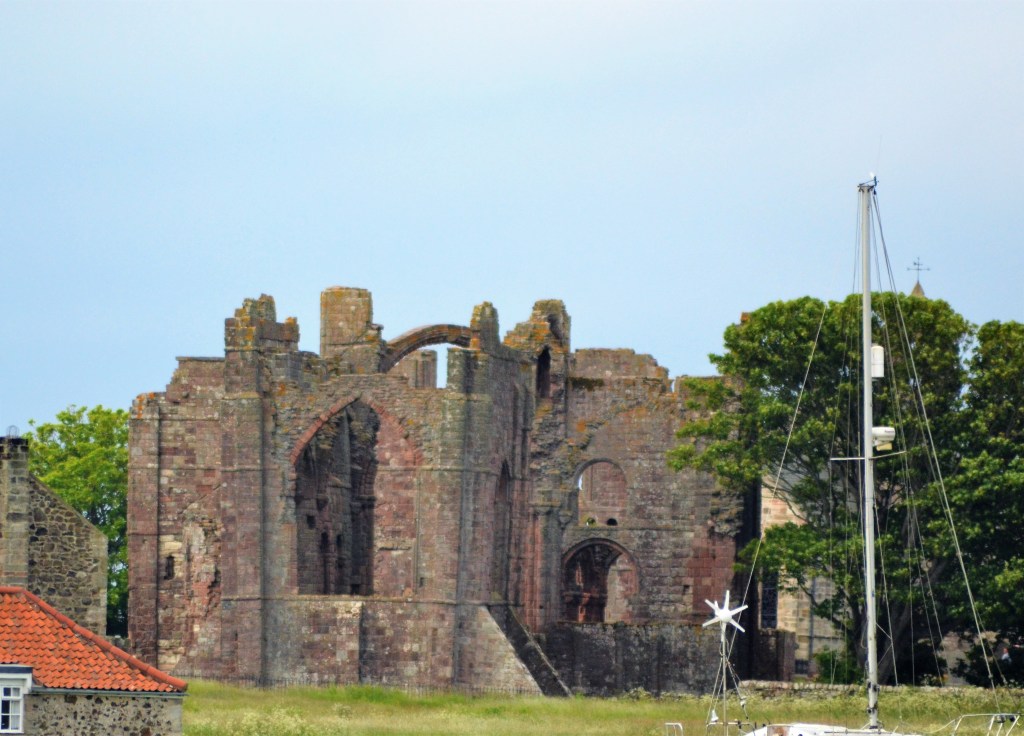
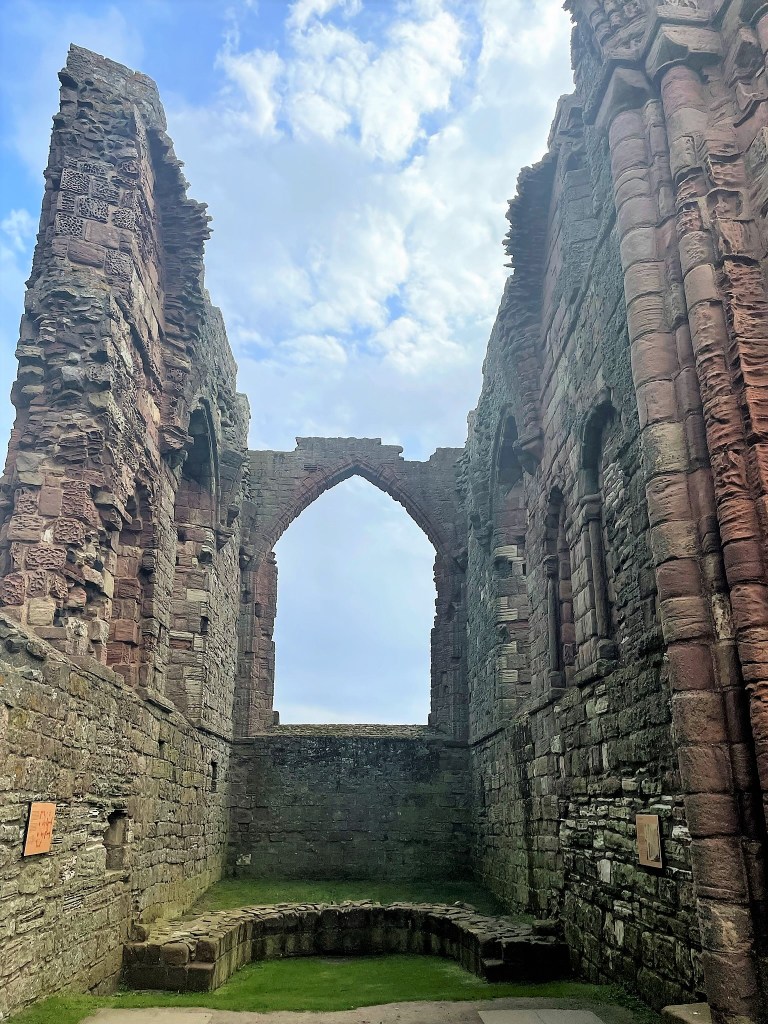
Lindisfarne prioryLindisfarne castle from the prioryPriory archThe mainland from LindisfarneThe causeway
Here’s the history bit:
St Aidan founded the monastery in AD 635, but St Cuthbert, prior of Lindisfarne, is the most celebrated of the priory’s holy men. After his death, people came to pray at the grave and claimed miracles of healing occurred after their visit. To the monks of Lindisfarne this was a clear sign that Cuthbert was now a saint in heaven and as the saint’s community, they should declare this to the world.
They decided to allow 11 years for his body to become a skeleton and then ‘elevate’ his remains on the anniversary of this death (20th March 698). To their surprise, when they opened the coffin, they found a complete and undecayed body.
The cult of St. Cuthbert began, and pilgrims began to flock to the shrine.
From the end of the 8th century, the isolated island with its rich monastery was easy prey for Viking raiders. In 875 the monks left, carrying Cuthbert’s remains, which after long wanderings were enshrined in Durham Cathedral in 1104, where they still rest. Only after that time did Durham monks re-establish a priory on Lindisfarne: the evocative ruins of the richly decorated priory church they built in c. 1150 still stand, with their famous ‘rainbow arch’ – a vault-rib of the now vanished crossing tower.
Lindisfarne castle is a distinctive landmark and can be seen on its loft crag from miles away. Following the dissolution of the monasteries by Henry VIII, the Castle was built in the 1550s using stones from the demolished Priory.
Alnwick Castle
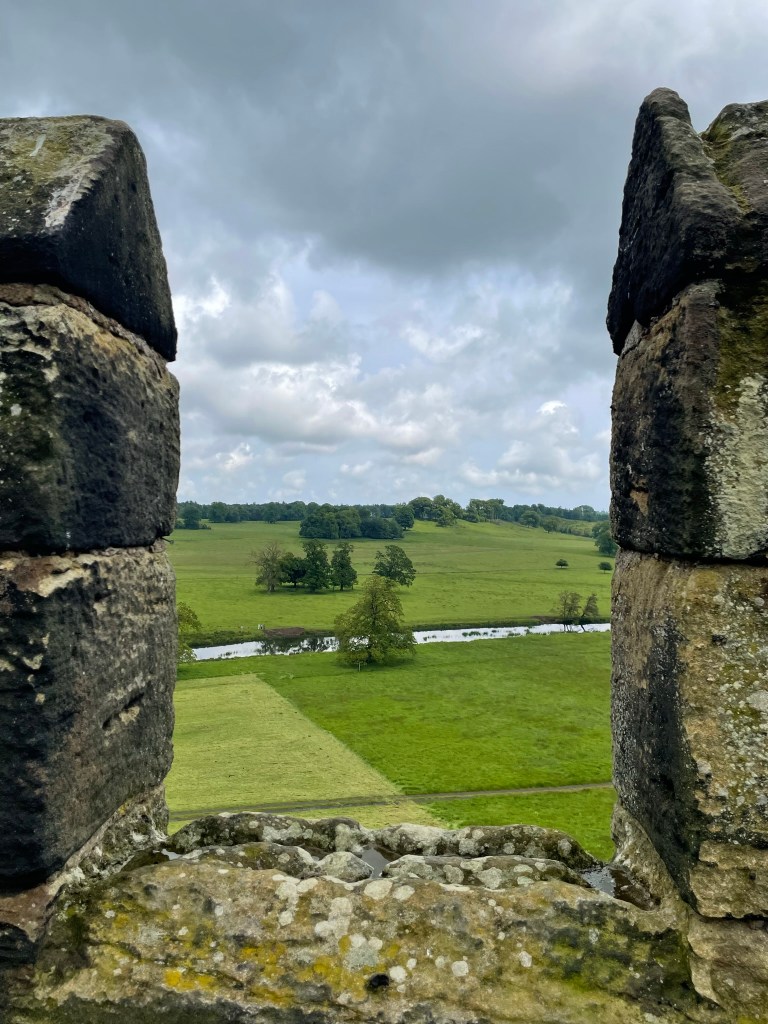
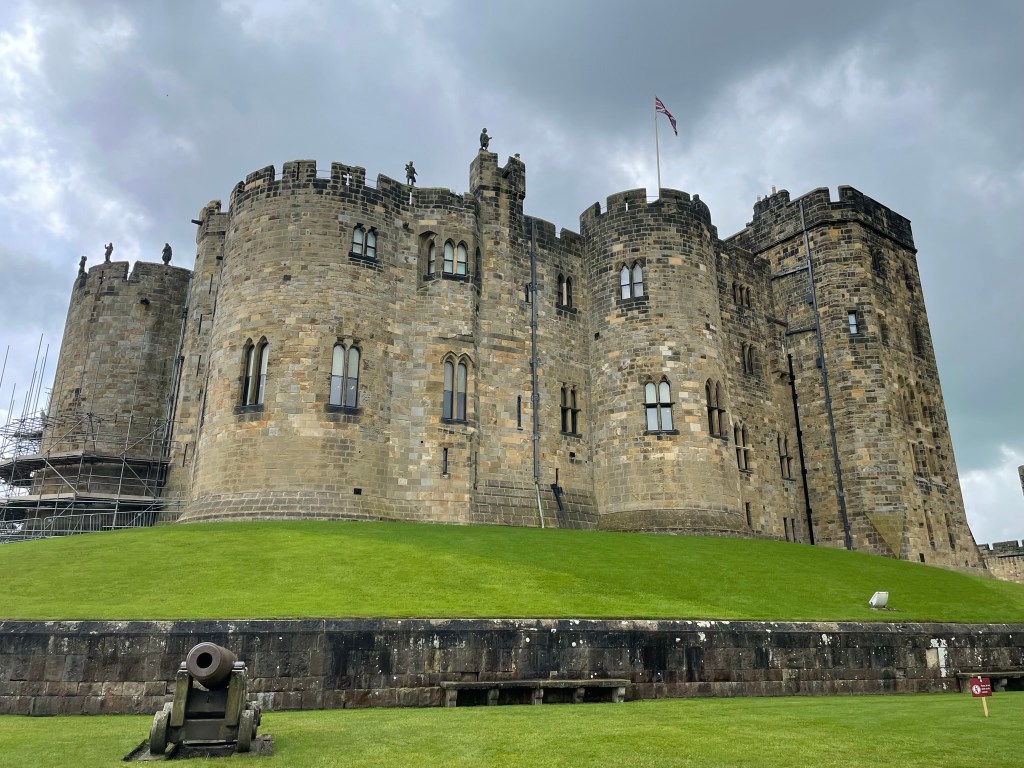
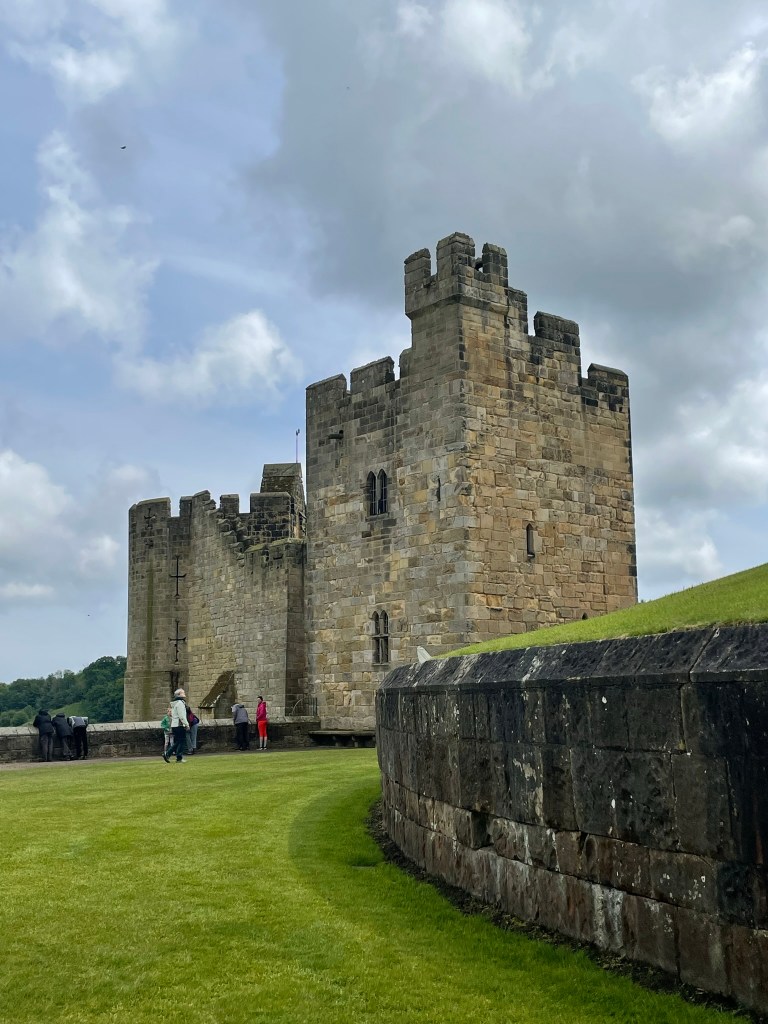
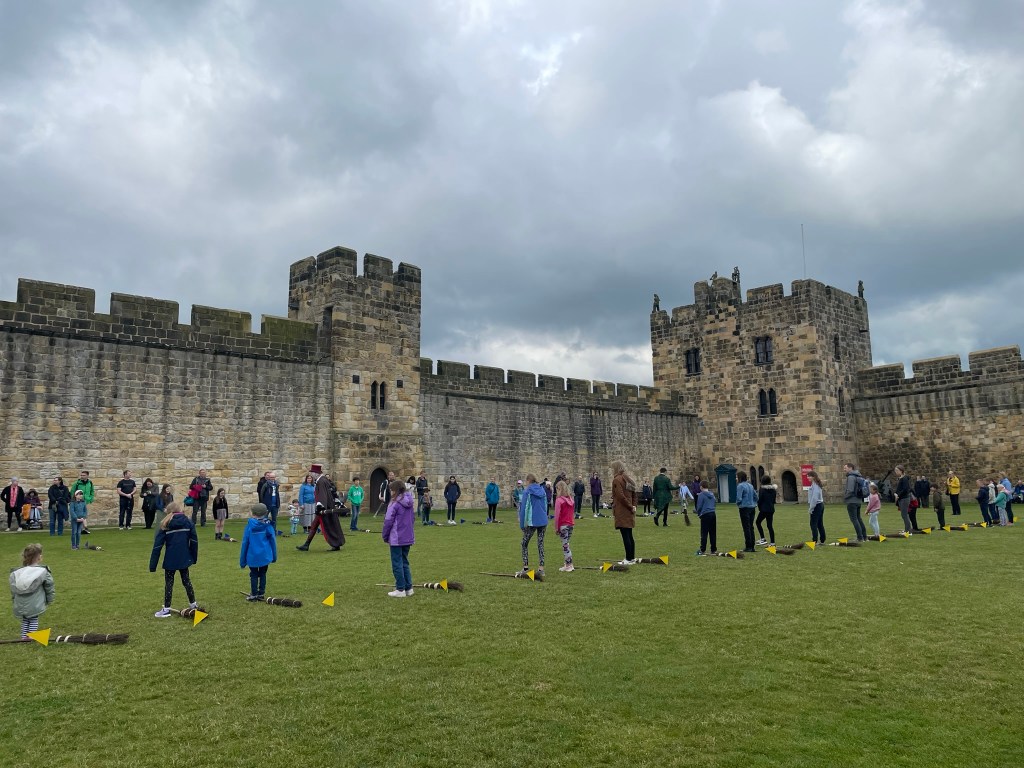
The second largest inhabited castle in the UK, Alnwick has served as a military outpost, a teaching college, a refuge for evacuees, a film set, and remains a family home. You might recognise it from the Harry Potter films, and on the day we visited there were broomstick ‘flying’ lessons and other Harry Potter themed activities happening throughout the day.
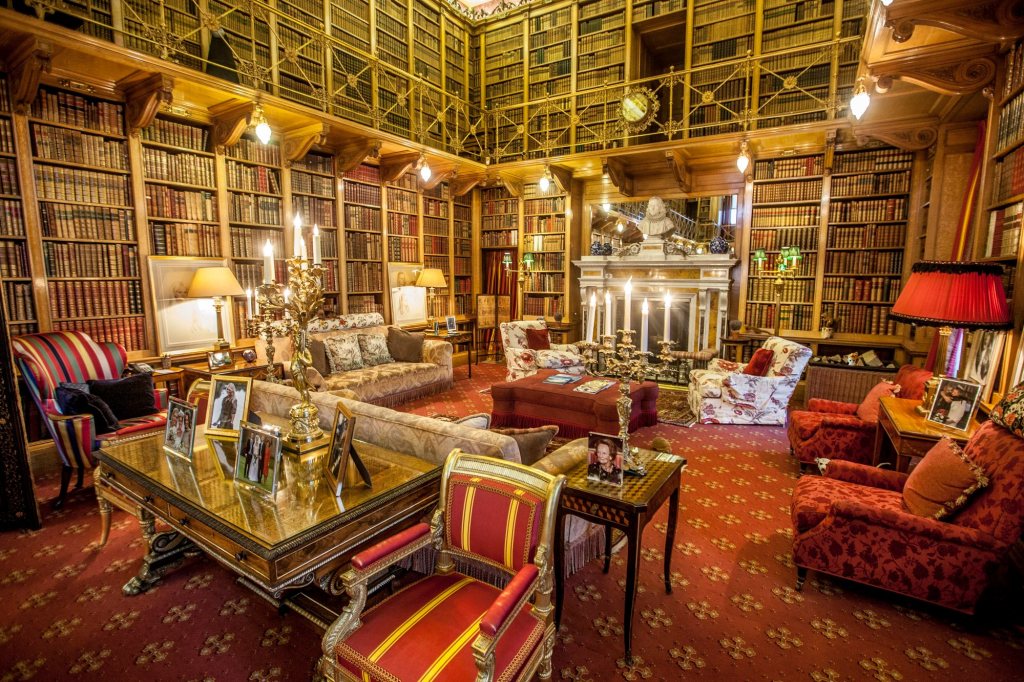
The castle construction began around 1096 and it became home to the Percy family (who still live there today) in 1309. The library is simply stunning with – cue book envy – over 14,000 books on its multi layered shelves. Because it’s still a family home, visitors are asked not to take photos inside, but this pic from the castle’s Facebook page shows the library in all its beauty.
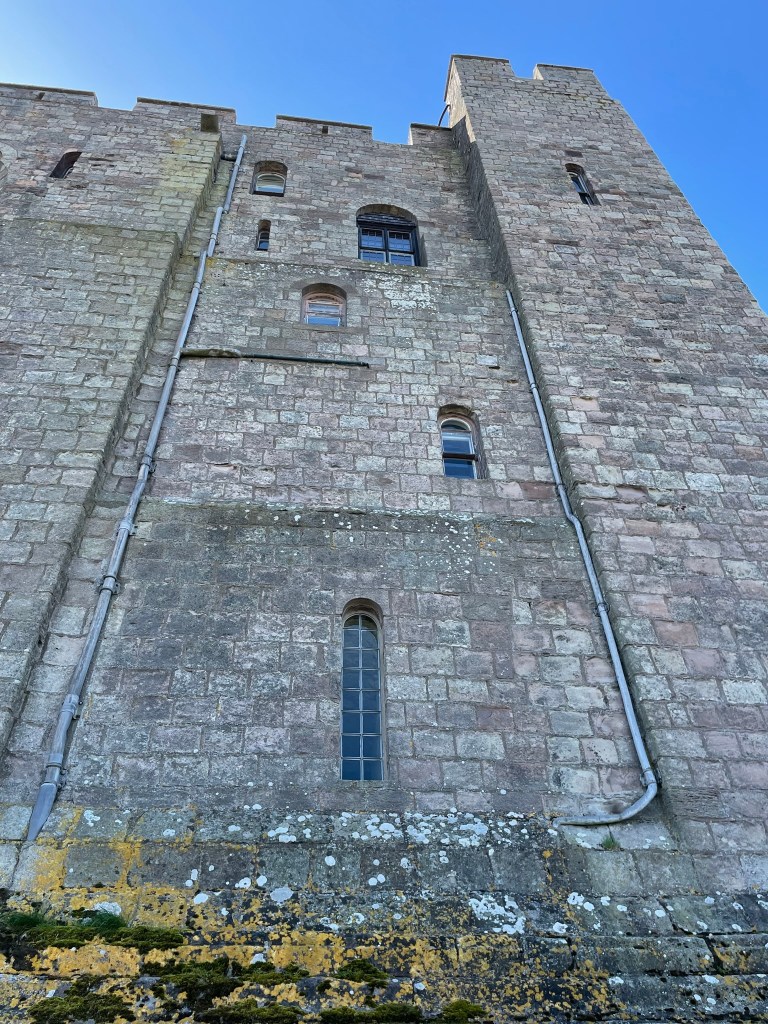
Bamburgh Castle has stood guard above the spectacular Northumberland coastline for over 1,400 years. Spanning nine acres of land on its rocky plateau, it’s one of the largest inhabited castles in the country.
There’s been some kind of defensive structure at Bamburgh since at least the 6th century and it’s regarded as the ancient capital of the powerful kingdom of Northumbria.
Bamburgh, or it’s ancient name of Bebbanburgh, is mentioned extensively throughout the TV series ‘The Last Kingdom’. The series was filmed mostly in Hungary, but some of the battle scenes from season three were filmed on Bamburgh beach in the shadow of the famous castle. Both Robin of Sherwood (TV series) and the movie Robin Hood Prince of Thieves also used Bamburgh as a set.
Bamburgh CastleSea view
Dunstanburgh
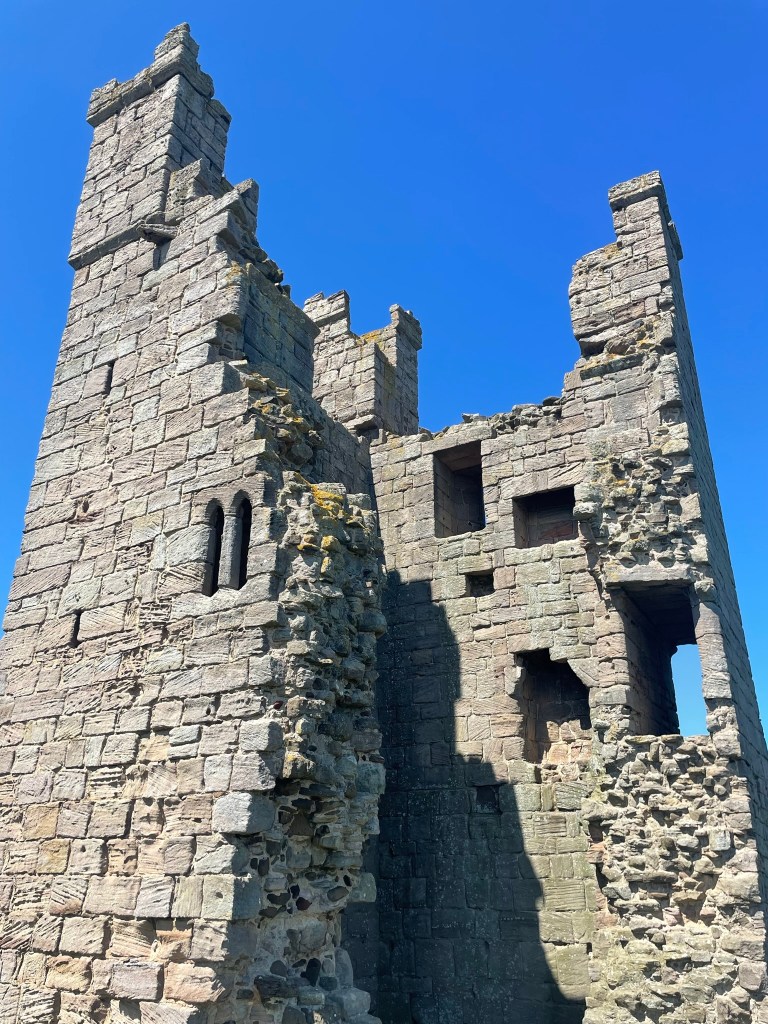
Well worth the walk, Dunstanburgh, is an iconic castle ruin and was once one of the largest and grandest fortifications in Northern England. It was built by Thomas, the Earl of Lancaster, between 1313 and 1322, a powerful English baron and the second richest man of his time, after the king of England.
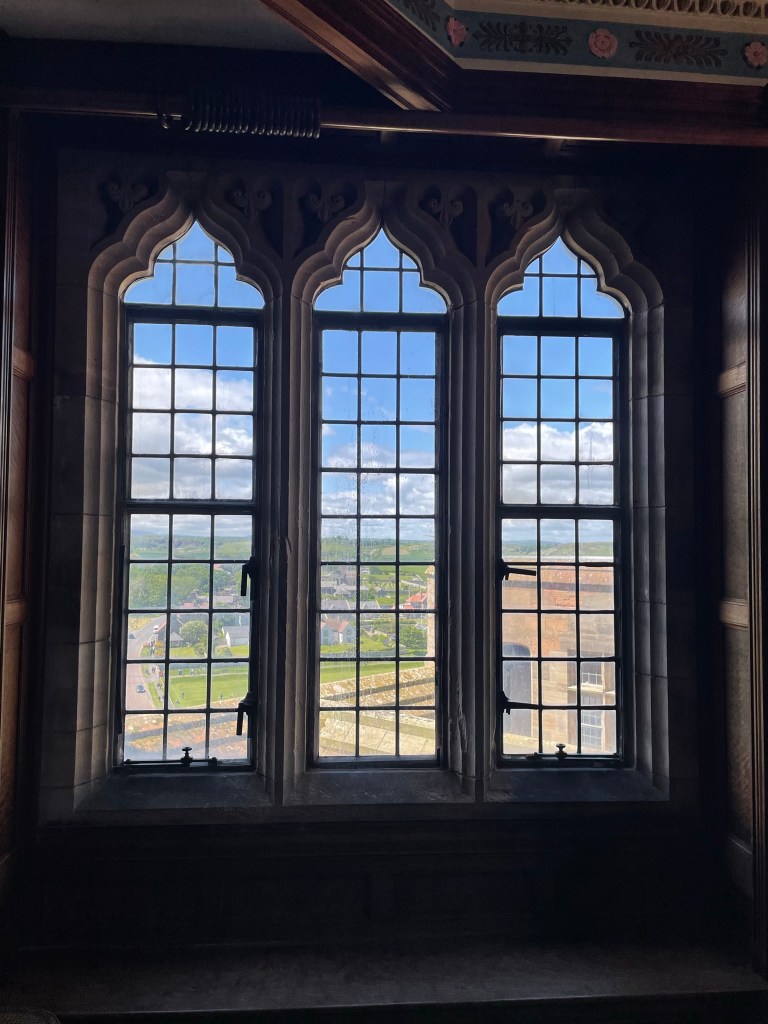
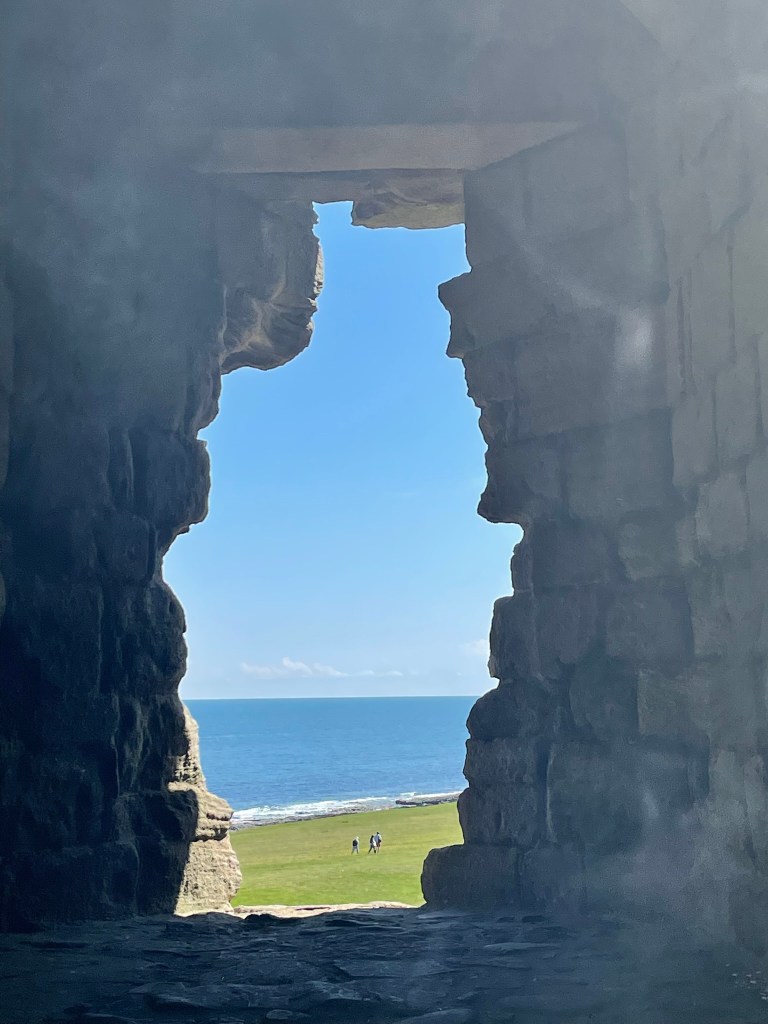
It’s a stunning ruin, and although it lacks the grandeur of Alnwick and Bamburgh, I enjoyed it the most. I like the honest simplicity of a ruin and how a ruin challenges your imagination. I’m always drawn to windows and doorways. Where did they lead to? What did the occupants see and what were they thinking as they looked out across the beautiful landscape? Some of the more manicured castles fill in those precious gaps too much for me.
Dunstanburgh approach
There are 70 castles in Northumberland, and we managed to visit three. In our defence, we were distracted by the gorgeous beach near our cottage and hindered by a couple of days of good old British rain.
Which castle provided the inspiration for Broadstone?
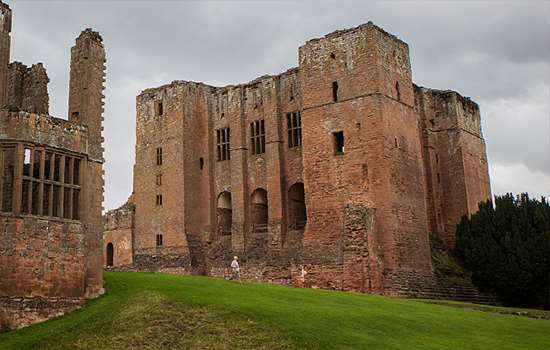
Although Broadstone is fictitious and an amalgamation of all the beautiful castles I’ve visited over the years, Kenilworth castle can probably take the credit for inspiring me the most. I first went in my late teens and I remember feeling a profound spiritual connection to it that I still can’t really explain. It’s mostly a ruin, but it blew me away.
Image credit: English HeritageImage credit: English Heritage
The image of the keep (right) is the closest visually to how I imagine Broadstone castle.
Thanks for taking the time to read this post. If you found it informative and entertaining, please consider sharing it with your friends and followers on social media. And if you have any feedback or suggestions for future topics, I’d love to hear from you in the comments below. Don’t forget to subscribe for more content and updates, or pop over to my newsletter page for more crime stuff, direct to your inbox every month.

























 Wendy Turner-Hargreaves