Controversial Crime Series in the UK and USA: A Look at Shows That Pushed Boundaries

Crime dramas have been a staple of television programming for decades, but some shows have pushed boundaries and sparked controversy with their depictions of violence, criminal behaviour, and societal issues. In this blog I thought I’d take a look at some of the most controversial crime series to come out of the UK and USA.

Controversial UK Crime Dramas
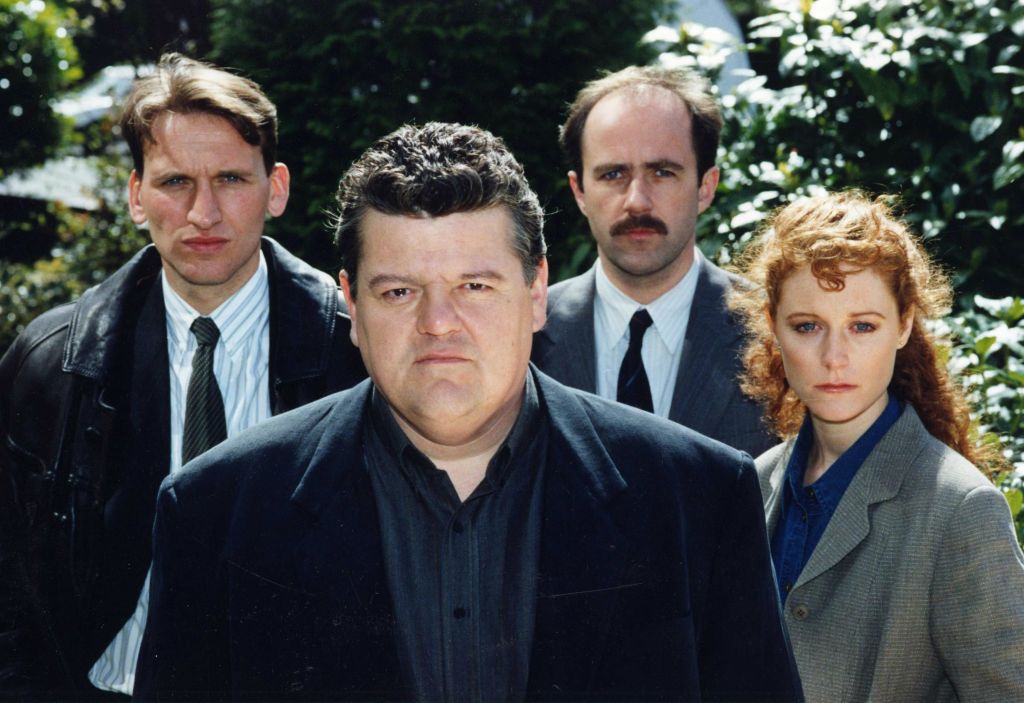
I’m starting with one of my all time favourites: Cracker.


Cracker was a crime drama series that aired in the 1990s and followed the investigations of a mostly obnoxious, anti-social criminal psychologist named Dr. Edward “Fitz” Fitzgerald, brilliantly played by Robbie Coltrane. The show was praised for its realistic portrayal of criminal psychology and Fitz’s complex character, but it also drew criticism for its graphic depictions of violence and negative portrayals of minority groups.


One of the most controversial aspects of Cracker was its portrayal of violence. The show didn’t shy away from graphic and realistic depictions of violence, including sexual violence and murder, which some viewers found disturbing and gratuitous. The show’s creators defended these depictions as necessary to accurately depict the crimes being investigated and to highlight the consequences of violent behaviour.


The show also explored storylines where the police themselves were either the perpetrators or victims of crime. The visceral death of DCI Billborough at the hands of Albie Kinsella (masterfully played by Robert Carlyle) was shocking and stark, a grim reminder of the dangers faced by law enforcement.


Despite the criticisms, Cracker remains a landmark series in the history of crime drama, and its realistic portrayal of criminal psychology has inspired numerous shows and films in the genre. The show’s exploration of Fitz’s character, and his struggles with alcoholism and personal demons, also helped to humanise the typically cold and detached figure of the criminal profiler.

Line of Duty
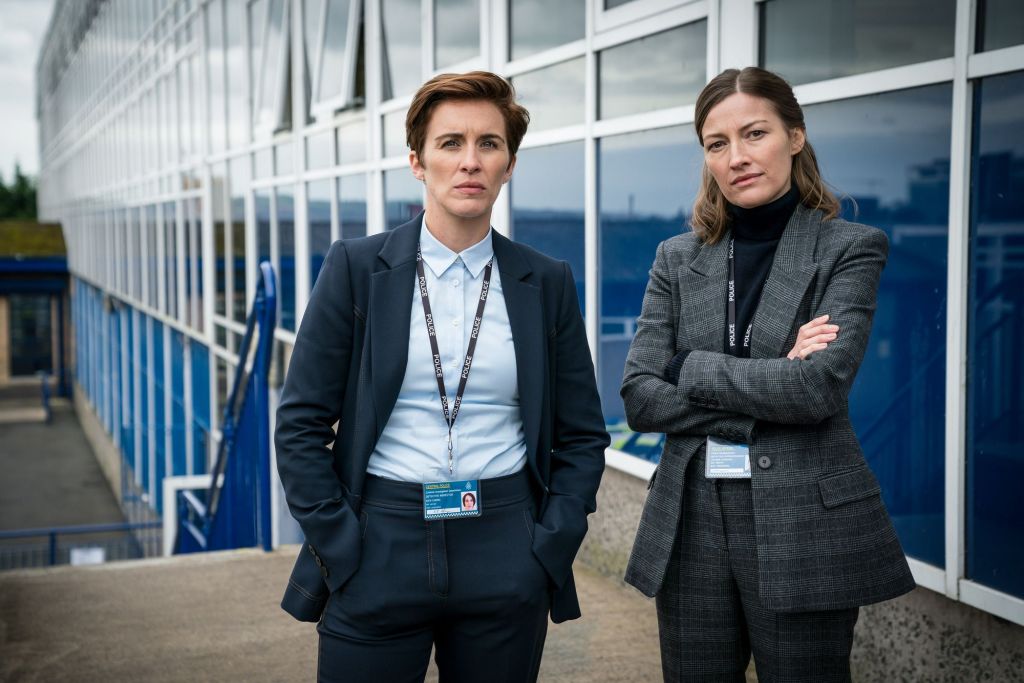

If you haven’t seen Line of Duty – Jesus, Mary, Joseph and the wee donkey, where have you been?


LOD, written by Jed Mercurio (who also wrote Bodyguard) follows AC12, an anti-corruption unit investigating corrupt police officers. The show’s received critical acclaim (and became the UK’s highest rating TV show in 13 years at the end of season 6) and a large following for its intricate plot, strong performances, and realistic portrayal of police work. However, it has also been the subject of controversy due to its graphic depictions of violence and its portrayal of corrupt police officers.

Interesting how the central concept of police corruption has been both widely criticised and endlessly praised. True the violence is graphic, but the show’s creators have stated that they are trying to highlight the issue of police corruption and hold those responsible accountable. Some have argued that the show’s portrayal of corrupt police officers reinforces negative stereotypes.


The critics appear to be in the minority. Line of Duty remains was hugely popular and inspired countless memes, social media pages and debates. The show’s complex characters, intricate plotlines, and nuanced exploration of issues related to police corruption and ethics have made it a standout in the crowded field of crime dramas.

Luthor
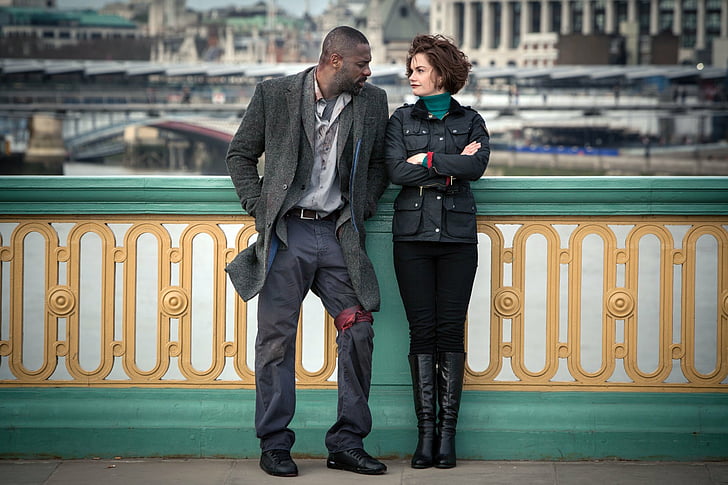

Luther is another British crime drama both praised and criticised for its dark themes and portrayal of violence.


The show stars Idris Elba as DCI John Luther, a brilliant detective who struggles with his own demons and personal relationships while solving some of the most gruesome and twisted crimes in London.


The show doesn’t shy away from graphic and violent scenes, which some viewers have found disturbing and gratuitous. Critics have argued that the show glamorises violence, making it seem almost heroic at times. Others argue that the violence is necessary to accurately portray the gritty reality of police work.


Perhaps the most controversial aspect of “Luther” is its representation of mental health. DCI Luther suffers from various mental health issues, including depression and PTSD, themes explored in the show. Opinions on the representation of these issues are divided. Some argue that the show presents a negative view of mental health, portraying those who suffer from mental illnesses as dangerous and unstable. Others argue that the show is realistic in its depiction of the toll that police work can take on mental health.


However, “Luther” is popular and successful, with a dedicated fanbase, keeping viewers engaged with its complex characters, intense storylines and unpredictable twists.

USA Crime Series
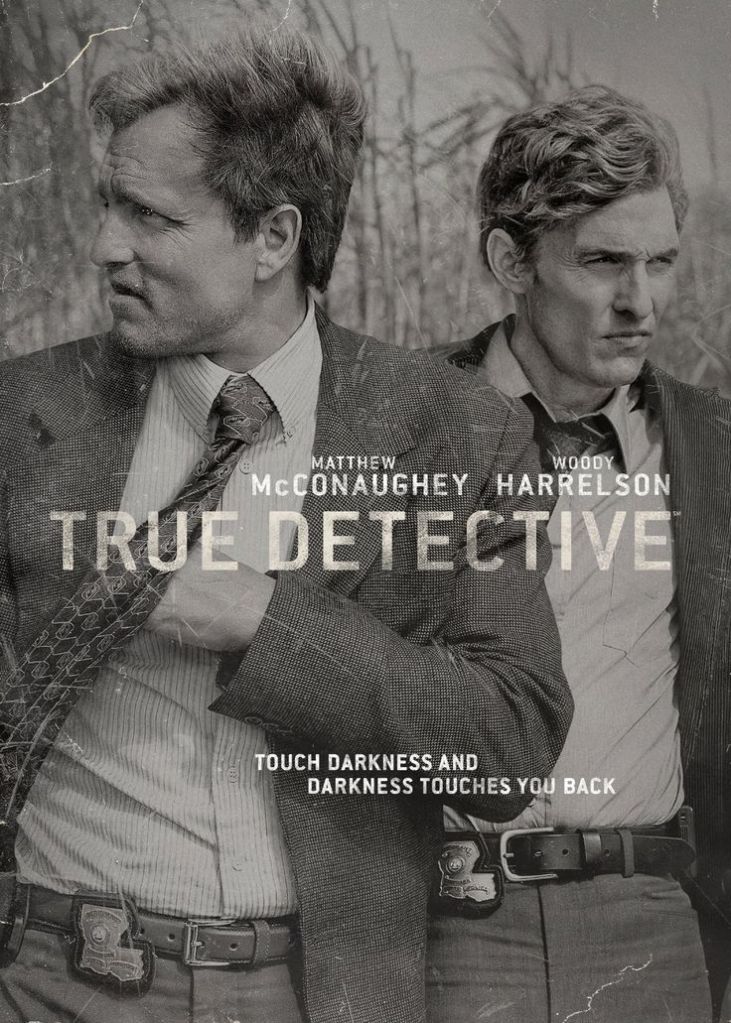
I’m starting with another favourite: True Detective.


True Detective is an American anthology crime drama television series that premiered on HBO in 2014. The series received critical acclaim for its complex storytelling, atmospheric cinematography, and the performances of its cast. Matthew McConaughey in particular is exceptional in season one.


One of the defining features of the show is its non-linear storytelling, with each season featuring multiple timelines woven together. The first season, in particular, received critical acclaim for its exploration of existential dread and the psychology of its characters.


The show’s beautiful cinematography captures the mood and atmosphere of each season. The first season, in particular, features stunning visuals that create a sense of foreboding and unease, and the use of long, uninterrupted takes and tracking shots also adds to the show’s immersive quality.


However, the show also drew criticism for its portrayal of women and its use of disturbing imagery. Some argued that the show’s female characters were underdeveloped and were either convenient plot devices or objects of male desire. In particular, the show’s treatment of the character of Maggie, played by Michelle Monaghan, drew criticism for reducing her to a stereotypical role as the long-suffering wife of a troubled detective.


Yet again, the show’s use of disturbing imagery, including scenes of graphic violence and sexual violence led to criticism. While some viewers found these scenes to be necessary to depict the show’s dark subject matter, others saw them as gratuitous and exploitative.


Maybe True Detective wasn’t perfect in its portrayal of women, but it remains a powerful and memorable exploration of the darker aspects of human nature.

Dexter
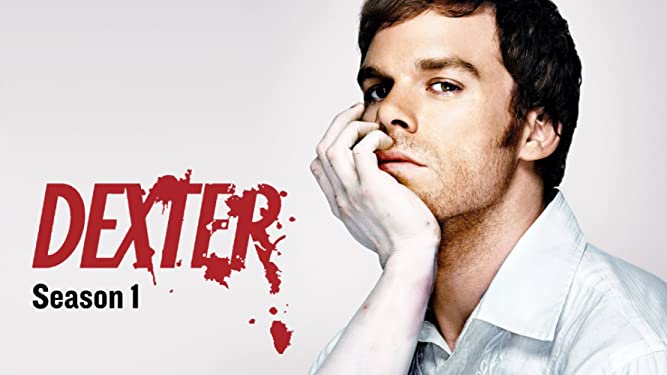

Dexter has been both praised and criticised for its unique approach to crime television. The show’s protagonist, Dexter Morgan, is a complex and multi-faceted character who often struggles with his own morality and code of ethics. The show’s exploration of the psychology of a serial killer has been praised for its realism and its nuanced portrayal of mental illness.


The show’s been criticised for its glorification of violence (are you sensing a common thread here?) and its portrayal of serial killing as a kind of vigilante justice. Some have argued that the show romanticises and justifies Dexter’s actions, which include gruesome murders of other criminals.


Despite the controversy, Dexter hasn’t suffered, and remains a beloved and influential show within the crime genre. A spin-off mini-series aired in 2021-22, which sparked renewed interest in the show and its legacy.

Mindhunter
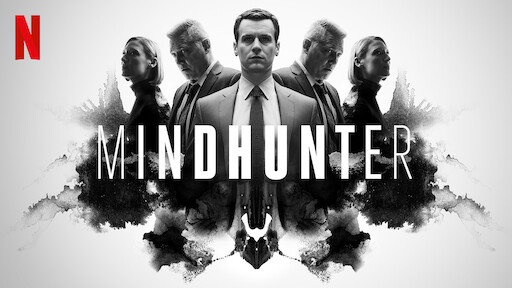

This Netflix series follows two FBI agents who interview imprisoned serial killers to understand their psychology and solve ongoing cases. But does it glorify serial killers with its explicit depictions of murder and mayhem?


It’s not the first series to be criticised for presenting a distorted or unrealistic portrayal of serial killers, potentially glamorising or romanticising their actions.


But for others the show for is an insightful and thought-provoking exploration of criminal psychology which explores the complex relationships between law enforcement and the criminal underworld.


Mindhunter joins the ongoing debate about how crime and violence should be portrayed in popular media, along with the complex and often uncomfortable realities of investigating and confronting the darkest aspects of human behaviour.

Conclusion

Controversial crime shows have the power to push boundaries, start conversations, and challenge societal norms. However, they can also be divisive and raise ethical questions about the portrayal of real-life tragedies and marginalised groups.
Regardless of the controversy, crime dramas, along with true crime shows and crime novels, are still hugely popular with audiences.


Thanks for taking the time to read this post. If you found it informative and entertaining, please consider sharing it with your friends and followers on social media. And if you have any feedback or suggestions for future topics, I’d love to hear from you in the comments below. Don’t forget to subscribe for more content and updates, or pop over to my newsletter page for more crime stuff, direct to your inbox every month.

See you soon.

Wendy
The Trench Coat and Fedora: A Fashion Legacy in Crime Fiction

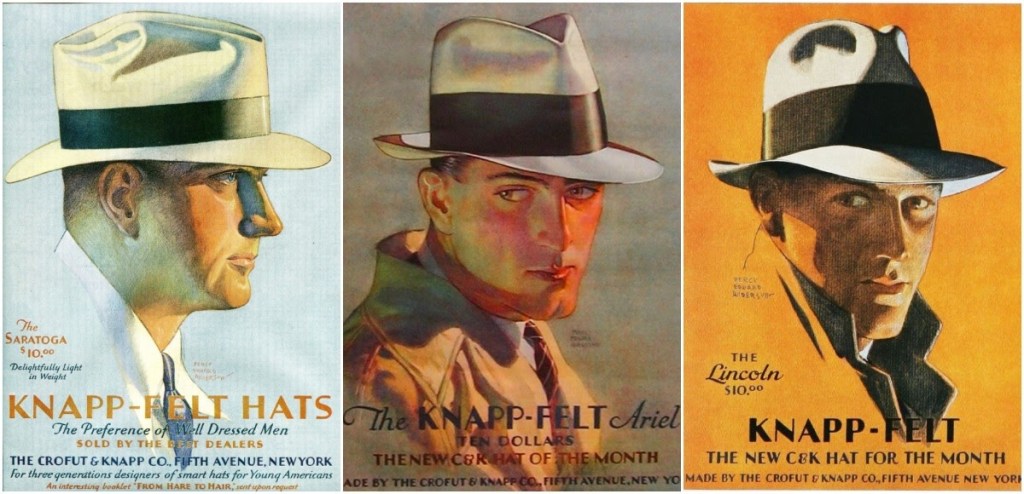
Detectives and private investigators have long been associated with a distinctive fashion style, consisting of a trench coat and a fedora hat. This iconic look has become a staple of the crime fiction genre, and its popularity has endured for decades.

Here’s a closer look at the history of the trench coat and fedora in crime fiction and why this fashion legacy still exists today.

The trench coat

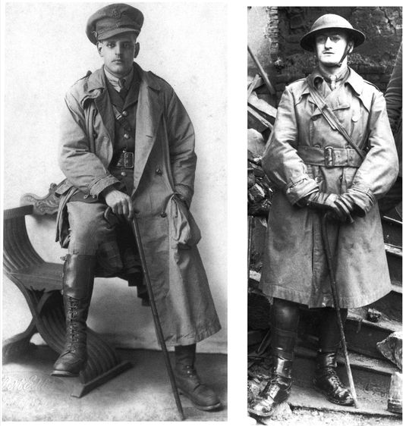
The trench coat has its roots in military fashion. It was originally developed as a practical garment for soldiers in the First World War, with a durable, water-resistant design that protected them from the elements.

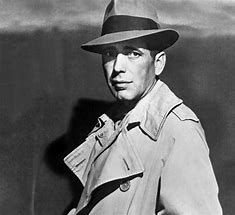
In the years that followed, the trench coat became popular as a stylish item of clothing for men. It was particularly popular in the film industry, where it was worn by actors such as Humphrey Bogart and Spencer Tracy in their roles as hard-boiled detectives and private investigators.

The trench coat has a rich history and has evolved over time to become the iconic garment we know today. Here are a few key milestones in the trench coat’s evolution:

  • The trench coat was originally developed as a military garment during World War I. Its design was based on the traditional Mackintosh coat, but with modifications that made it more practical for soldiers in the trenches. These included shoulder straps for epaulettes, a gun flap on the chest, and a storm flap on the back to help shed rain.
  • After the war, the trench coat became a popular civilian garment. It was particularly associated with the interwar period and the Art Deco era, and was worn by both men and women as a stylish and practical coat.
  • During World War II, the trench coat once again became a military garment, worn by officers and soldiers in the field. It was often made in khaki or olive drab, and was used to protect soldiers from the elements.
  • In the post-war period, the trench coat continued to be a popular civilian garment. It was worn by Hollywood stars and became a symbol of glamour and sophistication.
  • In the 1960s and 70s, the trench coat was reinterpreted by fashion designers like Yves Saint Laurent and Burberry. It became a staple of the “mod” and “preppy” styles, and was often made in bright colours or bold patterns.
  • In recent years, the trench coat has been embraced by high fashion once again. Designers have experimented with new fabrics, colours, and silhouettes, but the classic design elements of the trench coat – the double-breasted front, the belted waist, and the storm flap – remain timeless.

The fedora

The word “fedora” originally referred to a soft felt hat with a wide brim and a creased crown. The term is believed to have originated in the late 1800s and was named after a character in a French play called “Fedora,” which premiered in 1882.

The character, Princess Fedora, wore a hat with a soft brim and a creased crown, and the style of hat quickly became popular among fashionable women of the time. The term “fedora” eventually came to refer specifically to this style of hat, which was often made of felt and had a ribbon band around the base of the crown.

In the early 20th century, the fedora became popular with men as well, and was often worn with suits or overcoats as a stylish accessory. Today, the term “fedora” is still used to describe this classic style of hat, which remains a popular choice for both men and women who appreciate its timeless style and versatility.

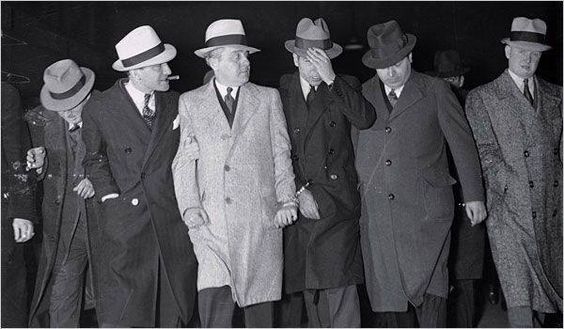
In the 1920s and 1930s, the fedora became particularly associated with law enforcement officers. Police officers and detectives wore fedoras as part of their uniforms to shield their eyes from the sun and convey a sense of authority. This association with law enforcement gave the fedora a sense of rugged masculinity and toughness, which made it appealing to men of all backgrounds.

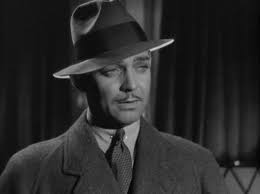
The fedora also became a popular accessory in Hollywood during this time. Many leading men of the era, including Humphrey Bogart, Cary Grant, and Clark Gable, were known for wearing fedoras both on and off the screen. Their influence helped to cement the fedora’s status as a symbol of classic masculine style.

In the post-war period, the fedora continued to be a popular accessory for men. It was often worn with suits and overcoats as a way to complete a sharp, sophisticated look. However, as fashion trends shifted in the 1960s and 1970s, the fedora fell out of favour with many men. It was seen as old-fashioned and conservative, and was often associated with the establishment and the “squares.”

Despite this, the fedora has remained a classic style that is still worn by many men today and its popularity has infused into popular culture.

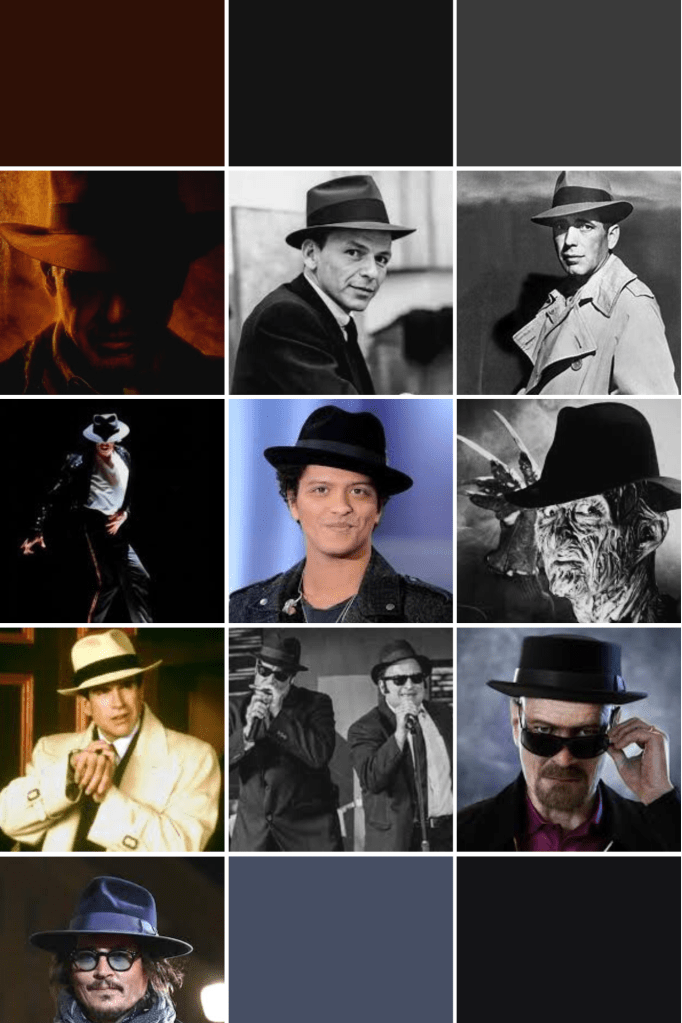
Can you name all of these iconic fedora wearers?

  1. Indiana Jones – Harrison Ford’s iconic character in the “Indiana Jones” film series is often seen wearing a fedora hat.
  2. Frank Sinatra – The legendary crooner and actor was known for his stylish fedoras and often wore them on and off stage.
  3. Humphrey Bogart – The classic Hollywood actor was often seen wearing a fedora in his films, including “Casablanca” and “The Maltese Falcon.”
  4. Michael Jackson – The late pop icon was known for his signature style, which often included a fedora hat.
  5. Bruno Mars – The Grammy-winning musician is known for his stylish fashion sense, which often includes a fedora.
  6. Freddy Krueger – The horror movie character from “A Nightmare on Elm Street” is known for his tattered fedora hat.
  7. Dick Tracy – The classic comic book detective is often depicted wearing a yellow trench coat and fedora hat.
  8. The Blues Brothers – John Belushi and Dan Aykroyd’s characters in the film “The Blues Brothers” wore fedoras as part of their signature look.
  9. Walter White – The main character in the TV series “Breaking Bad” often wore a pork pie fedora hat.
  10. Johnny Depp – The actor is often seen wearing a fedora in his films and in public appearances.

The trench coat and fedora combo

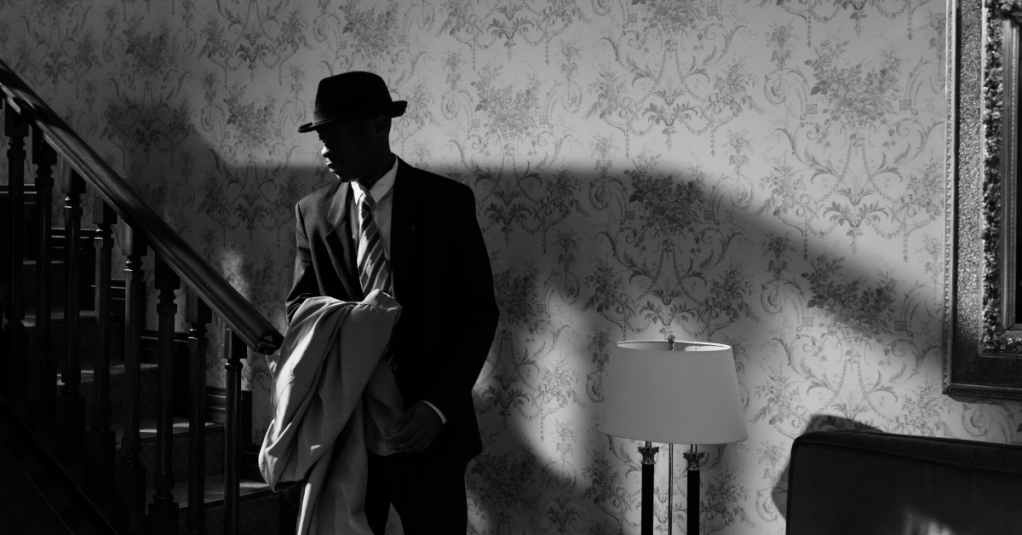
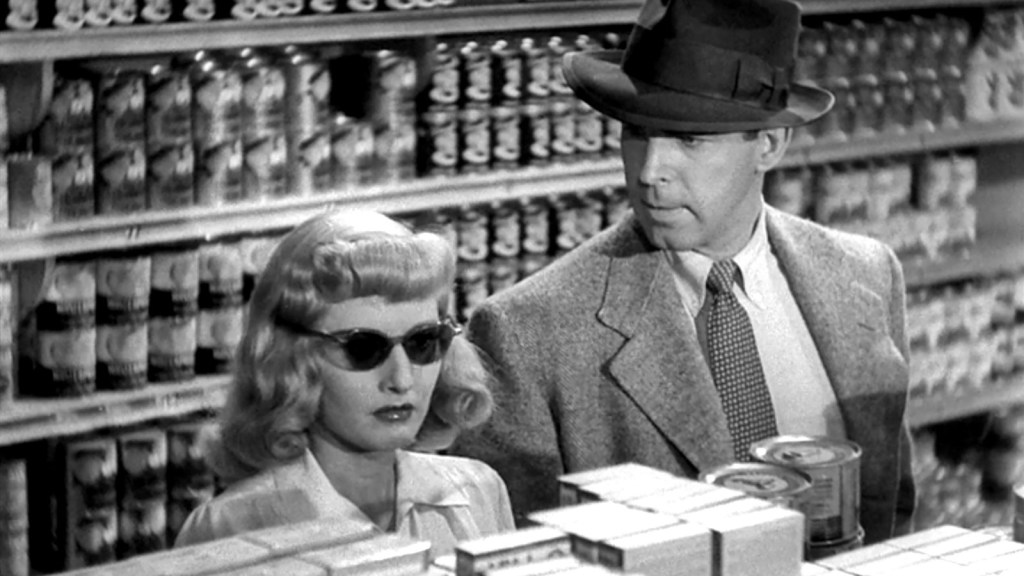
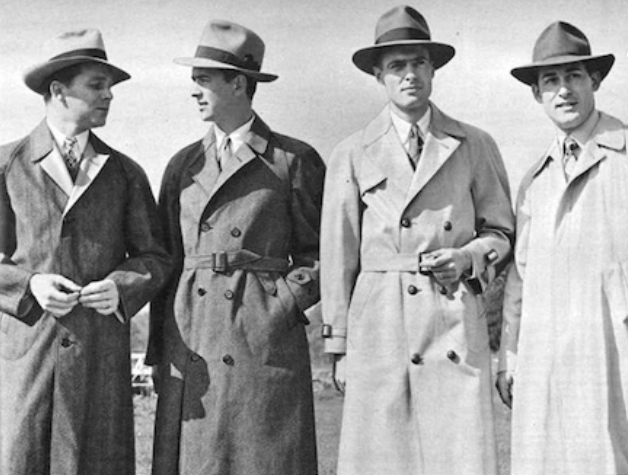
In the 1930s, the trench coat and fedora combination began to appear in the pulp magazines of the time, which were full of tough-guy detectives and spies. The trench coat provided cover for a concealed weapon, while the fedora shielded the face from view, creating an air of mystery and danger. This look was further popularised by Hollywood films of the 1940s and 1950s, which showcased detectives and private investigators wearing the trench coat and fedora as their signature outfit.

There are several reasons for the enduring popularity of the trench coat and fedora in crime fiction. For one thing, the look is both practical and stylish, with the trench coat providing warmth and protection from the rain, and the fedora adding a touch of sophistication. The outfit also conveys a sense of authority and power, suggesting that the person wearing it is someone to be reckoned with.

But perhaps the most important reason for the trench coat and fedora’s continued popularity is their association with the detective genre. The trench coat and fedora have become a visual shorthand for the hard-boiled detective, evoking a sense of mystery, danger, and intrigue. They are instantly recognisable as symbols of the crime fiction genre, and they continue to be used in films, TV shows, and novels to this day.

So, the trench coat and fedora have become an enduring fashion legacy in crime fiction. Their popularity can be traced back to their practicality, style, and association with the detective genre. Although fashion trends may come and go, the trench coat and fedora will always remain a symbol of the hard-boiled detective and the world of crime fiction.


Thanks for taking the time to read this post. If you found it informative and entertaining, please consider sharing it with your friends and followers on social media. And if you have any feedback or suggestions for future topics, I’d love to hear from you in the comments below. Don’t forget to subscribe for more content and updates, or pop over to my newsletter page for more crime stuff, direct to your inbox every month.

See you soon.

Wendy
From Femme Fatales to Sleuths: Tracing the History of Women in Crime Fiction

When it comes to crime fiction, strong female characters are often at the forefront of the action. They bring a unique perspective to the genre, one that challenges traditional gender stereotypes and offers a refreshing alternative to the usual male-dominated narrative. These characters are smart, resourceful, and never back down from a challenge, no matter how daunting it may seem.

Crime fiction has long been a popular genre, capturing the attention of readers with its gripping plots and suspenseful twists. And while the genre is often associated with male detectives and hard-boiled protagonists, women have been an integral part of crime fiction from its earliest days.

From the classic femme fatales of the 1940s to the modern-day sleuths, here’s a brief history of women in crime fiction.

The Femme Fatale Era

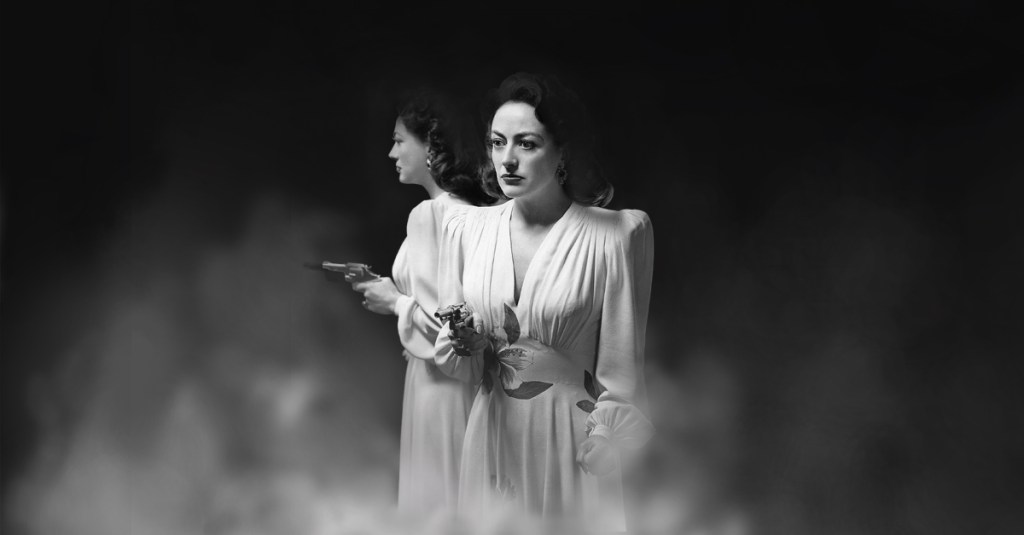
The femme fatale era of crime fiction emerged during the 1940s, a time of great social upheaval. World War II was raging overseas, and at home, women were entering the workforce in large numbers to support the war effort. This led to a shift in traditional gender roles and challenged the notion of women as passive and submissive.

In the world of crime fiction, this changing social landscape was reflected in the portrayal of women as complex and multi-dimensional characters. The femme fatale archetype emerged as a response to the shifting power dynamics between men and women.

Femme fatales were often depicted as beautiful and alluring, using their sexuality and charm to manipulate men into doing their bidding. They were smart and cunning, often outwitting the male detectives who sought to bring them to justice.

But while femme fatales were powerful and independent, they were also deeply flawed characters. They were often motivated by greed or revenge, and their actions often had dire consequences for themselves and the men who fell under their spell.

One of the key themes of the femme fatale era was the idea of female agency. Femme fatales were not passive victims or objects of desire, but active participants in their own lives. They challenged traditional notions of femininity and defied the expectations placed upon them by society.

At the same time, however, the portrayal of femme fatales was often problematic. They were frequently depicted as immoral or evil, reinforcing negative stereotypes about women and their sexuality. In many cases, they were punished for their transgressions, either through death or imprisonment.

Despite these limitations, the femme fatale era marked an important milestone in the history of women in crime fiction. It paved the way for future generations of strong and complex female characters, who would challenge gender stereotypes and redefine the genre in their own image.

One of the most iconic examples of the femme fatale is Phyllis Dietrichson from James M. Cain’s “Double Indemnity.” The novel was adapted into a classic film noir in 1944, with Barbara Stanwyck portraying Phyllis as a scheming housewife who conspires with insurance salesman Walter Neff to murder her husband. Other notable femme fatales from this era include Brigid O’Shaughnessy from Dashiell Hammett’s “The Maltese Falcon” and Kathie Moffat from “Out of the Past” by Daniel Mainwaring.

The Rise of Female Sleuths

As the years went on, the portrayal of women in crime fiction began to shift. Instead of being relegated to supporting roles or being portrayed as dangerous seductresses, women began to take centre stage as detectives and sleuths. The 1970s saw the rise of female private investigators like Sue Grafton’s Kinsey Millhone and Sara Paretsky’s V.I. Warshawski, who broke down gender barriers in the genre and proved that women could be just as tough and capable as their male counterparts.

In the 1990s, the popularity of cosy mysteries soared, and female protagonists became even more prevalent. These books often featured amateur detectives or small-town sleuths, and their heroines were typically smart, resourceful women who used their wits to solve crimes. Series like “The Cat Who…” by Lilian Jackson Braun and the “Miss Marple” novels by Agatha Christie paved the way for a new generation of cosy mysteries, and female authors like Janet Evanovich and Charlaine Harris became household names with their bestselling series.

Modern-Day Heroines

Today, female protagonists are more prevalent than ever in crime fiction. They come in all shapes and sizes, from hard-edged detectives to amateur sleuths to forensic experts. These heroines are strong, complex characters who challenge readers’ expectations.

One of the most popular modern-day heroines is Lisbeth Salander from Stieg Larsson’s “Millennium” series. Lisbeth is a brilliant hacker with a troubled past who becomes entangled in a web of corruption and violence. She’s a survivor and a fighter, and her unapologetic approach to life has made her an icon of feminist crime fiction.

Another popular series featuring a female detective is Tana French’s “Dublin Murder Squad” novels. French’s protagonists are complex and flawed, and their investigations often bring them face-to-face with their own personal demons. In “In the Woods,” for example, detective Cassie Maddox is forced to confront her past when she investigates the murder of a young girl who bears a striking resemblance to her.

The history of women in crime fiction is a long and fascinating one. From the femme fatales of the 1940s to the female sleuths of the 1970s and beyond , women have been an integral part of the genre, both as characters and as authors. Over the years, the portrayal of women in crime fiction has evolved, reflecting changing attitudes towards gender roles and female empowerment.

Today, readers of crime fiction have a wealth of strong female characters to choose from, each with their own unique personality and approach to solving crimes. Whether they’re hard-edged detectives, quirky amateur sleuths, or brilliant forensic experts, these heroines are a testament to the power and resilience of women in the face of danger and adversity.

Not just the main event – secondary characters

In crime novels, strong female characters can take on a variety of roles. They can be detectives, witnesses, victims, or even villains. Regardless of their position in the story, these women are multi-dimensional and powerful. They’re not just sidekicks or love interests – they’re the driving force behind the narrative.

Although there are some notable female detectives in crime fiction, there are other, secondary characters who have just as much impact on the storyline and plot:

Three stand out for me:

•            Lucy Farinelli from “The Scarpetta Factor” by Patricia Cornwell – Lucy is a forensic investigator who works alongside the main protagonist, Dr. Kay Scarpetta. She is highly skilled in her field and provides invaluable insights and support to Scarpetta throughout the investigation.

•            Annie Cabbot from “In a Dry Season” by Peter Robinson – Annie is a police detective who works alongside the main protagonist, Detective Inspector Alan Banks, to solve a decades-old murder case. She is intelligent, resourceful, and not afraid to challenge Banks when she disagrees with his methods.

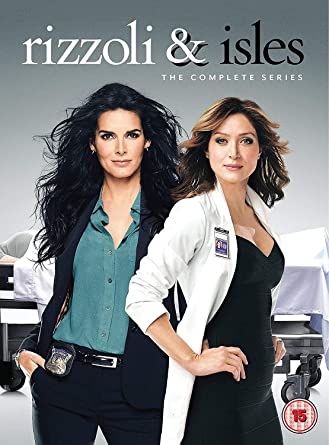
•            Dr. Maura Isles from “The Surgeon” by Tess Gerritsen – Dr. Isles is a medical examiner who works alongside the main protagonist, Detective Jane Rizzoli, to solve a series of gruesome murders. She is highly skilled in her field and provides valuable insights into the victims’ injuries and cause of death.

I would also add Lisbeth Salander from “The Girl with the Dragon Tattoo” by Stieg Larsson (again!) and Katrin Siska from “The Man Who Watched Women” by Michael Hjorth and Hans Rosenfeldt.

These characters are all strong, complex, and multi-dimensional, and they play important roles in their respective stories, proving that women can be just as capable and intelligent as men in the world of crime fiction.

In a genre that is often dominated by male characters, these women provide a much-needed balance. They prove that strength and intelligence are not exclusive to men and that women can be just as capable in high-pressure situations.

The power of vulnerability

The vulnerability of strong female characters is what truly sets them apart in crime fiction. While they may be incredibly capable and intelligent, they are not invincible, and they are not perfect. They are flawed, they make mistakes, and they struggle with their own inner demons, just like any other human being.

It’s this vulnerability that makes these characters so relatable to readers. We see ourselves in their struggles and their triumphs. We understand what it’s like to face obstacles and challenges, and we root for these characters to succeed, even when the odds are stacked against them.

But this vulnerability is not just a plot device – it’s a reflection of the reality that many women face in their everyday lives. Women are often subjected to societal pressures and expectations that can be overwhelming and daunting. They are expected to be perfect, to have it all together, and to never show weakness or vulnerability. But this is an unrealistic and unhealthy standard to live up to.

In crime fiction, strong female characters provide a refreshing alternative to this unrealistic expectation. They show us that it’s okay to be vulnerable, to have flaws, and to struggle. They show us that it’s possible to be strong and capable while also being human and imperfect.

These characters serve as role models for young girls, showing them that they can be anything they want to be, regardless of their gender. They offer a sense of empowerment and inspiration, reminding us that women are capable of achieving greatness and breaking down barriers.

Who are my favourites?

If I have to choose, there are two standout characters for me, both sassy and inspirational women and beautifully written.

Jane Rizzoli – Tess Gerritsen

Detective Chief Inspector Jane Rizzoli is a complex and dynamic character in Tess Gerritsen’s crime fiction novel “The Surgeon.” As the main detective of the story, she is highly competent and driven, but also flawed and vulnerable.

Rizzoli is a tough and determined investigator who takes charge of the case involving a serial killer who has been terrorizing the city. She is respected by her colleagues and superiors for her intelligence, attention to detail, and ability to think outside the box. She is also highly dedicated to her job, often putting in long hours and sacrificing her personal life for the sake of the investigation.

However, Rizzoli also has a darker side. She has a strained relationship with her family, particularly her mother, who disapproves of her career and often belittles her. Rizzoli also has a tendency to push people away and isolate herself, which can make it difficult for her to form close relationships or trust others.

Throughout the novel, Rizzoli struggles to balance her personal and professional life while also dealing with the trauma of her own past, which is connected to the case she is investigating. Her weaknesses and faults make her a relatable and human character, and her determination and strength make her a powerful force in the story.

Overall, Detective Chief Inspector Jane Rizzoli is a well-rounded and compelling character who adds depth and complexity to the crime fiction genre.

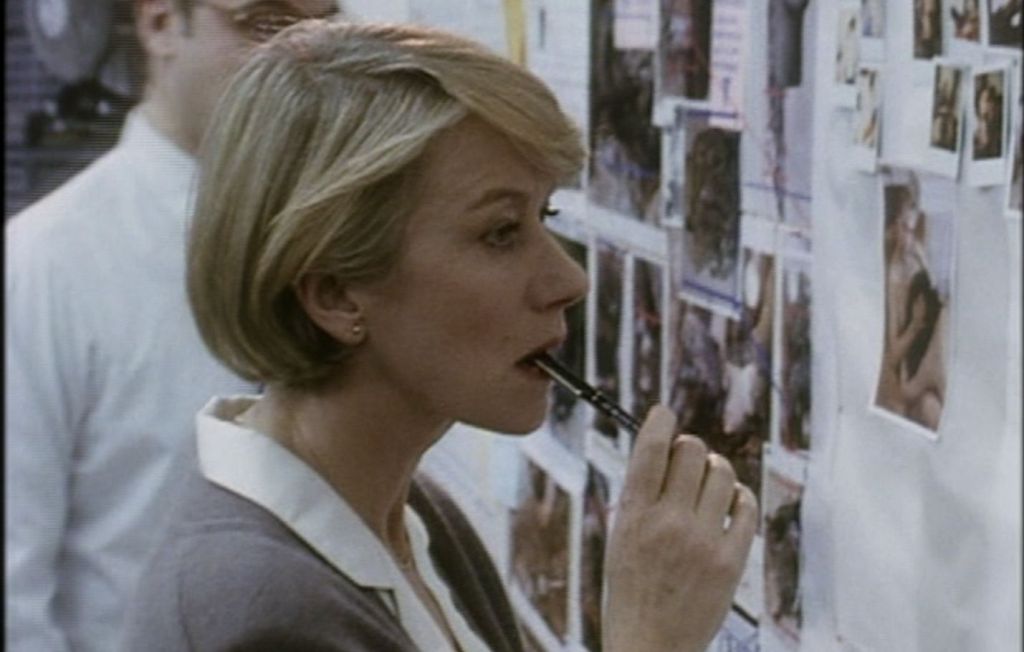
Jane Tennison from “Prime Suspect” by Lynda La Plante

Jane Tennison is a strong and complex character in Lynda La Plante’s crime fiction series “Prime Suspect.” As a female detective in a male-dominated profession, she faces many challenges and obstacles but rises to the top of her field through her intelligence, tenacity, and perseverance.

Throughout the series, Tennison’s character develops and evolves. In the beginning, she is often dismissed and underestimated by her colleagues due to her gender. However, she proves herself time and time again through her excellent detective work and determination to solve even the toughest cases.

Tennison is portrayed as a flawed character, with a complex personal life and a tendency to struggle with alcoholism. However, she is also highly dedicated to her job and is willing to put in the long hours and hard work necessary to succeed.

One of Tennison’s defining traits is her willingness to go against the norms and expectations of her profession and society at large. She challenges gender stereotypes and expectations of how a female detective should behave, often facing criticism and pushback from her colleagues.

Despite the challenges she faces, Tennison is a highly competent and respected detective who is able to solve even the most difficult cases. She is a powerful representation of a strong, independent woman who can succeed in a male-dominated profession through her intelligence, hard work, and determination.

Overall, Jane Tennison is a dynamic and multi-faceted character who adds depth and complexity to the crime fiction genre. She is a powerful representation of a strong female character who challenges the status quo.

So, strong female characters are a force to be reckoned with in crime novels. They bring a fresh perspective to the genre and challenge traditional gender stereotypes. These characters are multi-dimensional, powerful, and relatable, offering readers a glimpse into what it means to be a strong, capable woman in today’s world.


Thanks for taking the time to read this post. If you found it informative and entertaining, please consider sharing it with your friends and followers on social media. And if you have any feedback or suggestions for future topics, I’d love to hear from you in the comments below. Don’t forget to subscribe for more content and updates, or pop over to my newsletter page for more crime stuff, direct to your inbox every month.

See you soon.

Wendy
Beyond the Sensationalism: Understanding the Complexities of Our Fascination with True Crime

Crime and killers have long captivated the public imagination, whether through sensational media coverage, true crime documentaries, or fictional depictions in books and movies. But why are we so fascinated by these dark and often disturbing topics? What drives our interest in the minds and actions of those who commit violent crimes?

In this blog post, I’ll explore some of the reasons why crime and killers have become such enduringly popular subjects and look at topics that captivate us, our fascination with the macabre, and the ways in which popular culture has both reflected and reinforced our interest in these topics.

Our fascination with killers

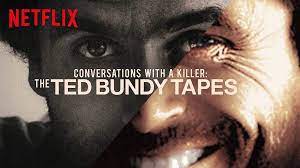
The public’s fascination with notorious killers such as Ted Bundy and Jeffrey Dahmer are a stark example of our captivation with the actions and motivations of criminals. These two individuals in particular, due to the heinous nature of their crimes and their widespread media coverage, have become household names and continue to be subjects of intense public interest.

Bundy’s charm and charisma, coupled with his horrific acts of violence against women, have made him a subject of fascination for decades. His high-profile trial and eventual execution only added to his infamy, with media outlets covering every aspect of his case in minute detail.

Similarly, Dahmer’s gruesome crimes, which included cannibalism and necrophilia, shocked and horrified the public. His trial, which revealed the depths of his depravity, was widely covered in the media and cemented his status as one of the most notorious killers in modern history.

The ethical dilemma

When my mum (an avid reader and a fan of gory dramas) read an early draft of ‘Justified’ she said to me, “How did you come up with such a grisly murder?” It made me think. Not so much about where the idea came from, but about the concept of murder as entertainment and the ethical dilemma faced by murder mystery and crime writers.

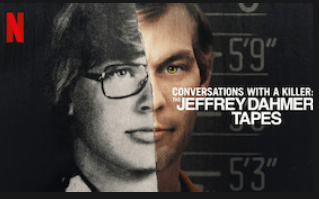
Recently, the same question has been raised about the glamorisation of true crime following the huge success of the Jeffery Dahmer series. True crime is one of the fastest growing genres of entertainment and its followers are insatiable, demanding more stories about humanity at its darkest.

Serial killers tantalize people much like traffic accidents, train wrecks, or natural disasters,” Scott Bonn, professor of criminology at Drew University and author of Why We Love Serial Killers, wrote at TIME. “The public’s fascination with them can be seen as a specific manifestation of its more general fixation on violence and calamity. In other words, the actions of a serial killer may be horrible to behold but much of the public simply cannot look away due to the spectacle.”

But true crime is about real people, in real, terrible situations, and that comes with real consequences. Some insist true crime exploits victims and their families, while others argue that it helps people to process their greatest fears, that it gives an insight into our culture and norms as well as our anxieties and values. Whichever side of the fence you sit on, ethically, true crime blows through our lives on a precarious breeze.

Our enduring fascination

The enduring fascination with crime and killers is a phenomenon that has captivated people for centuries. The media is awash with true crime shows, books, and podcasts, all catering to our insatiable appetite for the dark and disturbing. But why are we so drawn to these stories of murder and mayhem?

Some might argue that people are interested in crime and killers simply because it’s human nature to be drawn to sensational or dramatic events. After all, tales of violence and wrongdoing have been part of human storytelling for millennia, from the ancient Greek myths to Shakespeare’s tragedies. However, this argument alone does not fully account for the enduring popularity of these topics.

The appeal of true crime content, in particular, is not simply due to its sensational nature. True crime often involves detailed and often graphic depictions of real-life crimes, which can provide a sense of realism and authenticity that fictional crime stories may lack. It allows us to explore the darkest corners of the human psyche and understand the motivations behind heinous acts.

Another counterargument might be that our fascination with crime and killers is a result of media sensationalism, with news outlets and entertainment companies exploiting our fear and fascination with violence for profit. While it’s true that media coverage can shape public perceptions of crime and violence, our interest in these topics long predates the rise of modern media.

For instance, newspapers in the 19th century reported on sensational murder trials, and crime fiction has been popular since the days of Edgar Allan Poe.

So what are the cultural and psychological factors that drive our fascination with crime and killers?

One possible explanation is that it provides a way to explore the darker side of human nature in a safe and controlled environment. By consuming true crime content, we can satisfy our curiosity about these topics without actually putting ourselves in danger. Additionally, it may allow us to feel a sense of superiority or moral superiority, by exploring the actions of those we consider to be deviant or immoral.

Fascination with death

As I mentioned earlier, as human beings our fascination with killers, murder and all things death related has been around for centuries.

The paradox of violence and enjoyment dates back as long as human society and recorded history, from the prehistoric period and later Roman gladiatorial games.

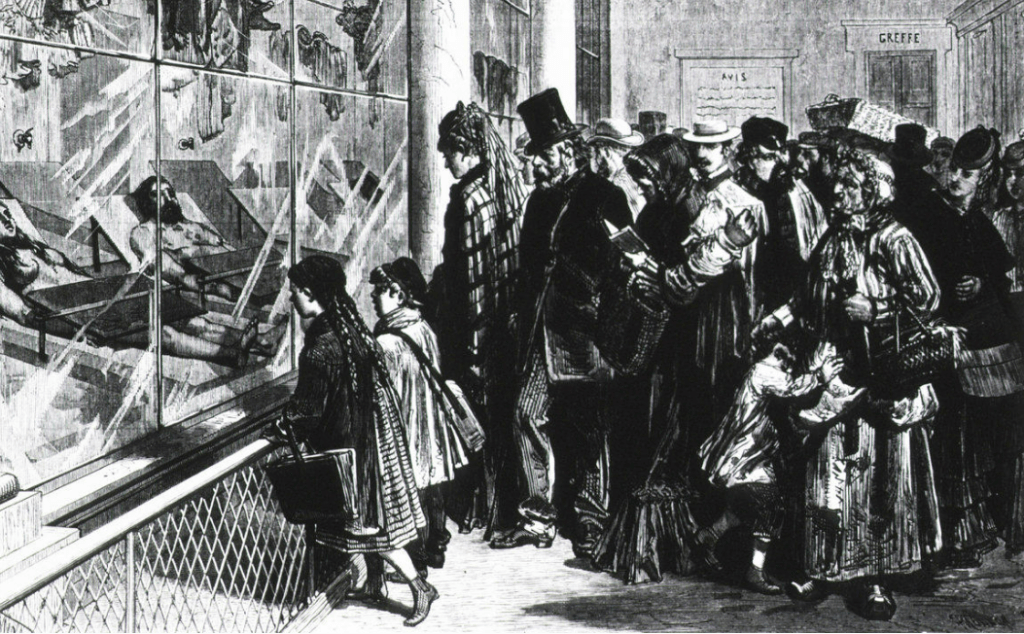
The Victorians were fascinated by death which extended to the production of a range of Memento Mori, objects designed to remind the owner of the death of a loved one and indeed, their own eventual demise. Photographs of dead relatives became an increasingly popular feature of family albums. Not entertainment as such, but their approach to violent crime was much more recreational:

  • The public would explore crime scenes before the arrival of the police following a murder.
  • This allowed them to view the gory scene in its entirety; dead bodies and all.
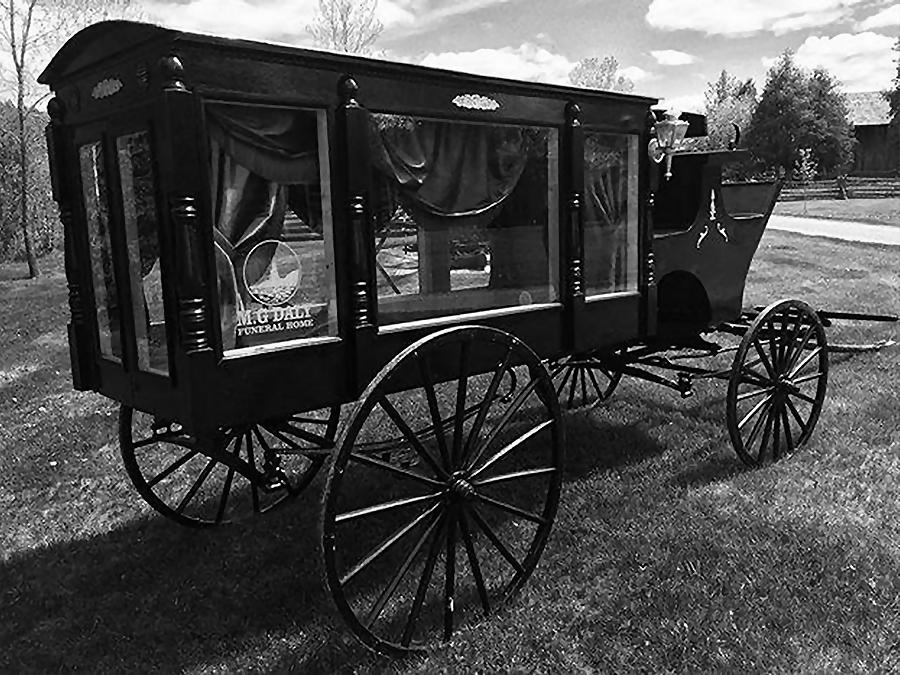
  • Funerals were attended out of curiosity and were quite often public events, especially if the deceased had been murdered.
  • Accused murderers would be executed and then potentially carried down through main street for all the spectators to see.

In a completely morbid sense death is compelling, yet we fear it. You’d think that as we’re all so open about death –  reading about it, watching people die on TV and in movies – that the process of dying shouldn’t be a taboo topic. But, as soon as death becomes personal the discussion ends. Suddenly, it’s completely unreasonable to talk about death. A guy’s head being skewered on a spike in Last Kingdom – not a problem. Talking about your own death – no thanks.  

The origin of murder investigation in fiction

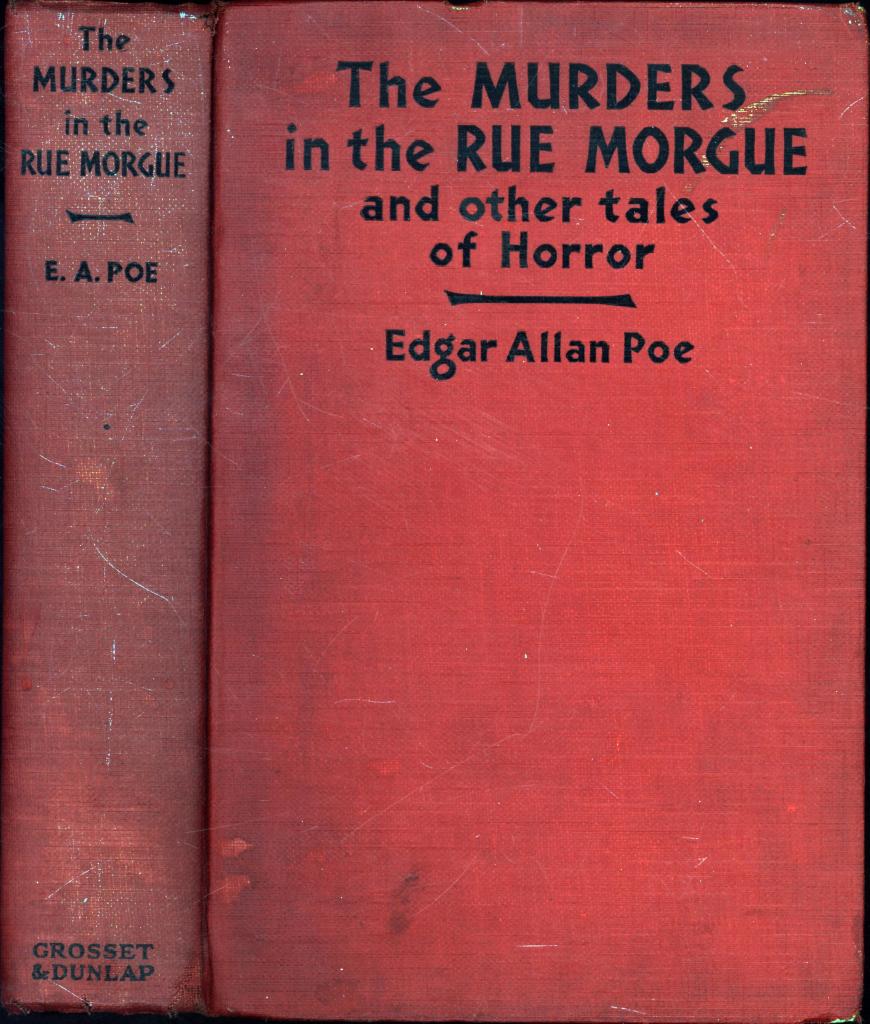
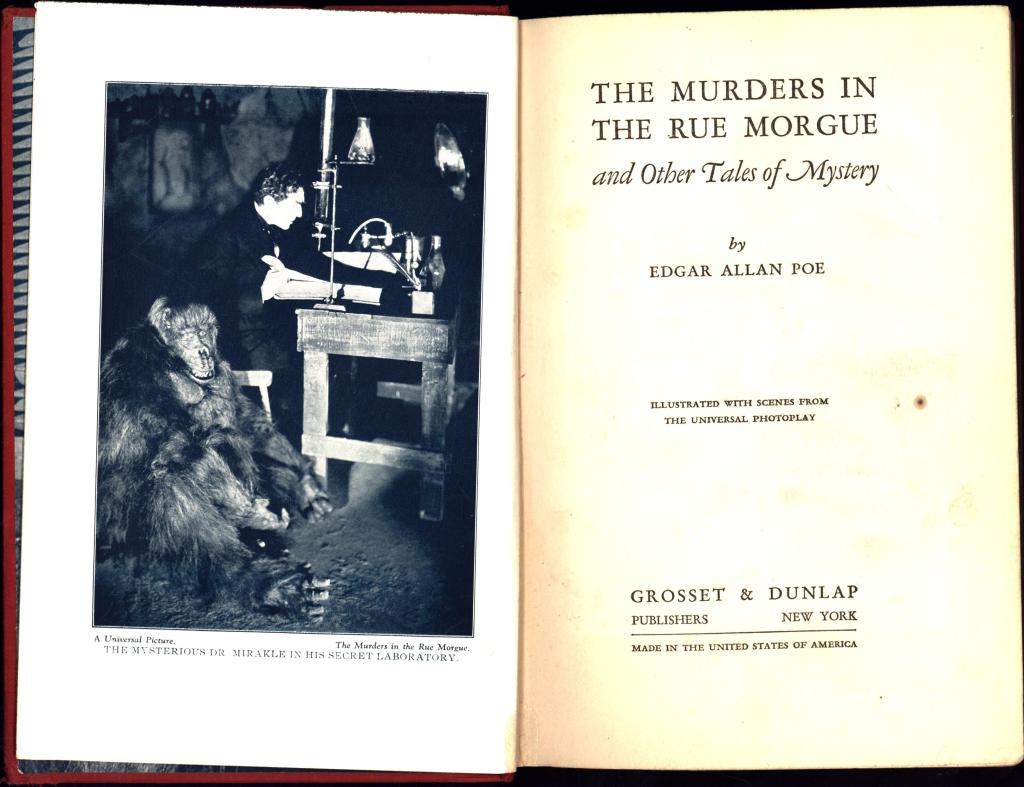
To bring this back to fiction, it’s perhaps no coincidence then that the first modern detective story is generally thought to be to Edgar Allan Poe’s “The Murders in the Rue Morgue” written in 1844, the Victorian era. In the story, Auguste Dupin solves the mystery of the brutal murder of two women in Paris. Poe’s Dupin isn’t a detective but he decides to investigate the murders for personal amusement. He displays many attributes which became literary conventions in later fictional detectives, including Sherlock Holmes and Hercule Poirot.

The genre has increased in popularity ever since. A quick search on Amazon for ‘murder fiction’ brings up 100k+ results.

Why is crime fiction so popular?

Crime fiction usually gives us a resolution along with an insight into what makes people tick. One of the reasons crime fiction is popular is because people are fascinated by human behaviour. Sometimes we’re warmed by the actions of others and at other times horrified and appalled by it. In fiction we can safely read about the darker side of humanity, and most of us enjoy the neatness of a crime solved and a criminal brought to justice. That doesn’t always happen in real life, but crime novels usually restore balance.

Plus, we like puzzles and piecing together the parts of the mystery. Can we solve the crime before the detective in the book?

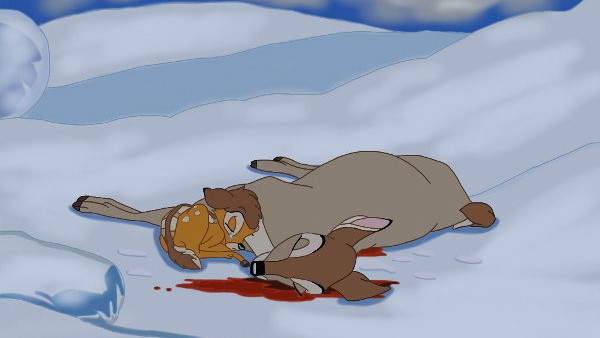
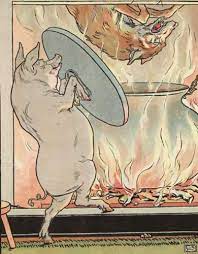
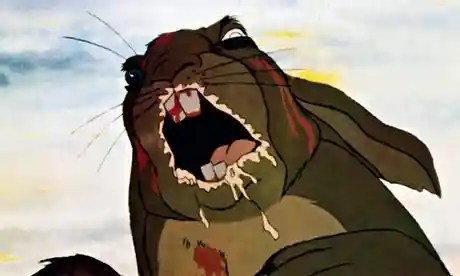
We grow up reading stories which follow the same pattern; the big bad wolf eventually gets his comeuppance for terrorising the three little pigs. The fact that he ends up boiled alive is a whole new subject altogether, but it demonstrates two things; firstly, the parallel between children’s and adult’s stories, and secondly that we’re exposed to violent death from an early age. Bambi broke my heart!

For me, a good crime novel is always about the characters, their motivations and their relationships rather than the actual murder. Yes, I enjoy the pace and suspense, but ultimately, I want to know what makes the characters tick.

Because a crime scene is fascinating, but the human mind is infinitely more intriguing.

In conclusion, our fascination with crime and killers is a complex and multifaceted phenomenon that can’t be reduced to any single explanation. While human nature and media sensationalism may play a role, they do not fully account for the enduring popularity of these topics or the specific appeal of true crime content. Rather, a variety of cultural and psychological factors, such as our desire for justice, our fascination with the darker aspects of human nature, and our need for narrative resolution, all contribute to our ongoing interest in crime and killers.

Whether you’re a true crime enthusiast, a casual consumer of crime-related media, or simply curious about this enduring cultural fascination, I hope this blog post has given you some insights into the many factors that drive our interest in this topic.


Thanks for taking the time to read this post. If you found it informative and entertaining, please consider sharing it with your friends and followers on social media. And if you have any feedback or suggestions for future topics, I’d love to hear from you in the comments below. Don’t forget to subscribe for more content and updates, or pop over to my newsletter page for more crime stuff, direct to your inbox every month.

See you soon.

Wendy
Were Medieval staircases Designed to Give Right-Handed Defenders an Advantage?

The direction of the staircases in Broadstone Castle is mentioned a few times in ‘Justified’, but is it true that staircases were deliberately built in a clockwise (from the bottom upwards) direction to hinder raiders?

The theory is that attackers from below would struggle to wield a sword upwards without clanging into the central newel column (the narrowest part of the staircase) and they’d have to reach around the curve blindly while attacking. Perhaps more importantly, defenders retreating upwards would have the advantage of greater space to swing their sword arm downwards and a better view of the invaders below.

You could argue that anti-clockwise is just as problematic. Attackers would have their right hand (usually the sword wielding arm) against the outer wall of the staircase, which isn’t ideal either.

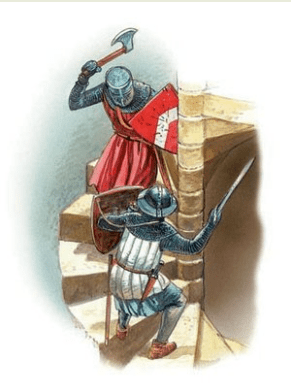
This image (from Newcastle Castle’s archives) demonstrates the issue. Undoubtedly, the attacker below is in an awkward position and is going to have a tough time swinging his sword around the central post to his right. But the chap with the axe isn’t having much fun either. His shield arm is scrunched up against the newel and he’s at risk of bashing his right arm against the outer wall as he swings.

Fighting in a tight, circular space is tough for both parties.

While there’s little solid evidence to support the case for clockwise construction, there’s also no evidence which proves otherwise. Sometimes, as John says in ‘Justified’, interpreting medieval history involves reading between sketchy lines and there’s no documented proof that potential attacks were ever an architectural or engineering consideration. You could argue, that if invaders are in your stairwell the battle is probably already lost.

A potentially more useful ploy was to build uneven stairs. The regular occupants would be aware of the irregularities, but an unseasoned invader would be more likely to stumble and alert the defenders above of their approach. Again though, were uneven steps a deliberate design feature or just a result of years of use and the availability of materials at the time?

There are also practical considerations. Someone carrying a pail in their right hand for example would find it easier to ascend in a clockwise direction. Or perhaps the stairwells were used in pairs, with one for ascending, one for descending, as passing on a spiral staircase is a tricky business. It makes sense that practical, daily considerations would outweigh the possibility of needing to fight invaders.

During my research for the book, the most comprehensive study I found on this subject was compiled by the Castle Studies Group. Established in 1987 by the then Secretary Dr Robert Higham, the Castle Studies Group includes members both professional and amateur from a wide and varied range of historical and archaeological backgrounds, both in the British Isles and overseas.

Their extensive study of this subject, including dozens of site visits, shows that while Norman castles did favour clockwise staircases, from the mid-1200s to the end of the 15th century, anti-clockwise took over. In some instances, this appeared to be a design preference or for domestic flow, with staircases in opposing towers mirroring each other rather than turning in the same direction.

So, gradually over several hundred years, the trend for clockwise evolved into a tendency to have both, and aesthetic needs overtook practical considerations.

A bit like mobile phones, which started out as handheld bricks, went smaller and smaller and are now huge again …

If you have a spiral staircase, let me know which way it goes!


If this intrigues you, more comprehensive articles on the subject can be found below:

The Rise of the Anti-clockwise Newel Stair, Neil Guy, http://www.castlestudiesgroup.org.uk/CSGJournal2011-12X5stairs.pdf

Mediaeval Mythbusting Blog #3: The Man Who Invented the Spiral Staircase Myth, James Wright, https://triskeleheritage.triskelepublishing.com/mediaeval-mythbusting-blog-2-the-man-who-invented-the-spiral-staircase-myth/


Thanks for taking the time to read this post. If you found it informative and entertaining, please consider sharing it with your friends and followers on social media. And if you have any feedback or suggestions for future topics, I’d love to hear from you in the comments below. Don’t forget to subscribe for more content and updates, or pop over to my newsletter page for more crime stuff, direct to your inbox every month.

See you soon.

Wendy
Castle Inspiration From A UK Staycation

I’ll be honest; we mostly planned our last family staycation based on the number of castles we could visit in one week.

I’m such a castle geek, and having visited most of the castles in the UK I was excited to discover I’d never been to any in Northumberland. Fortunately, my partner shares my love of history, and our daughters are so laid back they’re happy to romp around some ramparts for a while as long as there’s an ice cream at the end of it.

It’s a double win for me. I’m an amateur photographer and it’s a great excuse to get out my ‘big’ camera and shoot some interesting pics for the family album and my inspiration files.

Northumberland didn’t disappoint. I’m going to sound like the Tourist Board here, but it’s a beautiful part of the country, rich in history and packed with places to visit. Plus – bonus – no one was travel sick on the journey.

Lindisfarne

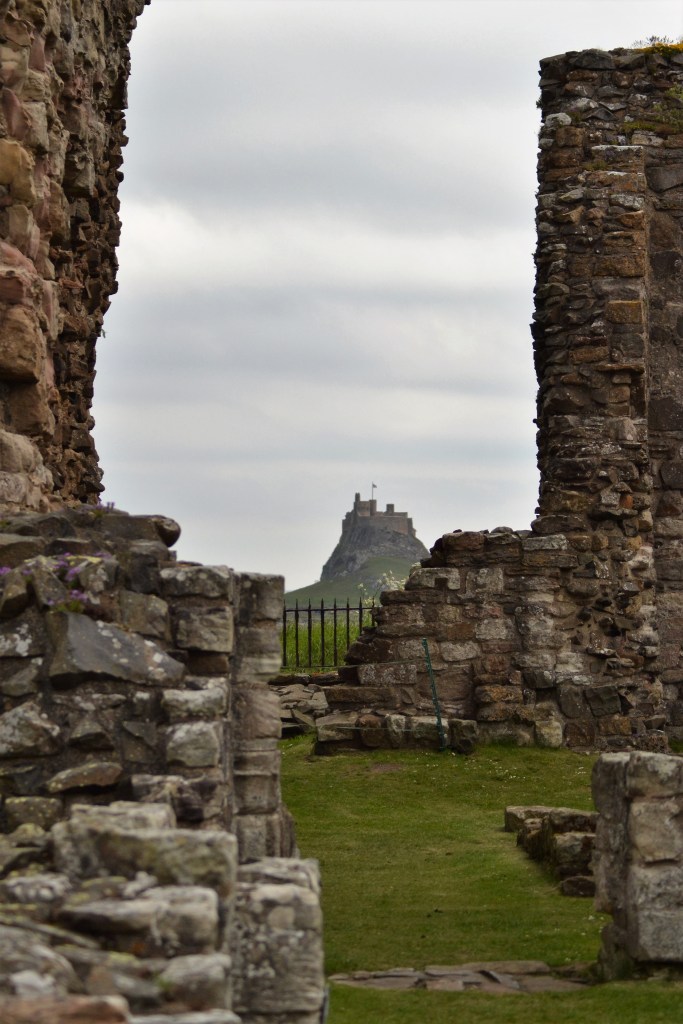
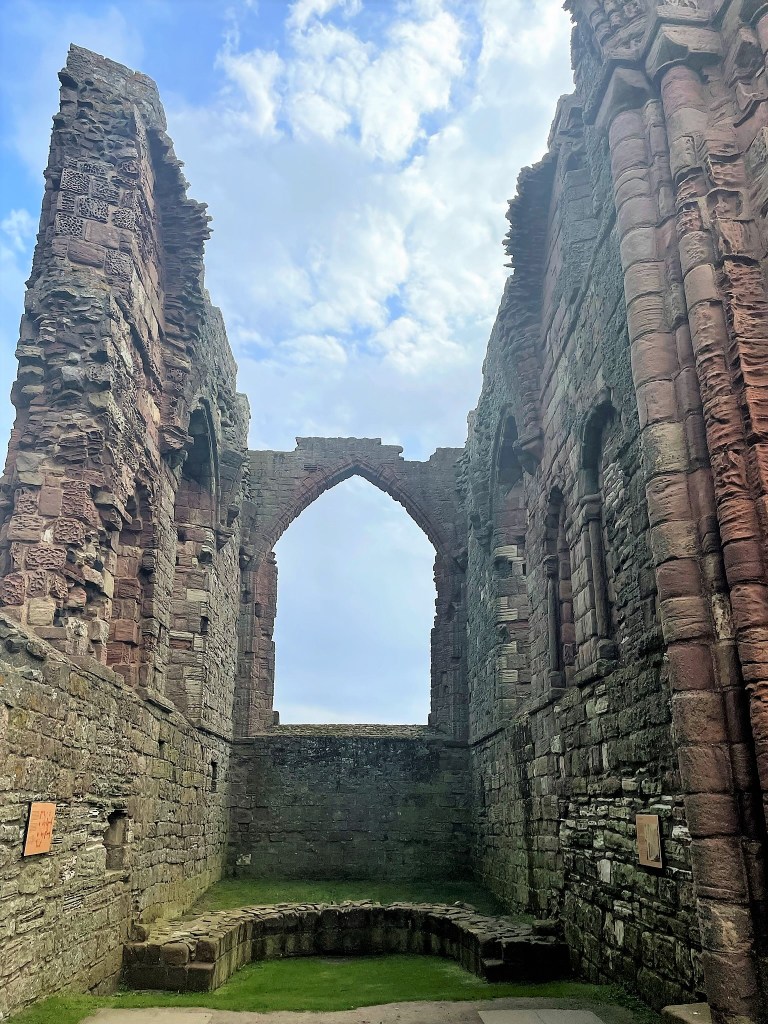
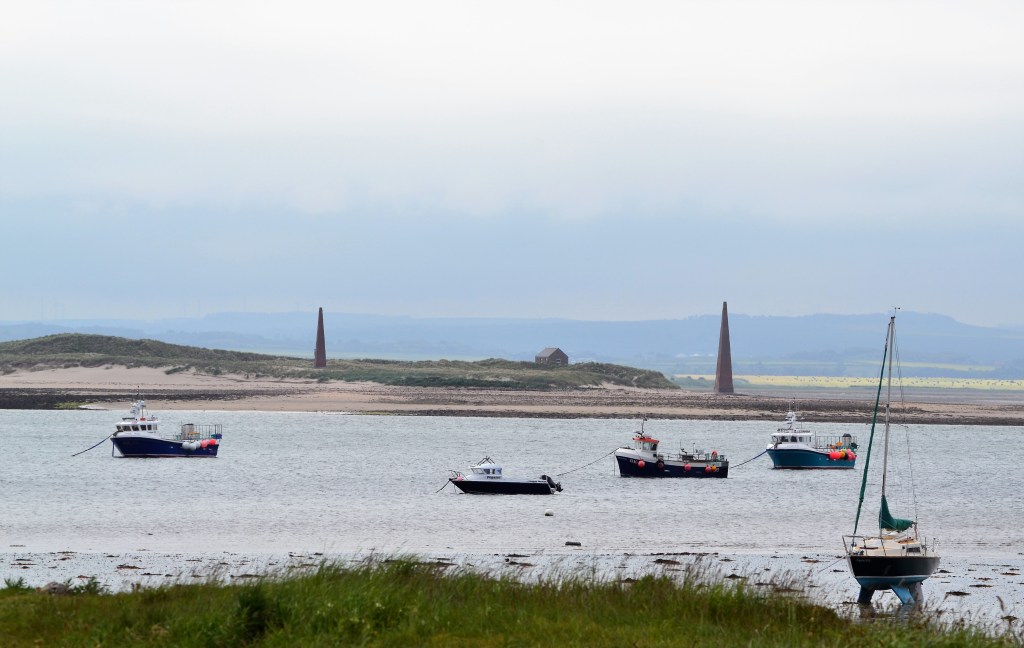
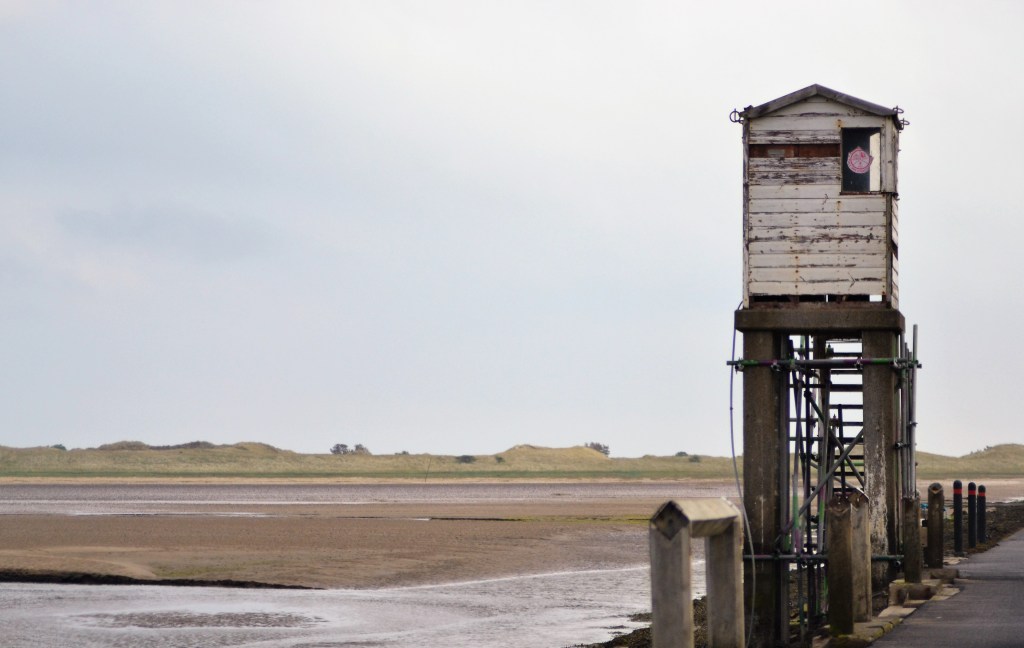
No trip to Northumberland is complete without a trip to Holy Island. Historically, it’s a fascinating place, and its limited accessibility adds to its mystique. The causeway road can only be crossed during certain hours when the tide out, so it varies daily.  Lindisfarne Priory on the island was one of the most important centres of early Christianity in Anglo-Saxon England.

Here’s the history bit:

St Aidan founded the monastery in AD 635, but St Cuthbert, prior of Lindisfarne, is the most celebrated of the priory’s holy men. After his death, people came to pray at the grave and claimed miracles of healing occurred after their visit. To the monks of Lindisfarne this was a clear sign that Cuthbert was now a saint in heaven and as the saint’s community, they should declare this to the world.

They decided to allow 11 years for his body to become a skeleton and then ‘elevate’ his remains on the anniversary of this death (20th March 698). To their surprise, when they opened the coffin, they found a complete and undecayed body.
The cult of St. Cuthbert began, and pilgrims began to flock to the shrine.

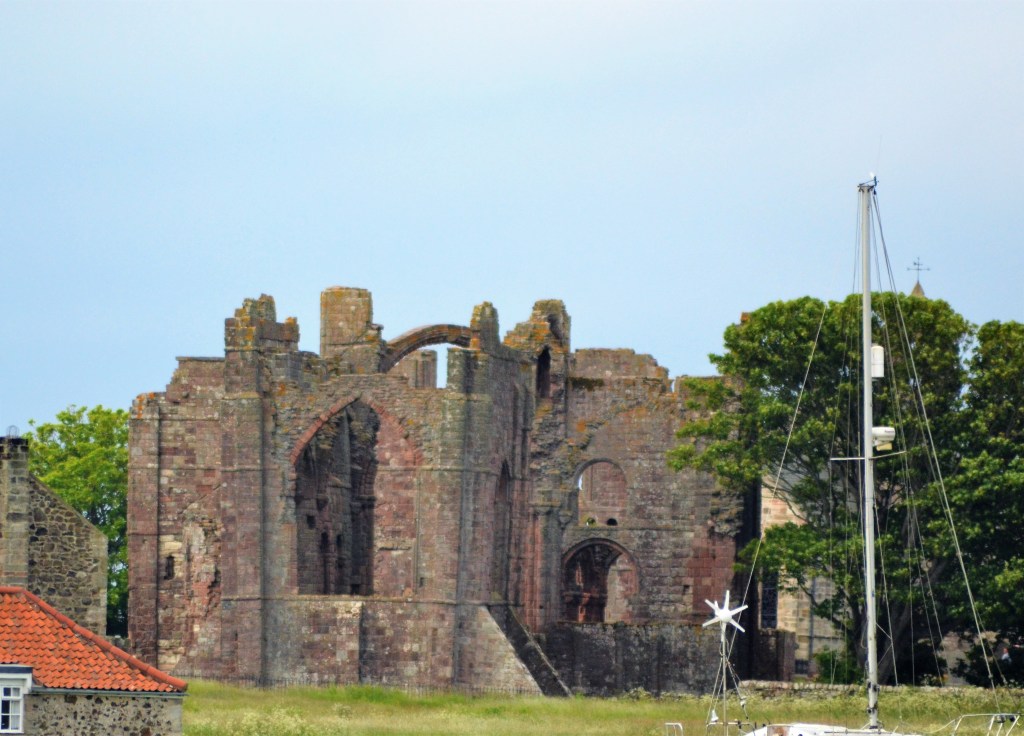
From the end of the 8th century, the isolated island with its rich monastery was easy prey for Viking raiders. In 875 the monks left, carrying Cuthbert’s remains, which after long wanderings were enshrined in Durham Cathedral in 1104, where they still rest. Only after that time did Durham monks re-establish a priory on Lindisfarne: the evocative ruins of the richly decorated priory church they built in c. 1150 still stand, with their famous ‘rainbow arch’ – a vault-rib of the now vanished crossing tower.

Lindisfarne castle is a distinctive landmark and can be seen on its loft crag from miles away. Following the dissolution of the monasteries by Henry VIII, the Castle was built in the 1550s using stones from the demolished Priory.

Alnwick Castle

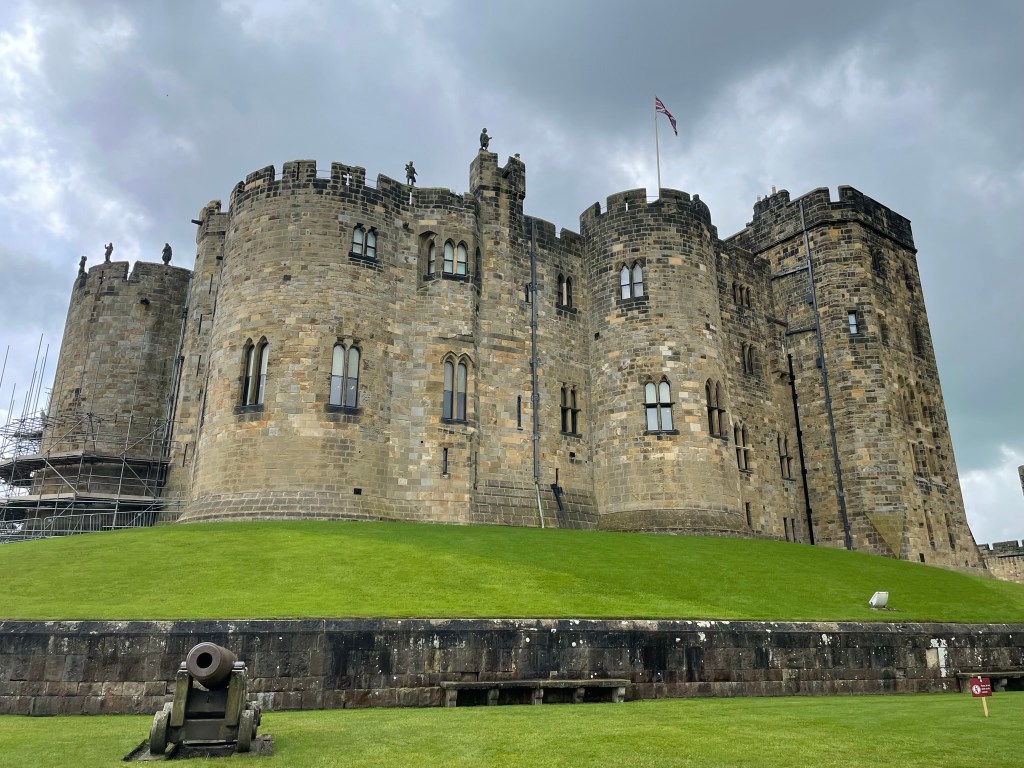
The second largest inhabited castle in the UK, Alnwick has served as a military outpost, a teaching college, a refuge for evacuees, a film set, and remains a family home. You might recognise it from the Harry Potter films, and on the day we visited there were broomstick ‘flying’ lessons and other Harry Potter themed activities happening throughout the day.

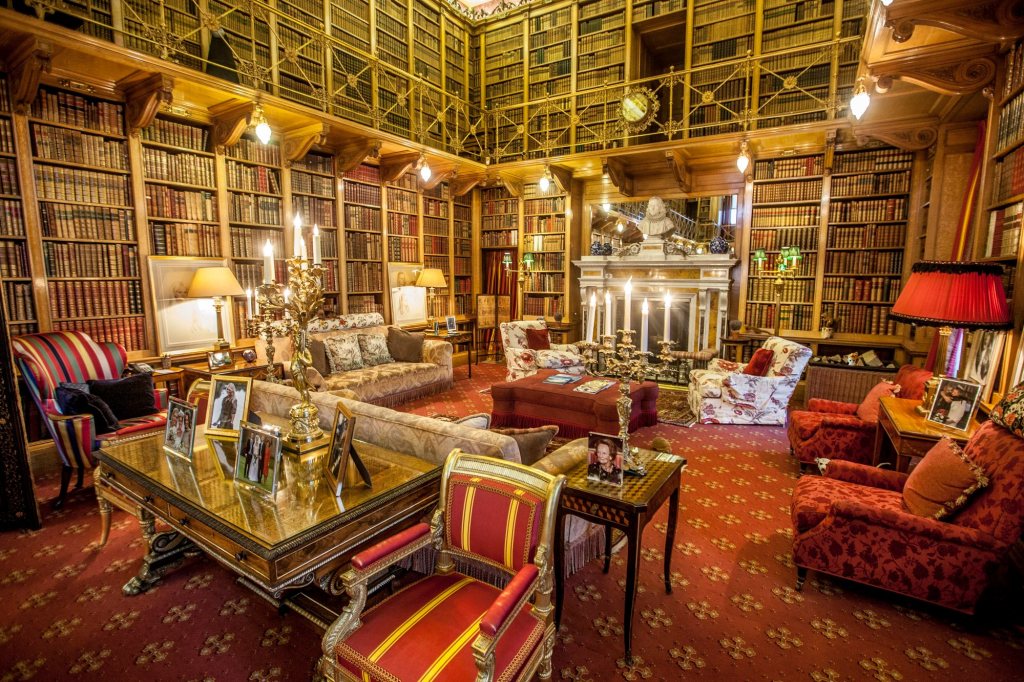
The castle construction began around 1096 and it became home to the Percy family (who still live there today) in 1309. The library is simply stunning with – cue book envy – over 14,000 books on its multi layered shelves. Because it’s still a family home, visitors are asked not to take photos inside, but this pic from the castle’s Facebook page shows the library in all its beauty.

Bamburgh Castle

Bamburgh Castle has stood guard above the spectacular Northumberland coastline for over 1,400 years. Spanning nine acres of land on its rocky plateau, it’s one of the largest inhabited castles in the country.

There’s been some kind of defensive structure at Bamburgh since at least the 6th century and it’s regarded as the ancient capital of the powerful kingdom of Northumbria.

Bamburgh, or it’s ancient name of Bebbanburgh, is mentioned extensively throughout the TV series ‘The Last Kingdom’. The series was filmed mostly in Hungary, but some of the battle scenes from season three were filmed on Bamburgh beach in the shadow of the famous castle. Both Robin of Sherwood (TV series) and the movie Robin Hood Prince of Thieves also used Bamburgh as a set.

Dunstanburgh

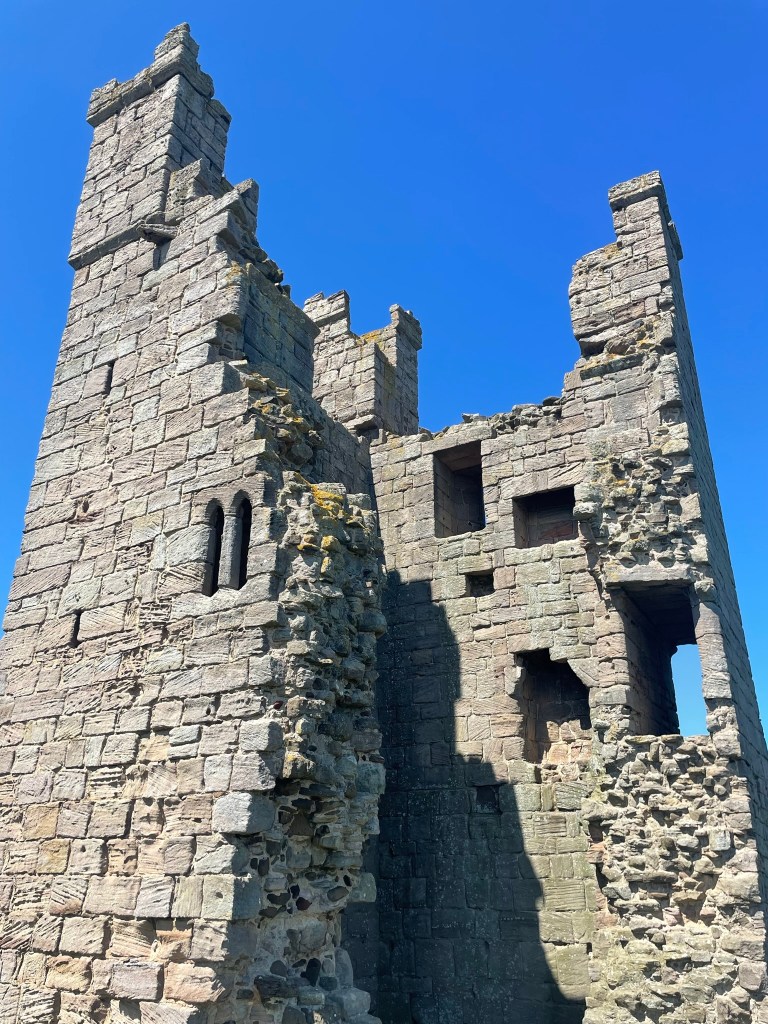
Well worth the walk, Dunstanburgh, is an iconic castle ruin and was once one of the largest and grandest fortifications in Northern England. It was built by Thomas, the Earl of Lancaster, between 1313 and 1322, a powerful English baron and the second richest man of his time, after the king of England.

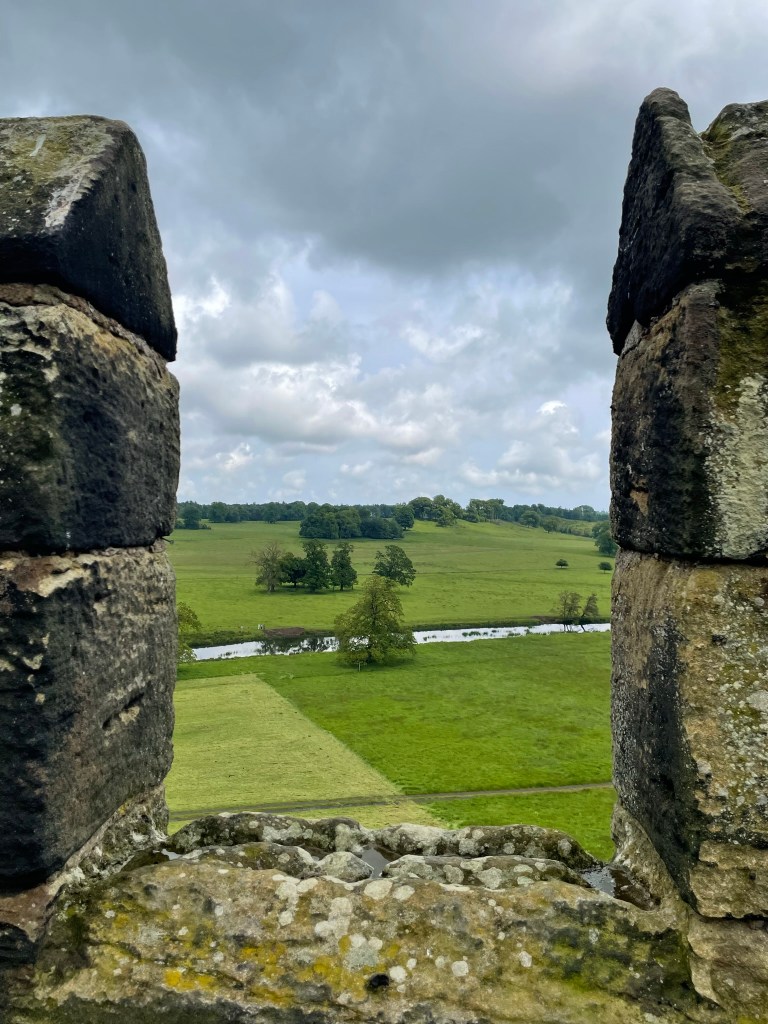
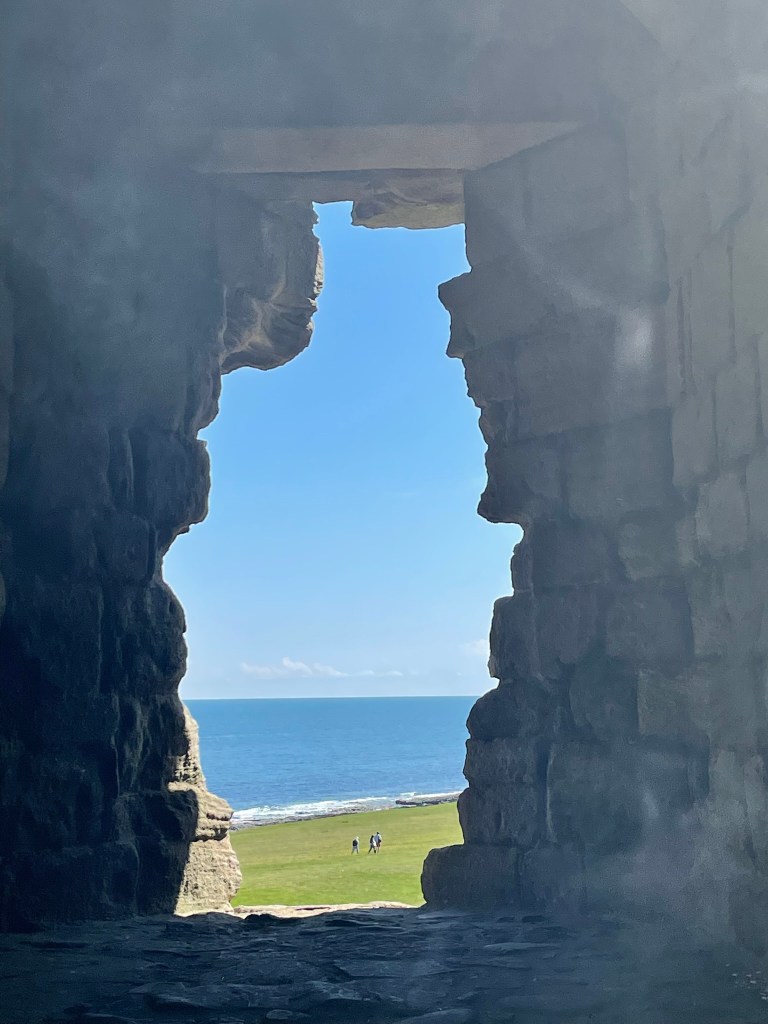
It’s a stunning ruin, and although it lacks the grandeur of Alnwick and Bamburgh, I enjoyed it the most. I like the honest simplicity of a ruin and how a ruin challenges your imagination. I’m always drawn to windows and doorways. Where did they lead to? What did the occupants see and what were they thinking as they looked out across the beautiful landscape? Some of the more manicured castles fill in those precious gaps too much for me.


There are 70 castles in Northumberland, and we managed to visit three. In our defence, we were distracted by the gorgeous beach near our cottage and hindered by a couple of days of good old British rain.

Which castle provided the inspiration for Broadstone?

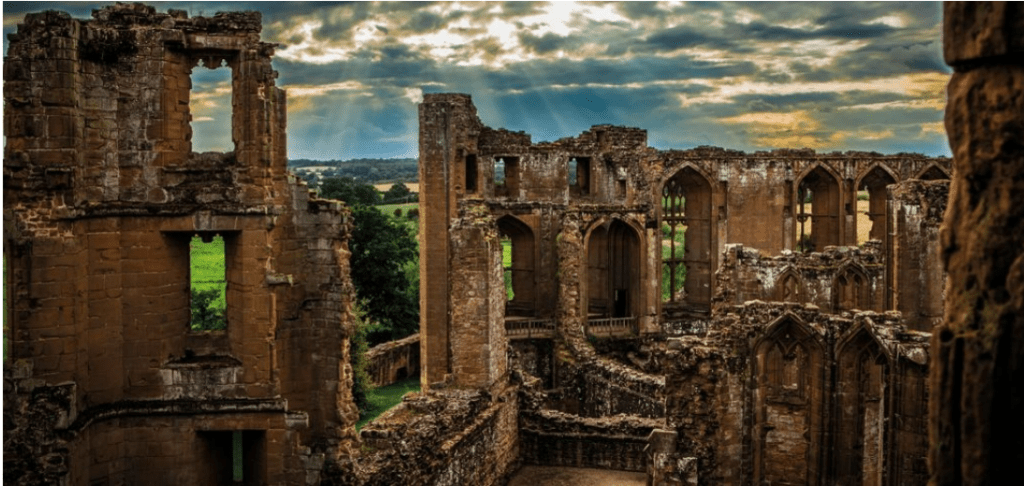
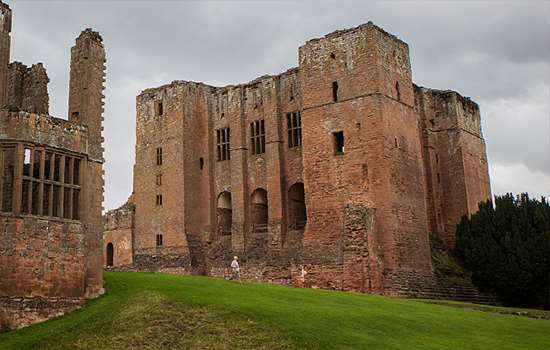
Although Broadstone is fictitious and an amalgamation of all the beautiful castles I’ve visited over the years, Kenilworth castle can probably take the credit for inspiring me the most. I first went in my late teens and I remember feeling a profound spiritual connection to it that I still can’t really explain. It’s mostly a ruin, but it blew me away.

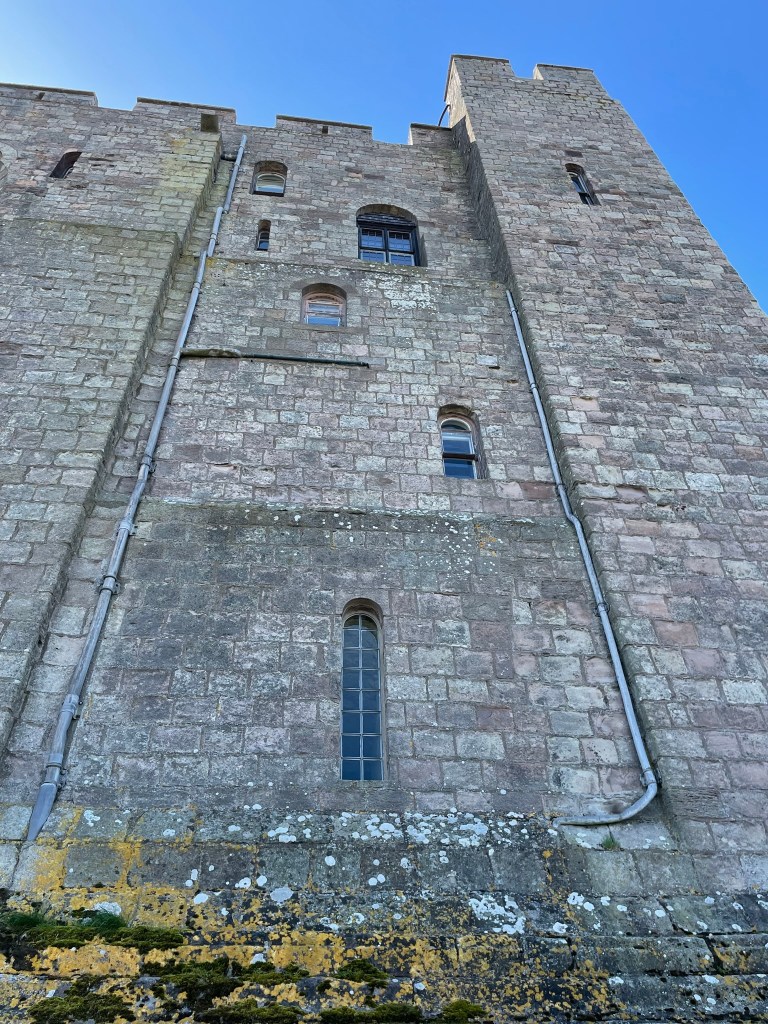
The image of the keep (right) is the closest visually to how I imagine Broadstone castle.


Thanks for taking the time to read this post. If you found it informative and entertaining, please consider sharing it with your friends and followers on social media. And if you have any feedback or suggestions for future topics, I’d love to hear from you in the comments below. Don’t forget to subscribe for more content and updates, or pop over to my newsletter page for more crime stuff, direct to your inbox every month.

See you soon.

Wendy