
Crime fiction is a genre that has captured the hearts and minds of readers for centuries. From classic detective novels to modern thrillers, crime fiction has the power to transport readers to the dark underbelly of society and immerse them in a world of danger, intrigue, and suspense.
One of the key elements that sets crime fiction apart from other genres is the dynamic between the protagonist and their sidekick. Often serving as a sounding board, comic relief, or even a source of conflict, sidekicks can add depth to character dynamics and provide a unique perspective on the story.
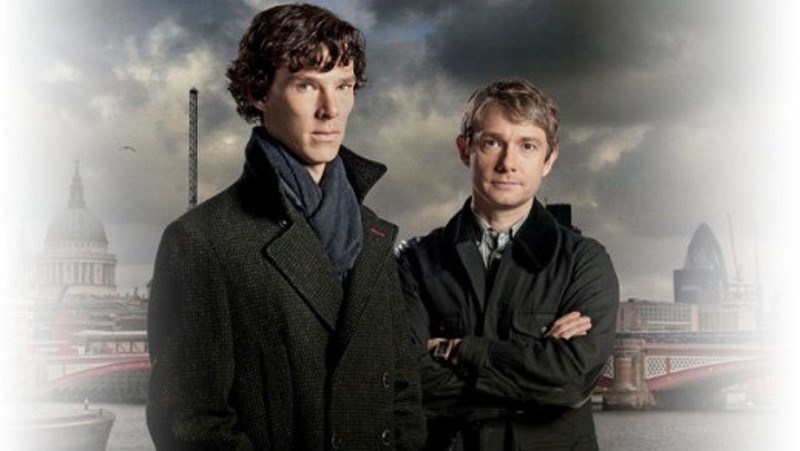
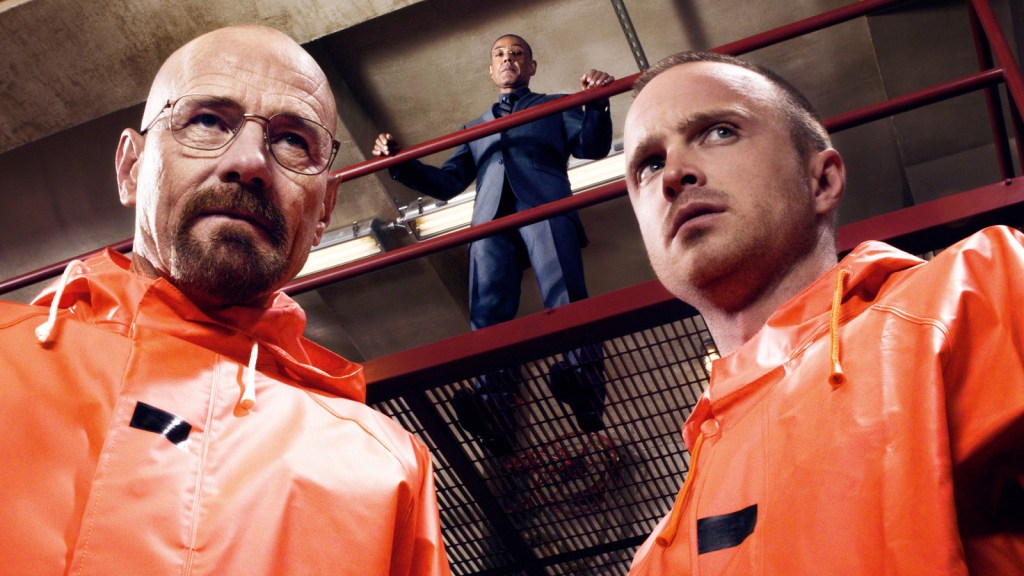
Sidekicks come in many forms, from law enforcement partners to criminal accomplices. Police procedural novels often feature partners in law enforcement, such as detectives, FBI agents, or other law enforcement officials. These partners often serve as sounding boards for the protagonist, bouncing ideas off each other and working together to solve the case.
In contrast, criminal accomplices can offer a unique perspective on a case. These sidekicks may be reluctant or unwilling partners in crime, forced to work with the protagonist for their own reasons. This can create a complex and morally ambiguous relationship between the protagonist and their sidekick.
Here are a few examples of famous sidekicks in crime fiction:
Dr. John Watson from Arthur Conan Doyle’s “Sherlock Holmes” series
Robin Ellacott from Robert Galbraith’s “Cormoran Strike” series
Sergeant Lewis from Colin Dexter’s “Inspector Morse” series
Ariadne Oliver from Agatha Christie’s “Hercule Poirot” series
Detective Sergeant Barbara Havers from Elizabeth George’s “Inspector Lynley” series
Watson Bryant from John Grisham’s “The Runaway Jury”
Jesse Stone from Robert B. Parker’s “Jesse Stone” series
Marty Hart from Nic Pizzolatto’s “True Detective”
Hawk from Robert B. Parker’s “Spenser” series
Tinker Dill from Dashiell Hammett’s “The Thin Man”
One of the key functions of a sidekick in crime fiction is to help the protagonist navigate through the complex world of crime. Whether it’s providing technical expertise, emotional support, or even physical backup, sidekicks often play a vital role in helping the protagonist achieve their goals. By working together, the protagonist and their sidekick can overcome seemingly insurmountable obstacles and bring criminals to justice.
But sidekicks are more than just a means to an end – they can also be fully-realised characters in their own right. Some sidekicks are just as complex and intriguing as the protagonist, with their own motivations, fears, and desires. In some cases, the sidekick may even have their own character arc or storyline that runs parallel to the protagonist’s. This adds an additional layer of depth to the story and can keep readers engaged and invested in both characters.
True Detective
One of my personal favourites is Marty Hart in ‘True Detective’. Marty Hart is a prime example of a sidekick who serves as a foil to the protagonist in crime fiction. In “True Detective,” he is the partner and friend of the main character, Rustin “Rust” Cohle, and provides a contrasting perspective to Cohle’s pessimistic and nihilistic worldview.
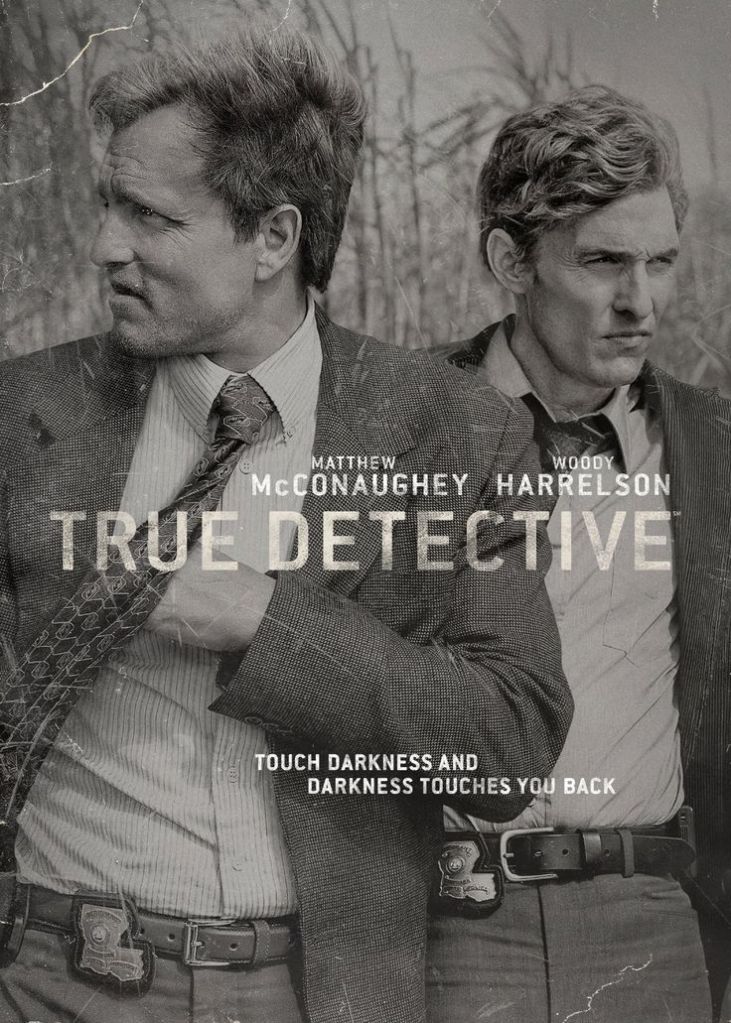
Hart, played by Woody Harrelson in the television series, is a family man with a more optimistic and traditional outlook on life. He is a detective in the Louisiana State Police and has a more grounded and practical approach to police work compared to Cohle’s more philosophical approach. Hart is also a flawed character with a complicated personal life, including infidelity and alcoholism, which contrasts with Cohle’s more monastic lifestyle.
Throughout the series, Hart serves as a sounding board for Cohle’s ideas and theories, challenging him when he goes too far in his bleak worldview. At the same time, Hart’s flaws and mistakes are exposed, highlighting the differences between the two characters and adding depth to their relationship.
Marty Hart’s character is an excellent example of how a sidekick can add complexity to a crime fiction story by serving as a foil to the protagonist. By offering a contrasting perspective to the main character, sidekicks like Hart can add depth to the story and highlight the protagonist’s flaws and strengths.
If you haven’t seen this series I highly recommend it. Matthew McConaughey’s performance is an acting masterclass.
Dr Watson
Dr. John Watson is one of the most iconic sidekicks in crime fiction and an integral part of the “Sherlock Holmes” series by Arthur Conan Doyle. He serves as the loyal friend and partner of the brilliant detective Sherlock Holmes and is the narrator of most of the stories in the series.
Watson is a former army surgeon who meets Holmes through a mutual acquaintance and becomes his flatmate and assistant in his investigations. He provides a contrasting perspective to Holmes, who is known for his cold and analytical approach to crime-solving. Watson is more empathetic and emotional, often serving as the emotional anchor to Holmes’ more detached persona.
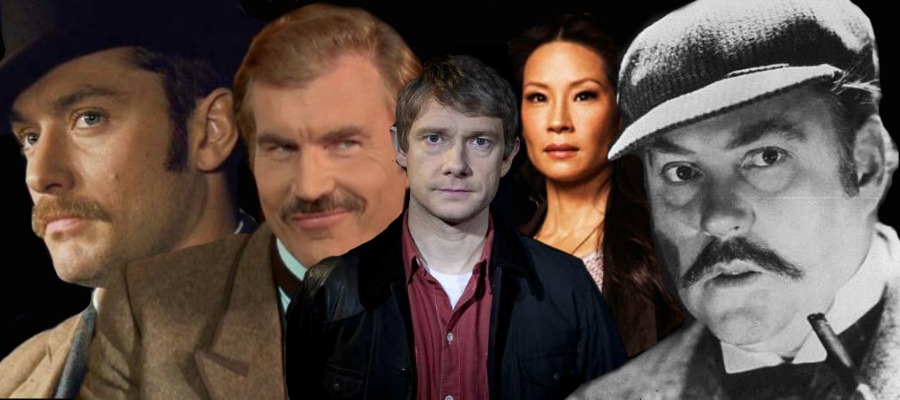
Throughout the series, Watson’s character develops beyond his initial role as a narrator and sidekick. He grows in his own right as a character, eventually becoming a successful writer and even marrying and starting a family. Watson’s character is also used as a tool for Conan Doyle to provide exposition and backstory for Holmes and the cases they investigate.
Watson’s role as a sidekick is essential to the “Sherlock Holmes” series, as he provides a more human and relatable perspective to the genius detective. His contrasting personality and role as a supportive friend and partner make him an excellent foil to Holmes, highlighting the detective’s eccentricities and making the dynamic between the two characters all the more compelling.
Doyle himself spoke highly of Watson, calling him a “character for whom I have the highest regard” and “a composite of several of my medical friends and myself.” He also acknowledged that the character of Watson was essential to the success of the Sherlock Holmes stories, stating that “Holmes, who has no peer in solving small puzzles, is eclipsed by his own sidekick in the larger one of personality.”
If Watson interests you, this is a great article on the different portrayals of him in film and on TV. https://sherlockshome.net/2016/05/27/10-greatest-ever-portrayals-of-dr-watson
Unusual partnerships
Aside from the typical detective partnerships, often two completely different (and often opposing) characters come together in crime solving unity. I love these unlikely pairings, and the exploration of their relationship adds another layer of intrigue to the central investigative plotline.
Here are a few notable ones:
“The Alienist” by Caleb Carr – In this novel, the unconventional trio of detectives – a newspaper reporter named John Moore, a female secretary named Sara Howard, and a criminal psychologist named Dr. Laszlo Kreizler – are tasked with tracking down a serial killer who is targeting young boys in New York City. Despite their differences and occasional clashes, the trio must work together to unravel the mystery and stop the killer before he strikes again.
“The Surgeon” by Tess Gerritsen – In this novel, Boston detective Jane Rizzoli teams up with FBI agent Gabriel Dean to catch a sadistic killer who preys on young women. Rizzoli is initially skeptical of Dean’s involvement, but as they work together to solve the case, they develop a mutual respect and understanding.
Interestingly, in the US TV series Rizzoli and Isles, Rizzoli partners up on her investigations with friend and pathologist Maura Isles. I’m a huge fan. Their multi-level dynamic is lovely, and their contrasting traits and personalities perfectly compliment each other.
“The Girl with the Dragon Tattoo” by Stieg Larsson – In this novel, journalist Mikael Blomkvist hires Lisbeth Salander, a brilliant but troubled hacker, to help him investigate a decades-old case involving a wealthy family. Despite their vastly different personalities and backgrounds, Blomkvist and Salander form an unlikely partnership as they unravel the dark secrets of the family.
“The Silent Patient” by Alex Michaelides – In this novel, psychiatrist Theo Faber becomes obsessed with treating Alicia Berenson, a woman who has been accused of murdering her husband and has not spoken a word since the crime. As he delves deeper into her case, he enlists the help of a former criminal named Theo, who holds the key to unlocking Alicia’s secrets. Together, they form an unlikely partnership as they uncover the truth about what happened the night of the murder.
“The Poet” by Michael Connelly – In this novel, retired FBI agent Rachel Walling teams up with crime reporter Jack McEvoy to investigate a series of murders that may be linked to a notorious serial killer known as “The Poet.” Despite their initial mistrust and professional rivalry, Walling and McEvoy must work together to solve the case and stop the killer before he strikes again.
Conclusion
Sidekicks are an essential part of crime fiction, offering a fresh perspective on a case and adding depth to character dynamics. Whether they are partners in law enforcement or criminal accomplices, sidekicks can create tension and conflict, highlighting the strengths and flaws of the protagonist. They have the power to elevate the reading experience and make the story more engaging and immersive.
So, the next time you pick up a crime novel, take a moment to appreciate the role of the sidekick – you never know, they just might be your new favourite character.
I’m an avid reader, so I can’t wait to meet more of them!
Thanks for taking the time to read this post. If you found it informative and entertaining, please consider sharing it with your friends and followers on social media. And if you have any feedback or suggestions for future topics, I’d love to hear from you in the comments below. Don’t forget to subscribe for more content and updates, or pop over to my newsletter page for more crime stuff, direct to your inbox every month.
See you soon.

Wendy




 Wendy Turner-Hargreaves