Whether you’re a seasoned storyteller or an aspiring wordsmith, mastering the technique of ‘Show, Don’t Tell’ can elevate your storytelling to new heights. By engaging the senses, evoking vivid imagery, and crafting immersive experiences, you can captivate your readers and forge a deep emotional connection.
Here’s how to unlock the power of ‘Show, Don’t Tell’ and transform your writing.
The Essence of ‘Show, Don’t Tell’
Instead of explicitly stating emotions or facts, let the readers experience them through rich descriptions, evocative imagery, and compelling actions. By doing so, we enable readers to engage their imaginations and become active participants in the story.
Techniques for Crafting Authentic Emotion
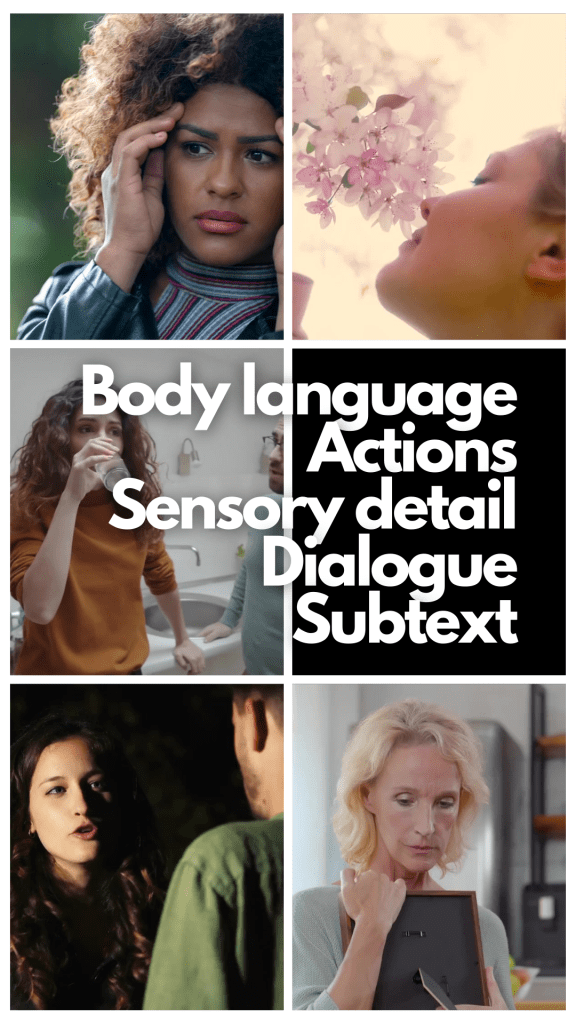
Use Body Language: Explore the intricate language of the body to convey emotions. Describing physical reactions like trembling hands, clenched fists, or a quivering voice allows readers to sense the characters’ inner turmoil or excitement.
Show through Actions and Behaviours: Actions speak louder than words. Show characters’ emotions through their behaviours and choices. A character’s gentle touch, a tear rolling down their cheek, or an impulsive outburst can reveal a wealth of emotion.
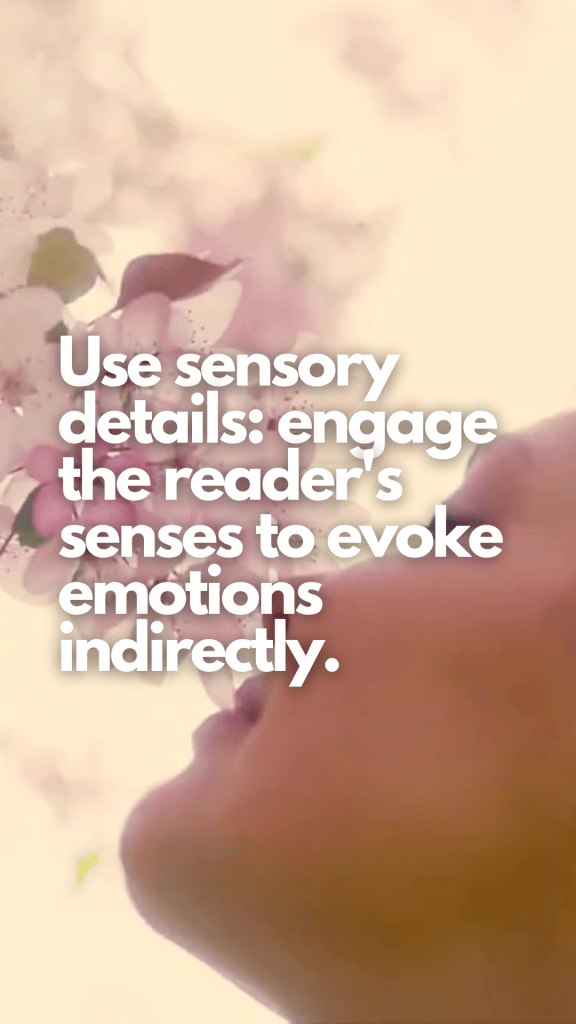
Engage the Senses: Enliven your scenes by immersing readers in sensory details. Paint a vivid picture with sights, sounds, smells, tastes, and textures that enhance the atmosphere and evoke emotional responses in your readers.
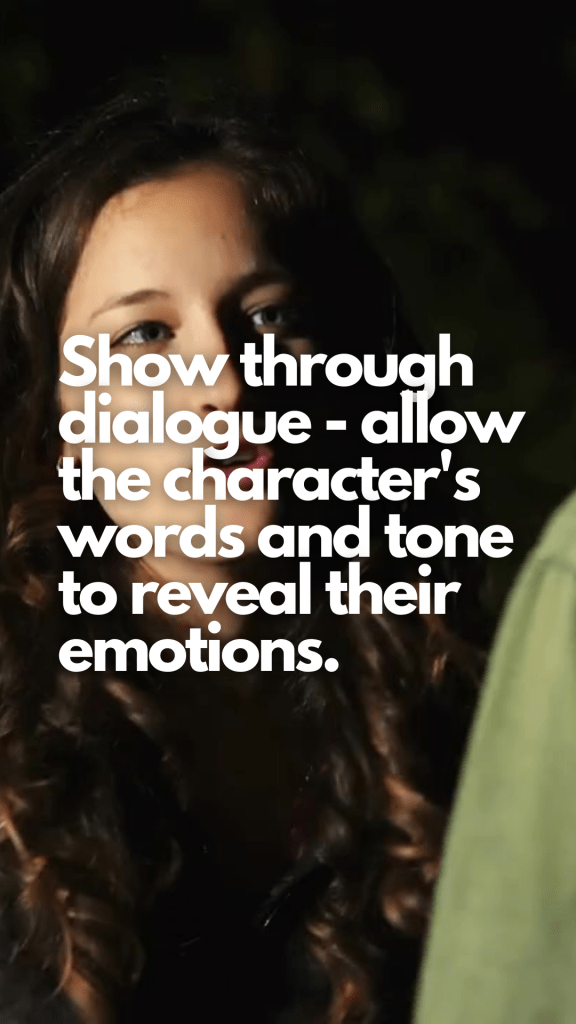
Show through Dialogue: Craft dialogue that subtly reveals emotions. Pay attention to the characters’ word choices, pauses, and tone of voice. Let their speech patterns and nonverbal cues convey their underlying feelings.
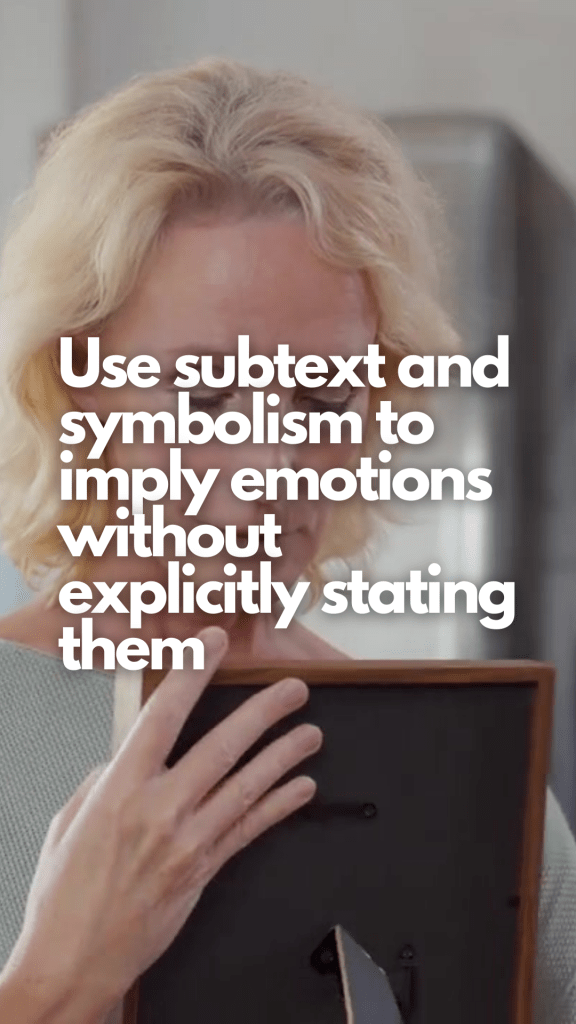
Harness Subtext and Symbolism: Infuse your writing with layers of meaning by employing subtext and symbolism. Allow readers to read between the lines, discovering deeper emotions and themes through subtle hints and metaphors.
Creating Immersive and Resonant Scenes
‘Show, Don’t Tell’ can be applied to specific scenes and settings. Whether it’s an intense action sequence, a tender romantic encounter, or a hauntingly atmospheric landscape, you can use these techniques to transport readers into the heart of your story.
• Rather than telling the reader that the room was messy, show clothes strewn across the floor, stacks of papers on the desk, and dirty dishes piled up on the counter, painting a vivid picture of the disarray.
• Instead of telling the reader that the coffee was hot, show the steam rising from the mug, the protagonist blowing on it cautiously, and the warmth spreading through their hands as they took a careful sip.
• Instead of telling the reader that the child was excited, show them jumping up and down, clapping their hands, and shouting with glee when they received the gift they had been longing for.
• Instead of telling the reader that the detective was suspicious, show them narrowing their eyes, leaning forward, and scrutinising the suspect’s every move, conveying their doubt and mistrust without explicitly stating it.
Practice, Refine, and Master
Becoming proficient in ‘Show, Don’t Tell’ requires practice and a keen eye for detail. But once you ‘get’ the principle you’ll be able to spot it in your writing and adjust your narrative to provide a deeper experience for your readers.
Conclusion:
By mastering the art of ‘Show, Don’t Tell,’ you’ll transform your writing into a rich tapestry of emotions and experiences. Invite readers to step into your world, where they can smell, taste, and feel every moment. Embrace this powerful technique and unlock the true potential of your storytelling prowess.
Thanks for taking the time to read this post. If you found it informative and entertaining, please consider sharing it with your friends and followers on social media. And if you have any feedback or suggestions for future topics, I’d love to hear from you in the comments below. Don’t forget to subscribe for more content and updates, or pop over to my newsletter page for more crime stuff, direct to your inbox every month.
When it comes to crime fiction, strong female characters are often at the forefront of the action. They bring a unique perspective to the genre, one that challenges traditional gender stereotypes and offers a refreshing alternative to the usual male-dominated narrative. These characters are smart, resourceful, and never back down from a challenge, no matter how daunting it may seem.
Crime fiction has long been a popular genre, capturing the attention of readers with its gripping plots and suspenseful twists. And while the genre is often associated with male detectives and hard-boiled protagonists, women have been an integral part of crime fiction from its earliest days.
From the classic femme fatales of the 1940s to the modern-day sleuths, here’s a brief history of women in crime fiction.
The Femme Fatale Era
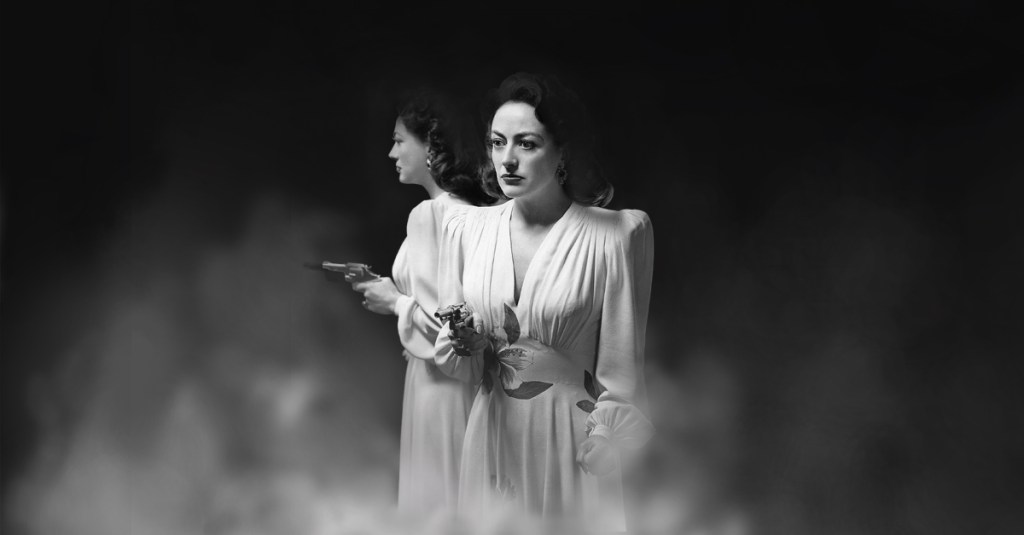
The femme fatale era of crime fiction emerged during the 1940s, a time of great social upheaval. World War II was raging overseas, and at home, women were entering the workforce in large numbers to support the war effort. This led to a shift in traditional gender roles and challenged the notion of women as passive and submissive.
In the world of crime fiction, this changing social landscape was reflected in the portrayal of women as complex and multi-dimensional characters. The femme fatale archetype emerged as a response to the shifting power dynamics between men and women.
Femme fatales were often depicted as beautiful and alluring, using their sexuality and charm to manipulate men into doing their bidding. They were smart and cunning, often outwitting the male detectives who sought to bring them to justice.
But while femme fatales were powerful and independent, they were also deeply flawed characters. They were often motivated by greed or revenge, and their actions often had dire consequences for themselves and the men who fell under their spell.
One of the key themes of the femme fatale era was the idea of female agency. Femme fatales were not passive victims or objects of desire, but active participants in their own lives. They challenged traditional notions of femininity and defied the expectations placed upon them by society.
At the same time, however, the portrayal of femme fatales was often problematic. They were frequently depicted as immoral or evil, reinforcing negative stereotypes about women and their sexuality. In many cases, they were punished for their transgressions, either through death or imprisonment.
Despite these limitations, the femme fatale era marked an important milestone in the history of women in crime fiction. It paved the way for future generations of strong and complex female characters, who would challenge gender stereotypes and redefine the genre in their own image.
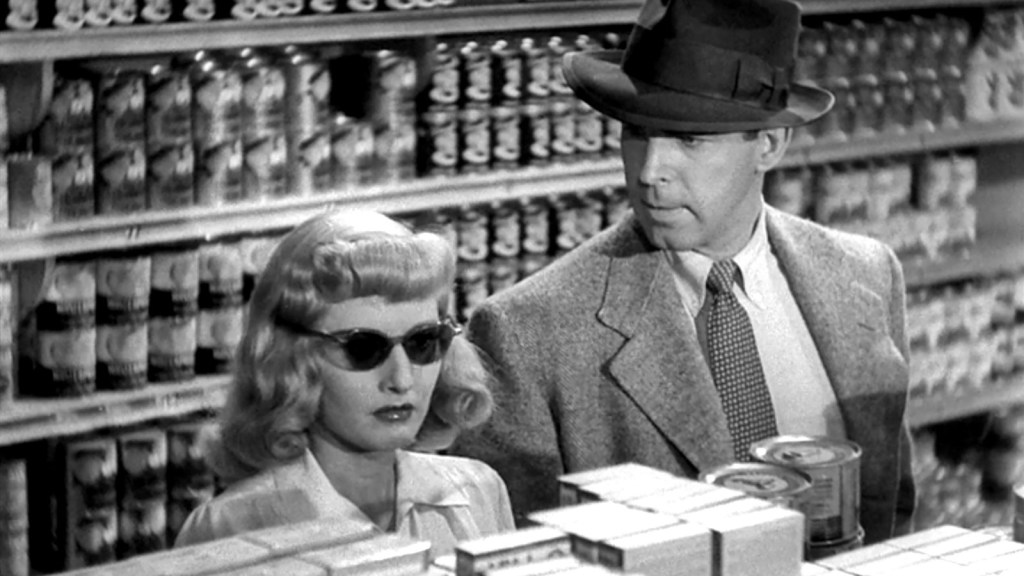
One of the most iconic examples of the femme fatale is Phyllis Dietrichson from James M. Cain’s “Double Indemnity.” The novel was adapted into a classic film noir in 1944, with Barbara Stanwyck portraying Phyllis as a scheming housewife who conspires with insurance salesman Walter Neff to murder her husband. Other notable femme fatales from this era include Brigid O’Shaughnessy from Dashiell Hammett’s “The Maltese Falcon” and Kathie Moffat from “Out of the Past” by Daniel Mainwaring.
The Rise of Female Sleuths
As the years went on, the portrayal of women in crime fiction began to shift. Instead of being relegated to supporting roles or being portrayed as dangerous seductresses, women began to take centre stage as detectives and sleuths. The 1970s saw the rise of female private investigators like Sue Grafton’s Kinsey Millhone and Sara Paretsky’s V.I. Warshawski, who broke down gender barriers in the genre and proved that women could be just as tough and capable as their male counterparts.
In the 1990s, the popularity of cosy mysteries soared, and female protagonists became even more prevalent. These books often featured amateur detectives or small-town sleuths, and their heroines were typically smart, resourceful women who used their wits to solve crimes. Series like “The Cat Who…” by Lilian Jackson Braun and the “Miss Marple” novels by Agatha Christie paved the way for a new generation of cosy mysteries, and female authors like Janet Evanovich and Charlaine Harris became household names with their bestselling series.
Modern-Day Heroines
Today, female protagonists are more prevalent than ever in crime fiction. They come in all shapes and sizes, from hard-edged detectives to amateur sleuths to forensic experts. These heroines are strong, complex characters who challenge readers’ expectations.
One of the most popular modern-day heroines is Lisbeth Salander from Stieg Larsson’s “Millennium” series. Lisbeth is a brilliant hacker with a troubled past who becomes entangled in a web of corruption and violence. She’s a survivor and a fighter, and her unapologetic approach to life has made her an icon of feminist crime fiction.
Another popular series featuring a female detective is Tana French’s “Dublin Murder Squad” novels. French’s protagonists are complex and flawed, and their investigations often bring them face-to-face with their own personal demons. In “In the Woods,” for example, detective Cassie Maddox is forced to confront her past when she investigates the murder of a young girl who bears a striking resemblance to her.
The history of women in crime fiction is a long and fascinating one. From the femme fatales of the 1940s to the female sleuths of the 1970s and beyond , women have been an integral part of the genre, both as characters and as authors. Over the years, the portrayal of women in crime fiction has evolved, reflecting changing attitudes towards gender roles and female empowerment.
Today, readers of crime fiction have a wealth of strong female characters to choose from, each with their own unique personality and approach to solving crimes. Whether they’re hard-edged detectives, quirky amateur sleuths, or brilliant forensic experts, these heroines are a testament to the power and resilience of women in the face of danger and adversity.
Not just the main event – secondary characters
In crime novels, strong female characters can take on a variety of roles. They can be detectives, witnesses, victims, or even villains. Regardless of their position in the story, these women are multi-dimensional and powerful. They’re not just sidekicks or love interests – they’re the driving force behind the narrative.
Although there are some notable female detectives in crime fiction, there are other, secondary characters who have just as much impact on the storyline and plot:
Three stand out for me:
• Lucy Farinelli from “The Scarpetta Factor” by Patricia Cornwell – Lucy is a forensic investigator who works alongside the main protagonist, Dr. Kay Scarpetta. She is highly skilled in her field and provides invaluable insights and support to Scarpetta throughout the investigation.
• Annie Cabbot from “In a Dry Season” by Peter Robinson – Annie is a police detective who works alongside the main protagonist, Detective Inspector Alan Banks, to solve a decades-old murder case. She is intelligent, resourceful, and not afraid to challenge Banks when she disagrees with his methods.
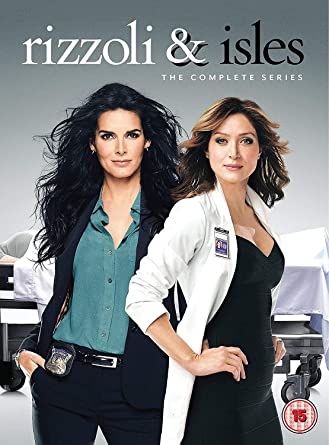
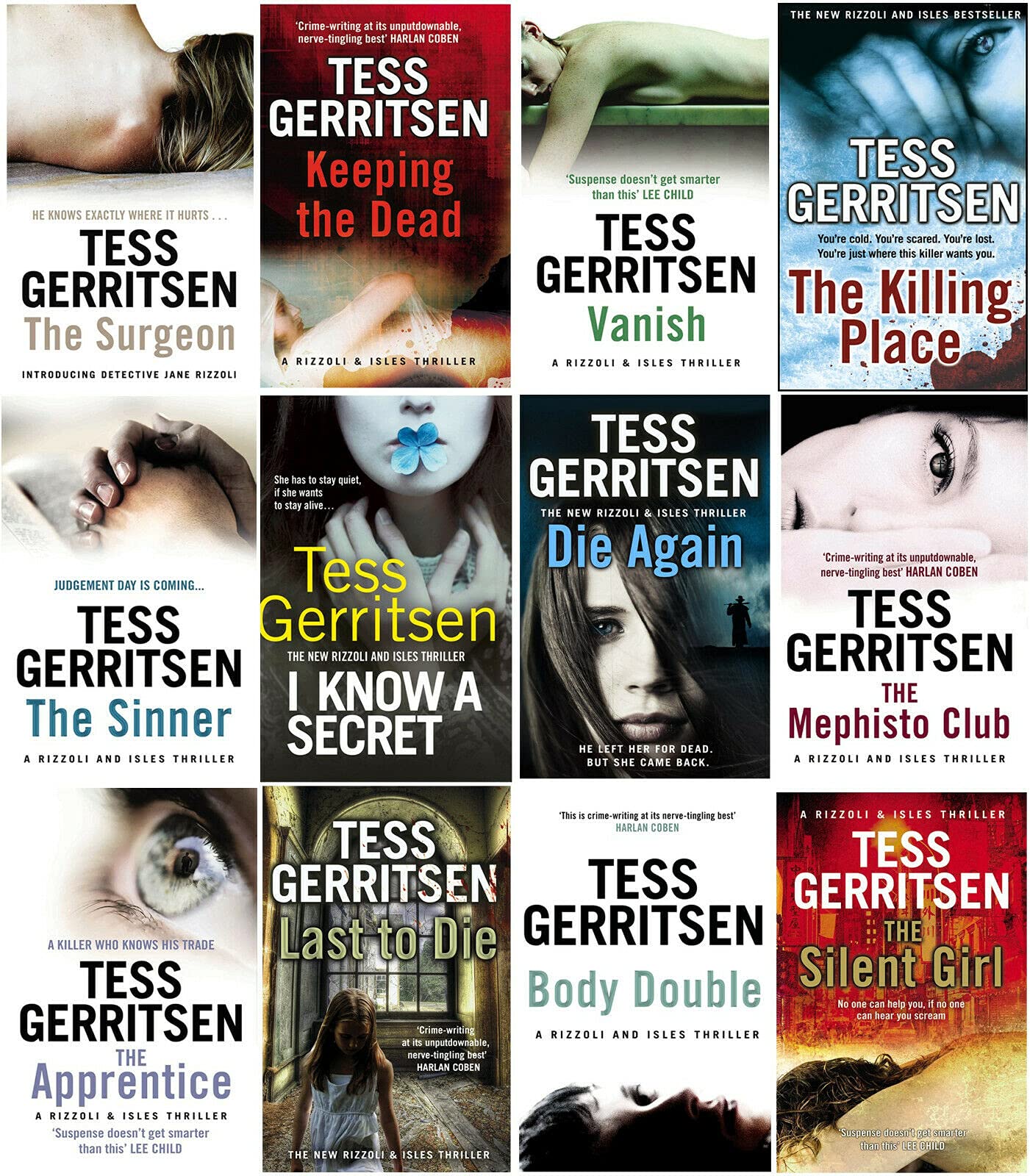
• Dr. Maura Isles from “The Surgeon” by Tess Gerritsen – Dr. Isles is a medical examiner who works alongside the main protagonist, Detective Jane Rizzoli, to solve a series of gruesome murders. She is highly skilled in her field and provides valuable insights into the victims’ injuries and cause of death.
I would also add Lisbeth Salander from “The Girl with the Dragon Tattoo” by Stieg Larsson (again!) and Katrin Siska from “The Man Who Watched Women” by Michael Hjorth and Hans Rosenfeldt.
These characters are all strong, complex, and multi-dimensional, and they play important roles in their respective stories, proving that women can be just as capable and intelligent as men in the world of crime fiction.
In a genre that is often dominated by male characters, these women provide a much-needed balance. They prove that strength and intelligence are not exclusive to men and that women can be just as capable in high-pressure situations.
The power of vulnerability
The vulnerability of strong female characters is what truly sets them apart in crime fiction. While they may be incredibly capable and intelligent, they are not invincible, and they are not perfect. They are flawed, they make mistakes, and they struggle with their own inner demons, just like any other human being.
It’s this vulnerability that makes these characters so relatable to readers. We see ourselves in their struggles and their triumphs. We understand what it’s like to face obstacles and challenges, and we root for these characters to succeed, even when the odds are stacked against them.
But this vulnerability is not just a plot device – it’s a reflection of the reality that many women face in their everyday lives. Women are often subjected to societal pressures and expectations that can be overwhelming and daunting. They are expected to be perfect, to have it all together, and to never show weakness or vulnerability. But this is an unrealistic and unhealthy standard to live up to.
In crime fiction, strong female characters provide a refreshing alternative to this unrealistic expectation. They show us that it’s okay to be vulnerable, to have flaws, and to struggle. They show us that it’s possible to be strong and capable while also being human and imperfect.
These characters serve as role models for young girls, showing them that they can be anything they want to be, regardless of their gender. They offer a sense of empowerment and inspiration, reminding us that women are capable of achieving greatness and breaking down barriers.
Who are my favourites?
If I have to choose, there are two standout characters for me, both sassy and inspirational women and beautifully written.
Jane Rizzoli – Tess Gerritsen
Detective Chief Inspector Jane Rizzoli is a complex and dynamic character in Tess Gerritsen’s crime fiction novel “The Surgeon.” As the main detective of the story, she is highly competent and driven, but also flawed and vulnerable.
Rizzoli is a tough and determined investigator who takes charge of the case involving a serial killer who has been terrorizing the city. She is respected by her colleagues and superiors for her intelligence, attention to detail, and ability to think outside the box. She is also highly dedicated to her job, often putting in long hours and sacrificing her personal life for the sake of the investigation.
However, Rizzoli also has a darker side. She has a strained relationship with her family, particularly her mother, who disapproves of her career and often belittles her. Rizzoli also has a tendency to push people away and isolate herself, which can make it difficult for her to form close relationships or trust others.
Throughout the novel, Rizzoli struggles to balance her personal and professional life while also dealing with the trauma of her own past, which is connected to the case she is investigating. Her weaknesses and faults make her a relatable and human character, and her determination and strength make her a powerful force in the story.
Overall, Detective Chief Inspector Jane Rizzoli is a well-rounded and compelling character who adds depth and complexity to the crime fiction genre.
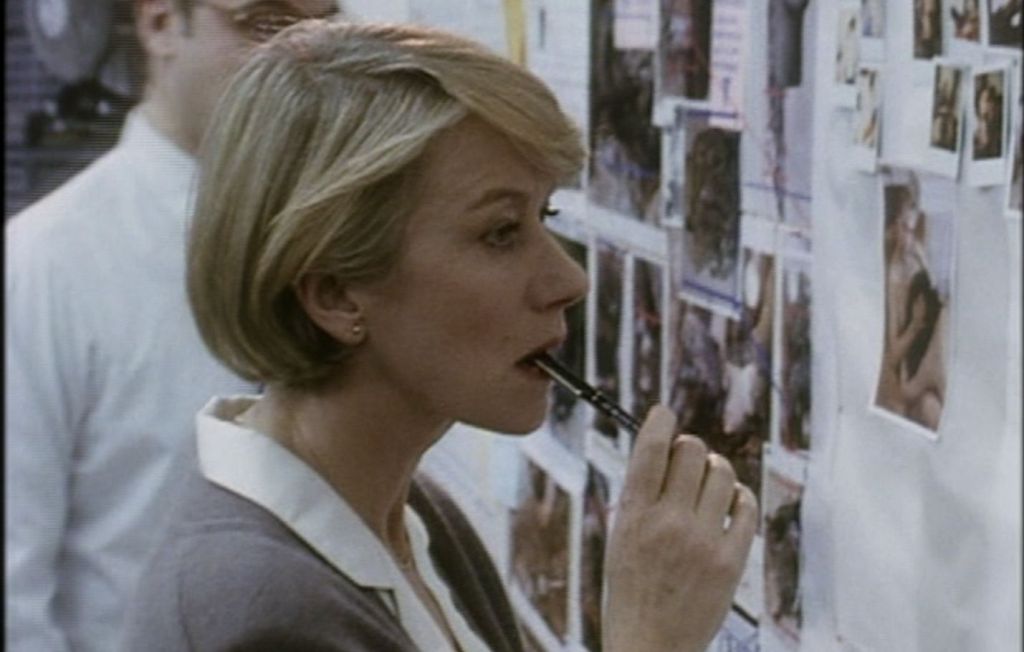
Jane Tennison from “Prime Suspect” by Lynda La Plante
Jane Tennison is a strong and complex character in Lynda La Plante’s crime fiction series “Prime Suspect.” As a female detective in a male-dominated profession, she faces many challenges and obstacles but rises to the top of her field through her intelligence, tenacity, and perseverance.
Throughout the series, Tennison’s character develops and evolves. In the beginning, she is often dismissed and underestimated by her colleagues due to her gender. However, she proves herself time and time again through her excellent detective work and determination to solve even the toughest cases.
Tennison is portrayed as a flawed character, with a complex personal life and a tendency to struggle with alcoholism. However, she is also highly dedicated to her job and is willing to put in the long hours and hard work necessary to succeed.
One of Tennison’s defining traits is her willingness to go against the norms and expectations of her profession and society at large. She challenges gender stereotypes and expectations of how a female detective should behave, often facing criticism and pushback from her colleagues.
Despite the challenges she faces, Tennison is a highly competent and respected detective who is able to solve even the most difficult cases. She is a powerful representation of a strong, independent woman who can succeed in a male-dominated profession through her intelligence, hard work, and determination.
Overall, Jane Tennison is a dynamic and multi-faceted character who adds depth and complexity to the crime fiction genre. She is a powerful representation of a strong female character who challenges the status quo.
So, strong female characters are a force to be reckoned with in crime novels. They bring a fresh perspective to the genre and challenge traditional gender stereotypes. These characters are multi-dimensional, powerful, and relatable, offering readers a glimpse into what it means to be a strong, capable woman in today’s world.
Thanks for taking the time to read this post. If you found it informative and entertaining, please consider sharing it with your friends and followers on social media. And if you have any feedback or suggestions for future topics, I’d love to hear from you in the comments below. Don’t forget to subscribe for more content and updates, or pop over to my newsletter page for more crime stuff, direct to your inbox every month.
As an author, inspiration can come from a variety of sources – from personal experiences and observations, to other works of literature and art. In this blog, I’ll explore some of the literary inspirations that have influenced my writing journey. From classic authors to modern-day crime writers, I’ll delve into the works that have shaped my writing style and approach, and share some insights into how these inspirations have helped me to craft my own voice. Whether you are an aspiring writer or simply a lover of literature, I hope that this blog will offer some insights and inspiration to help you on your own creative journey.
Early days
The inspiration to write began for me in childhood and came from a love of stories and the escapism of immersing into another world.
I had a lovely family and a happy home, but I remember at times being bored by the mundanity of everyday life. Where could I go, who else could I be, what experiences could I have through opening up my imagination and being somewhere else?
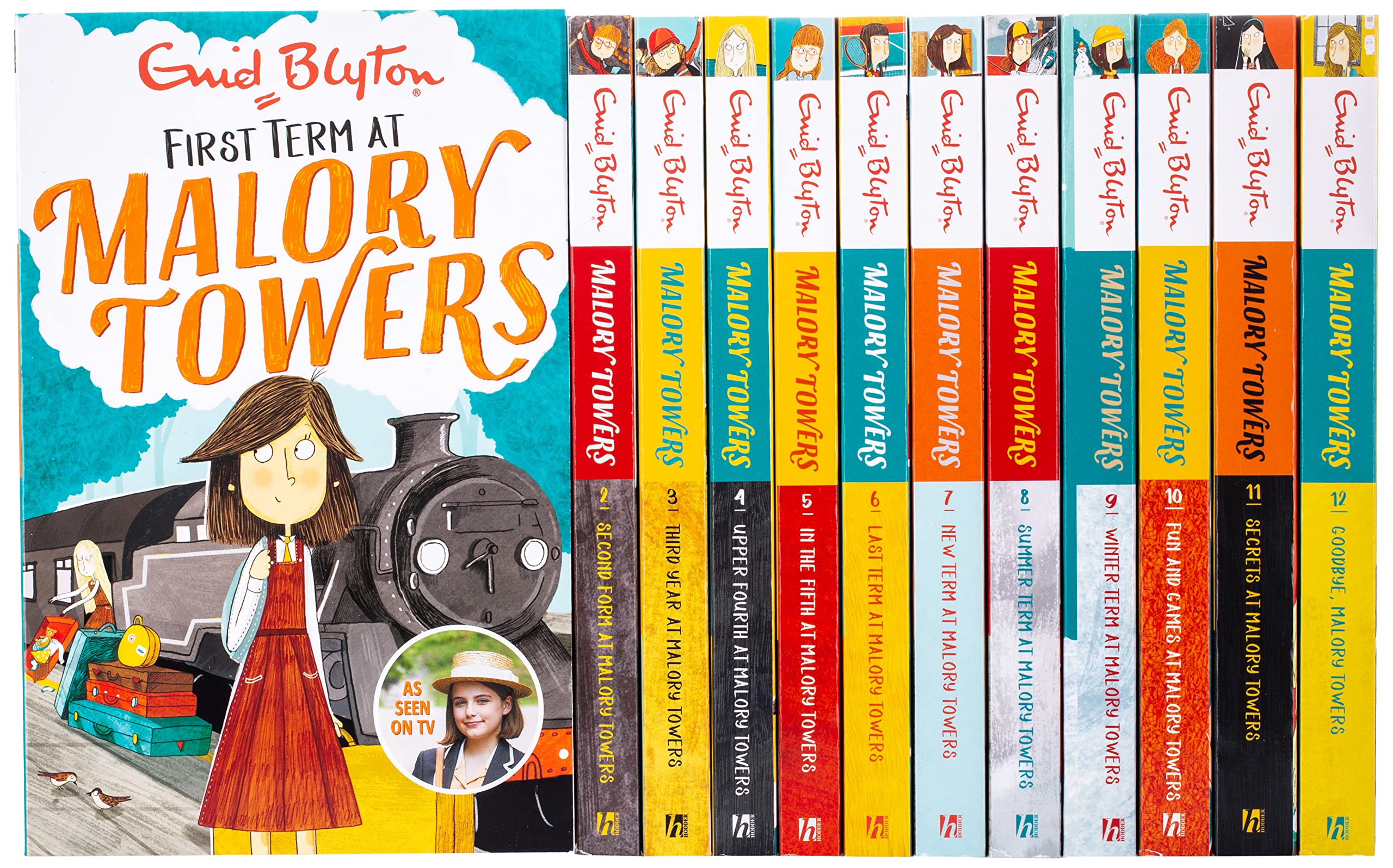
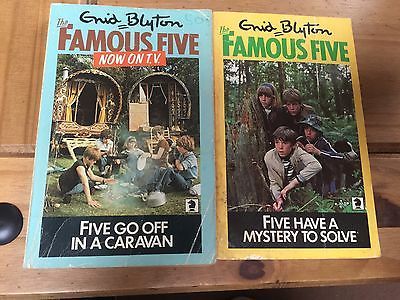
Enid Blyton
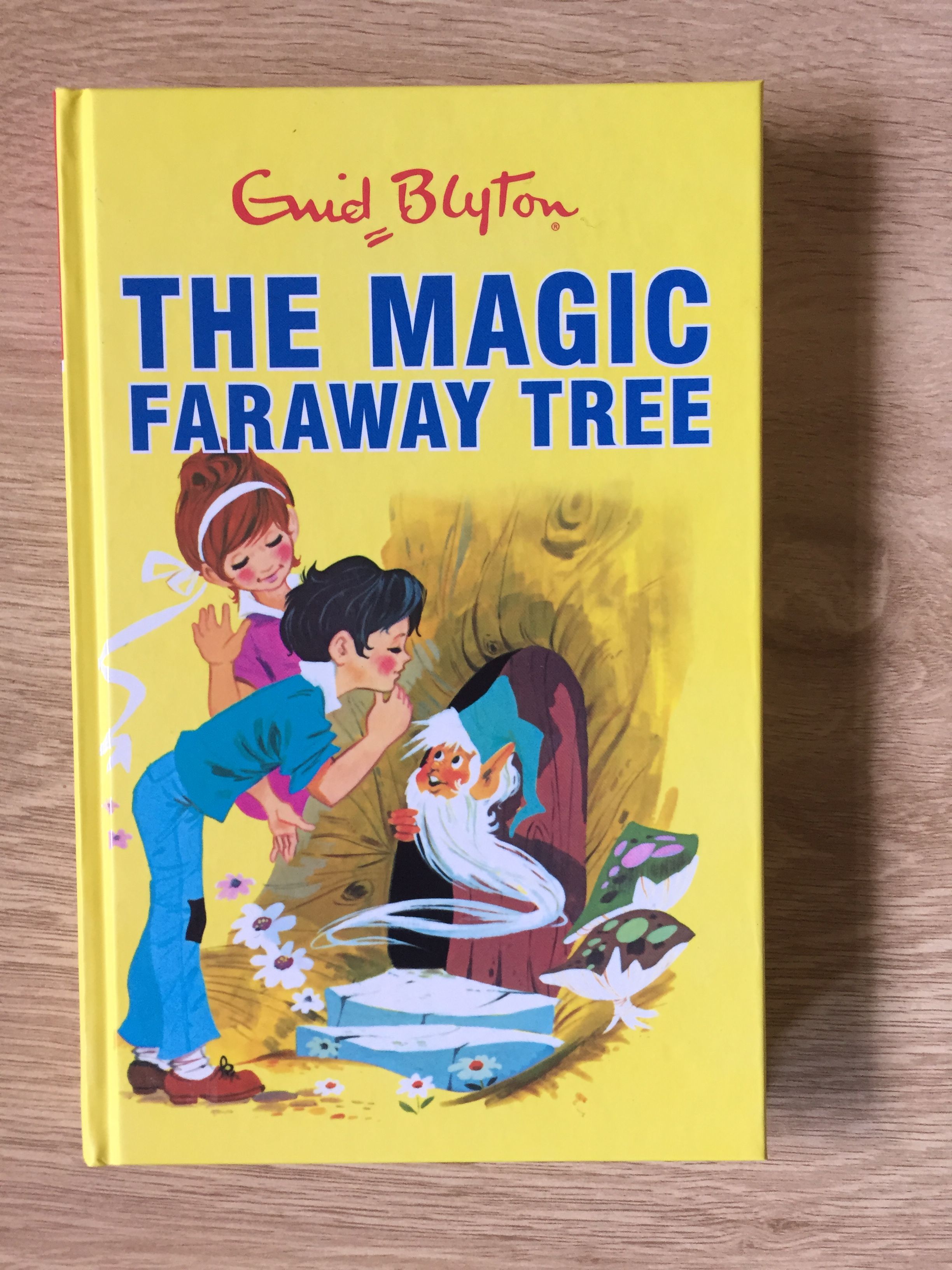
Enid Blyton satisfied my thirst for adventure in my early days, first with The Magic Faraway Tree series and later with The Famous Five and the Malory Towers books. They were entertaining and immersive but also influential in supporting a strong moral framework. I so wanted to be George in the Famous five, solving mysteries with my friends and my dog at my side!
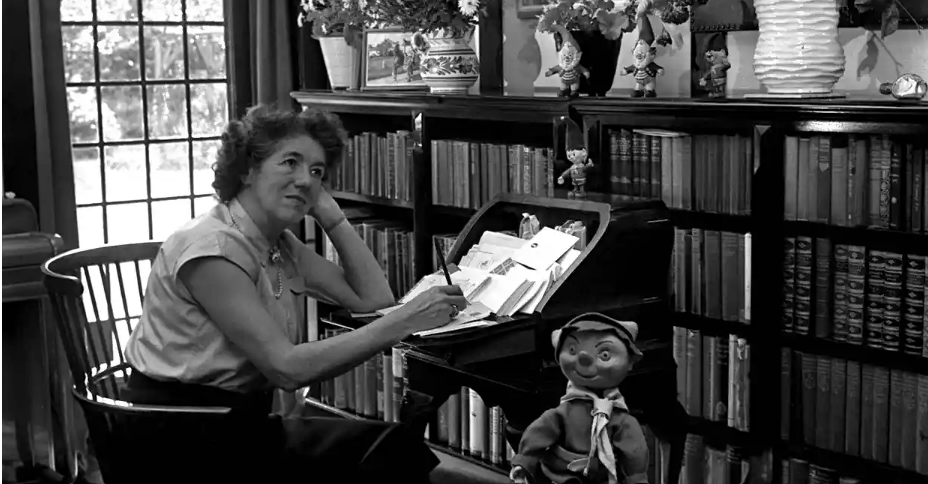
As an adult, I enjoy how she wrote from her unconscious mind or her ‘under-mind’ as she described it, in a largely unplanned and spontaneous way. In this quote, from a letter to psychologist Peter McKeller (who wrote to her asking about her imagery techniques), she describes her writing method:
I shut my eyes for a few minutes, with my portable typewriter on my knee – I make my mind a blank and wait – and then, as clearly as I would see real children, my characters stand before me in my mind’s eye … The first sentence comes straight into my mind, I don’t have to think of it – I don’t have to think of anything.
Photograph: Popperfoto/Getty
As a writer who finds outlining and planning a grind, I love the freedom she expresses here. As she explained in her autobiography: “If I tried to think out or invent the whole book, I could not do it. For one thing, it would bore me and for another, it would lack the ‘verve’ and the extraordinary touches and surprising ideas that flood out from my imagination.”
Of course, she faced a critical backlash and has been decried for rehashing stories, plagiarising other books (including her own) and for ‘lacking literary merit’. She’s been accused of racism, xenophobia, and sexism and later editions of her books amend some references for modern day readers. I do love her response to her critics though, which was that they were motivated by jealousy, and she wasn’t interested in the opinion of anyone over the age of 12.
Enid Blyton’s huge body of work has influenced many modern day authors including Peter Hunt, Jaqueline Wilson and Stieg Larsson, and her stories and characters certainly had an impact on me.
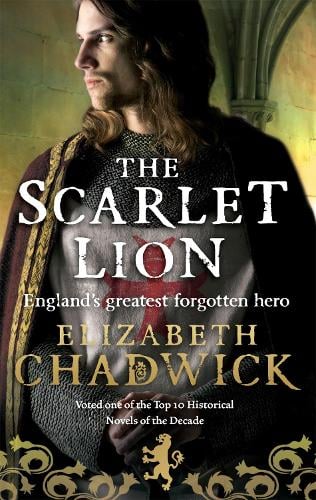
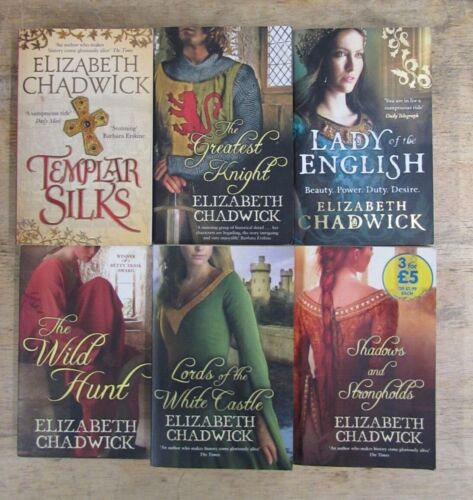
Elizabeth Chadwick
For her ability to breathe life into historical characters Philippa Gregory remains an inspiration to me, along with Ken Follet (Pillars of the earth series – truly magnificent) and Elizabeth Chadwick. Her William Marshall books, especially Scarlet Lion, are beautifully crafted, and her ability to transport the reader back in time is breath-taking. I’m sure Henry Stanton, referenced in ‘Justified’ as John’s historical hero, was inspired by her description of tournaments in the 12th and thirteenth centuries.
Elizabeth (who was born in Bury where I live – random fact) is renowned for her historical accuracy and diligent research methods when drafting her books. Want to know what a cauldron of pottage is like? Cook it. Want to know what chain mail feels like? Wear it! I love this commitment to truly understanding what you’re writing about and how it elevates her descriptions to a higher level of richness.
Interestingly to me, she has also investigated the use of akashic records when trying to ‘reach’ or understand a particular character. Now this is a vast subject and a diversion from this article, but as someone interested in past life regression and reincarnation, I was intrigued by this more unusual method of author research.
Briefly, the akashic records are believed to be an energetic log, a Google search for your soul. In it are records of everything that has ever existed or taken place, including a record of all universal events, thoughts, words, emotions and intent ever to have occurred in the past, present, or future in terms of all entities and life forms.
In essence, when you read your own records or the records of someone else, you are connecting with the soul of a person. It’s a sacred space. One that is deeply personal, private and that spans all the lifetimes of a particular soul.
My characters are entirely fictitious, but for Elizabeth Chadwick, trying to truly understand a real character from over 700 years ago, I can see how this would be a fascinating avenue of research.
Stephen King
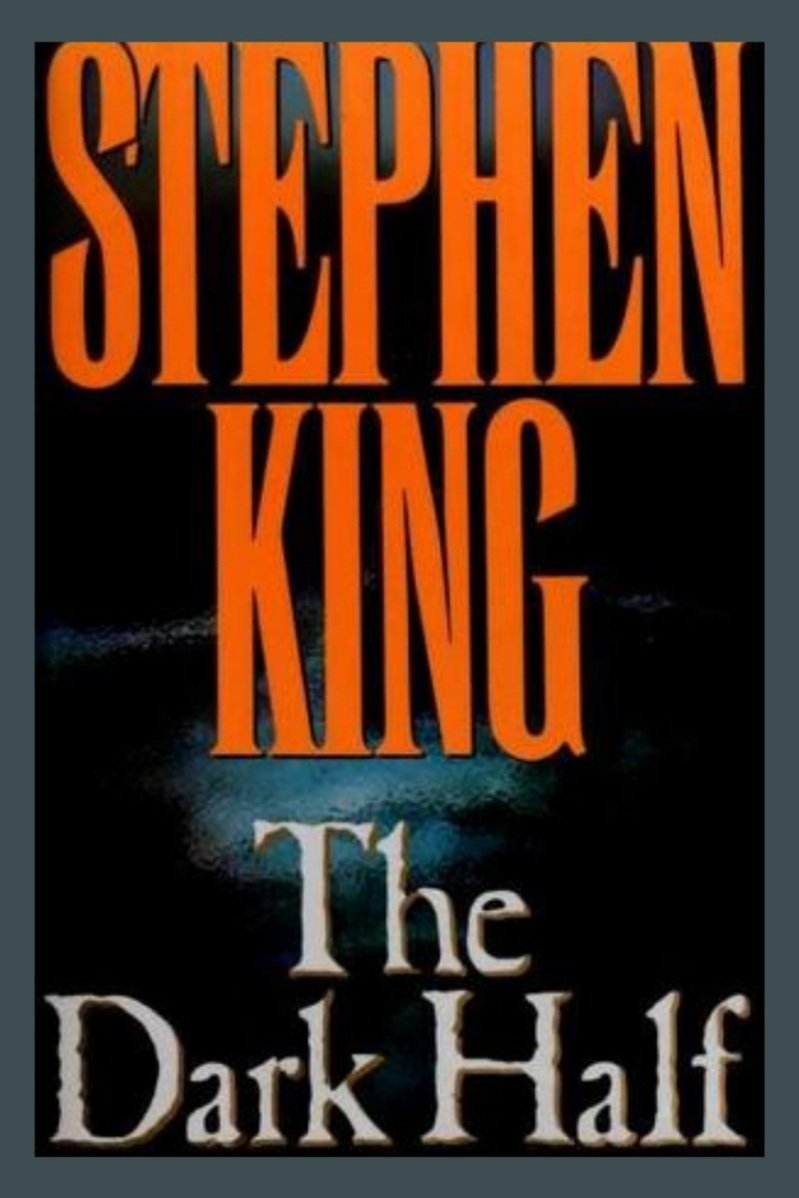
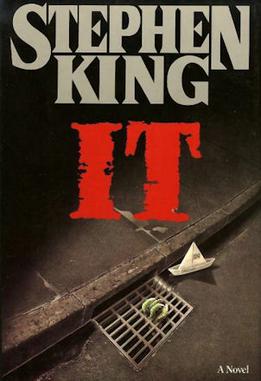
Of all the great storytellers I’ve enjoyed, Stephen King has had the most impact and remains at the top of my ‘greatest inspirations’ list. My dad first introduced me to the horror and thriller genre, first with Dean Koontz (another favourite) and inevitably Stephen King. He is an exceptional storyteller, and his ability to build tension and an overarching sense of impending doom is unrivalled. I love the pungent prose and laid-back style which make his books so unique and he’s a master craftsman of vivid description that puts the reader right there alongside his characters. Hard to choose a favourite from his book list but It for its epic landscape and detail and The Dark Half for its creative intrigue, would be my picks.
Stephen King’s written extensively about writing and his book ‘On writing’ is a must for anyone interested in becoming an author. His observations and advice are expressed in an approachable way through his struggles (and repeated rejections) during the years he developed his craft.
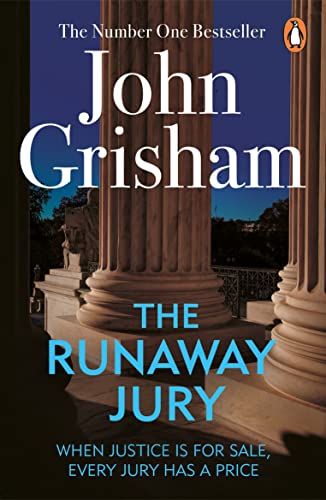
In my late teens I was a passenger in a car accident and had to appear as a witness in court. It was a grim experience and testifying was terrifying, but it was the catalyst for my fascination with courtroom dramas and police investigations. I devoured John Grisham, Scott Turow and Michael Connelly and more recently Peter James, Peter Robinson and James Patterson. Each of these exceptional authors cleverly concoct the ultimate cocktail of character, story and plot.
Thomas Harris
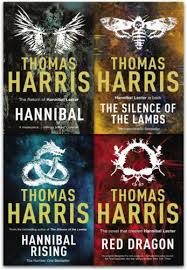
My last mention is Thomas Harris, who beautifully straddles the horror, crime and thriller genres. ‘Silence of the lambs’ blew me away when I first read it (before the movie came out) and Hannibal Lecter is now an iconic character, perhaps because as readers we’re both captivated and repulsed by him. He’s intelligent and cultured but capable of extreme violence, he’s smart and cunning but eats the humans he kills. Harris crafts a complex character and draws his readers into a dark, terrifying but fascinating world. The conversations between Clarice and Hannibal are far deeper in the book and demonstrate remarkable knowledge of the human mind and how our pasts imprint on our present.
Read ‘Red Dragon’ first then ‘Silence of the lambs’ for a masterclass in super-smart suspense and horror.
So that’s a race through my inspirations, all of whom I’m sure have influenced my own writing in some way.
Motivational speaker Jim Rohn famously said that we are the average of the five people we spend the most time with. How wonderful would it be if we became an author amalgamation of the five writers we spent the most time with? 😊
In conclusion, my literary inspirations have played a crucial role in shaping my writing journey, and these writers have not only inspired me but also challenged me to push my own creative boundaries.
Whether you are an aspiring writer or simply a lover of literature, I hope that my exploration of these inspirations has offered some insights and inspiration to help you on your own creative journey. Remember, the most important thing is to stay true to your own voice and vision, and to keep writing with passion and purpose.
Thanks for taking the time to read this post. If you found it informative and entertaining, please consider sharing it with your friends and followers on social media. And if you have any feedback or suggestions for future topics, I’d love to hear from you in the comments below. Don’t forget to subscribe for more content and updates, or pop over to my newsletter page for more crime stuff, direct to your inbox every month.







 Wendy Turner-Hargreaves