Sidekicks in Crime Fiction: Adding Depth to Character Dynamics

Featured

Crime fiction is a genre that has captured the hearts and minds of readers for centuries. From classic detective novels to modern thrillers, crime fiction has the power to transport readers to the dark underbelly of society and immerse them in a world of danger, intrigue, and suspense.

One of the key elements that sets crime fiction apart from other genres is the dynamic between the protagonist and their sidekick. Often serving as a sounding board, comic relief, or even a source of conflict, sidekicks can add depth to character dynamics and provide a unique perspective on the story.
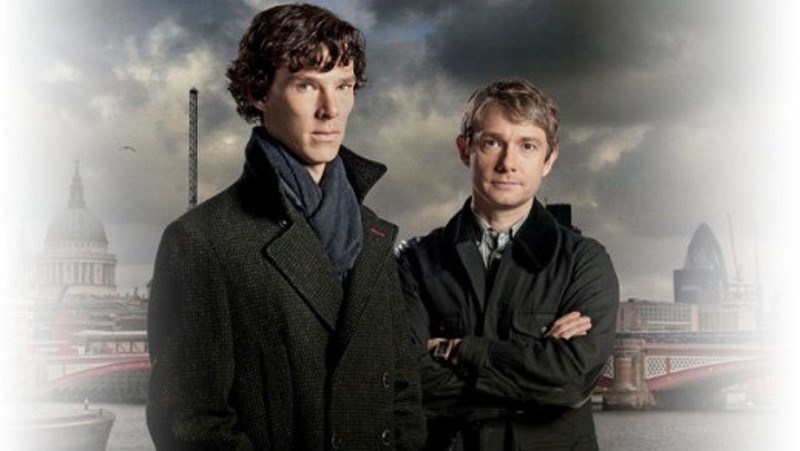
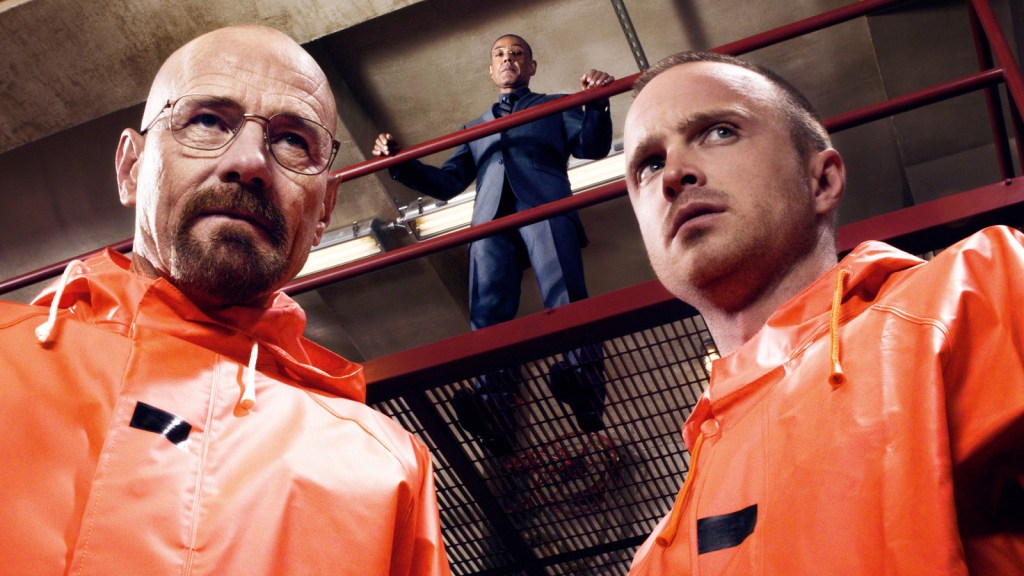
Sidekicks come in many forms, from law enforcement partners to criminal accomplices. Police procedural novels often feature partners in law enforcement, such as detectives, FBI agents, or other law enforcement officials. These partners often serve as sounding boards for the protagonist, bouncing ideas off each other and working together to solve the case.

In contrast, criminal accomplices can offer a unique perspective on a case. These sidekicks may be reluctant or unwilling partners in crime, forced to work with the protagonist for their own reasons. This can create a complex and morally ambiguous relationship between the protagonist and their sidekick.

Here are a few examples of famous sidekicks in crime fiction:

Dr. John Watson from Arthur Conan Doyle’s “Sherlock Holmes” series
Robin Ellacott from Robert Galbraith’s “Cormoran Strike” series
Sergeant Lewis from Colin Dexter’s “Inspector Morse” series
Ariadne Oliver from Agatha Christie’s “Hercule Poirot” series
Detective Sergeant Barbara Havers from Elizabeth George’s “Inspector Lynley” series
Watson Bryant from John Grisham’s “The Runaway Jury”
Jesse Stone from Robert B. Parker’s “Jesse Stone” series
Marty Hart from Nic Pizzolatto’s “True Detective”
Hawk from Robert B. Parker’s “Spenser” series
Tinker Dill from Dashiell Hammett’s “The Thin Man”

One of the key functions of a sidekick in crime fiction is to help the protagonist navigate through the complex world of crime. Whether it’s providing technical expertise, emotional support, or even physical backup, sidekicks often play a vital role in helping the protagonist achieve their goals. By working together, the protagonist and their sidekick can overcome seemingly insurmountable obstacles and bring criminals to justice.

But sidekicks are more than just a means to an end – they can also be fully-realised characters in their own right. Some sidekicks are just as complex and intriguing as the protagonist, with their own motivations, fears, and desires. In some cases, the sidekick may even have their own character arc or storyline that runs parallel to the protagonist’s. This adds an additional layer of depth to the story and can keep readers engaged and invested in both characters.

True Detective


One of my personal favourites is Marty Hart in ‘True Detective’. Marty Hart is a prime example of a sidekick who serves as a foil to the protagonist in crime fiction. In “True Detective,” he is the partner and friend of the main character, Rustin “Rust” Cohle, and provides a contrasting perspective to Cohle’s pessimistic and nihilistic worldview.
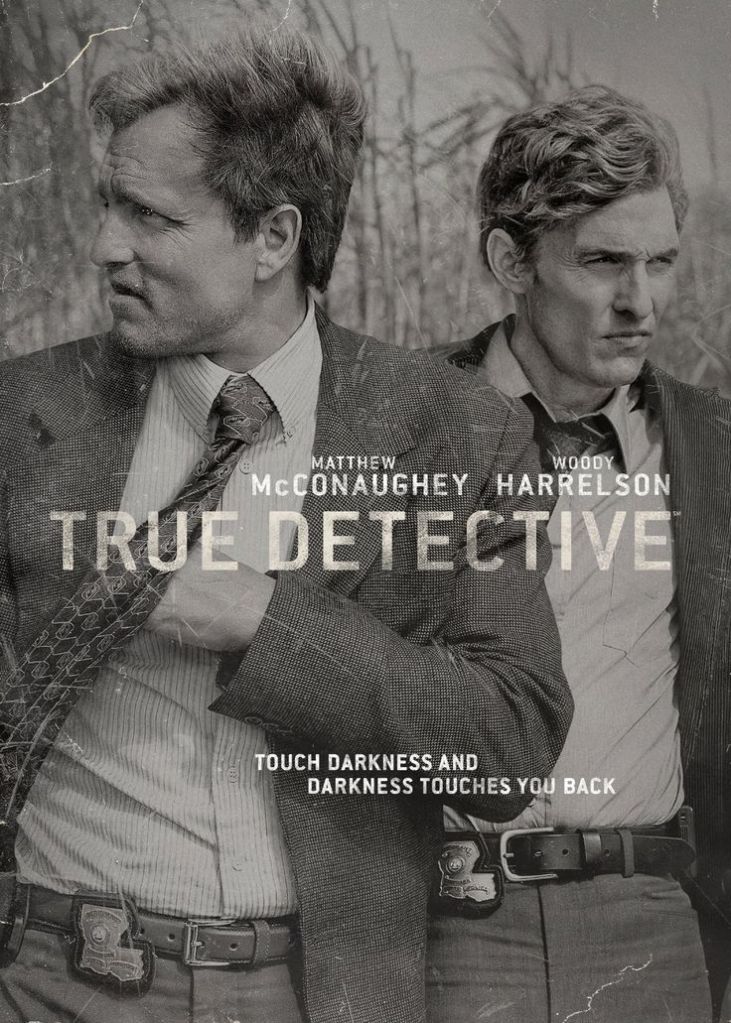
Hart, played by Woody Harrelson in the television series, is a family man with a more optimistic and traditional outlook on life. He is a detective in the Louisiana State Police and has a more grounded and practical approach to police work compared to Cohle’s more philosophical approach. Hart is also a flawed character with a complicated personal life, including infidelity and alcoholism, which contrasts with Cohle’s more monastic lifestyle.

Throughout the series, Hart serves as a sounding board for Cohle’s ideas and theories, challenging him when he goes too far in his bleak worldview. At the same time, Hart’s flaws and mistakes are exposed, highlighting the differences between the two characters and adding depth to their relationship.

Marty Hart’s character is an excellent example of how a sidekick can add complexity to a crime fiction story by serving as a foil to the protagonist. By offering a contrasting perspective to the main character, sidekicks like Hart can add depth to the story and highlight the protagonist’s flaws and strengths.

If you haven’t seen this series I highly recommend it. Matthew McConaughey’s performance is an acting masterclass.

Dr Watson


Dr. John Watson is one of the most iconic sidekicks in crime fiction and an integral part of the “Sherlock Holmes” series by Arthur Conan Doyle. He serves as the loyal friend and partner of the brilliant detective Sherlock Holmes and is the narrator of most of the stories in the series.

Watson is a former army surgeon who meets Holmes through a mutual acquaintance and becomes his flatmate and assistant in his investigations. He provides a contrasting perspective to Holmes, who is known for his cold and analytical approach to crime-solving. Watson is more empathetic and emotional, often serving as the emotional anchor to Holmes’ more detached persona.
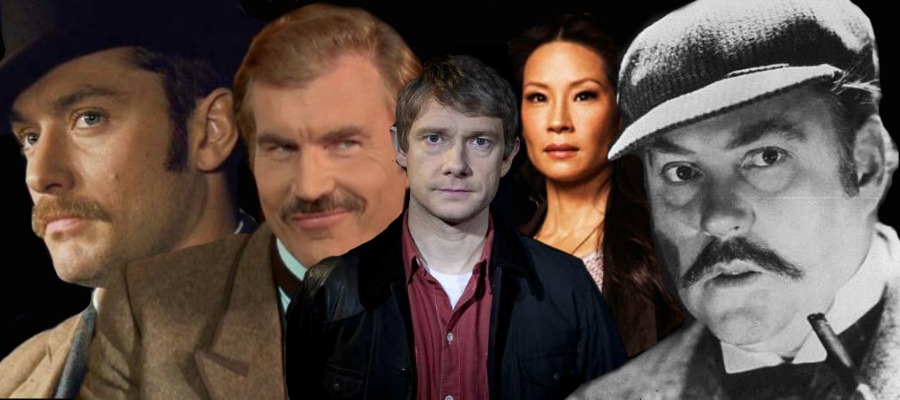
Portrayals of Dr Watson. Image credit: sherlockshome.net

Throughout the series, Watson’s character develops beyond his initial role as a narrator and sidekick. He grows in his own right as a character, eventually becoming a successful writer and even marrying and starting a family. Watson’s character is also used as a tool for Conan Doyle to provide exposition and backstory for Holmes and the cases they investigate.

Watson’s role as a sidekick is essential to the “Sherlock Holmes” series, as he provides a more human and relatable perspective to the genius detective. His contrasting personality and role as a supportive friend and partner make him an excellent foil to Holmes, highlighting the detective’s eccentricities and making the dynamic between the two characters all the more compelling.

Doyle himself spoke highly of Watson, calling him a “character for whom I have the highest regard” and “a composite of several of my medical friends and myself.” He also acknowledged that the character of Watson was essential to the success of the Sherlock Holmes stories, stating that “Holmes, who has no peer in solving small puzzles, is eclipsed by his own sidekick in the larger one of personality.”

If Watson interests you, this is a great article on the different portrayals of him in film and on TV. https://sherlockshome.net/2016/05/27/10-greatest-ever-portrayals-of-dr-watson

Unusual partnerships


Aside from the typical detective partnerships, often two completely different (and often opposing) characters come together in crime solving unity. I love these unlikely pairings, and the exploration of their relationship adds another layer of intrigue to the central investigative plotline.

Here are a few notable ones:


“The Alienist” by Caleb Carr – In this novel, the unconventional trio of detectives – a newspaper reporter named John Moore, a female secretary named Sara Howard, and a criminal psychologist named Dr. Laszlo Kreizler – are tasked with tracking down a serial killer who is targeting young boys in New York City. Despite their differences and occasional clashes, the trio must work together to unravel the mystery and stop the killer before he strikes again.

“The Surgeon” by Tess Gerritsen – In this novel, Boston detective Jane Rizzoli teams up with FBI agent Gabriel Dean to catch a sadistic killer who preys on young women. Rizzoli is initially skeptical of Dean’s involvement, but as they work together to solve the case, they develop a mutual respect and understanding.

Interestingly, in the US TV series Rizzoli and Isles, Rizzoli partners up on her investigations with friend and pathologist Maura Isles. I’m a huge fan. Their multi-level dynamic is lovely, and their contrasting traits and personalities perfectly compliment each other.

“The Girl with the Dragon Tattoo” by Stieg Larsson – In this novel, journalist Mikael Blomkvist hires Lisbeth Salander, a brilliant but troubled hacker, to help him investigate a decades-old case involving a wealthy family. Despite their vastly different personalities and backgrounds, Blomkvist and Salander form an unlikely partnership as they unravel the dark secrets of the family.

“The Silent Patient” by Alex Michaelides – In this novel, psychiatrist Theo Faber becomes obsessed with treating Alicia Berenson, a woman who has been accused of murdering her husband and has not spoken a word since the crime. As he delves deeper into her case, he enlists the help of a former criminal named Theo, who holds the key to unlocking Alicia’s secrets. Together, they form an unlikely partnership as they uncover the truth about what happened the night of the murder.

“The Poet” by Michael Connelly – In this novel, retired FBI agent Rachel Walling teams up with crime reporter Jack McEvoy to investigate a series of murders that may be linked to a notorious serial killer known as “The Poet.” Despite their initial mistrust and professional rivalry, Walling and McEvoy must work together to solve the case and stop the killer before he strikes again.

Conclusion

Sidekicks are an essential part of crime fiction, offering a fresh perspective on a case and adding depth to character dynamics. Whether they are partners in law enforcement or criminal accomplices, sidekicks can create tension and conflict, highlighting the strengths and flaws of the protagonist. They have the power to elevate the reading experience and make the story more engaging and immersive.

So, the next time you pick up a crime novel, take a moment to appreciate the role of the sidekick – you never know, they just might be your new favourite character.

I’m an avid reader, so I can’t wait to meet more of them!


Thanks for taking the time to read this post. If you found it informative and entertaining, please consider sharing it with your friends and followers on social media. And if you have any feedback or suggestions for future topics, I’d love to hear from you in the comments below. Don’t forget to subscribe for more content and updates, or pop over to my newsletter page for more crime stuff, direct to your inbox every month.

See you soon.

Wendy
Beyond the Sensationalism: Understanding the Complexities of Our Fascination with True Crime

Crime and killers have long captivated the public imagination, whether through sensational media coverage, true crime documentaries, or fictional depictions in books and movies. But why are we so fascinated by these dark and often disturbing topics? What drives our interest in the minds and actions of those who commit violent crimes?

In this blog post, I’ll explore some of the reasons why crime and killers have become such enduringly popular subjects and look at topics that captivate us, our fascination with the macabre, and the ways in which popular culture has both reflected and reinforced our interest in these topics.

Our fascination with killers

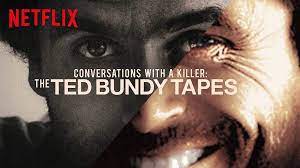
The public’s fascination with notorious killers such as Ted Bundy and Jeffrey Dahmer are a stark example of our captivation with the actions and motivations of criminals. These two individuals in particular, due to the heinous nature of their crimes and their widespread media coverage, have become household names and continue to be subjects of intense public interest.

Bundy’s charm and charisma, coupled with his horrific acts of violence against women, have made him a subject of fascination for decades. His high-profile trial and eventual execution only added to his infamy, with media outlets covering every aspect of his case in minute detail.

Similarly, Dahmer’s gruesome crimes, which included cannibalism and necrophilia, shocked and horrified the public. His trial, which revealed the depths of his depravity, was widely covered in the media and cemented his status as one of the most notorious killers in modern history.

The ethical dilemma

When my mum (an avid reader and a fan of gory dramas) read an early draft of ‘Justified’ she said to me, “How did you come up with such a grisly murder?” It made me think. Not so much about where the idea came from, but about the concept of murder as entertainment and the ethical dilemma faced by murder mystery and crime writers.

Recently, the same question has been raised about the glamorisation of true crime following the huge success of the Jeffery Dahmer series. True crime is one of the fastest growing genres of entertainment and its followers are insatiable, demanding more stories about humanity at its darkest.

Serial killers tantalize people much like traffic accidents, train wrecks, or natural disasters,” Scott Bonn, professor of criminology at Drew University and author of Why We Love Serial Killers, wrote at TIME. “The public’s fascination with them can be seen as a specific manifestation of its more general fixation on violence and calamity. In other words, the actions of a serial killer may be horrible to behold but much of the public simply cannot look away due to the spectacle.”

But true crime is about real people, in real, terrible situations, and that comes with real consequences. Some insist true crime exploits victims and their families, while others argue that it helps people to process their greatest fears, that it gives an insight into our culture and norms as well as our anxieties and values. Whichever side of the fence you sit on, ethically, true crime blows through our lives on a precarious breeze.

Our enduring fascination

The enduring fascination with crime and killers is a phenomenon that has captivated people for centuries. The media is awash with true crime shows, books, and podcasts, all catering to our insatiable appetite for the dark and disturbing. But why are we so drawn to these stories of murder and mayhem?

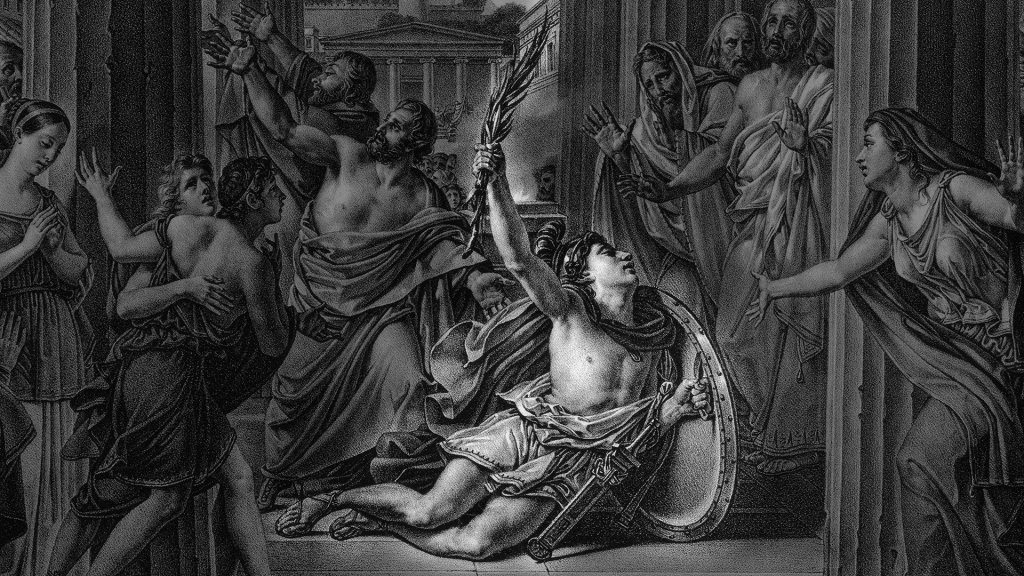
Some might argue that people are interested in crime and killers simply because it’s human nature to be drawn to sensational or dramatic events. After all, tales of violence and wrongdoing have been part of human storytelling for millennia, from the ancient Greek myths to Shakespeare’s tragedies. However, this argument alone does not fully account for the enduring popularity of these topics.

The appeal of true crime content, in particular, is not simply due to its sensational nature. True crime often involves detailed and often graphic depictions of real-life crimes, which can provide a sense of realism and authenticity that fictional crime stories may lack. It allows us to explore the darkest corners of the human psyche and understand the motivations behind heinous acts.

Another counterargument might be that our fascination with crime and killers is a result of media sensationalism, with news outlets and entertainment companies exploiting our fear and fascination with violence for profit. While it’s true that media coverage can shape public perceptions of crime and violence, our interest in these topics long predates the rise of modern media.

For instance, newspapers in the 19th century reported on sensational murder trials, and crime fiction has been popular since the days of Edgar Allan Poe.

So what are the cultural and psychological factors that drive our fascination with crime and killers?

One possible explanation is that it provides a way to explore the darker side of human nature in a safe and controlled environment. By consuming true crime content, we can satisfy our curiosity about these topics without actually putting ourselves in danger. Additionally, it may allow us to feel a sense of superiority or moral superiority, by exploring the actions of those we consider to be deviant or immoral.

Fascination with death

As I mentioned earlier, as human beings our fascination with killers, murder and all things death related has been around for centuries.

The paradox of violence and enjoyment dates back as long as human society and recorded history, from the prehistoric period and later Roman gladiatorial games.

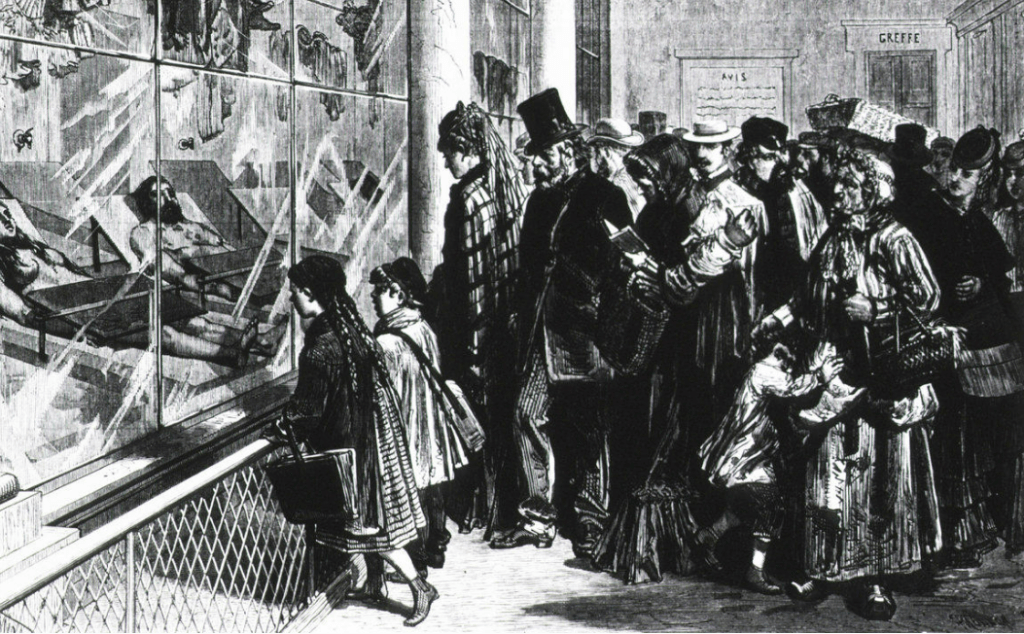
The Victorians were fascinated by death which extended to the production of a range of Memento Mori, objects designed to remind the owner of the death of a loved one and indeed, their own eventual demise. Photographs of dead relatives became an increasingly popular feature of family albums. Not entertainment as such, but their approach to violent crime was much more recreational:

  • The public would explore crime scenes before the arrival of the police following a murder.
  • This allowed them to view the gory scene in its entirety; dead bodies and all.
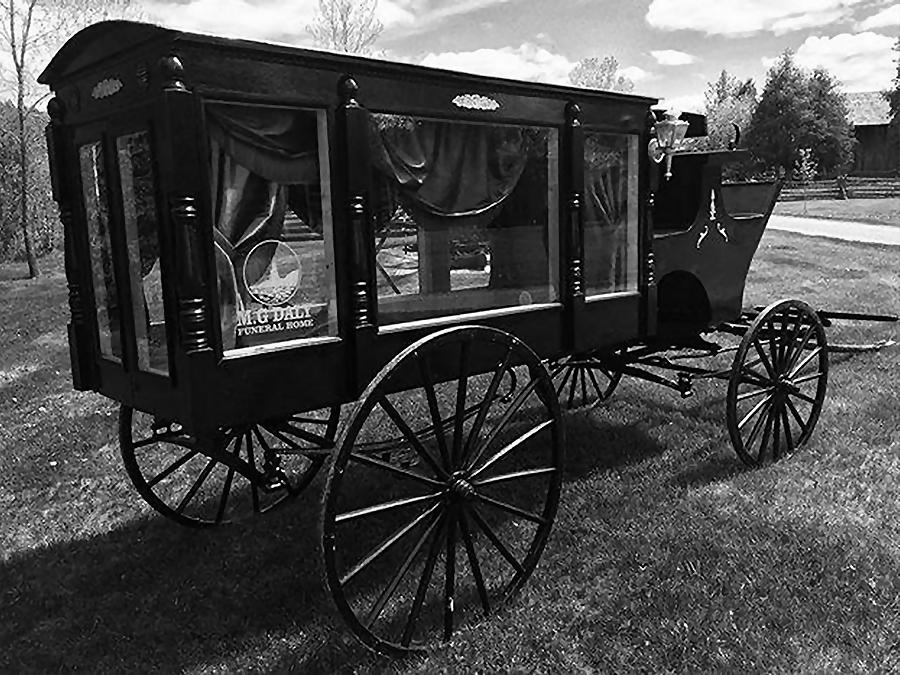
  • Funerals were attended out of curiosity and were quite often public events, especially if the deceased had been murdered.
  • Accused murderers would be executed and then potentially carried down through main street for all the spectators to see.

In a completely morbid sense death is compelling, yet we fear it. You’d think that as we’re all so open about death –  reading about it, watching people die on TV and in movies – that the process of dying shouldn’t be a taboo topic. But, as soon as death becomes personal the discussion ends. Suddenly, it’s completely unreasonable to talk about death. A guy’s head being skewered on a spike in Last Kingdom – not a problem. Talking about your own death – no thanks.  

The origin of murder investigation in fiction

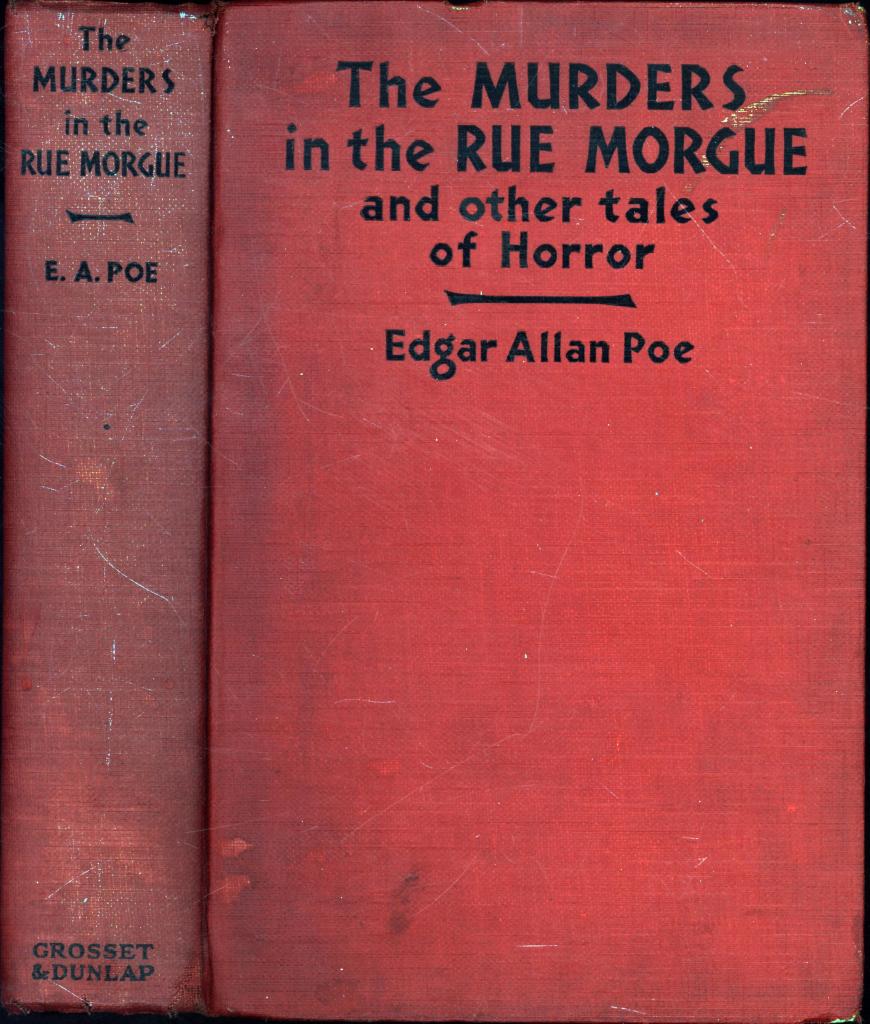
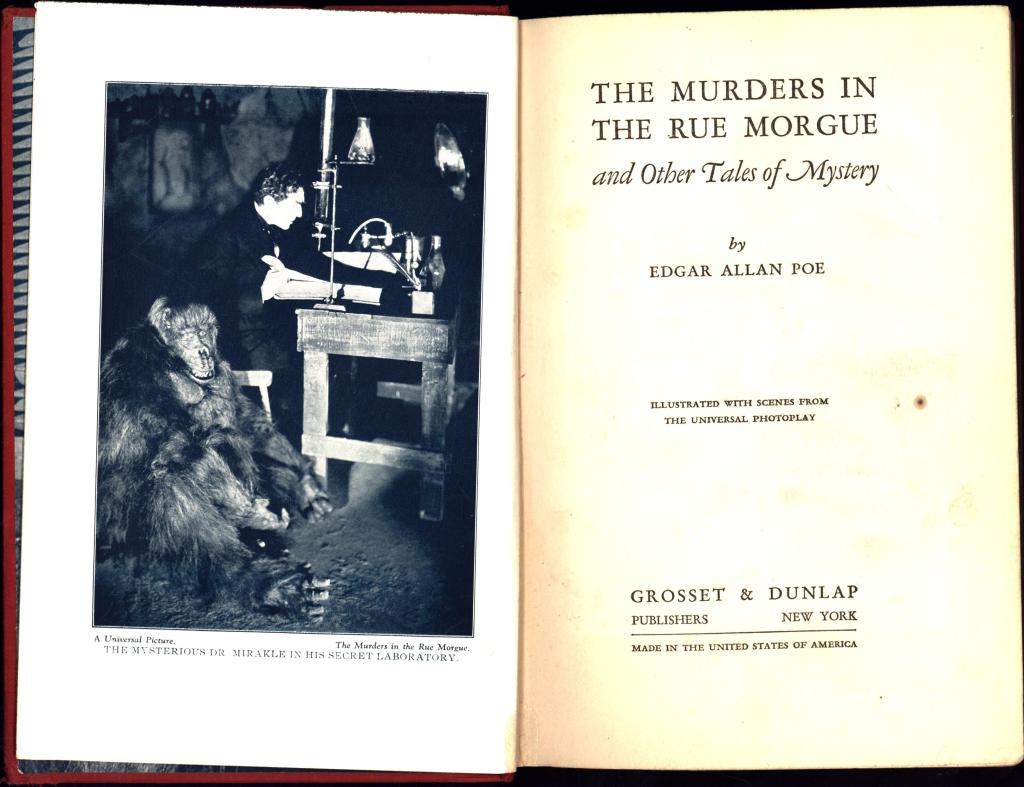
To bring this back to fiction, it’s perhaps no coincidence then that the first modern detective story is generally thought to be to Edgar Allan Poe’s “The Murders in the Rue Morgue” written in 1844, the Victorian era. In the story, Auguste Dupin solves the mystery of the brutal murder of two women in Paris. Poe’s Dupin isn’t a detective but he decides to investigate the murders for personal amusement. He displays many attributes which became literary conventions in later fictional detectives, including Sherlock Holmes and Hercule Poirot.

The genre has increased in popularity ever since. A quick search on Amazon for ‘murder fiction’ brings up 100k+ results.

Why is crime fiction so popular?

Crime fiction usually gives us a resolution along with an insight into what makes people tick. One of the reasons crime fiction is popular is because people are fascinated by human behaviour. Sometimes we’re warmed by the actions of others and at other times horrified and appalled by it. In fiction we can safely read about the darker side of humanity, and most of us enjoy the neatness of a crime solved and a criminal brought to justice. That doesn’t always happen in real life, but crime novels usually restore balance.

Plus, we like puzzles and piecing together the parts of the mystery. Can we solve the crime before the detective in the book?

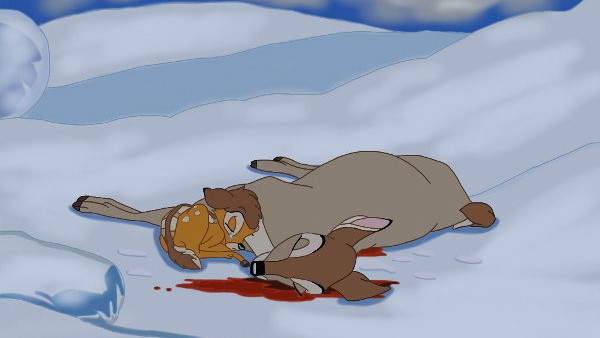
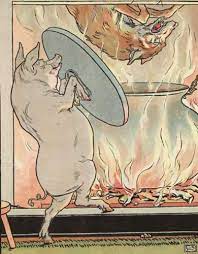
We grow up reading stories which follow the same pattern; the big bad wolf eventually gets his comeuppance for terrorising the three little pigs. The fact that he ends up boiled alive is a whole new subject altogether, but it demonstrates two things; firstly, the parallel between children’s and adult’s stories, and secondly that we’re exposed to violent death from an early age. Bambi broke my heart!

For me, a good crime novel is always about the characters, their motivations and their relationships rather than the actual murder. Yes, I enjoy the pace and suspense, but ultimately, I want to know what makes the characters tick.

Because a crime scene is fascinating, but the human mind is infinitely more intriguing.

In conclusion, our fascination with crime and killers is a complex and multifaceted phenomenon that can’t be reduced to any single explanation. While human nature and media sensationalism may play a role, they do not fully account for the enduring popularity of these topics or the specific appeal of true crime content. Rather, a variety of cultural and psychological factors, such as our desire for justice, our fascination with the darker aspects of human nature, and our need for narrative resolution, all contribute to our ongoing interest in crime and killers.

Whether you’re a true crime enthusiast, a casual consumer of crime-related media, or simply curious about this enduring cultural fascination, I hope this blog post has given you some insights into the many factors that drive our interest in this topic.


Thanks for taking the time to read this post. If you found it informative and entertaining, please consider sharing it with your friends and followers on social media. And if you have any feedback or suggestions for future topics, I’d love to hear from you in the comments below. Don’t forget to subscribe for more content and updates, or pop over to my newsletter page for more crime stuff, direct to your inbox every month.

See you soon.

Wendy