

Crime fiction is a genre that has been popular for decades, captivating readers with thrilling tales of suspense, mystery, and intrigue. While human protagonists typically take centre stage in these stories, animals have also played a significant role in many works of crime fiction. From furry foes to sleuthing sidekicks, animals have been used in various ways to add depth and complexity to the genre.
Here’s an exploration of the use of animals in crime fiction, examining how they have been used to enhance storytelling, develop characters, and create unique and memorable narratives. So grab your magnifying glass and get ready to delve into the world of crime fiction and its four-legged (and feathered) accomplices!
Dogs
Let’s start with a classic: The “hound” in “The Hound of the Baskervilles”.
The “hound” is a central character and a crucial element of the novel’s plot, a legendary spectral dog that haunts the Baskerville family and is said to be responsible for the death of Sir Charles Baskerville.
The hound is used as a symbol of fear, superstition, and the supernatural, which plays an important role in creating the suspenseful and eerie atmosphere of the novel. The image of the hound is built up through descriptions of its terrifying appearance and the mysterious circumstances surrounding its supposed existence.
The hound also serves as a key plot device as the story progresses. Sherlock Holmes and Dr. Watson investigate the Baskerville family’s history and the curse of the hound, attempting to uncover the truth behind the supposed supernatural events. The hound is also used to create a sense of danger and tension in the novel’s climactic scenes. Its final appearance is a dramatic and frightening moment, providing a thrilling conclusion to the story.
The hound plays a vital role in “The Hound of the Baskervilles,” serving as a powerful symbol and a central plot device, contributing to the novel’s suspenseful and thrilling atmosphere.
Slight digression: the “hound” used in the film was a great dane called Blitzen. As a former great dane owner it tickles me that a dane was used to depict the ultimate scary beast. They’re the softest creatures in dogland!
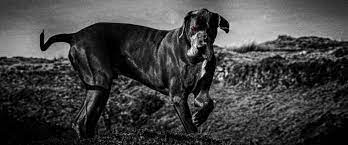

There are many examples of trusty canine sidekicks in crime fiction including Tara in the Andy Carpenter series by David Rosenfelt – a golden retriever owned by lawyer Andy Carpenter, who assists him in his investigations. In the Chet and Bernie mystery series by Spencer Quinn, Chet is a dog and the sidekick of private investigator Bernie Little.
Sleeping Dog, written by Dick Lochte, is considered a ground-breaking crime fiction novel, and the credit goes to Groucho, the missing dog that serves as the main plot device. Groucho’s abduction prompts a 14-year old girl named Serendipity to seek out the help of private investigator Leo Bloodworth in finding her beloved pet. The thrilling escapade that follows has become a classic in the genre, earning accolades such as the Nero Wolf Award, and being a finalist for the Shamus, Anthony, and Edgar Awards. Additionally, it has also been listed as one of the Independent Mystery Booksellers Association’s 100 favourite mysteries of the century.
Although Artie Deemer is the main protagonist in Dallas Murphy’s crime fiction series, it’s Jellyroll who steals the spotlight. This Edgar Award-winning series has made Jellyroll one of the most recognisable dogs in crime fiction, and even prompted death threats directed at the celebrity dog in Don’t Explain. With appearances on the big screen, television, and dog food packaging, Jellyroll is more of a “Bankroll,” given that his earnings finance Artie’s escapades.
Cats
Cats are inherently inquisitive, cunning and stealthy which makes them purrfect (sorry, couldn’t resist) slinky sleuths, particularly in cosy mysteries. They’re fearless and sassy and not afraid to dip their claws into the most dastardly of dark deeds.

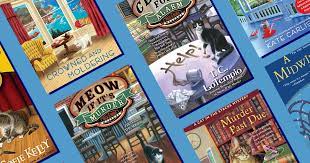
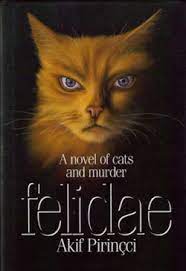
Feline fact finders can be found in these cosies:
Cat Chase the Moon, Shirley Rousseau Murphy.
Furmidable Foes, Rita Mae Brown.
Cat in an Alphabet Endgame, Carole Nelson Douglas.
A Cat on the Case, Clea Simon.
Purrfect Murder, Nic Saint.
The No. 2 Feline Detective Agency, Mandy Morton.
One of the most common symbolic uses of cats is to represent a sense of mystery or enigma. This is often seen in the way that cats are depicted as independent, aloof creatures who are difficult to read or understand. In this way, cats can be seen as a metaphor for the elusive and mysterious nature of crime itself.
Another common symbolic use of cats in crime fiction is to represent danger or evil. This is often seen in the way that cats are depicted as predators, stalking their prey and striking with deadly precision. In some cases, cats are even portrayed as being in league with the criminal underworld, acting as accomplices to the villains of the story.
On the other hand, cats can also be used to symbolise wisdom and intuition. In some stories, cats are portrayed as being able to sense danger or evil before it becomes apparent to humans. They are also sometimes shown as being able to guide the protagonist towards the solution of a crime through their intuition and keen sense of observation.
Cats are often associated with the supernatural and the occult, due to their nocturnal nature and their connection to witches and magic. This has led to cats being portrayed as both good and evil in various works of literature and media.
Overall, the symbolism of cats varies depending on the culture and context in which they are portrayed. However, some common themes include mystery, independence, agility, femininity, grace, and the supernatural.
Birds
Birds are used in crime fiction to represent different themes, depending on the type of bird. Owls, for example, represent wisdom and insight, and are often used as a symbol of the detective’s intelligence and analytical skills.
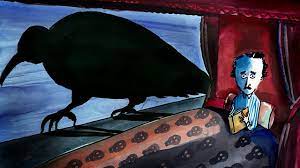

Crows and ravens, on the other hand, represent danger and foreboding, and are often used to create a sense of impending doom in the story. In Daphne du Maurier’s “Rebecca,” the sinister presence of crows and ravens around the Manderley estate creates a sense of foreboding and impending danger.
Horses
Horses have been used as a powerful symbol in literature, art, and mythology for centuries. The symbolism of horses can vary depending on the cultural context and the specific work of art or literature, but some common themes and interpretations include:
- Strength and Power: Horses are often associated with strength, speed, and power. In many cultures, horses were used as a mode of transportation in warfare, and their strength and speed made them a valuable asset on the battlefield. In literature and art, horses are often depicted as powerful and majestic creatures, representing strength and endurance.
- Freedom: Horses are also associated with freedom, as they are able to run and roam freely in open spaces. In literature and art, horses are often used as a symbol of freedom, representing the desire to break free from constraints and live a life of independence and adventure.
- Spirituality and Mysticism: Horses represent spirituality and mysticism in some cultures. In Hindu mythology, for example, horses are associated with the sun and are seen as symbols of spiritual strength and power. In some Native American cultures, horses are seen as messengers between the physical world and the spiritual realm.
- Loyalty and Friendship: Horses are also known for their loyalty and their close bond with their human companions. In literature and art, horses are often depicted as loyal and steadfast companions, representing the qualities of loyalty and friendship.
- Death: In some cultures, horses are associated with death and the afterlife. In Norse mythology, for example, the god Odin was said to ride an eight-legged horse named Sleipnir that could carry him to the underworld. In some Native American cultures, horses were believed to carry the spirits of the dead to the afterlife.
In Dick Francis’s novel “Break In,” a horse trainer named Kit Fielding becomes involved in a series of crimes related to the racing industry. The novel features several scenes of horse racing and training, and the horses themselves play a key role in the plot.
Michael Connelly’s “The Black Echo,” also features horses when LAPD detective Harry Bosch investigates a murder that appears to be linked to a group of horse thieves. The novel features several scenes set in the world of horse racing, and the stolen horses play a key role in the plot.
Snakes
Snakes have been used as symbols in fiction to represent various ideas and concepts, including:
- Evil or temptation: Snakes are often associated with the devil or other dark, malevolent forces in many cultures, and are used to represent temptation, corruption, and evil in literature.
- Transformation and rebirth: In some cultures, snakes are seen as symbols of transformation and renewal, shedding their skin and emerging as a new, transformed being. This idea is often used in literature to represent personal growth or spiritual enlightenment.
- Deception or trickery: Because snakes are often associated with cunning and stealth, they are also used in literature to represent deception or trickery. For example, in Shakespeare’s “Macbeth,” the witches who prophesy Macbeth’s rise to power compare him to a snake.
- Danger and threat: Snakes are also seen as symbols of danger and threat, due to their venomous nature and reputation as predators. In literature, snakes are often used to create a sense of danger or foreboding, or to represent an ominous presence.
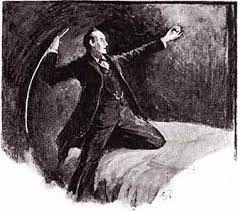
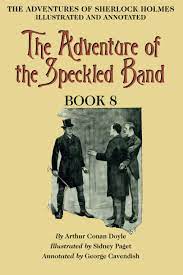
In Arthur Conan Doyle’s “The Adventure of the Speckled Band,” a speckled band is revealed to be a venomous snake that is used as a murder weapon. The snake is a key element in the mystery, and its deadly nature represents the danger that threatens the characters.
“The Speckled Band” is a classic locked-room mystery that deals with the themes of parental greed, inheritance and freedom. Tinged with Gothic elements, it is considered by many to be one of Doyle’s finest works, with the author himself calling it his best story.
Insects
Insects have been used as symbols in fiction to represent various ideas and concepts, including:
- Transformation and metamorphosis: Insects, particularly butterflies and moths, are often used to represent the idea of transformation and metamorphosis.
- Decay and death: Insects are also associated with decay and death, as they are often found around decomposing matter. In literature, insects are used to represent the inevitability of death and the transience of life.
- Repulsion and disgust: Because insects are often seen as creepy, crawly, and repulsive, they are also used in literature to create a sense of revulsion and disgust. Insects can be used to represent the ugliness or darkness within characters, or to create an unsettling atmosphere.
- Persistence and resilience: Insects are known for their persistence and resilience, and are often used in literature to represent these qualities.
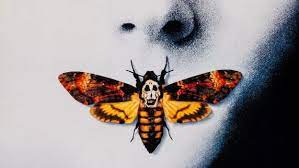

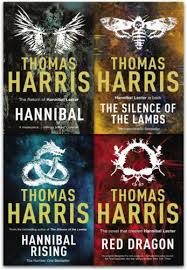
In Thomas Harris’s “The Silence of the Lambs,” the character of Jame Gumb, also known as “Buffalo Bill,” has a death’s head moth as a significant symbol.
The death’s head moth is a symbol of transformation and metamorphosis, as it goes through several stages of development before emerging as a fully-formed adult. In the novel, this symbol represents the transformation that Gumb seeks to achieve through his gruesome crimes, as he is attempting to create a “woman suit” to wear as a means of becoming someone else entirely.
The moth symbol in “The Silence of the Lambs” serves to underscore the theme of transformation and metamorphosis, and highlights the disturbing nature of Gumb’s obsession with changing his own identity.
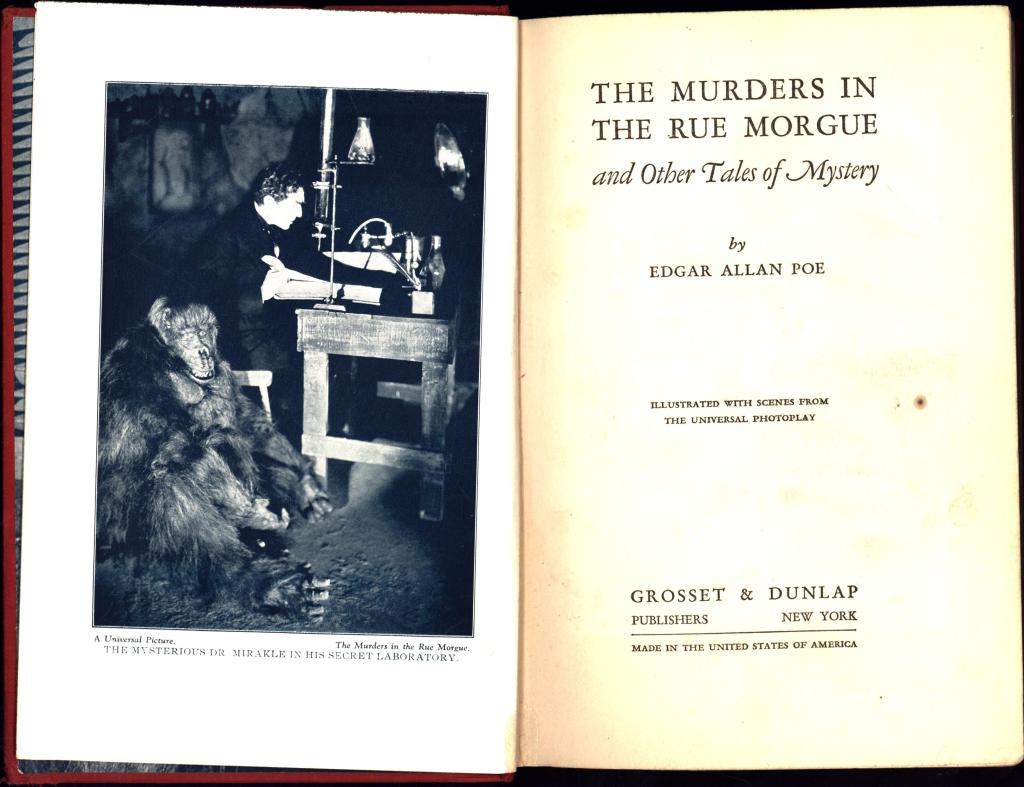
In conclusion, animals have played a significant role in many works of crime fiction, adding depth and complexity to the genre. Dogs have been used as both fearsome foes and loyal sidekicks, contributing to the suspenseful atmosphere and aiding the protagonists in their investigations. Cats, on the other hand, have been portrayed as elusive and mysterious creatures, representing both danger and wisdom, and their connection to the supernatural adds an element of intrigue to many stories.
Animals have proven to be a valuable asset in enhancing storytelling, developing characters, and creating unique and memorable narratives in crime fiction.
Thanks for taking the time to read this post. If you found it informative and entertaining, please consider sharing it with your friends and followers on social media. And if you have any feedback or suggestions for future topics, I’d love to hear from you in the comments below. Don’t forget to subscribe for more content and updates, or pop over to my newsletter page for more crime stuff, direct to your inbox every month.
See you soon.

Wendy























 Wendy Turner-Hargreaves