
The hard-boiled detective genre is a staple of crime fiction, known for its gritty, cynical, and often violent portrayals of detectives and private investigators. It emerged in the early 20th century and has since become one of the most enduring and popular subgenres of crime fiction. In this blog post, we’ll take a closer look at the history of the hard-boiled detective genre, exploring its origins, evolution, and enduring appeal.
Origins of the genre
The origins of the hard-boiled detective genre can be traced back to the pulp magazines of the 1920s and 1930s. These magazines featured cheap, pulp paper and were printed in large numbers, making them accessible to a wide audience. They were known for their sensational and often lurid content, featuring stories about crime, adventure, and the supernatural.
One of the most popular genres in these pulp magazines was the detective story, which featured a tough, no-nonsense detective who solved crimes through a combination of wit, skill, and brute force. These detectives were often flawed, with a hard exterior that concealed a deep sense of humanity and morality. They were also typically depicted as loners, working outside the law and answering only to their own sense of justice.


Examples of novels in this genre
Sam Spade, the protagonist of Dashiell Hammett’s “The Maltese Falcon,” is a tough private investigator who operates outside the law and is willing to use violence to achieve his goals. He’s also deeply conflicted about his relationship with his partner’s widow, leading to a complex and morally ambiguous character.
Mike Hammer, created by Mickey Spillane, is a no-nonsense detective who is willing to use his fists to get the information he needs. He’s also deeply traumatized by his experiences in World War II, leading to a darker and more introspective character.
Philip Marlowe, the protagonist of Raymond Chandler’s “The Big Sleep” and other novels, is a wisecracking private investigator who is known for his quick wit and sharp tongue. He’s also deeply cynical about the corrupt society he inhabits, leading to a character who is both tough and emotionally complex.
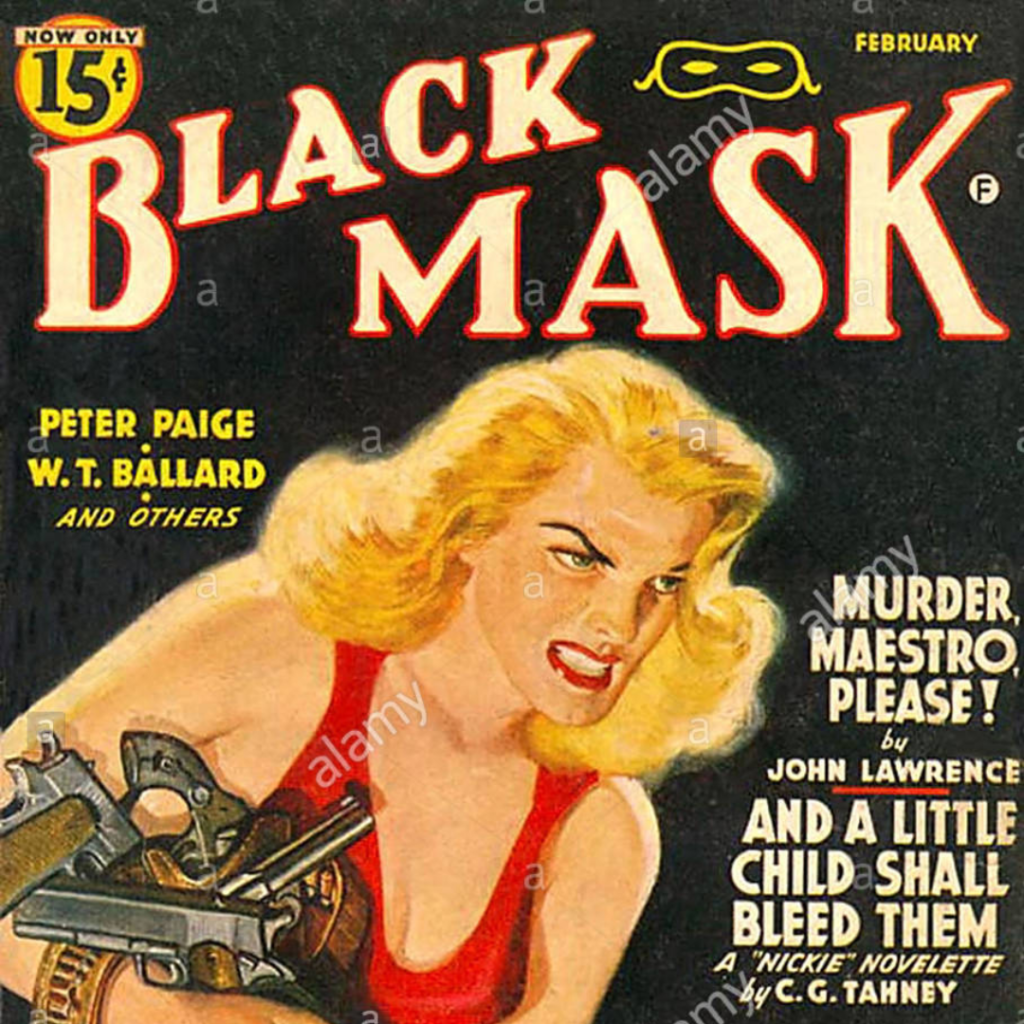
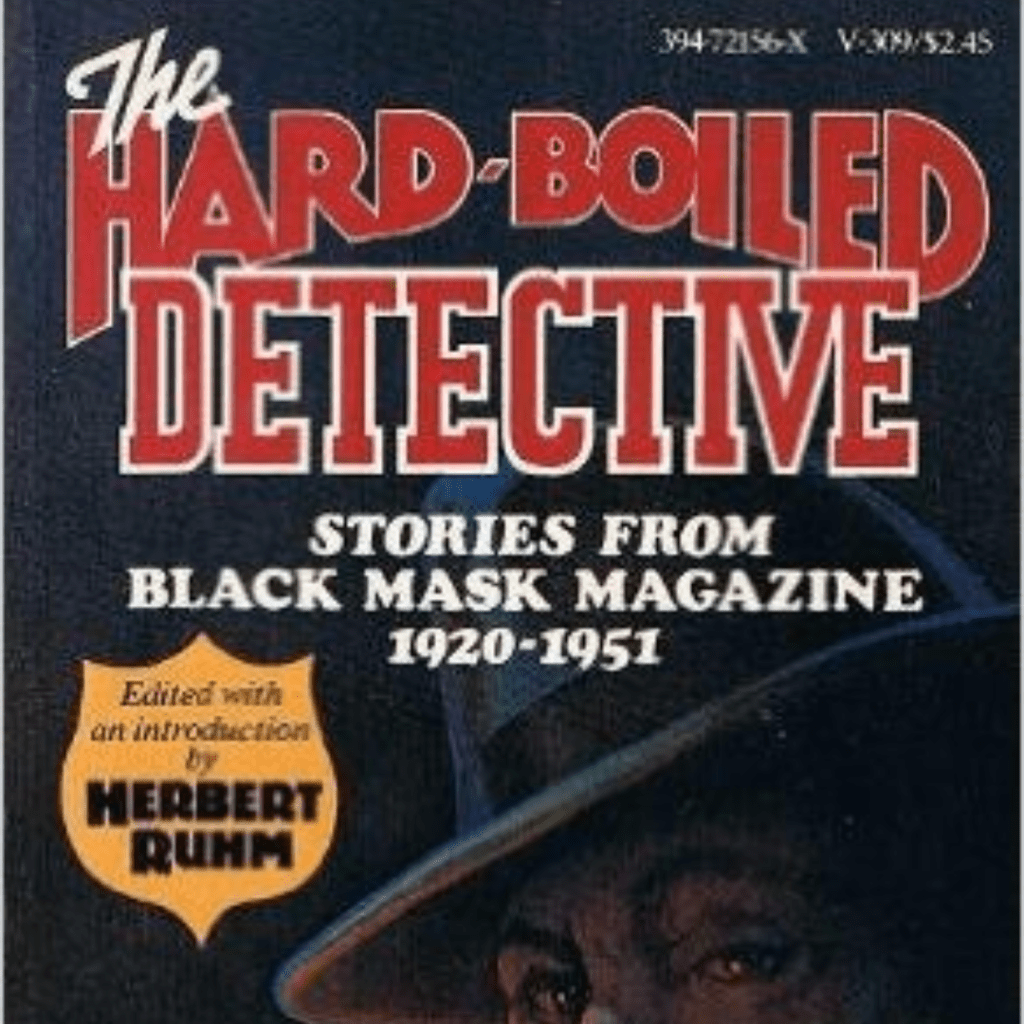
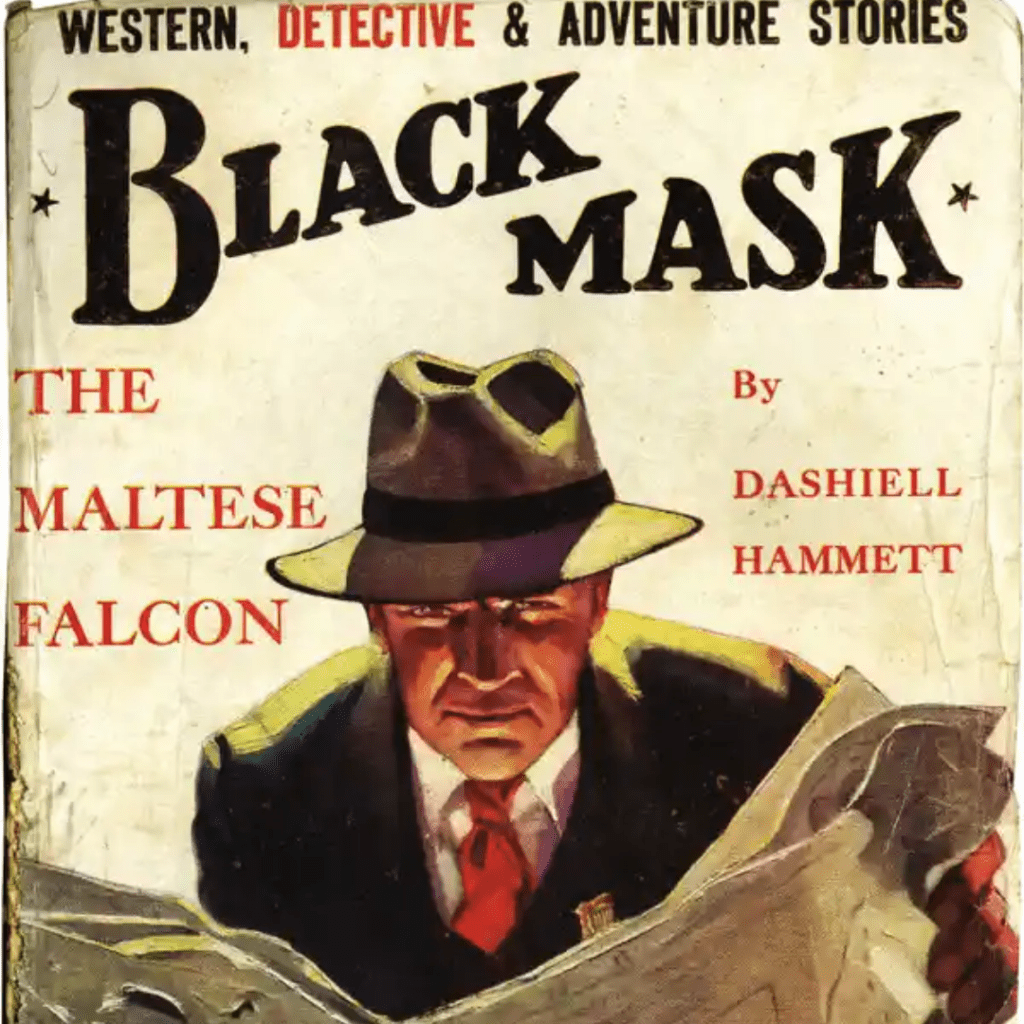
These characters embody many of the traits of the hard-boiled detective genre, including their tough exterior, their willingness to use force, and their deep sense of morality and justice. They’re also deeply flawed and complex characters, grappling with their own traumas and demons as they navigate the seedy underworld of crime and corruption.
The hard-boiled detective genre was popularised by writers such as Dashiell Hammett and Raymond Chandler, who brought a new level of literary sophistication to the genre. Hammett’s novels, such as “The Maltese Falcon,” featured complex characters, intricate plots, and a heightened sense of realism. Chandler’s novels, such as “The Big Sleep,” took the genre in a more literary direction, with poetic prose and vivid descriptions of the seedy underbelly of Los Angeles.
Film Noir
With the rise of film noir, the hard-boiled detective genre reached the height of its popularity in the 1940s and 1950s.
Film noir is a cinematic term that refers to a specific style of filmmaking that emerged in the 1940s and 1950s, particularly in Hollywood. The term “film noir” itself is French for “black film” or “dark film,” reflecting the often dark and shadowy visual style of these films. While film noir is primarily associated with crime dramas, it encompasses a broader range of genres, including thrillers, mysteries, and even some melodramas.
It’s worth a deeper look into the characteristics of film noir. You can see how it became the ideal format for hard-boiled crime fiction.
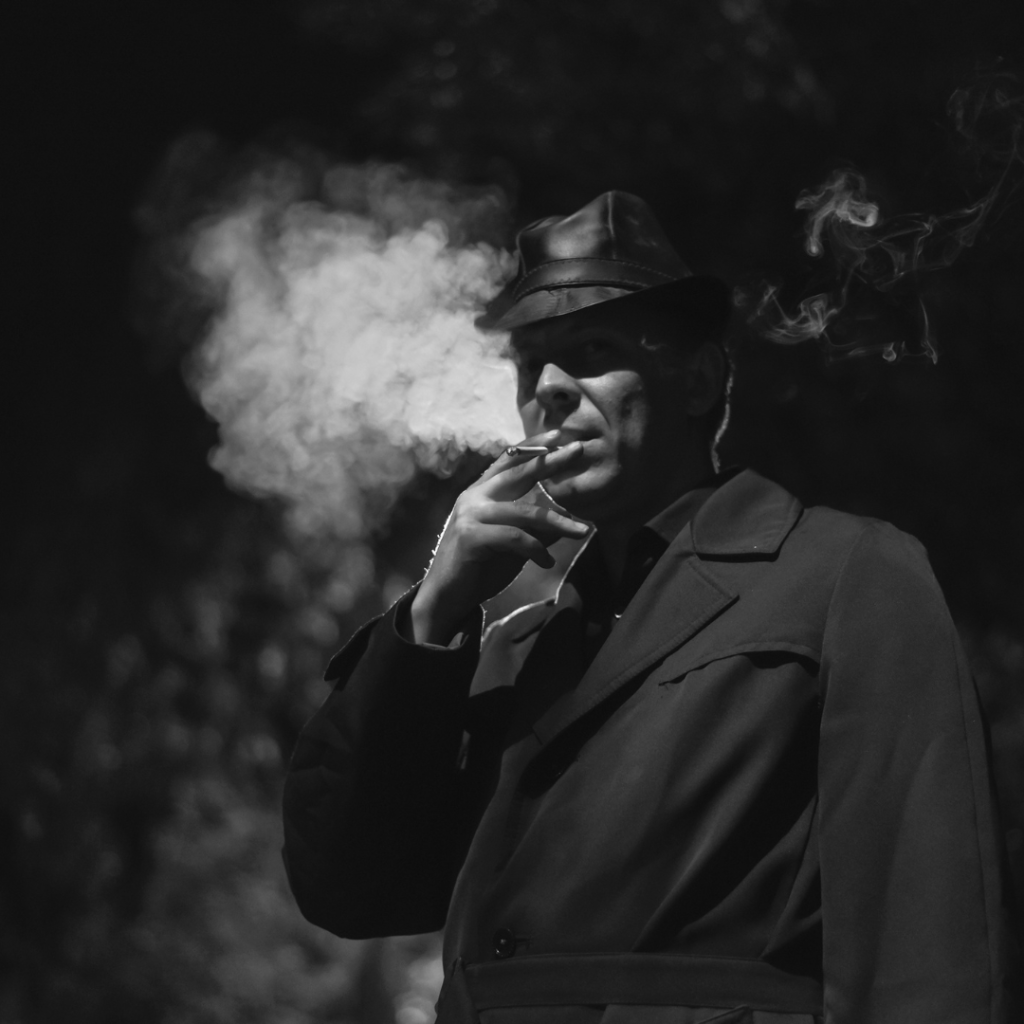
- Film noir is known for its distinctive visual style, characterised by high contrast lighting, deep shadows, and chiaroscuro effects. The use of low-key lighting often creates a moody and atmospheric look, with scenes frequently taking place at night or in dimly lit environments.
- Many film noir stories are set in urban environments, often depicting the seedy underbelly of cities. Dark alleys, nightclubs, and urban landscapes contribute to the overall sense of mystery and danger.
- Film noir often explores moral ambiguity, with protagonists who may be morally conflicted or antiheroes. Characters are frequently caught in a web of crime, deception, and betrayal, and the distinction between good and evil is often blurred.
- Femme fatales are a common archetype in film noir. These female characters are often mysterious, alluring, and dangerous, leading the male protagonists into morally compromising situations.
- Many film noir stories are influenced by hard-boiled crime fiction. The narratives often involve crime, detective work, and the exploration of the darker aspects of human nature. They often featured detectives and private investigators who were flawed, cynical, and deeply human.
- Film noir uses a range of cinematic techniques, including Dutch angles, deep focus shots, and inventive camera angles. These techniques contribute to the overall visual and thematic impact of the films.
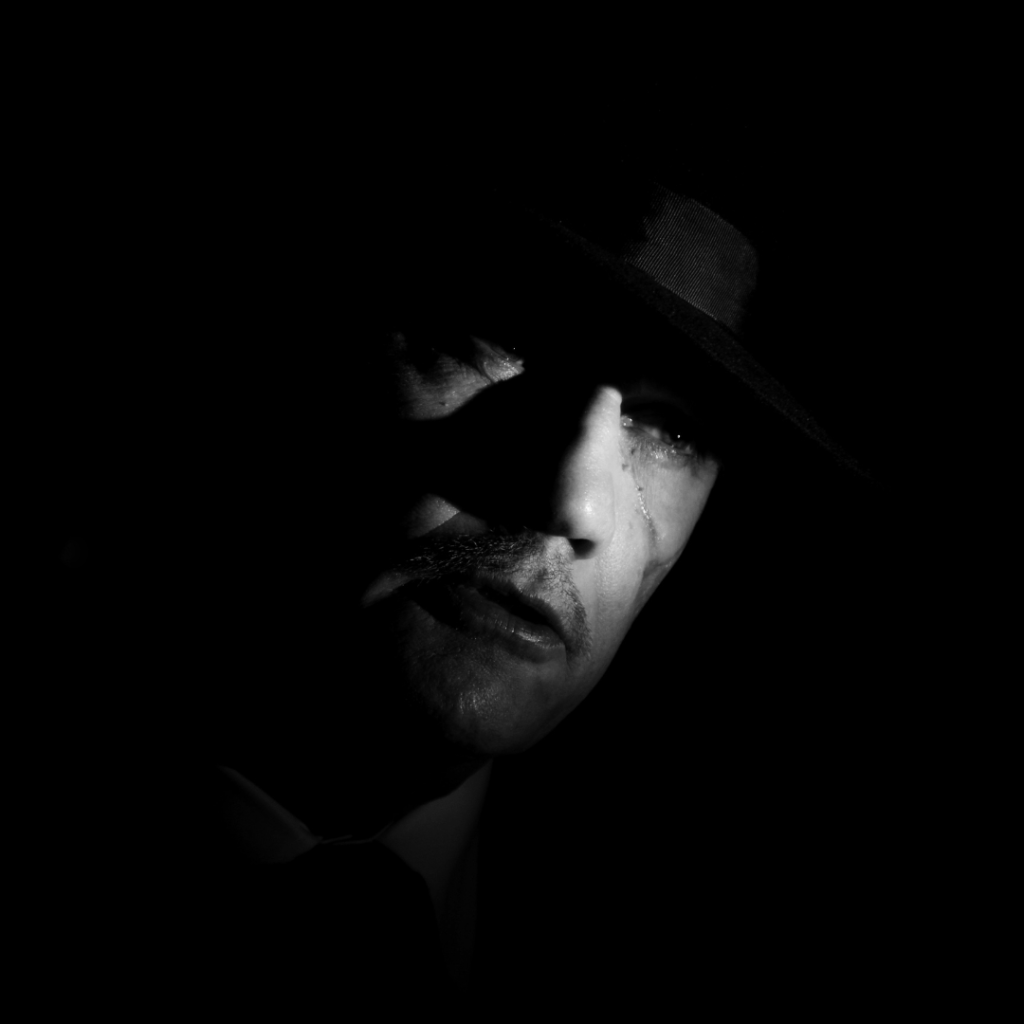
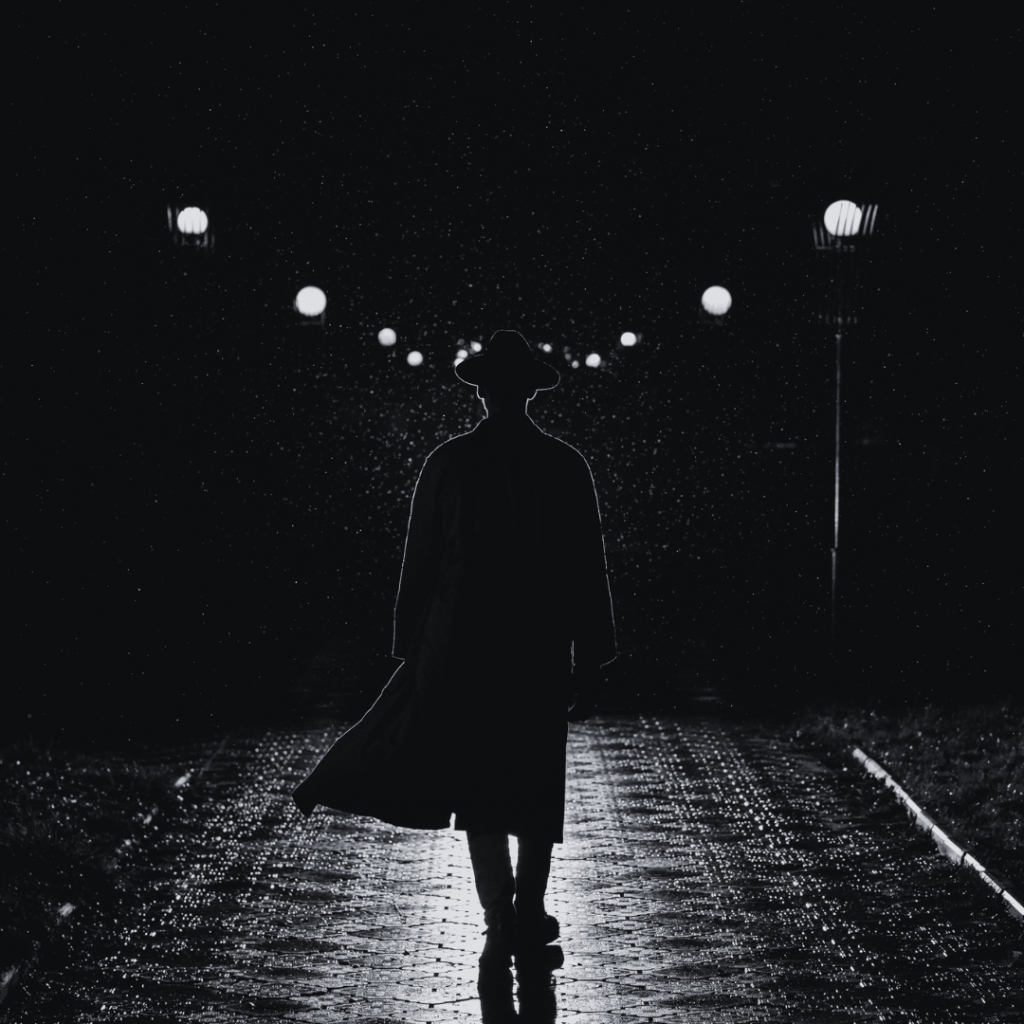
So, film noir is the perfect cinematic format for hard-boiled fiction due to its ability to visually and thematically amplify the gritty and morally complex nature of hard-boiled narratives.
Why has the hard-boiled detective genre remained so popular over the years?
Part of its appeal lies in its depiction of a world that is tough, gritty, and uncompromising. It’s a world where justice is hard-won and morality is never black and white. But it’s also a world where there is still hope, where the human spirit endures despite the odds.
- Hard-boiled fiction often delves into social issues such as corruption, inequality, and crime in society. Readers appreciate stories that use the genre as a lens to explore and critique the darker aspects of the human experience.
- The genre has a strong cinematic appeal, with many iconic films adapting these gritty narratives. The visual elements, film noir aesthetics, and tough dialogue contribute to the genre’s enduring popularity across different storytelling mediums.
- Hard-boiled fiction often delves into social issues such as corruption, inequality, and crime in society. Readers appreciate stories that use the genre as a lens to explore and critique the darker aspects of the human experience.
- Readers often admire the resilience of hard-boiled protagonists who face adversity head-on. The ability of these characters to navigate through challenging circumstances and emerge, if not unscathed, then wiser, creates a sense of catharsis for readers.
Contemporary Hard-Boiled Detectives
- Harry Bosch, an LAPD detective, is the central character in Michael Connelly’s series. Bosch’s relentless pursuit of justice, even in the face of bureaucratic challenges, showcases his hard-boiled demeanour in a contemporary Los Angeles setting. Connelly’s series combines intricate plotting with a tough, no-nonsense protagonist.
- Jack Reacher, a former military police major, roams the United States as a drifter, solving crimes and righting wrongs. His stoic and tough approach to justice aligns with the hard-boiled tradition, and the series explores modern-day issues through Reacher’s nomadic adventures.
- Cormoran Strike, created by J.K. Rowling under the pseudonym Robert Galbraith, is a private investigator in contemporary London. Strike’s gruff demeanour, military background, and complex personal life reflect the modern interpretation of a hard-boiled detective.
- Joe Pike is a former LAPD detective turned private investigator in Robert Crais’s series. Pike’s enigmatic and reserved personality, combined with his commitment to justice, embodies the hard-boiled tradition in a modern Southern California setting.
- Charlie Parker is a private investigator in John Connolly’s series, which combines crime fiction with supernatural elements. Parker’s haunted past, resilience, and relentless pursuit of justice contribute to the hard-boiled atmosphere of the novels.



These contemporary hard-boiled detectives showcase the genre’s evolution, addressing modern challenges while embodying the enduring traits of toughness, determination, and a commitment to justice that define the hard-boiled tradition.
The hard-boiled detective genre has a rich and storied history that spans over a century. It has evolved from the pulp magazines of the 1920s and 1930s to become one of the most enduring and popular subgenres of crime fiction. Its gritty realism, complex characters, and uncompromising view of the world continue to captivate readers and audiences to this day.
Thanks for taking the time to read this post. If you found it informative and entertaining, please consider sharing it with your friends and followers on social media. And if you have any feedback or suggestions for future topics, I’d love to hear from you in the comments below. Don’t forget to subscribe for more content and updates, or pop over to my newsletter page for more crime stuff, direct to your inbox every month.
See you soon.

Wendy
 Wendy Turner-Hargreaves