
Have you ever been reading a book and thought ‘Oh, that’s a MacGuffin right there’?
No, me neither. But once you’ve read this, I promise you will!
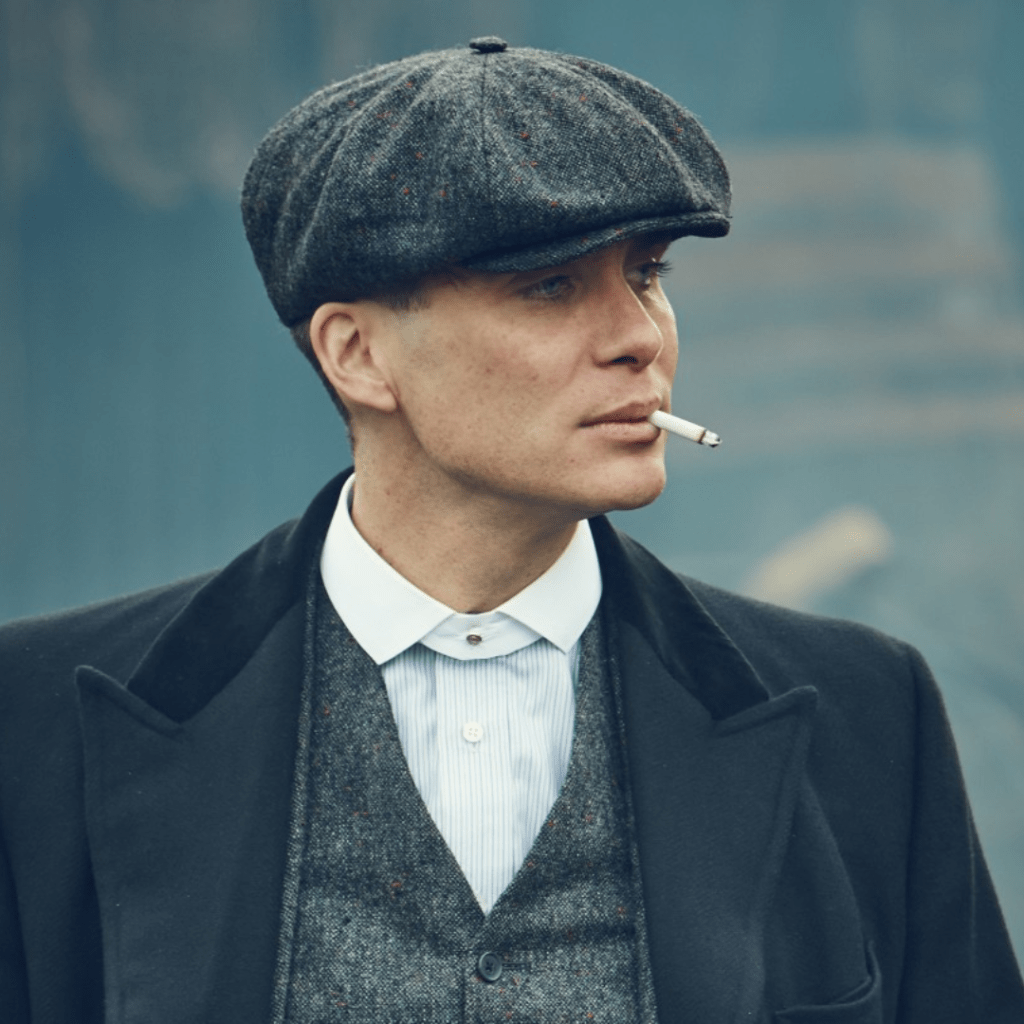
When you’re watching a great actor on screen you can’t see them working. They seamlessly transform into the character they’re portraying, allowing us to suspend our disbelief. They become their character. Cillian Murphy does this perfectly for me. When I watch him, I can relax. I trust that he’ll deliver an immersive and believable performance.
Similarly, a well-crafted story doesn’t reveal it’s structure. We don’t need to know the plot beats or feel the shift from one to the next. We should be so immersed in the narrative that we’re carried along effortlessly on a wave of suspense and intrigue with the author as our unseen, skilful navigator. Tolkien is a master of this.
But what are the storytelling tropes that form part of an engaging and compelling narrative structure?
Here are some of the secret ingredients in a good story you may not be aware of.

Red Herrings: The Art of Misdirection
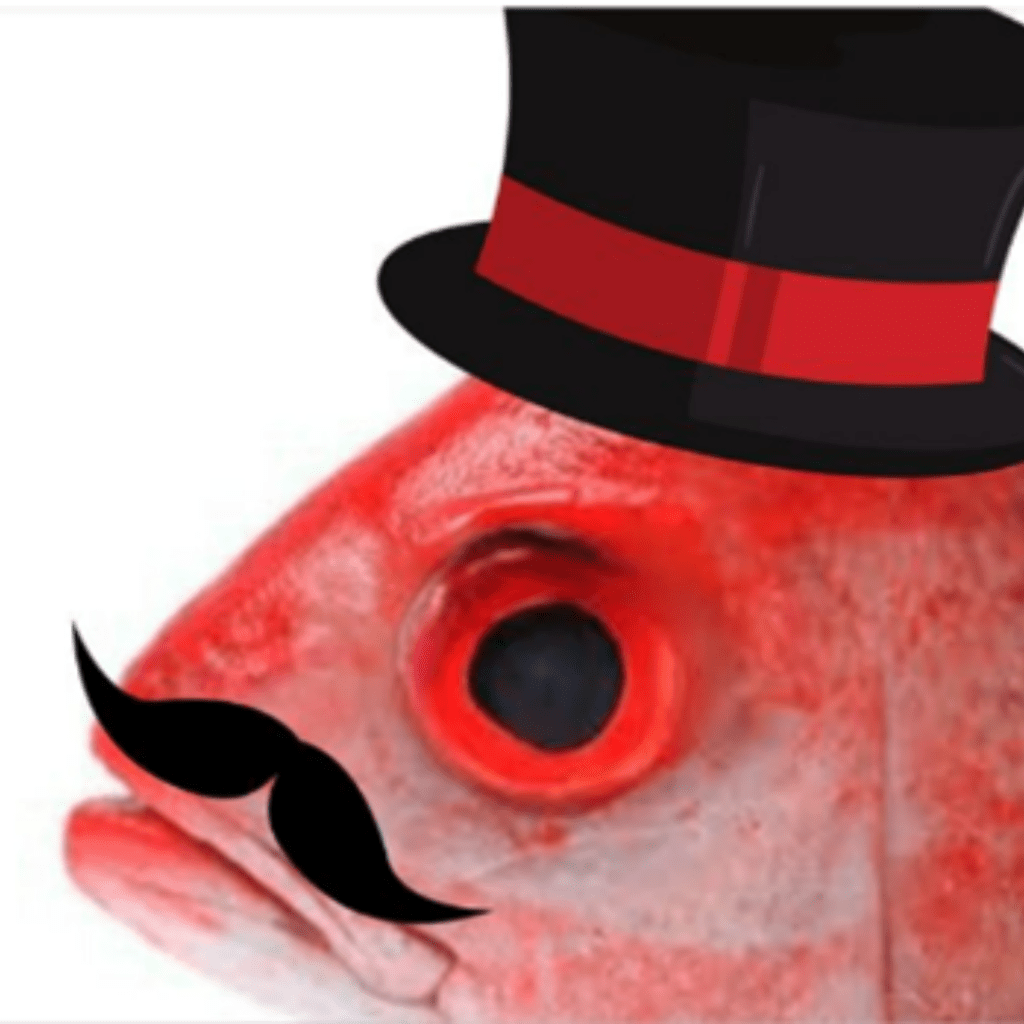
The term “Red Herring” has its roots in the world of hunting, particularly fox hunting. In the 1800s, hunters used the strong-smelling, smoked and salted herring fish to train hounds. These fish had a pungent scent that could lead the hounds astray, away from the real target (the fox). Hence, the “Red Herring” became synonymous with a diversion or distraction that misled or confused.
In storytelling, a “Red Herring” is a clever narrative device. It’s a misleading clue, character, or plot element intentionally planted by authors to throw readers or viewers off the scent of the real mystery or plot twist. It’s like a literary sleight of hand, guiding your attention in one direction while the real action unfolds elsewhere.
Red Herrings serve multiple purposes. They build suspense, add complexity, and keep us guessing. They make us question our assumptions and encourage us to engage with the story actively – they’re the art of misdirection.
MacGuffins: The Catalysts of Adventure
Coined by Alfred Hitchcock, a MacGuffin is a plot device—often an object or goal—that drives the characters and the narrative forward. Its intrinsic value is less important than its role in propelling the story. MacGuffins create a sense of urgency, setting characters in motion and providing a focal point for the audience, even if the ultimate significance may remain ambiguous.
A MacGuffin is a storytelling device commonly used in literature, film, and other forms of narrative media. It’s an object, goal, or concept that serves as a plot device, motivates the characters, and drives the story forward. However, the MacGuffin itself often has little or no intrinsic significance or importance.
The term “MacGuffin” was popularised by filmmaker Alfred Hitchcock. He explained it as an element in a story that the audience doesn’t need to fully understand but serves to set the plot in motion or create suspense. Essentially, it’s a narrative tool that keeps the story moving and characters engaged but isn’t the central focus of the plot.
Classic examples of MacGuffins include the Maltese Falcon in Dashiell Hammett’s novel “The Maltese Falcon” and the briefcase in Quentin Tarantino’s film “Pulp Fiction.” In both cases, the objects drive the characters’ actions and decisions, but their true nature or significance remains secondary to the broader narrative.
And the origin of the word? The name MacGuffin was coined by British screenwriter Angus MacPhail, probably using “‘guff’, meaning anything trivial or worthless as the root of the word.
Coined by Alfred Hitchcock, a MacGuffin is a plot device—often an object or goal—that drives the characters and the narrative forward. Its intrinsic value is less important than its role in propelling the story. Think of the Ark in “Raiders of the Lost Ark” or the briefcase in “Pulp Fiction.”
Deus ex Machina: Divine Interventions
Translated as “god from the machine,” this trope involves a sudden, unexpected resolution to a seemingly insurmountable problem. In ancient Greek theatre, a god would literally descend onto the stage, untangling complex plots. Today, it refers to any improbable or contrived resolution that saves characters from a dire situation. While it should be used judiciously to avoid undermining the narrative, a well-executed ‘deus ex machina’ can add an element of surprise and wonder.
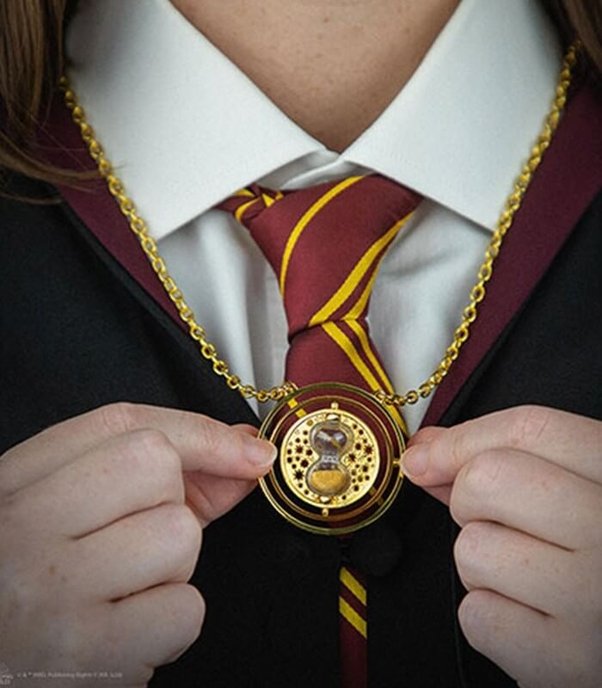
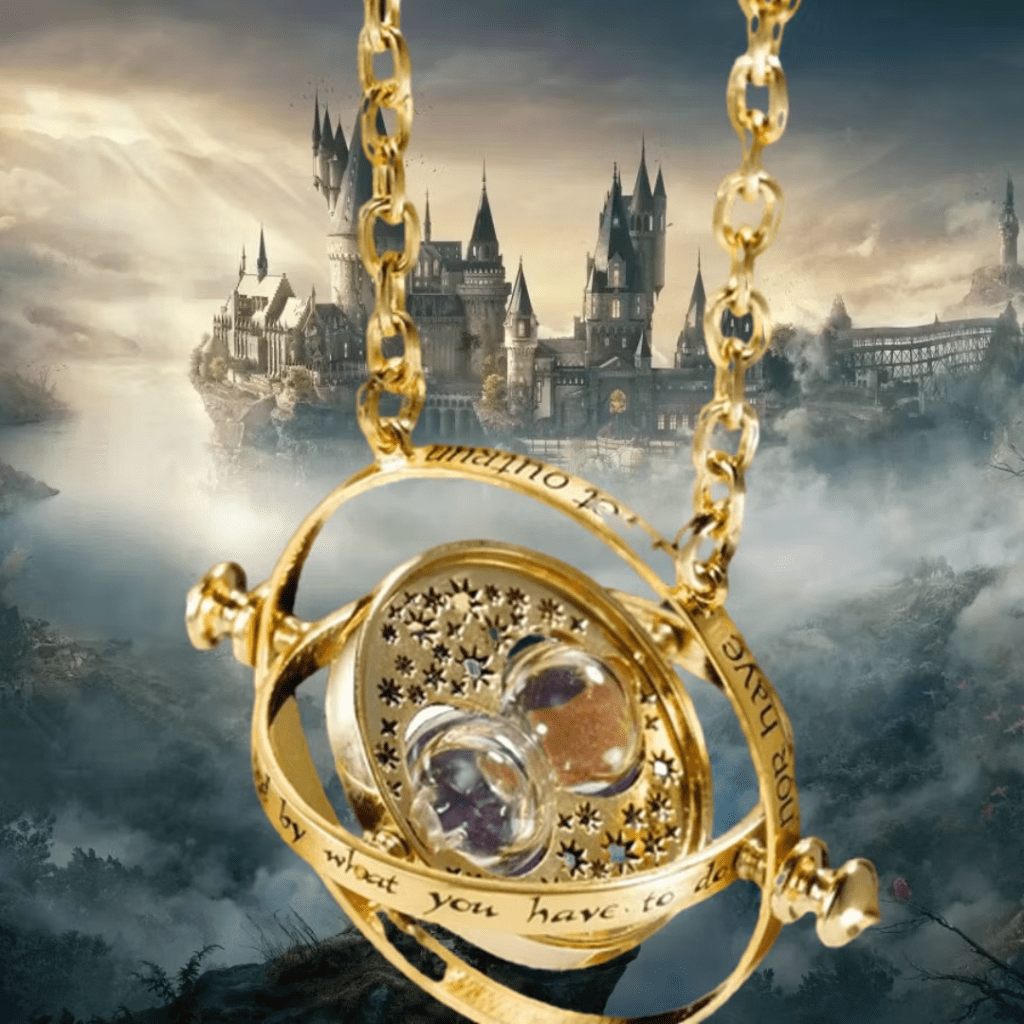
The use of the Time-Turner in “Harry Potter and the Prisoner of Azkaban” is a Deus ex Machina. Harry and Hermione use the Time-Turner to go back in time, ensuring that they can intervene in events they previously witnessed, leading to a more favourable outcome.
Chekhov’s Gun: Everything Has a Purpose
Ever heard of “Chekhov’s Armory”? It’s an interesting variation of the renowned literary principle, “Chekhov’s Gun.” But what’s it all about?
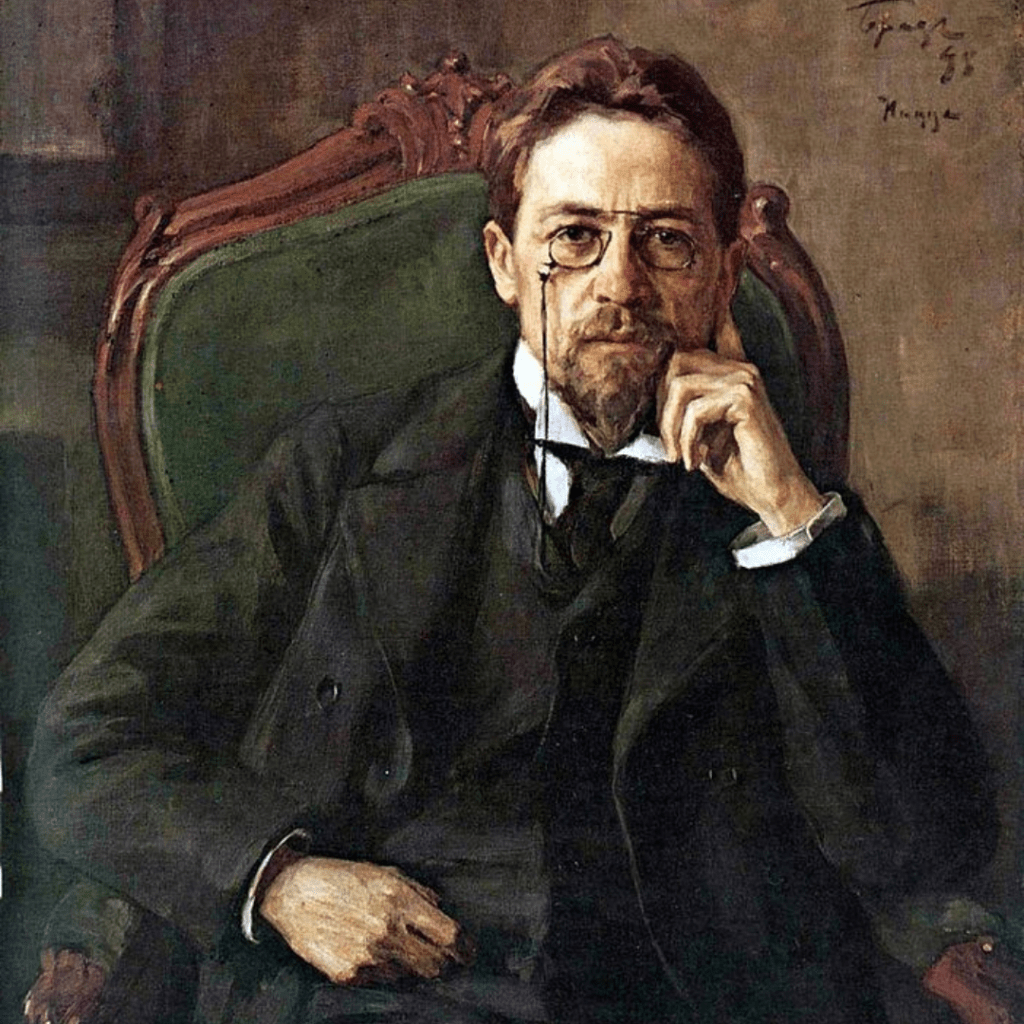
This term pays homage to the legendary Russian playwright Anton Chekhov, a master of storytelling and drama. Chekhov famously stated, “If in the first act you have hung a pistol on the wall, then in the following one it should be fired.” His principle emphasised the importance of narrative economy.
“Chekhov’s Armory” takes this idea one step further. It suggests that if an author introduces multiple elements, objects, or characters into a story, each should serve a purpose, however subtle. In essence, nothing should be extraneous; everything contributes to the rich tapestry of the narrative.
Imagine a story where every detail, no matter how seemingly insignificant, weaves seamlessly into the plot’s fabric. Each element, even those in the background, plays a role, adding depth, foreshadowing, or thematic resonance.
Chekhov’s Armory enhances the reader’s or viewer’s immersion. It encourages them to connect the dots, anticipate developments, and actively engage with the narrative. It’s like a puzzle waiting to be solved!
In the world of storytelling, Chekhov’s Armory reminds us that every word, every image, every detail serves a purpose, and together, they create a literary symphony.
Originating from Anton Chekhov’s advice that if a gun is introduced in the first act, it must be fired in the third, this trope emphasises the importance of narrative economy. Every element in a story should serve a purpose. If an object or detail is highlighted, it should have relevance to the plot later on. This principle guides writers to create tight, cohesive narratives where no element feels extraneous.
Again, JK Rowling is known for her meticulous planning and use of Chekhov’s Gun. Items such as the Marauder’s Map, the Time-Turner, and seemingly insignificant details like the locket from “Order of the Phoenix” all play pivotal roles in the overall story.
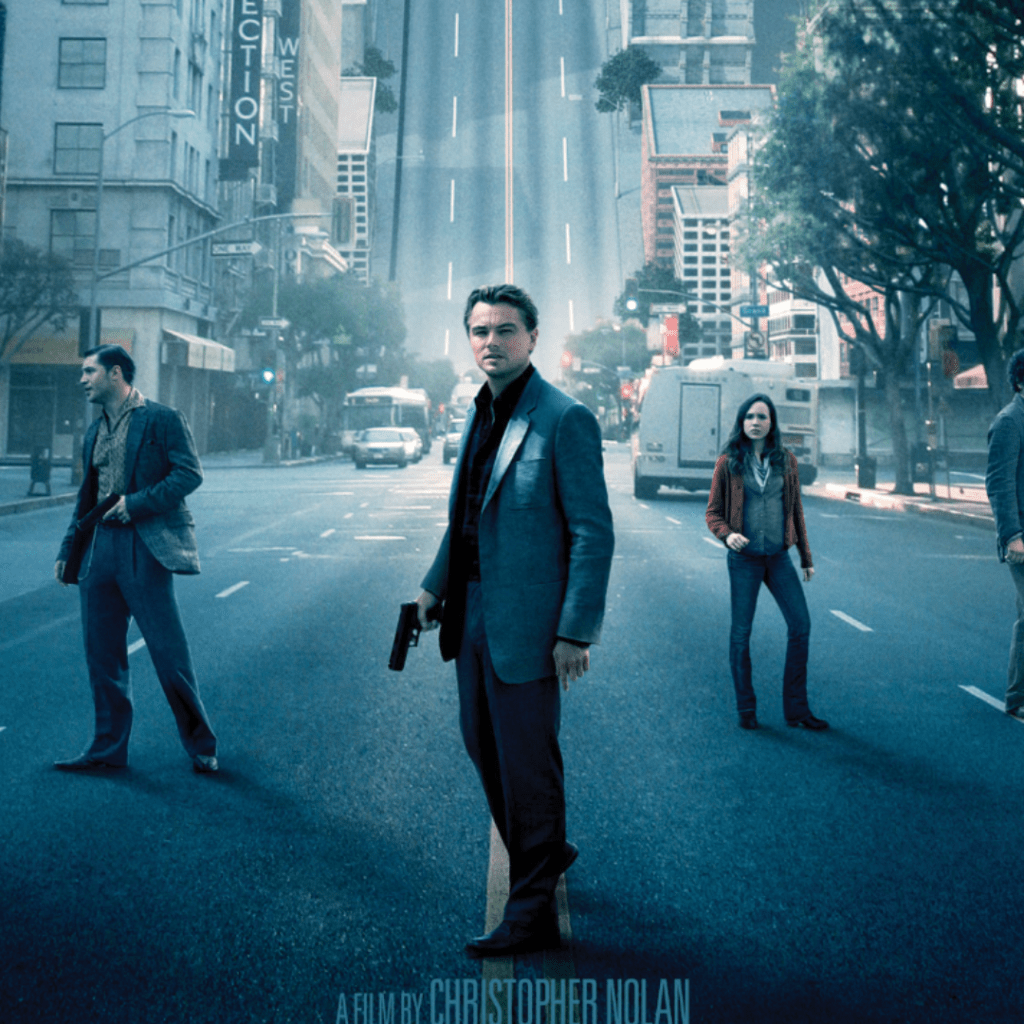
Christopher Nolan’s “Inception” with its intricate plotting, is another example. Objects and concepts, such as the spinning top and the concept of a totem, are introduced early in the film and become central to the resolution of the story.
The Hero’s Journey: An Archetypal Odyssey
Popularised by Joseph Campbell, the Hero’s Journey is an archetypal narrative structure found in myths and stories across cultures. It involves a hero leaving their ordinary world, facing challenges, undergoing transformation, and returning home changed.
The hero’s journey often involves the protagonist’s personal growth and transformation. Audiences are drawn to stories where characters overcome their flaws, face adversity, and emerge stronger or wiser. This journey mirrors the human experience of facing challenges and evolving through life’s trials.
Even in fantastical settings or extraordinary circumstances, the emotional and psychological struggles of the hero are relatable. The hero’s journey reflects the trials and tribulations of real-life individuals, allowing us to see ourselves in the protagonist and find inspiration in their ability to overcome obstacles.
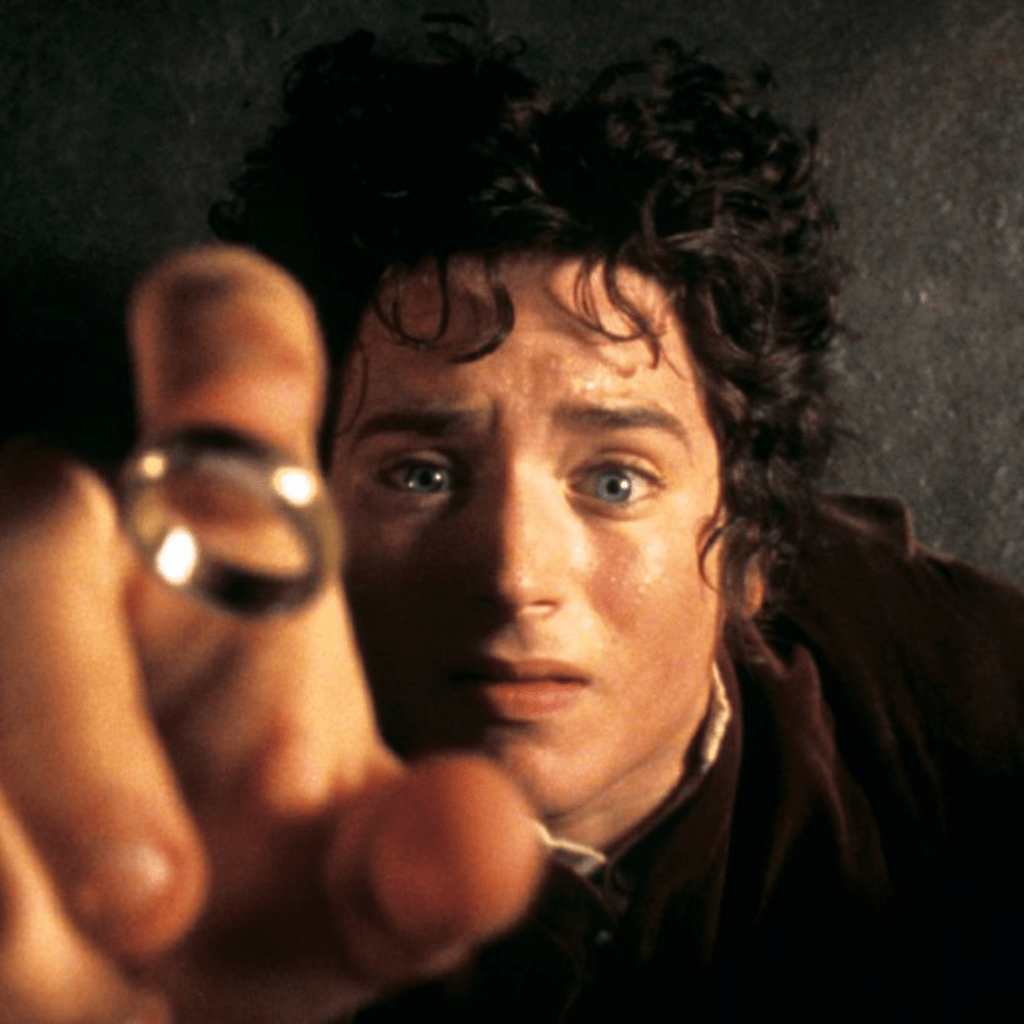
From Frodo Baggins in “The Lord of the Rings” to Harry Potter, this trope resonates deeply with readers, providing a universal template for personal growth and adventure.


If you’re interested in storytelling, it’s useful to understand how employing these storytelling tropes can elevate a narrative, creating a richer, more immersive experience for the audience. But while tropes provide a foundation, it’s the unique blend and execution that distinguishes one story from another.
Look out for these techniques, and if you’re a writer, consider how you can use these tools in your creative arsenal to breathe life into your characters and plots.
Thanks for taking the time to read this post. If you found it informative and entertaining, please consider sharing it with your friends and followers on social media. And if you have any feedback or suggestions for future topics, I’d love to hear from you in the comments below. Don’t forget to subscribe for more content and updates, or pop over to my newsletter page for more crime stuff, direct to your inbox every month.
See you soon.

Wendy
 Wendy Turner-Hargreaves