
Crime fiction, a genre that’s captivated us for centuries, has seen a remarkable evolution over the years. From the brilliant deductive reasoning of Sherlock Holmes to the high-tech investigations of modern cyber sleuths, this genre has continuously adapted to reflect the changing times and the complexities of the human condition. Here’s a journey through the fascinating evolution of crime fiction, exploring key milestones and the enduring appeal of mysteries and detective stories.
The Birth of Detective Fiction:
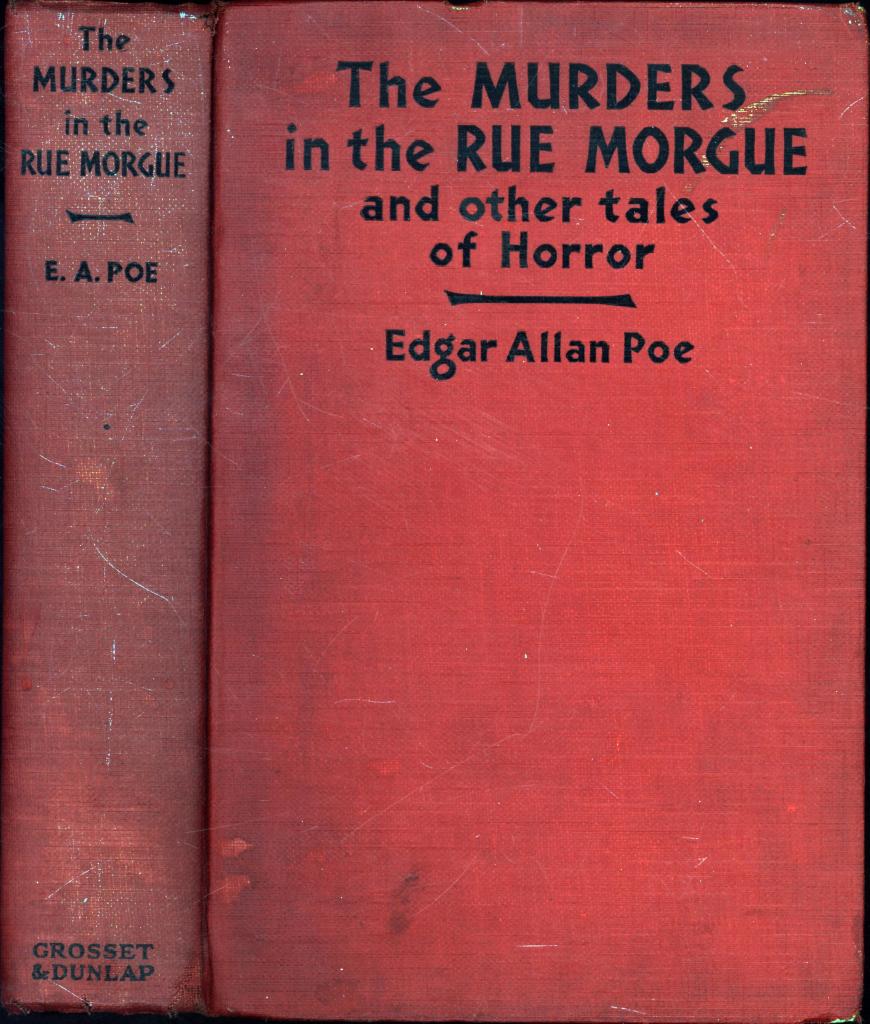
The roots of crime fiction can be traced back to the early 19th century when writers like Edgar Allan Poe introduced readers to the world of detective stories. Poe’s iconic character, C. Auguste Dupin, used logical reasoning to solve perplexing mysteries, setting the stage for the genre’s development.
Sherlock Holmes and the Golden Age:
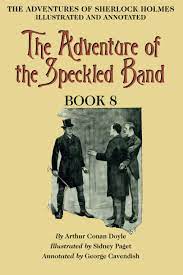
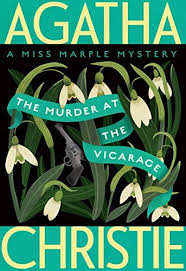
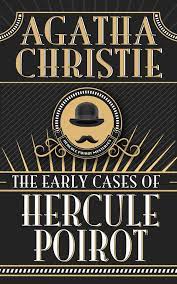
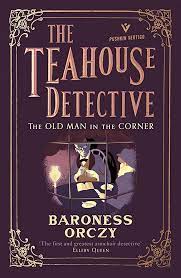
The late 19th and early 20th centuries marked the “Golden Age” of detective fiction, with Sir Arthur Conan Doyle’s Sherlock Holmes leading the way. Holmes’s brilliant deductive skills and iconic pipe captured the imagination of readers, laying the foundation for the modern detective archetype. During this era, authors like Agatha Christie and her famous detectives Hercule Poirot and Miss Marple also thrived, shaping the genre’s conventions.
Hard-Boiled Detectives:
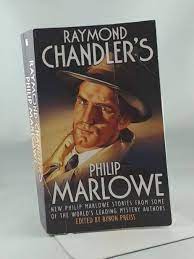
The 1920s and 1930s brought about a new breed of detective fiction with hard-boiled detectives like Raymond Chandler’s Philip Marlowe and Dashiell Hammett’s Sam Spade. These gritty, morally ambiguous protagonists navigated a world filled with crime and corruption, reflecting the darker side of society.
The Cosy Mystery and Psychological Thrillers:
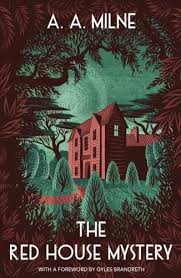
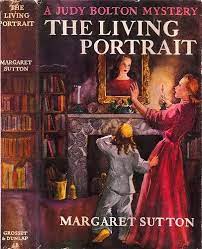
In contrast to hard-boiled detective stories, the cosy mystery emerged in the mid-20th century. Authors like Agatha Christie excelled in creating puzzles set in idyllic English villages, with amateur sleuths uncovering secrets. Simultaneously, the psychological thriller gained popularity, delving into the minds of criminals and exploring the psychological aspects of crime.
Modern Crime Fiction:
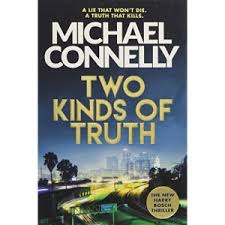
Crime fiction continued to evolve in the late 20th century and beyond. The advent of forensic science and technology added new layers to detective work. Writers like Patricia Cornwell introduced forensic experts like Kay Scarpetta, while Michael Connelly’s Harry Bosch navigated the complexities of modern policing.


The Digital Age and Cyber Sleuths:
With the rise of the digital age, crime fiction has embraced technology as a central theme. Authors like Stieg Larsson with “The Girl with the Dragon Tattoo” and Jeffery Deaver with Lincoln Rhyme have explored cybercrime, hacking, and the complexities of the internet in their novels. These cyber sleuths use modern tools and digital clues to solve crimes, reflecting contemporary issues.
Conclusion:
The evolution of crime fiction is a testament to its enduring appeal. From the classic detectives of the Golden Age to the gritty hard-boiled heroes and modern cyber sleuths, crime fiction has continuously adapted to reflect the changing world. Today, it remains a diverse and dynamic genre that continues to captivate readers with its intriguing mysteries and complex characters, promising an exciting future filled with new challenges and adventures.
Whether you prefer the foggy streets of Victorian London or the high-tech world of cyber investigations, crime fiction offers something for everyone, making it a genre that will forever hold a place in the literary landscape.

If you’d like some intrigue in your inbox every month, why not subscribe to my Crime Fiction Addiction newsletter?
Thanks for taking the time to read this post. If you found it informative and entertaining, please consider sharing it with your friends and followers on social media. And if you have any feedback or suggestions for future topics, I’d love to hear from you in the comments below. Don’t forget to subscribe for more content and updates, or pop over to my newsletter page for more crime stuff, direct to your inbox every month.
See you soon.

Wendy
 Wendy Turner-Hargreaves