
As a lover of books and avid reader (and watcher) of popular fiction, I’ve always been fascinated by the power of storytelling. What is it that makes a story compelling? What are the elements that keep readers hooked from beginning to end? These are the questions that I hope to explore in this blog, by taking a closer look at some popular dramas, films and books.
Throughout this blog, I’ll be discussing some of the most effective storytelling techniques used by authors and drama producers to captivate their readers. From complex characters and intricate plots to immersive world-building and themes of moral ambiguity, I’ll delve into the elements that make these stories so engaging and thought-provoking.
To illustrate these storytelling techniques, I’ll be drawing on examples from some of the most popular works of fiction, and examine how the storytellers craft their stories, drawing us in with richly-drawn characters, unexpected plot twists, and themes that resonate on a deeper level.
Whether you’re a writer looking to improve your craft, or simply a reader looking for some insight into what makes a great story, I hope that you’ll find this blog to be a valuable resource. Let’s dive in and explore the art of storytelling in popular fiction!
The anatomy of a great story
What is it that makes a great story? While there’s no one-size-fits-all answer, there are a few key elements that tend to be present in some of the most memorable and impactful works of fiction. Here’s a closer look at the anatomy of a great story:
Compelling characters: Characters are the heart and soul of any story, and a great story typically features characters that are complex, relatable, and memorable. Whether they’re heroes, villains, or somewhere in between, great characters have flaws, desires, and motivations that drive the story forward.
Well-crafted plot: A great story needs a well-crafted plot that keeps readers engaged and guessing. The plot should be complex enough to keep people interested, but not so convoluted that it becomes confusing or overwhelming.
Immersive world-building: Whether the story takes place in a fictional world or a real-life setting, great stories feature immersive world-building that transports readers to another place and time. This can be achieved through richly-detailed settings, well-researched historical context, or even the creation of an entirely new world with its own rules and mythology.
Themes that resonate: The best stories have themes that resonate with readers on a deeper level, whether they’re exploring universal human experiences like love, loss, and redemption, or tackling weighty social and political issues. By exploring these themes in a thoughtful and nuanced way, a great story can leave a lasting impact on readers.
Writing that engages: Finally, a great story needs writing that engages and captivates readers from the very first sentence. Whether it’s through rich descriptive language, snappy dialogue, or a unique narrative voice, the writing should draw readers in and keep them turning the pages or clicking for the next episode.
Let’s have a look at some examples and why they’re so popular with readers and audiences.
Stranger Things
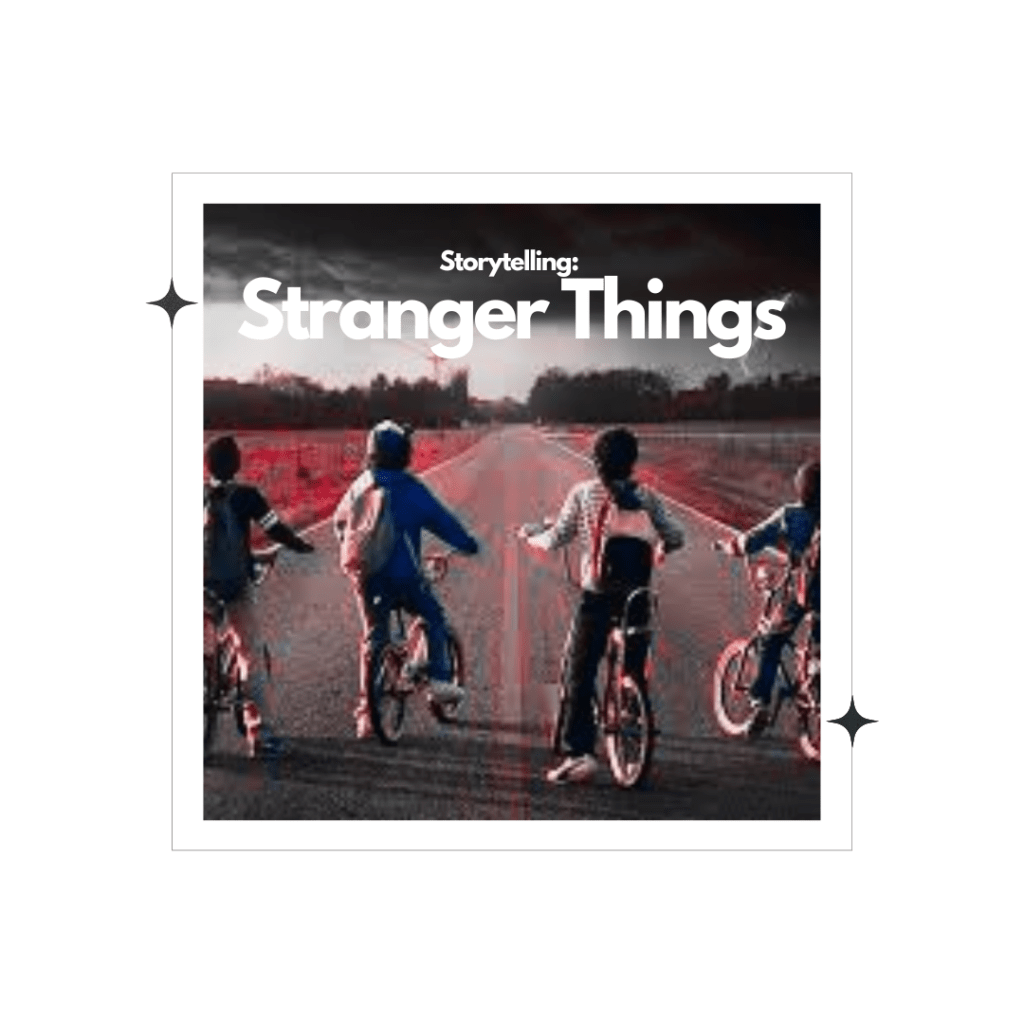
“Stranger Things” has been a massive hit worldwide, and it’s not hard to see why. Let’s break down the anatomy of a compelling story and see how “Stranger Things” excels in each category:
Hook: The show starts with a bang, as we see a young boy mysteriously disappear, which immediately grabs our attention and makes us want to know what happens next.
Characters: The show features a diverse cast of beautifully developed and relatable characters, including a group of misfit kids who are the heart of the story. We become invested in these characters and their relationships, which makes the show emotionally engaging.
Conflict: The conflict in “Stranger Things” is both external and internal, with the characters facing threats from both a mysterious supernatural force and their own personal demons. This creates tension and drama, again keeping us engaged and emotionally invested.
Plot: The plot of “Stranger Things” is a masterclass in storytelling, weaving together elements of sci-fi, horror, and coming-of-age drama in a way that keeps us gripped. The stakes are high, and the urgency to solve the mystery and save the characters is palpable.
Theme: “Stranger Things” explores themes of friendship, family, loyalty, and the struggle to find where we fit in the world – universal themes we can all relate to. These themes are woven into the story in an organic and meaningful way, creating a deeper emotional connection with the audience.
Setting: The setting of “Stranger Things” is a vividly realised world that combines the nostalgia of the 1980s with a sense of supernatural danger lurking just beneath the surface.
Style: The show’s style is consistent and appropriate to its genre and tone, with a mix of horror, sci-fi, and coming-of-age drama that makes it unique.
“Stranger Things” brilliantly excels in all the elements of great storytelling. It has a strong hook, well-developed characters, meaningful conflict, a captivating plot, resonant themes, a vivid setting, and a strong sense of style. These elements work together to create a show that has enthralled us all and made it a cult phenomenon.
The Last Kingdom
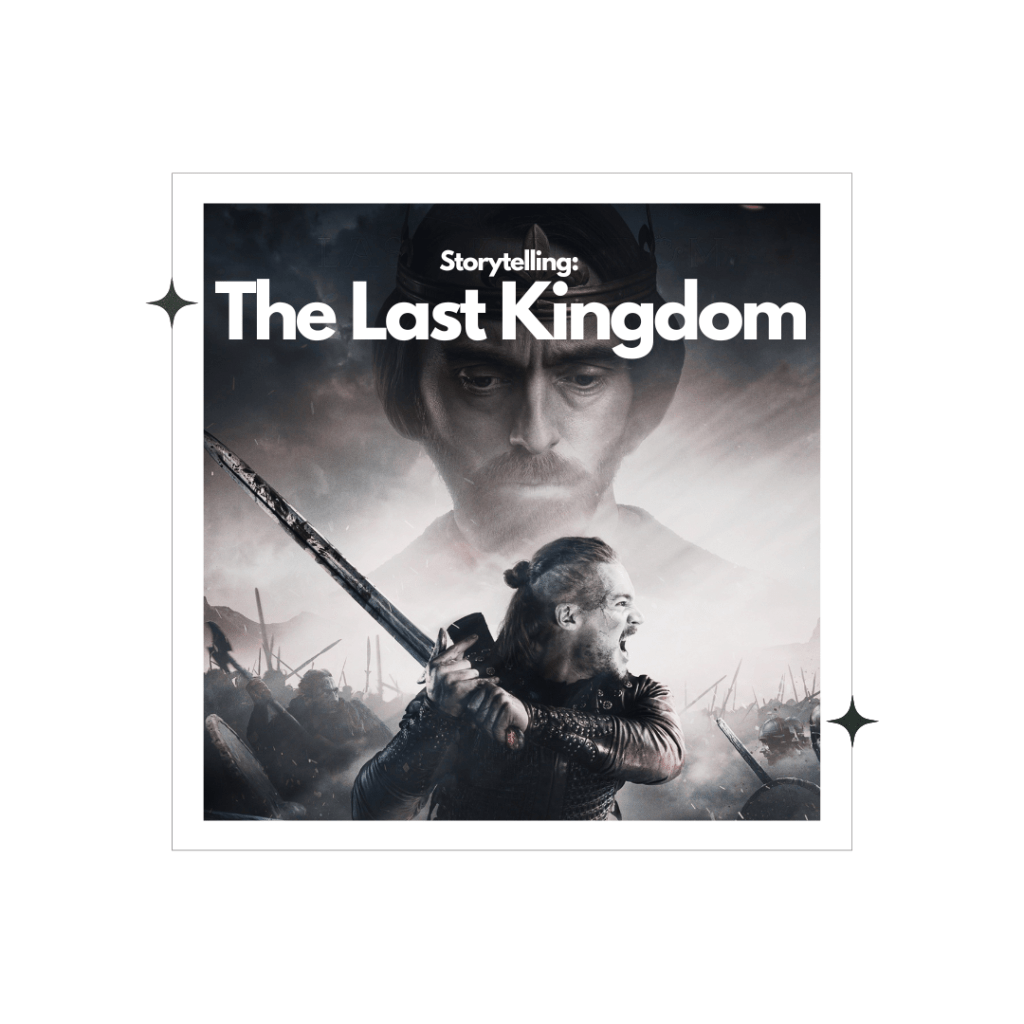
The epically brilliant “The Last Kingdom” is hugely popular for its immersive storytelling, which is no surprise as it’s based on Bernard Cornwell’s The Saxon Stories. With ‘Seven Kings Must Die’ just hitting Netflix, let’s break down the anatomy of a compelling story and see how “The Last Kingdom” conquers every category:
Hook: The show starts with a compelling hook, as we see a young Saxon boy taken captive by the Danes and raised as one of their own. We’re immediately drawn into this story which continues to underpin the entire series.
Characters: “The Last Kingdom” features a diverse cast of complex and beautifully crafted characters, including the main protagonist, Uhtred of Bebbanburg. Uhtred is a skilled warrior, cunning strategist, and charismatic leader, all of which make him a formidable force in battle. But he’s reckless, impulsive, and stubborn too, often getting himself and others into trouble.
Despite these flaws, Uhtred is a relatable character as he struggles to reconcile his identity and find a sense of belonging. The relationship he forms with the other characters in the show are essential to his character development. His loyalty to his friends and family is unwavering, but his trust is hard-earned, leading to some emotionally charged scenes.
Conflict: The show is full of meaningful conflict, with Uhtred torn between his Saxon roots and his loyalty to the Danes who raised him. The politics and struggle for power between the various factions adds to the tension and drama, keeping the audience engaged and emotionally invested.
Plot: The plot of “The Last Kingdom” is intricately weaves together elements of historical drama and pacy action-adventure with quieter beats where we can catch our breath.
Theme: “The Last Kingdom” explores themes of identity, loyalty, and the struggle for power. The story seamlessly incorporates these themes in a genuine and significant, resulting in a stronger emotional bond with the audience.
Setting: The attention to detail in the setting of the show, recreating the time period and its cultural touchstones, is impressive and adds to the overall immersive experience.
Performance: Alexander Dreymon as Uhtred is as compelling in quiet, introspective scenes as he is in dramatic, action-packed moments. His ability to convey emotion with a glance or a subtle change in expression makes his portrayal of Uhtred all the more impressive.
For me though, the standout performance comes from David Dawson as King Alfred. His performance is a masterclass in subtlety and nuance and the scene showing his last meeting with Uhtred is simply stunning.
So, The Last Kingdom has every box ticked, which is obviously why it continues to pull huge audiences. If you haven’t seen it yet, I highly recommend it!
The Bone Collector
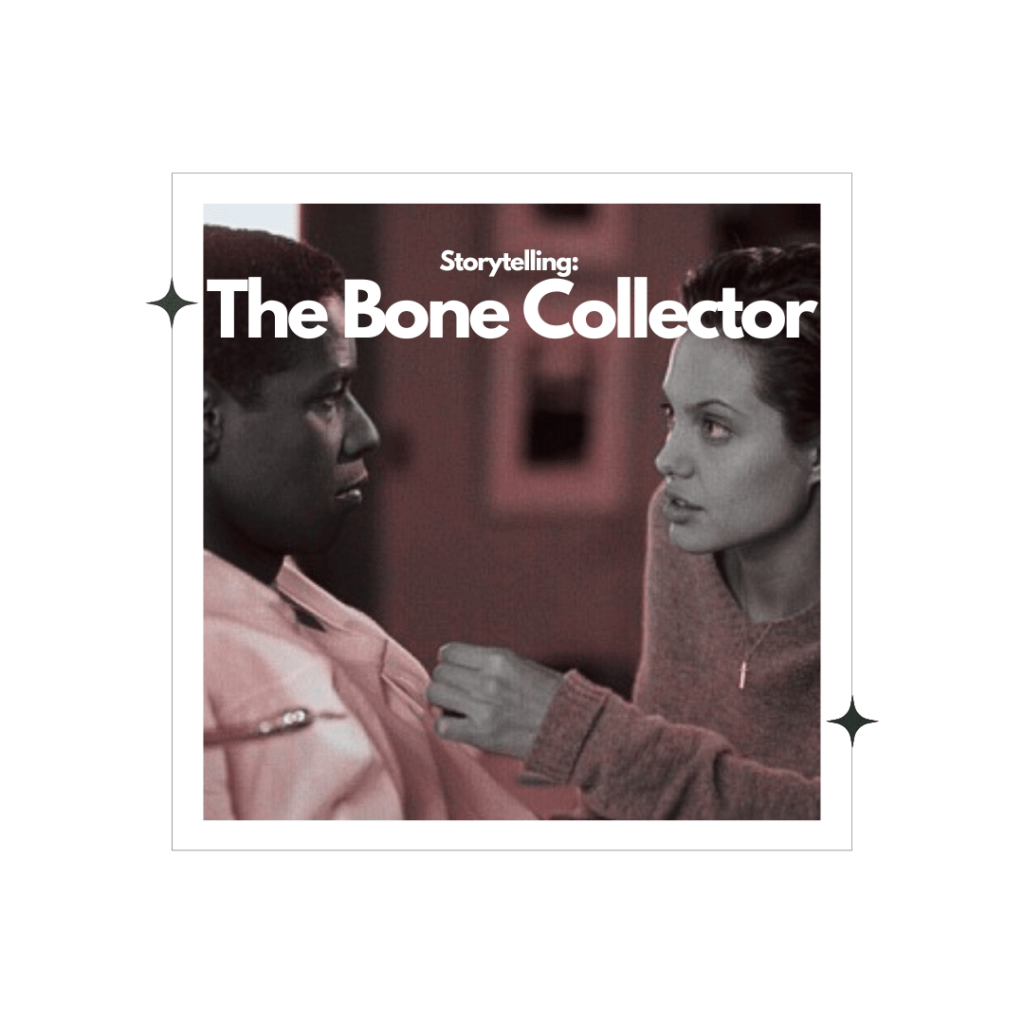
“The Bone Collector” by Jeffery Deaver is a crime thriller novel that follows the story of Lincoln Rhyme, a former NYPD forensic expert who is now a quadriplegic, and Amelia Sachs, a young patrol officer who discovers a victim of a serial killer. The novel follows the classic story anatomy of a crime thriller with a well-crafted plot, interesting characters, and twists and turns that keep the reader engaged.
Hook: The book starts with a high-stakes hook as a young patrol officer, Amelia Sachs, discovers a victim of a serial killer while on her beat in New York City. The victim’s body is grotesquely mutilated and this hook sets up the central mystery of the novel, immediately drawing the reader in.
Characters: The two main characters in the novel are Lincoln Rhyme and Amelia Sachs. Lincoln Rhyme is a former NYPD forensic expert who is now a quadriplegic, confined to his bed and able to move only his head and one finger. Despite his physical limitations, Rhyme is brilliant and his expertise is sought after by the police department. Amelia Sachs is a young patrol officer who discovers the first victim of the serial killer and becomes Rhyme’s eyes and ears on the ground as he helps her solve the case. The two characters are well-crafted and interesting, with their own unique personalities, strengths, and weaknesses.
Conflict: The central conflict in the novel is the hunt for the serial killer. The killer, known as “The Bone Collector,” is elusive and leaves behind few clues. Rhyme and Sachs must race against time to solve the case before he kills again. The tension is heightened by the fact that Rhyme is a quadriplegic and Sachs is often working alone, putting herself in danger.
Plot: The plot of the novel is tightly structured and keeps the reader engaged from start to finish. Deaver expertly weaves in twists and turns, keeping the reader guessing about the identity of the killer and the motivations behind the crimes. The pacing is excellent, alternating between moments of intense action and quieter scenes that allow the reader to catch their breath.
Theme: The novel explores themes of redemption, justice, and the consequences of one’s actions. The killer’s motivations are rooted in his own tragic past, and Rhyme and Sachs must grapple with their own demons as they try to stop him. The novel also examines the nature of obsession, both in the killer and in Rhyme himself, who is consumed by his work and his desire to catch the killer.
Setting: The setting of the novel is New York City and Deaver expertly captures the grittiness and energy of the city.
Writing style: Deaver’s writing style is fast-paced and engaging. He uses short chapters and cliffhangers to keep the reader hooked and delivers a satisfying conclusion that ties up all the loose ends.
Overall, “The Bone Collector” is a well-crafted crime thriller with a classic story anatomy that keeps the reader engaged from start to finish. With interesting characters, a tightly structured plot, and a well-crafted setting, it is easy to see why it has become a beloved classic of the genre.
Peaky Blinders
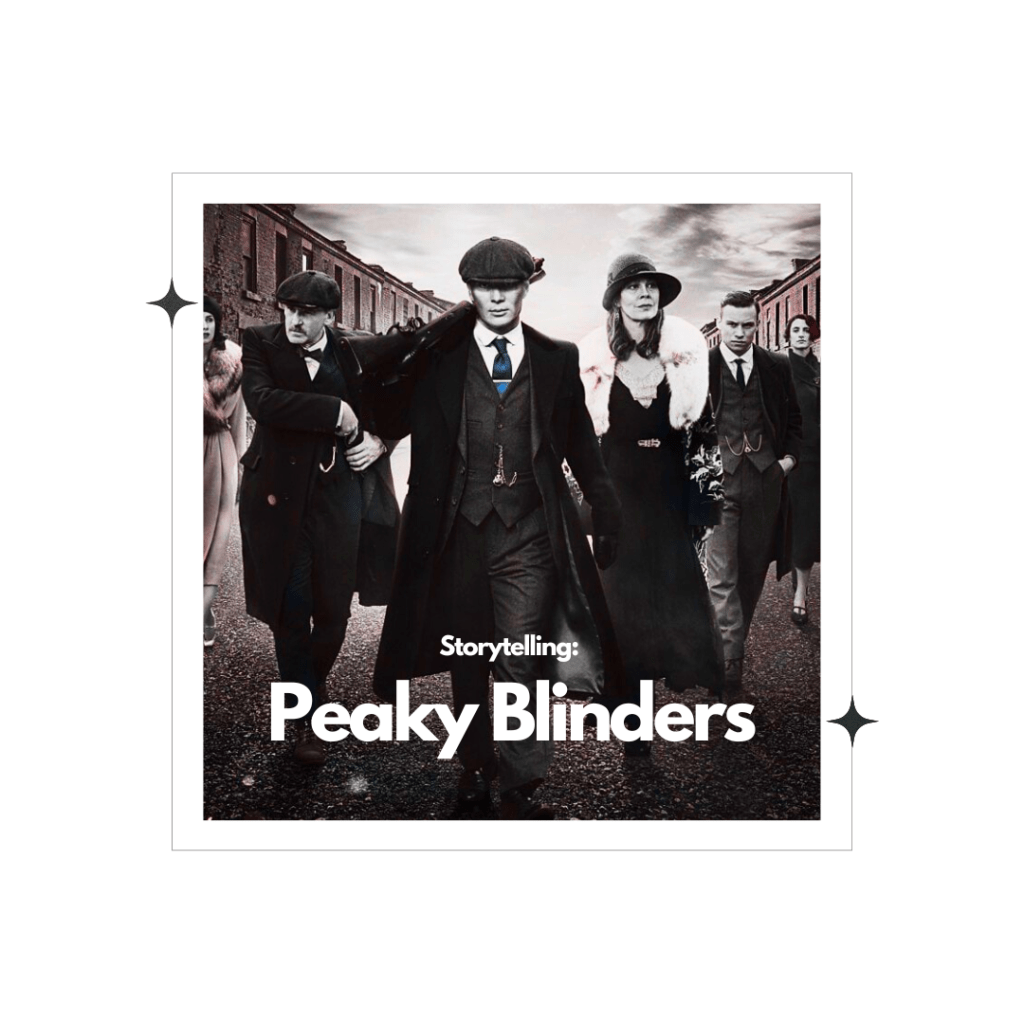
“Peaky Blinders” has become a fan-favourite due to its immersive and gritty portrayal of the criminal underworld in post-WWI Birmingham. The period crime drama masters all the elements of great storytelling – here’s how.
It starts with a gripping hook that immediately captures the audience’s attention and creates a sense of danger and tension. We quickly become emotionally invested in the diverse cast of complex characters with multifaceted personalities, motivations, and backstories.
The show is full of conflict, with the Peaky Blinders battling for control of their territory and facing off against rival gangs and corrupt officials. The stakes are high, and the danger is ever-present, keeping us fully engaged and braced for more action.
The plot is intricately woven, with multiple storylines and subplots that contribute to the larger narrative arc.
“Peaky Blinders” explores themes of power, family, loyalty, and the impact of war on society. These themes are woven into the story in a natural and resonant way, creating a deeper emotional connection with the audience.
The setting of “Peaky Blinders” is a vividly captures the gritty reality of post-WWI Birmingham, creating a unique style which blends period drama, crime thriller, and character study. The use of edgy music and cinematic visual imagery adds to the show’s overall atmosphere.
“Peaky Blinders” is another compelling masterclass in great storytelling with an effortlessly brilliant performance from Killian Murphy as main protagonist Tommy Shelby.
It’s a must watch!
Prime Suspect
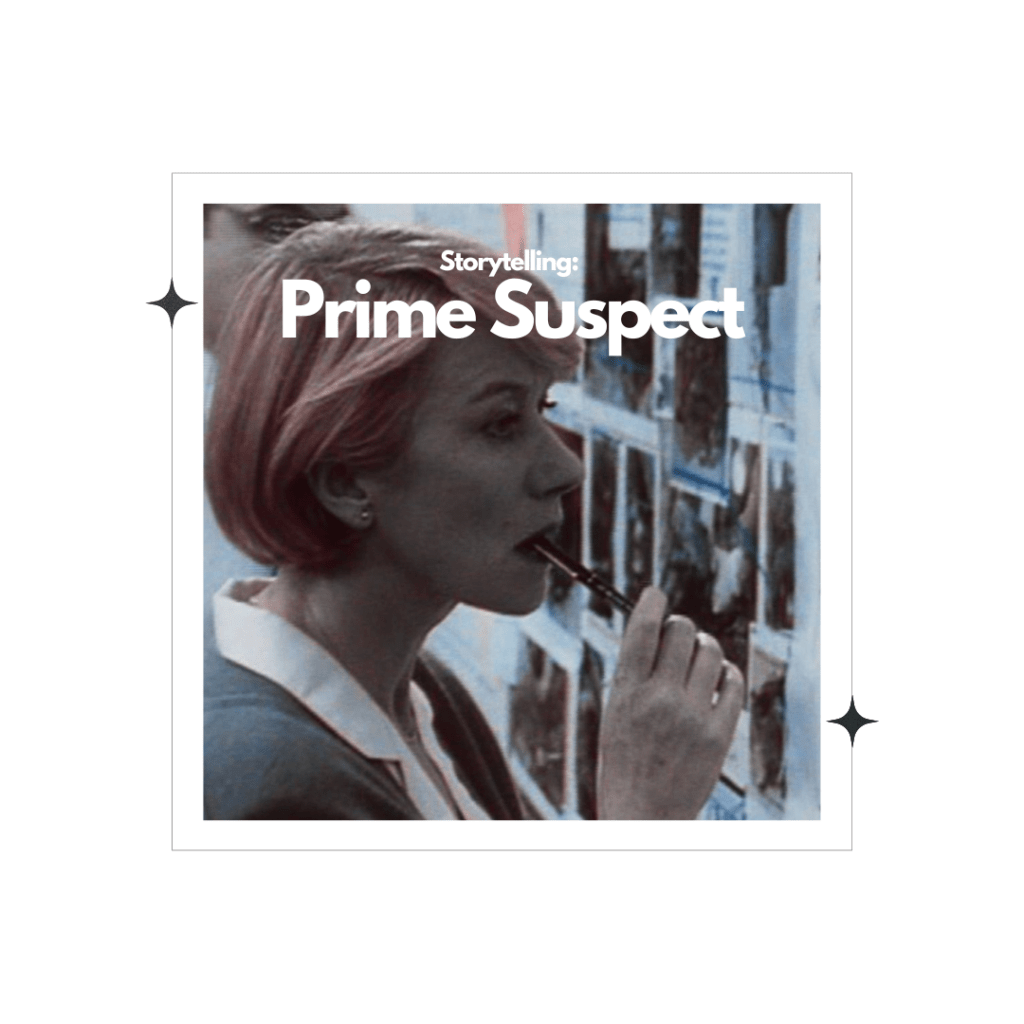
“Prime Suspect” is a crime drama television series that follows Detective Chief Inspector Jane Tennison as she navigates her male-dominated world while leading investigations into high-profile cases.
Hook: The series begins with the discovery of the murder of a young woman, which immediately grabs the audience’s attention and sets the stage for the rest of the season.
Characters: The main character, Jane Tennison, is a complex and flawed detective who faces sexism and hostility from her colleagues. She is determined to prove herself and is willing to take risks to solve cases. The supporting cast, including Tennison’s team and suspects in the investigations, are also well-developed and add depth to the story.
Conflict: The show is full of conflicts, both external and internal. Tennison must navigate the politics of the police department, deal with the pressures of high-profile cases, and confront her own personal demons. The investigations themselves are filled with twists and turns, keeping the audience engaged and guessing.
Plot: The plot is structured around the investigations, with each episode focusing on a new case or aspect of an ongoing investigation. The pacing is well-executed, with tense moments interspersed with quieter scenes that allow for character development.
Themes: The show explores themes of gender, power, corruption, and justice. The portrayal of sexism within the police department adds depth to the story and highlights the challenges faced by women in male-dominated professions.
Performance: Helen Mirren delivers a standout performance as Jane Tennison, bringing a mix of vulnerability and toughness to the role. The supporting cast also delivers strong performances, adding to the overall quality of the show.
“Prime Suspect” is a well-crafted crime drama that explores complex themes and features a strong lead performance from Helen Mirren.
Die Hard
Who doesn’t love ‘Die Hard’?! The iconic 1980s action film (is it a Christmas movie? – debate!) propelled Bruce Willis into action movie stardom and remains a favourite with audiences today.
Let’s have a look at the storytelling and how Die Hard reels us in.
Hook: The movie starts with a high-stakes hook as John McClane, a New York cop, arrives in Los Angeles to visit his estranged wife at her workplace, Nakatomi Plaza. The audience is immediately thrust into the action as a group of terrorists take over the building, trapping McClane inside.
Characters: The main character is a flawed but relatable hero. He’s a tough, wisecracking cop who’s also struggling with his personal life. The film’s villain, Hans Gruber, is a sophisticated and intelligent terrorist who provides a worthy opponent for McClane.
Conflict: The movie is full of action-packed conflict as McClane battles the terrorists and tries to save the hostages. The tension is heightened by the fact that McClane is alone and outmatched, and the stakes are raised as he races against time to save his wife and stop the terrorists from getting away with their plan.
Plot: The plot is tightly structured and keeps the audience engaged from start to finish. The film’s pacing is excellent, alternating between moments of intense action and quieter scenes that allow the audience to catch their breath. The story is also well-crafted, with several twists and turns that keep the audience guessing.
Theme: The film explores themes of heroism, sacrifice, and redemption. McClane is forced to confront his own shortcomings as a husband and a father while also saving the lives of strangers. The film’s theme of ordinary people rising to the occasion in times of crisis adds emotional depth to the story.
Setting: The setting of the movie, Nakatomi Plaza, is a character in its own right! The skyscraper’s towering height and luxury contrast sharply with the chaos and violence unfolding inside. The setting adds to the dramatic tension, creating a sense of claustrophobia and isolation.
Performance: Bruce Willis delivers a standout performance as John McClane, bringing a mix of humour, vulnerability, and toughness to the role. He is supported by a strong cast, including Alan Rickman as Hans Gruber, who brings delicious depth and nuance to the villainous role.
‘Die Hard’ has all the key components for great storytelling – action, pacing, relatable characters, and universal themes. It remains a beloved classic of the action genre and has influenced countless films that have followed in its footsteps.
Storytelling is an art form that has captivated readers for centuries. Whether you’re a writer seeking to craft compelling fiction, or a reader looking to dive into a great story, understanding the anatomy of a great story is essential. A great story is one that draws us in with immersive world-building, well-crafted plots, and memorable characters. It explores themes that resonate and leaves a lasting impression long after the final page has been turned. By mastering the art of storytelling and paying attention to the key elements that make up great stories, writers can create works of fiction that resonate with people on a deep level.
So, whether you’re a fan of mysteries, romance, science fiction, or any other genre, take a moment to appreciate the artistry of storytelling and the power of great stories to entertain, educate, and inspire.
Thanks for taking the time to read this post. If you found it informative and entertaining, please consider sharing it with your friends and followers on social media. And if you have any feedback or suggestions for future topics, I’d love to hear from you in the comments below. Don’t forget to subscribe for more content and updates, or pop over to my newsletter page for more crime stuff, direct to your inbox every month.
See you soon.

Wendy
 Wendy Turner-Hargreaves