Crime dramas have been a staple of television programming for decades, but some shows have pushed boundaries and sparked controversy with their depictions of violence, criminal behaviour, and societal issues. In this blog I thought I’d take a look at some of the most controversial crime series to come out of the UK and USA.
Controversial UK Crime Dramas
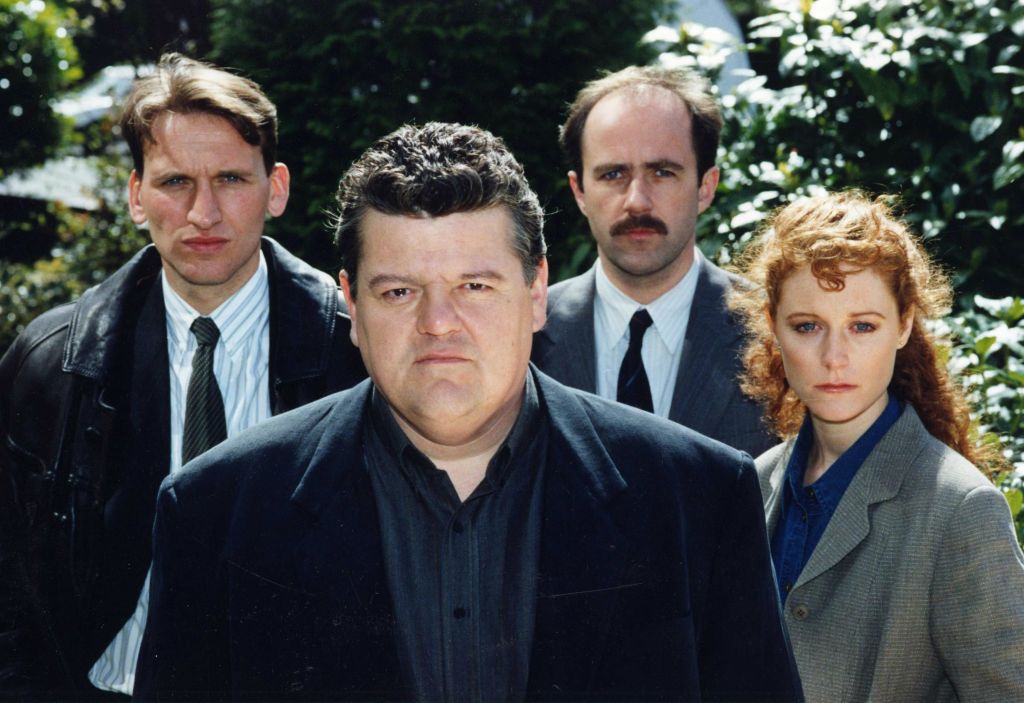
I’m starting with one of my all time favourites: Cracker.
Cracker was a crime drama series that aired in the 1990s and followed the investigations of a mostly obnoxious, anti-social criminal psychologist named Dr. Edward “Fitz” Fitzgerald, brilliantly played by Robbie Coltrane. The show was praised for its realistic portrayal of criminal psychology and Fitz’s complex character, but it also drew criticism for its graphic depictions of violence and negative portrayals of minority groups.
One of the most controversial aspects of Cracker was its portrayal of violence. The show didn’t shy away from graphic and realistic depictions of violence, including sexual violence and murder, which some viewers found disturbing and gratuitous. The show’s creators defended these depictions as necessary to accurately depict the crimes being investigated and to highlight the consequences of violent behaviour.
The show also explored storylines where the police themselves were either the perpetrators or victims of crime. The visceral death of DCI Billborough at the hands of Albie Kinsella (masterfully played by Robert Carlyle) was shocking and stark, a grim reminder of the dangers faced by law enforcement.
Despite the criticisms, Cracker remains a landmark series in the history of crime drama, and its realistic portrayal of criminal psychology has inspired numerous shows and films in the genre. The show’s exploration of Fitz’s character, and his struggles with alcoholism and personal demons, also helped to humanise the typically cold and detached figure of the criminal profiler.
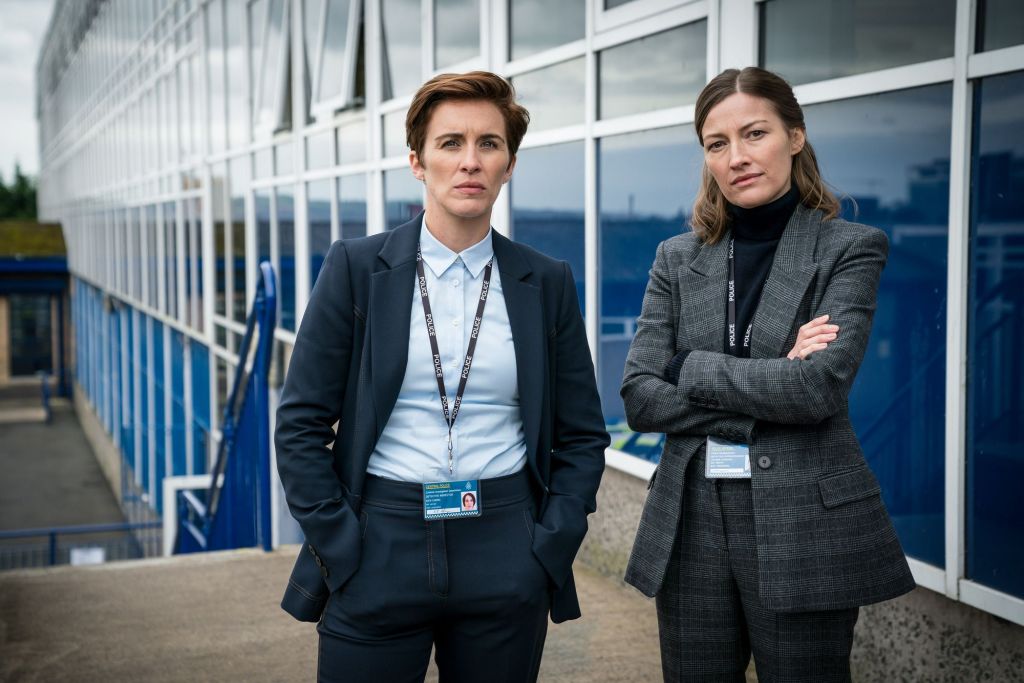
Line of Duty
If you haven’t seen Line of Duty – Jesus, Mary, Joseph and the wee donkey, where have you been?
LOD, written by Jed Mercurio (who also wrote Bodyguard) follows AC12, an anti-corruption unit investigating corrupt police officers. The show’s received critical acclaim (and became the UK’s highest rating TV show in 13 years at the end of season 6) and a large following for its intricate plot, strong performances, and realistic portrayal of police work. However, it has also been the subject of controversy due to its graphic depictions of violence and its portrayal of corrupt police officers.
Interesting how the central concept of police corruption has been both widely criticised and endlessly praised. True the violence is graphic, but the show’s creators have stated that they are trying to highlight the issue of police corruption and hold those responsible accountable. Some have argued that the show’s portrayal of corrupt police officers reinforces negative stereotypes.
The critics appear to be in the minority. Line of Duty remains was hugely popular and inspired countless memes, social media pages and debates. The show’s complex characters, intricate plotlines, and nuanced exploration of issues related to police corruption and ethics have made it a standout in the crowded field of crime dramas.
Luthor
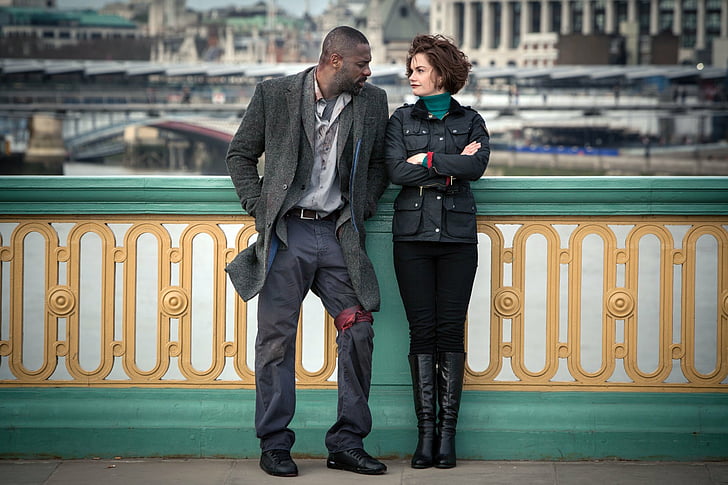
Luther is another British crime drama both praised and criticised for its dark themes and portrayal of violence.
The show stars Idris Elba as DCI John Luther, a brilliant detective who struggles with his own demons and personal relationships while solving some of the most gruesome and twisted crimes in London.
The show doesn’t shy away from graphic and violent scenes, which some viewers have found disturbing and gratuitous. Critics have argued that the show glamorises violence, making it seem almost heroic at times. Others argue that the violence is necessary to accurately portray the gritty reality of police work.
Perhaps the most controversial aspect of “Luther” is its representation of mental health. DCI Luther suffers from various mental health issues, including depression and PTSD, themes explored in the show. Opinions on the representation of these issues are divided. Some argue that the show presents a negative view of mental health, portraying those who suffer from mental illnesses as dangerous and unstable. Others argue that the show is realistic in its depiction of the toll that police work can take on mental health.
However, “Luther” is popular and successful, with a dedicated fanbase, keeping viewers engaged with its complex characters, intense storylines and unpredictable twists.
USA Crime Series
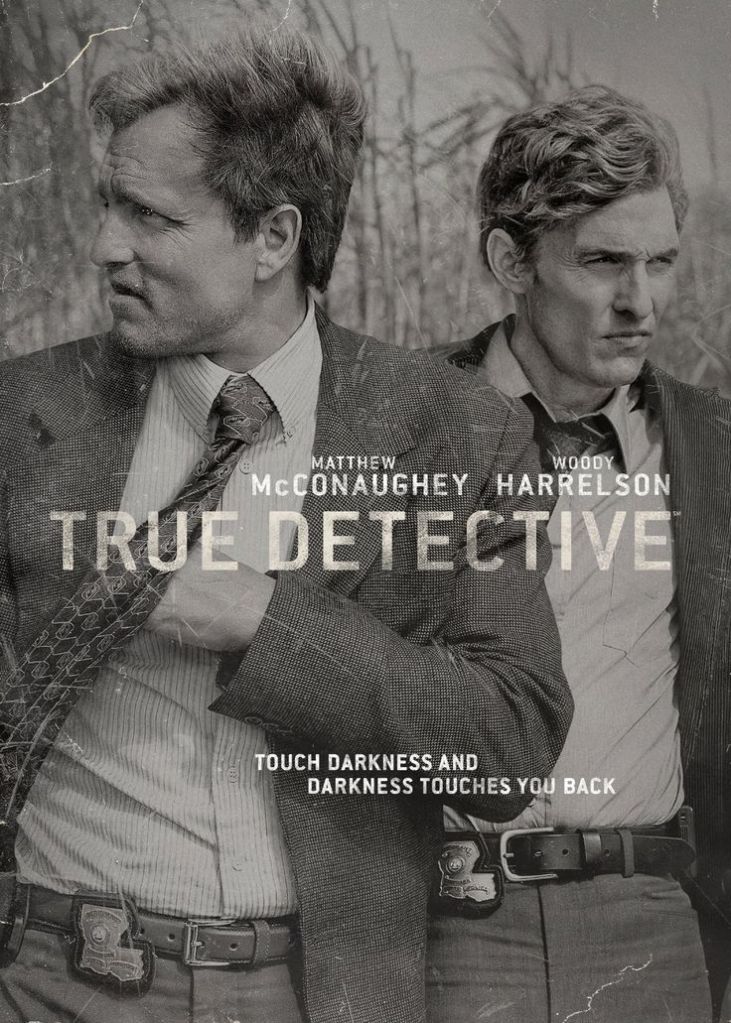
I’m starting with another favourite: True Detective.
True Detective is an American anthology crime drama television series that premiered on HBO in 2014. The series received critical acclaim for its complex storytelling, atmospheric cinematography, and the performances of its cast. Matthew McConaughey in particular is exceptional in season one.
One of the defining features of the show is its non-linear storytelling, with each season featuring multiple timelines woven together. The first season, in particular, received critical acclaim for its exploration of existential dread and the psychology of its characters.
The show’s beautiful cinematography captures the mood and atmosphere of each season. The first season, in particular, features stunning visuals that create a sense of foreboding and unease, and the use of long, uninterrupted takes and tracking shots also adds to the show’s immersive quality.
However, the show also drew criticism for its portrayal of women and its use of disturbing imagery. Some argued that the show’s female characters were underdeveloped and were either convenient plot devices or objects of male desire. In particular, the show’s treatment of the character of Maggie, played by Michelle Monaghan, drew criticism for reducing her to a stereotypical role as the long-suffering wife of a troubled detective.
Yet again, the show’s use of disturbing imagery, including scenes of graphic violence and sexual violence led to criticism. While some viewers found these scenes to be necessary to depict the show’s dark subject matter, others saw them as gratuitous and exploitative.
Maybe True Detective wasn’t perfect in its portrayal of women, but it remains a powerful and memorable exploration of the darker aspects of human nature.
Dexter
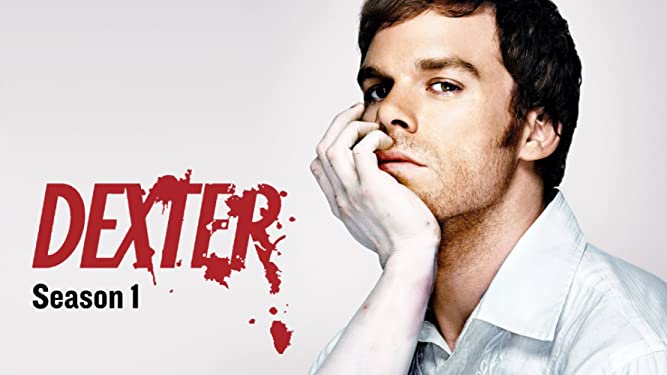
Dexter has been both praised and criticised for its unique approach to crime television. The show’s protagonist, Dexter Morgan, is a complex and multi-faceted character who often struggles with his own morality and code of ethics. The show’s exploration of the psychology of a serial killer has been praised for its realism and its nuanced portrayal of mental illness.
The show’s been criticised for its glorification of violence (are you sensing a common thread here?) and its portrayal of serial killing as a kind of vigilante justice. Some have argued that the show romanticises and justifies Dexter’s actions, which include gruesome murders of other criminals.
Despite the controversy, Dexter hasn’t suffered, and remains a beloved and influential show within the crime genre. A spin-off mini-series aired in 2021-22, which sparked renewed interest in the show and its legacy.
Mindhunter
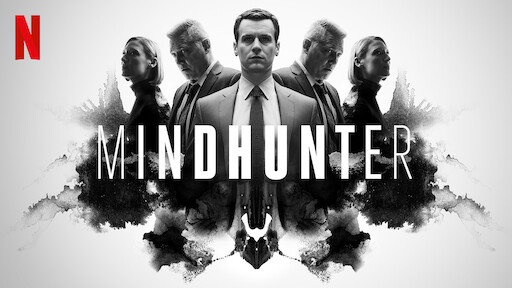
This Netflix series follows two FBI agents who interview imprisoned serial killers to understand their psychology and solve ongoing cases. But does it glorify serial killers with its explicit depictions of murder and mayhem?
It’s not the first series to be criticised for presenting a distorted or unrealistic portrayal of serial killers, potentially glamorising or romanticising their actions.
But for others the show for is an insightful and thought-provoking exploration of criminal psychology which explores the complex relationships between law enforcement and the criminal underworld.
Mindhunter joins the ongoing debate about how crime and violence should be portrayed in popular media, along with the complex and often uncomfortable realities of investigating and confronting the darkest aspects of human behaviour.
Conclusion
Controversial crime shows have the power to push boundaries, start conversations, and challenge societal norms. However, they can also be divisive and raise ethical questions about the portrayal of real-life tragedies and marginalised groups. Regardless of the controversy, crime dramas, along with true crime shows and crime novels, are still hugely popular with audiences.
Thanks for taking the time to read this post. If you found it informative and entertaining, please consider sharing it with your friends and followers on social media. And if you have any feedback or suggestions for future topics, I’d love to hear from you in the comments below. Don’t forget to subscribe for more content and updates, or pop over to my newsletter page for more crime stuff, direct to your inbox every month.
As a lover of books and avid reader (and watcher) of popular fiction, I’ve always been fascinated by the power of storytelling. What is it that makes a story compelling? What are the elements that keep readers hooked from beginning to end? These are the questions that I hope to explore in this blog, by taking a closer look at some popular dramas, films and books.
Throughout this blog, I’ll be discussing some of the most effective storytelling techniques used by authors and drama producers to captivate their readers. From complex characters and intricate plots to immersive world-building and themes of moral ambiguity, I’ll delve into the elements that make these stories so engaging and thought-provoking.
To illustrate these storytelling techniques, I’ll be drawing on examples from some of the most popular works of fiction, and examine how the storytellers craft their stories, drawing us in with richly-drawn characters, unexpected plot twists, and themes that resonate on a deeper level.
Whether you’re a writer looking to improve your craft, or simply a reader looking for some insight into what makes a great story, I hope that you’ll find this blog to be a valuable resource. Let’s dive in and explore the art of storytelling in popular fiction!
The anatomy of a great story
What is it that makes a great story? While there’s no one-size-fits-all answer, there are a few key elements that tend to be present in some of the most memorable and impactful works of fiction. Here’s a closer look at the anatomy of a great story:
Compelling characters: Characters are the heart and soul of any story, and a great story typically features characters that are complex, relatable, and memorable. Whether they’re heroes, villains, or somewhere in between, great characters have flaws, desires, and motivations that drive the story forward.
Well-crafted plot: A great story needs a well-crafted plot that keeps readers engaged and guessing. The plot should be complex enough to keep people interested, but not so convoluted that it becomes confusing or overwhelming.
Immersive world-building: Whether the story takes place in a fictional world or a real-life setting, great stories feature immersive world-building that transports readers to another place and time. This can be achieved through richly-detailed settings, well-researched historical context, or even the creation of an entirely new world with its own rules and mythology.
Themes that resonate: The best stories have themes that resonate with readers on a deeper level, whether they’re exploring universal human experiences like love, loss, and redemption, or tackling weighty social and political issues. By exploring these themes in a thoughtful and nuanced way, a great story can leave a lasting impact on readers.
Writing that engages: Finally, a great story needs writing that engages and captivates readers from the very first sentence. Whether it’s through rich descriptive language, snappy dialogue, or a unique narrative voice, the writing should draw readers in and keep them turning the pages or clicking for the next episode.
Let’s have a look at some examples and why they’re so popular with readers and audiences.
Stranger Things
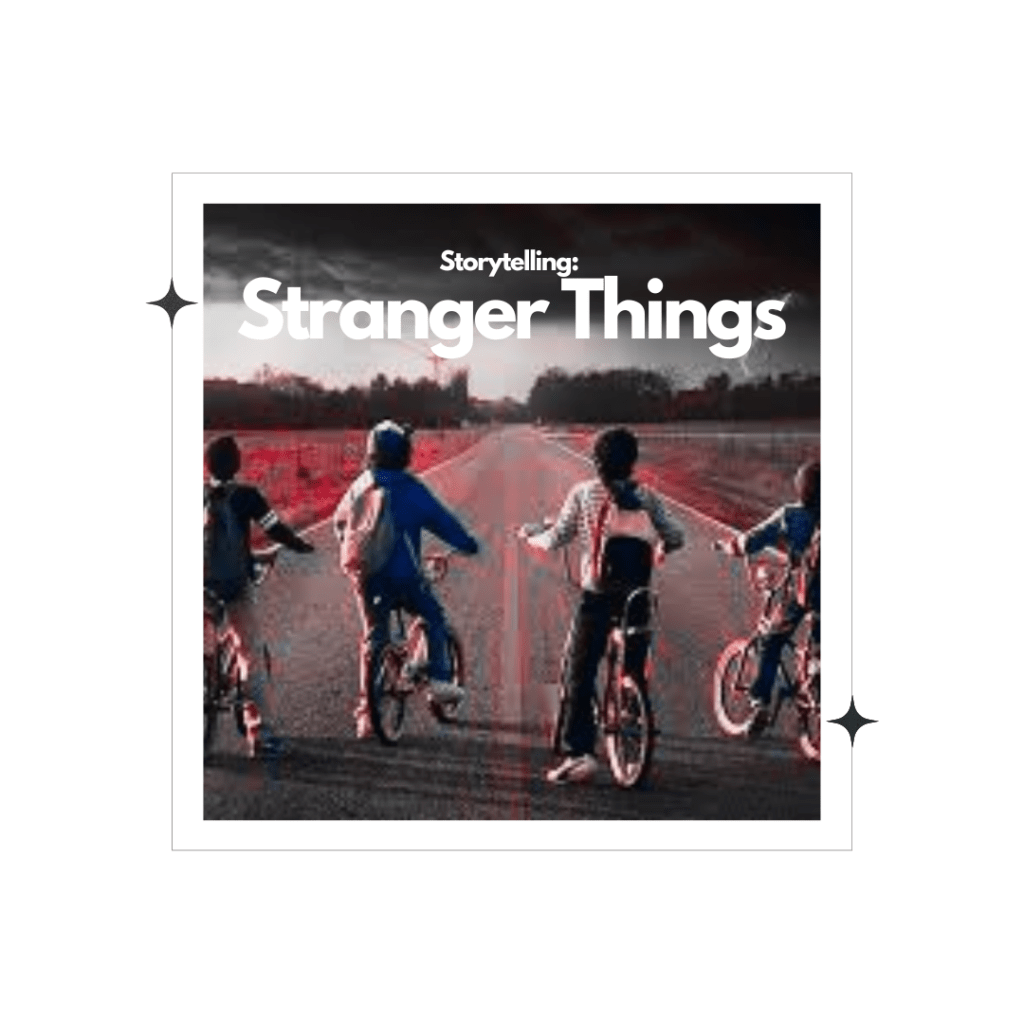
“Stranger Things” has been a massive hit worldwide, and it’s not hard to see why. Let’s break down the anatomy of a compelling story and see how “Stranger Things” excels in each category:
Hook: The show starts with a bang, as we see a young boy mysteriously disappear, which immediately grabs our attention and makes us want to know what happens next.
Characters: The show features a diverse cast of beautifully developed and relatable characters, including a group of misfit kids who are the heart of the story. We become invested in these characters and their relationships, which makes the show emotionally engaging.
Conflict: The conflict in “Stranger Things” is both external and internal, with the characters facing threats from both a mysterious supernatural force and their own personal demons. This creates tension and drama, again keeping us engaged and emotionally invested.
Plot: The plot of “Stranger Things” is a masterclass in storytelling, weaving together elements of sci-fi, horror, and coming-of-age drama in a way that keeps us gripped. The stakes are high, and the urgency to solve the mystery and save the characters is palpable.
Theme: “Stranger Things” explores themes of friendship, family, loyalty, and the struggle to find where we fit in the world – universal themes we can all relate to. These themes are woven into the story in an organic and meaningful way, creating a deeper emotional connection with the audience.
Setting: The setting of “Stranger Things” is a vividly realised world that combines the nostalgia of the 1980s with a sense of supernatural danger lurking just beneath the surface.
Style: The show’s style is consistent and appropriate to its genre and tone, with a mix of horror, sci-fi, and coming-of-age drama that makes it unique.
“Stranger Things” brilliantly excels in all the elements of great storytelling. It has a strong hook, well-developed characters, meaningful conflict, a captivating plot, resonant themes, a vivid setting, and a strong sense of style. These elements work together to create a show that has enthralled us all and made it a cult phenomenon.
The Last Kingdom
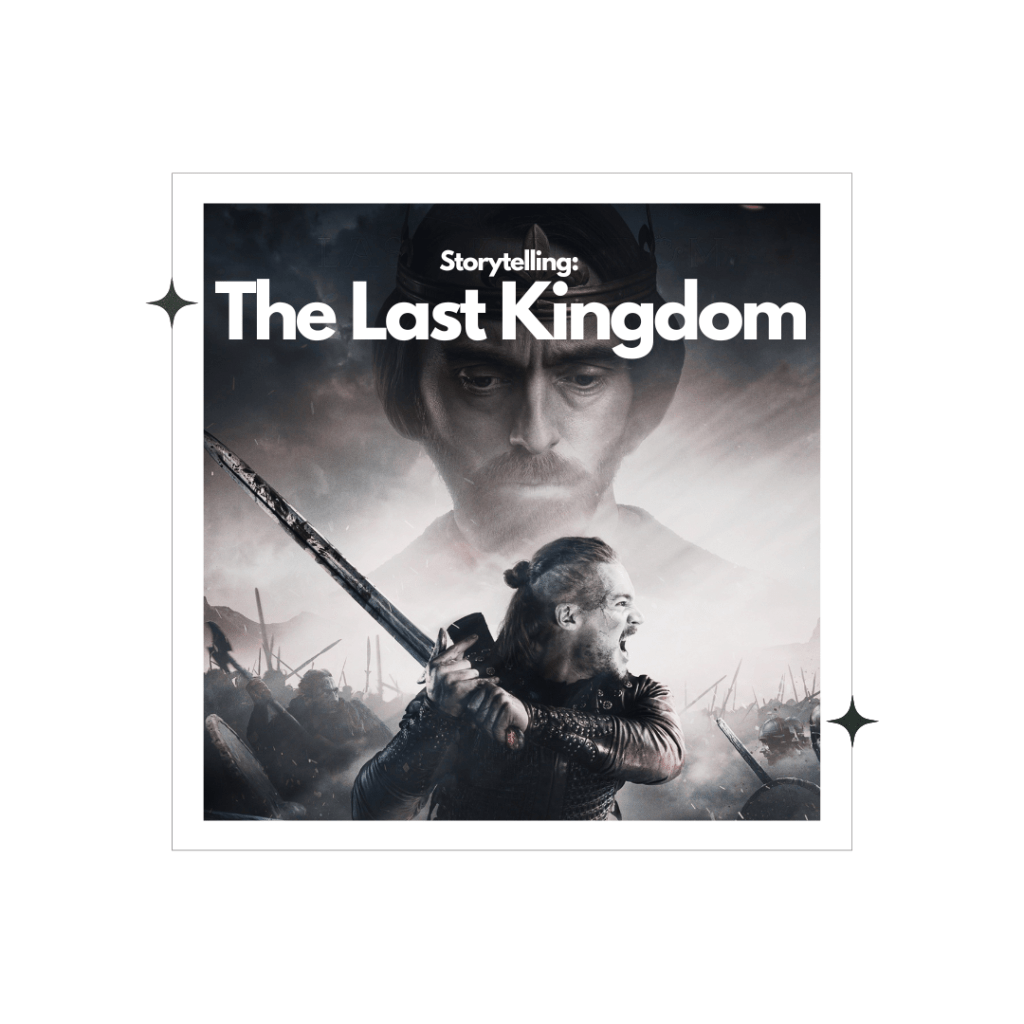
The epically brilliant “The Last Kingdom” is hugely popular for its immersive storytelling, which is no surprise as it’s based on Bernard Cornwell’s The Saxon Stories. With ‘Seven Kings Must Die’ just hitting Netflix, let’s break down the anatomy of a compelling story and see how “The Last Kingdom” conquers every category:
Hook: The show starts with a compelling hook, as we see a young Saxon boy taken captive by the Danes and raised as one of their own. We’re immediately drawn into this story which continues to underpin the entire series.
Characters: “The Last Kingdom” features a diverse cast of complex and beautifully crafted characters, including the main protagonist, Uhtred of Bebbanburg. Uhtred is a skilled warrior, cunning strategist, and charismatic leader, all of which make him a formidable force in battle. But he’s reckless, impulsive, and stubborn too, often getting himself and others into trouble.
Despite these flaws, Uhtred is a relatable character as he struggles to reconcile his identity and find a sense of belonging. The relationship he forms with the other characters in the show are essential to his character development. His loyalty to his friends and family is unwavering, but his trust is hard-earned, leading to some emotionally charged scenes.
Conflict: The show is full of meaningful conflict, with Uhtred torn between his Saxon roots and his loyalty to the Danes who raised him. The politics and struggle for power between the various factions adds to the tension and drama, keeping the audience engaged and emotionally invested.
Plot: The plot of “The Last Kingdom” is intricately weaves together elements of historical drama and pacy action-adventure with quieter beats where we can catch our breath.
Theme: “The Last Kingdom” explores themes of identity, loyalty, and the struggle for power. The story seamlessly incorporates these themes in a genuine and significant, resulting in a stronger emotional bond with the audience.
Setting: The attention to detail in the setting of the show, recreating the time period and its cultural touchstones, is impressive and adds to the overall immersive experience.
Performance: Alexander Dreymon as Uhtred is as compelling in quiet, introspective scenes as he is in dramatic, action-packed moments. His ability to convey emotion with a glance or a subtle change in expression makes his portrayal of Uhtred all the more impressive.
For me though, the standout performance comes from David Dawson as King Alfred. His performance is a masterclass in subtlety and nuance and the scene showing his last meeting with Uhtred is simply stunning.
So, The Last Kingdom has every box ticked, which is obviously why it continues to pull huge audiences. If you haven’t seen it yet, I highly recommend it!
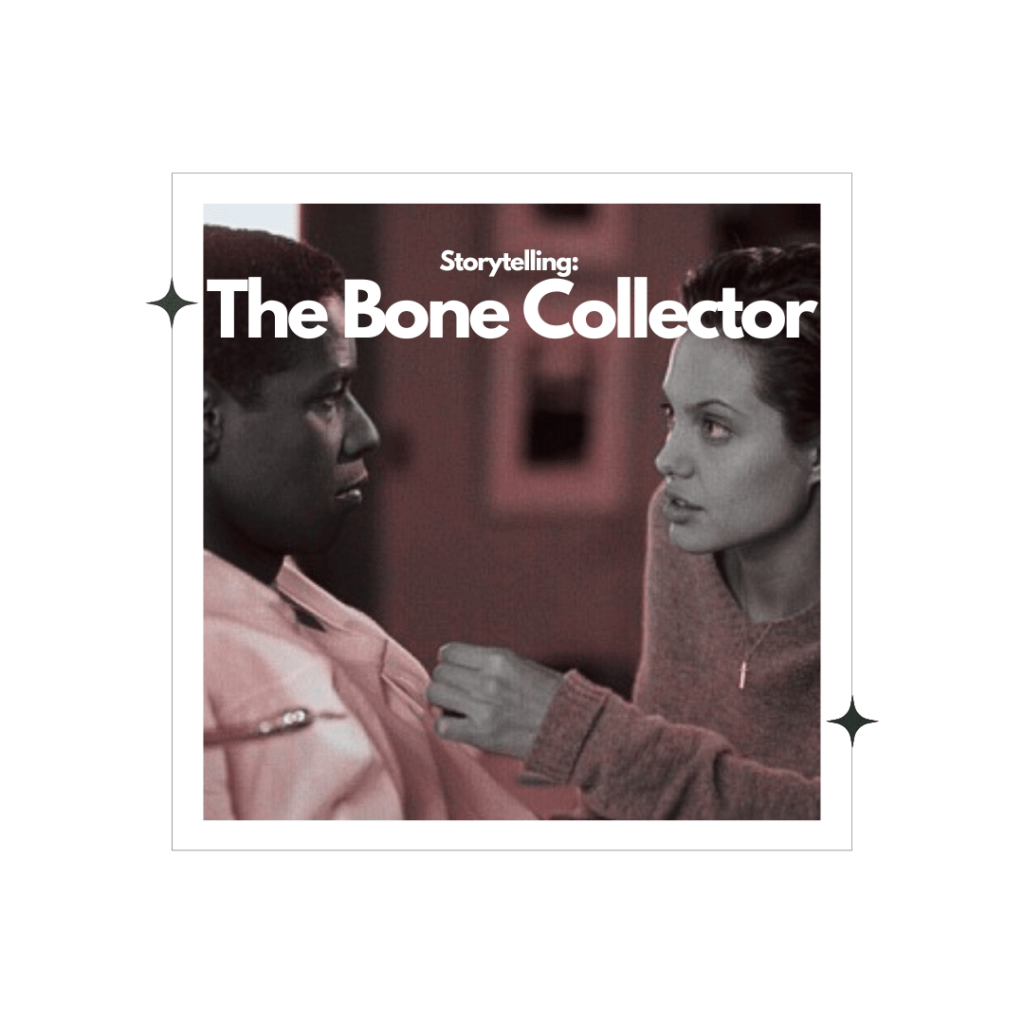
The Bone Collector
“The Bone Collector” by Jeffery Deaver is a crime thriller novel that follows the story of Lincoln Rhyme, a former NYPD forensic expert who is now a quadriplegic, and Amelia Sachs, a young patrol officer who discovers a victim of a serial killer. The novel follows the classic story anatomy of a crime thriller with a well-crafted plot, interesting characters, and twists and turns that keep the reader engaged.
Hook: The book starts with a high-stakes hook as a young patrol officer, Amelia Sachs, discovers a victim of a serial killer while on her beat in New York City. The victim’s body is grotesquely mutilated and this hook sets up the central mystery of the novel, immediately drawing the reader in.
Characters: The two main characters in the novel are Lincoln Rhyme and Amelia Sachs. Lincoln Rhyme is a former NYPD forensic expert who is now a quadriplegic, confined to his bed and able to move only his head and one finger. Despite his physical limitations, Rhyme is brilliant and his expertise is sought after by the police department. Amelia Sachs is a young patrol officer who discovers the first victim of the serial killer and becomes Rhyme’s eyes and ears on the ground as he helps her solve the case. The two characters are well-crafted and interesting, with their own unique personalities, strengths, and weaknesses.
Conflict: The central conflict in the novel is the hunt for the serial killer. The killer, known as “The Bone Collector,” is elusive and leaves behind few clues. Rhyme and Sachs must race against time to solve the case before he kills again. The tension is heightened by the fact that Rhyme is a quadriplegic and Sachs is often working alone, putting herself in danger.
Plot: The plot of the novel is tightly structured and keeps the reader engaged from start to finish. Deaver expertly weaves in twists and turns, keeping the reader guessing about the identity of the killer and the motivations behind the crimes. The pacing is excellent, alternating between moments of intense action and quieter scenes that allow the reader to catch their breath.
Theme: The novel explores themes of redemption, justice, and the consequences of one’s actions. The killer’s motivations are rooted in his own tragic past, and Rhyme and Sachs must grapple with their own demons as they try to stop him. The novel also examines the nature of obsession, both in the killer and in Rhyme himself, who is consumed by his work and his desire to catch the killer.
Setting: The setting of the novel is New York City and Deaver expertly captures the grittiness and energy of the city.
Writing style: Deaver’s writing style is fast-paced and engaging. He uses short chapters and cliffhangers to keep the reader hooked and delivers a satisfying conclusion that ties up all the loose ends.
Overall, “The Bone Collector” is a well-crafted crime thriller with a classic story anatomy that keeps the reader engaged from start to finish. With interesting characters, a tightly structured plot, and a well-crafted setting, it is easy to see why it has become a beloved classic of the genre.
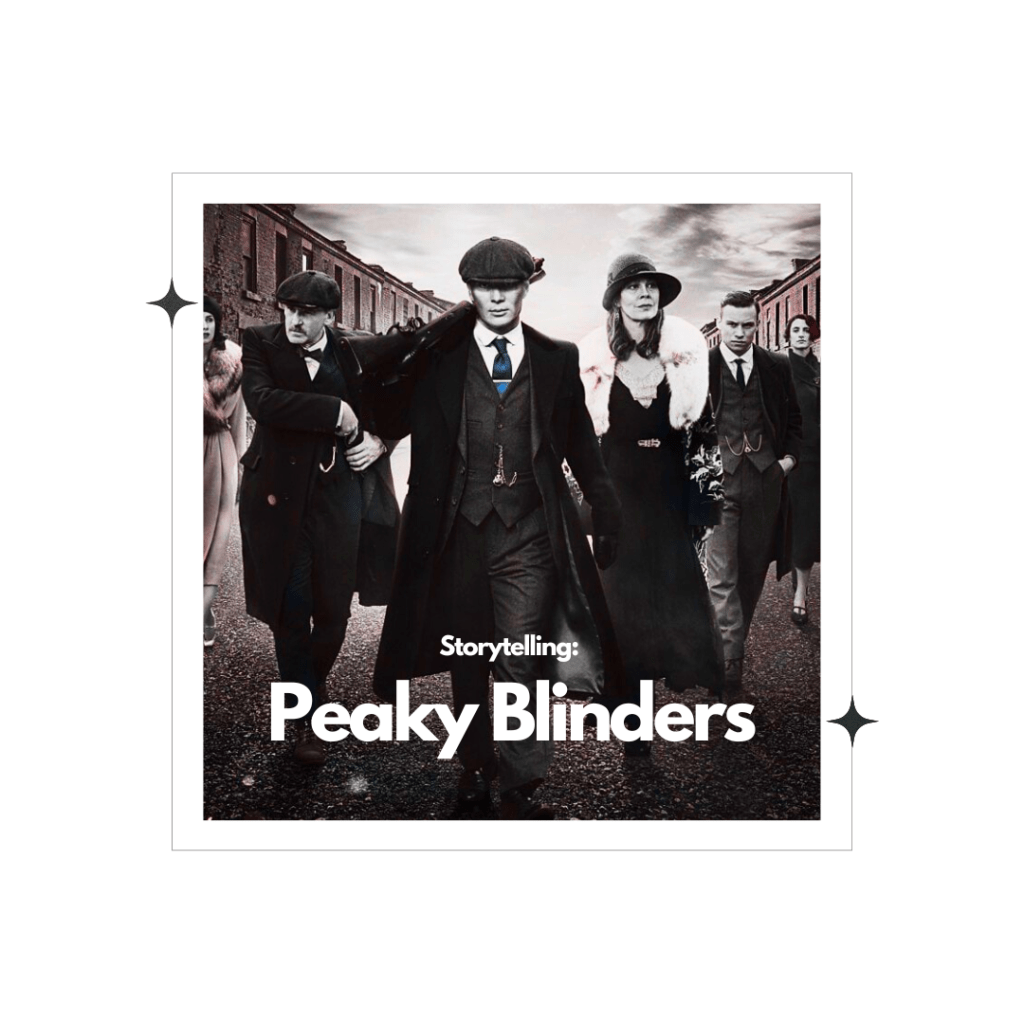
Peaky Blinders
“Peaky Blinders” has become a fan-favourite due to its immersive and gritty portrayal of the criminal underworld in post-WWI Birmingham. The period crime drama masters all the elements of great storytelling – here’s how.
It starts with a gripping hook that immediately captures the audience’s attention and creates a sense of danger and tension. We quickly become emotionally invested in the diverse cast of complex characters with multifaceted personalities, motivations, and backstories.
The show is full of conflict, with the Peaky Blinders battling for control of their territory and facing off against rival gangs and corrupt officials. The stakes are high, and the danger is ever-present, keeping us fully engaged and braced for more action.
The plot is intricately woven, with multiple storylines and subplots that contribute to the larger narrative arc.
“Peaky Blinders” explores themes of power, family, loyalty, and the impact of war on society. These themes are woven into the story in a natural and resonant way, creating a deeper emotional connection with the audience.
The setting of “Peaky Blinders” is a vividly captures the gritty reality of post-WWI Birmingham, creating a unique style which blends period drama, crime thriller, and character study. The use of edgy music and cinematic visual imagery adds to the show’s overall atmosphere.
“Peaky Blinders” is another compelling masterclass in great storytelling with an effortlessly brilliant performance from Killian Murphy as main protagonist Tommy Shelby.
It’s a must watch!
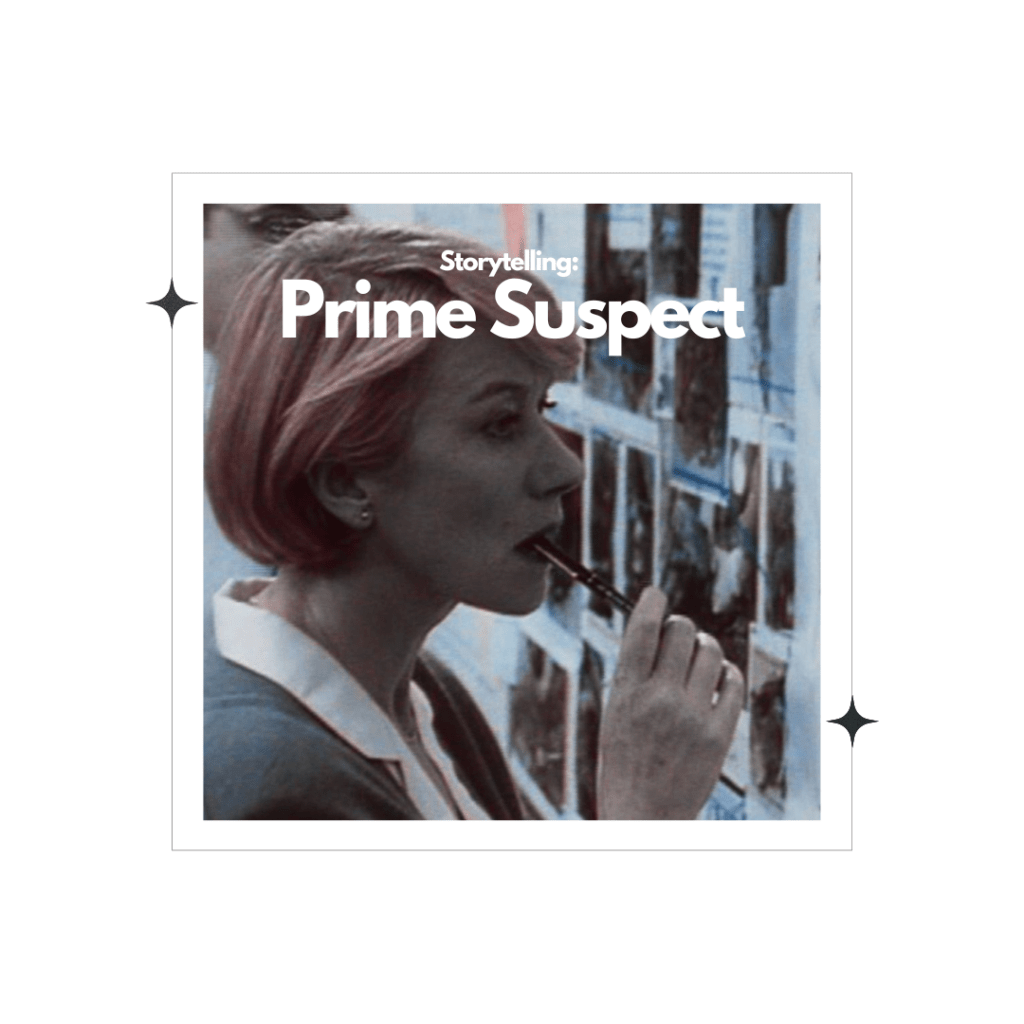
Prime Suspect
“Prime Suspect” is a crime drama television series that follows Detective Chief Inspector Jane Tennison as she navigates her male-dominated world while leading investigations into high-profile cases.
Hook: The series begins with the discovery of the murder of a young woman, which immediately grabs the audience’s attention and sets the stage for the rest of the season.
Characters: The main character, Jane Tennison, is a complex and flawed detective who faces sexism and hostility from her colleagues. She is determined to prove herself and is willing to take risks to solve cases. The supporting cast, including Tennison’s team and suspects in the investigations, are also well-developed and add depth to the story.
Conflict: The show is full of conflicts, both external and internal. Tennison must navigate the politics of the police department, deal with the pressures of high-profile cases, and confront her own personal demons. The investigations themselves are filled with twists and turns, keeping the audience engaged and guessing.
Plot: The plot is structured around the investigations, with each episode focusing on a new case or aspect of an ongoing investigation. The pacing is well-executed, with tense moments interspersed with quieter scenes that allow for character development.
Themes: The show explores themes of gender, power, corruption, and justice. The portrayal of sexism within the police department adds depth to the story and highlights the challenges faced by women in male-dominated professions.
Performance: Helen Mirren delivers a standout performance as Jane Tennison, bringing a mix of vulnerability and toughness to the role. The supporting cast also delivers strong performances, adding to the overall quality of the show.
“Prime Suspect” is a well-crafted crime drama that explores complex themes and features a strong lead performance from Helen Mirren.
Die Hard
Who doesn’t love ‘Die Hard’?! The iconic 1980s action film (is it a Christmas movie? – debate!) propelled Bruce Willis into action movie stardom and remains a favourite with audiences today.
Let’s have a look at the storytelling and how Die Hard reels us in.
Hook: The movie starts with a high-stakes hook as John McClane, a New York cop, arrives in Los Angeles to visit his estranged wife at her workplace, Nakatomi Plaza. The audience is immediately thrust into the action as a group of terrorists take over the building, trapping McClane inside.
Characters: The main character is a flawed but relatable hero. He’s a tough, wisecracking cop who’s also struggling with his personal life. The film’s villain, Hans Gruber, is a sophisticated and intelligent terrorist who provides a worthy opponent for McClane.
Conflict: The movie is full of action-packed conflict as McClane battles the terrorists and tries to save the hostages. The tension is heightened by the fact that McClane is alone and outmatched, and the stakes are raised as he races against time to save his wife and stop the terrorists from getting away with their plan.
Plot: The plot is tightly structured and keeps the audience engaged from start to finish. The film’s pacing is excellent, alternating between moments of intense action and quieter scenes that allow the audience to catch their breath. The story is also well-crafted, with several twists and turns that keep the audience guessing.
Theme: The film explores themes of heroism, sacrifice, and redemption. McClane is forced to confront his own shortcomings as a husband and a father while also saving the lives of strangers. The film’s theme of ordinary people rising to the occasion in times of crisis adds emotional depth to the story.
Setting: The setting of the movie, Nakatomi Plaza, is a character in its own right! The skyscraper’s towering height and luxury contrast sharply with the chaos and violence unfolding inside. The setting adds to the dramatic tension, creating a sense of claustrophobia and isolation.
Performance: Bruce Willis delivers a standout performance as John McClane, bringing a mix of humour, vulnerability, and toughness to the role. He is supported by a strong cast, including Alan Rickman as Hans Gruber, who brings delicious depth and nuance to the villainous role.
‘Die Hard’ has all the key components for great storytelling – action, pacing, relatable characters, and universal themes. It remains a beloved classic of the action genre and has influenced countless films that have followed in its footsteps.
Storytelling is an art form that has captivated readers for centuries. Whether you’re a writer seeking to craft compelling fiction, or a reader looking to dive into a great story, understanding the anatomy of a great story is essential. A great story is one that draws us in with immersive world-building, well-crafted plots, and memorable characters. It explores themes that resonate and leaves a lasting impression long after the final page has been turned. By mastering the art of storytelling and paying attention to the key elements that make up great stories, writers can create works of fiction that resonate with people on a deep level.
So, whether you’re a fan of mysteries, romance, science fiction, or any other genre, take a moment to appreciate the artistry of storytelling and the power of great stories to entertain, educate, and inspire.
Thanks for taking the time to read this post. If you found it informative and entertaining, please consider sharing it with your friends and followers on social media. And if you have any feedback or suggestions for future topics, I’d love to hear from you in the comments below. Don’t forget to subscribe for more content and updates, or pop over to my newsletter page for more crime stuff, direct to your inbox every month.
Crime fiction is a genre that has been popular for decades, captivating readers with thrilling tales of suspense, mystery, and intrigue. While human protagonists typically take centre stage in these stories, animals have also played a significant role in many works of crime fiction. From furry foes to sleuthing sidekicks, animals have been used in various ways to add depth and complexity to the genre.
Here’s an exploration of the use of animals in crime fiction, examining how they have been used to enhance storytelling, develop characters, and create unique and memorable narratives. So grab your magnifying glass and get ready to delve into the world of crime fiction and its four-legged (and feathered) accomplices!
Dogs
Let’s start with a classic: The “hound” in “The Hound of the Baskervilles”.
The “hound” is a central character and a crucial element of the novel’s plot, a legendary spectral dog that haunts the Baskerville family and is said to be responsible for the death of Sir Charles Baskerville.
The hound is used as a symbol of fear, superstition, and the supernatural, which plays an important role in creating the suspenseful and eerie atmosphere of the novel. The image of the hound is built up through descriptions of its terrifying appearance and the mysterious circumstances surrounding its supposed existence.
The hound also serves as a key plot device as the story progresses. Sherlock Holmes and Dr. Watson investigate the Baskerville family’s history and the curse of the hound, attempting to uncover the truth behind the supposed supernatural events. The hound is also used to create a sense of danger and tension in the novel’s climactic scenes. Its final appearance is a dramatic and frightening moment, providing a thrilling conclusion to the story.
The hound plays a vital role in “The Hound of the Baskervilles,” serving as a powerful symbol and a central plot device, contributing to the novel’s suspenseful and thrilling atmosphere.
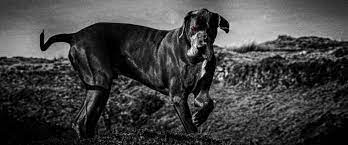
Slight digression: the “hound” used in the film was a great dane called Blitzen. As a former great dane owner it tickles me that a dane was used to depict the ultimate scary beast. They’re the softest creatures in dogland!
Fiction (left) versus reality (right). My big softie Strider.
There are many examples of trusty canine sidekicks in crime fiction including Tara in the Andy Carpenter series by David Rosenfelt – a golden retriever owned by lawyer Andy Carpenter, who assists him in his investigations. In the Chet and Bernie mystery series by Spencer Quinn, Chet is a dog and the sidekick of private investigator Bernie Little.
Sleeping Dog, written by Dick Lochte, is considered a ground-breaking crime fiction novel, and the credit goes to Groucho, the missing dog that serves as the main plot device. Groucho’s abduction prompts a 14-year old girl named Serendipity to seek out the help of private investigator Leo Bloodworth in finding her beloved pet. The thrilling escapade that follows has become a classic in the genre, earning accolades such as the Nero Wolf Award, and being a finalist for the Shamus, Anthony, and Edgar Awards. Additionally, it has also been listed as one of the Independent Mystery Booksellers Association’s 100 favourite mysteries of the century.
Although Artie Deemer is the main protagonist in Dallas Murphy’s crime fiction series, it’s Jellyroll who steals the spotlight. This Edgar Award-winning series has made Jellyroll one of the most recognisable dogs in crime fiction, and even prompted death threats directed at the celebrity dog in Don’t Explain. With appearances on the big screen, television, and dog food packaging, Jellyroll is more of a “Bankroll,” given that his earnings finance Artie’s escapades.
Cats
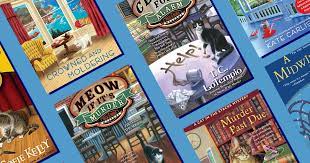
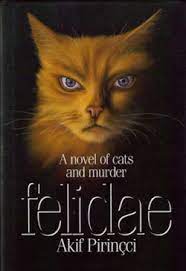
Cats are inherently inquisitive, cunning and stealthy which makes them purrfect (sorry, couldn’t resist) slinky sleuths, particularly in cosy mysteries. They’re fearless and sassy and not afraid to dip their claws into the most dastardly of dark deeds.
Feline fact finders can be found in these cosies:
Cat Chase the Moon, Shirley Rousseau Murphy. Furmidable Foes, Rita Mae Brown. Cat in an Alphabet Endgame, Carole Nelson Douglas. A Cat on the Case, Clea Simon. Purrfect Murder, Nic Saint. The No. 2 Feline Detective Agency, Mandy Morton.
One of the most common symbolic uses of cats is to represent a sense of mystery or enigma. This is often seen in the way that cats are depicted as independent, aloof creatures who are difficult to read or understand. In this way, cats can be seen as a metaphor for the elusive and mysterious nature of crime itself.
Another common symbolic use of cats in crime fiction is to represent danger or evil. This is often seen in the way that cats are depicted as predators, stalking their prey and striking with deadly precision. In some cases, cats are even portrayed as being in league with the criminal underworld, acting as accomplices to the villains of the story.
On the other hand, cats can also be used to symbolise wisdom and intuition. In some stories, cats are portrayed as being able to sense danger or evil before it becomes apparent to humans. They are also sometimes shown as being able to guide the protagonist towards the solution of a crime through their intuition and keen sense of observation.
Cats are often associated with the supernatural and the occult, due to their nocturnal nature and their connection to witches and magic. This has led to cats being portrayed as both good and evil in various works of literature and media.
Overall, the symbolism of cats varies depending on the culture and context in which they are portrayed. However, some common themes include mystery, independence, agility, femininity, grace, and the supernatural.
Birds
Birds are used in crime fiction to represent different themes, depending on the type of bird. Owls, for example, represent wisdom and insight, and are often used as a symbol of the detective’s intelligence and analytical skills.
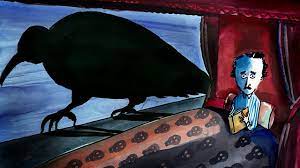
Crows and ravens, on the other hand, represent danger and foreboding, and are often used to create a sense of impending doom in the story. In Daphne du Maurier’s “Rebecca,” the sinister presence of crows and ravens around the Manderley estate creates a sense of foreboding and impending danger.
Horses
Horses have been used as a powerful symbol in literature, art, and mythology for centuries. The symbolism of horses can vary depending on the cultural context and the specific work of art or literature, but some common themes and interpretations include:
Strength and Power: Horses are often associated with strength, speed, and power. In many cultures, horses were used as a mode of transportation in warfare, and their strength and speed made them a valuable asset on the battlefield. In literature and art, horses are often depicted as powerful and majestic creatures, representing strength and endurance.
Freedom: Horses are also associated with freedom, as they are able to run and roam freely in open spaces. In literature and art, horses are often used as a symbol of freedom, representing the desire to break free from constraints and live a life of independence and adventure.
Spirituality and Mysticism: Horses represent spirituality and mysticism in some cultures. In Hindu mythology, for example, horses are associated with the sun and are seen as symbols of spiritual strength and power. In some Native American cultures, horses are seen as messengers between the physical world and the spiritual realm.
Loyalty and Friendship: Horses are also known for their loyalty and their close bond with their human companions. In literature and art, horses are often depicted as loyal and steadfast companions, representing the qualities of loyalty and friendship.
Death: In some cultures, horses are associated with death and the afterlife. In Norse mythology, for example, the god Odin was said to ride an eight-legged horse named Sleipnir that could carry him to the underworld. In some Native American cultures, horses were believed to carry the spirits of the dead to the afterlife.
In Dick Francis’s novel “Break In,” a horse trainer named Kit Fielding becomes involved in a series of crimes related to the racing industry. The novel features several scenes of horse racing and training, and the horses themselves play a key role in the plot.
Michael Connelly’s “The Black Echo,” also features horses when LAPD detective Harry Bosch investigates a murder that appears to be linked to a group of horse thieves. The novel features several scenes set in the world of horse racing, and the stolen horses play a key role in the plot.
Snakes
Snakes have been used as symbols in fiction to represent various ideas and concepts, including:
Evil or temptation: Snakes are often associated with the devil or other dark, malevolent forces in many cultures, and are used to represent temptation, corruption, and evil in literature.
Transformation and rebirth: In some cultures, snakes are seen as symbols of transformation and renewal, shedding their skin and emerging as a new, transformed being. This idea is often used in literature to represent personal growth or spiritual enlightenment.
Deception or trickery: Because snakes are often associated with cunning and stealth, they are also used in literature to represent deception or trickery. For example, in Shakespeare’s “Macbeth,” the witches who prophesy Macbeth’s rise to power compare him to a snake.
Danger and threat: Snakes are also seen as symbols of danger and threat, due to their venomous nature and reputation as predators. In literature, snakes are often used to create a sense of danger or foreboding, or to represent an ominous presence.
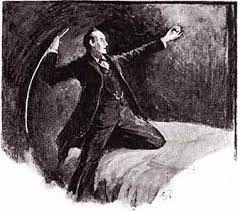
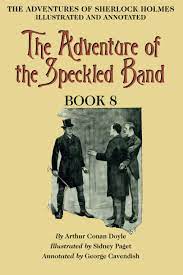
In Arthur Conan Doyle’s “The Adventure of the Speckled Band,” a speckled band is revealed to be a venomous snake that is used as a murder weapon. The snake is a key element in the mystery, and its deadly nature represents the danger that threatens the characters.
“The Speckled Band” is a classic locked-room mystery that deals with the themes of parental greed, inheritance and freedom. Tinged with Gothic elements, it is considered by many to be one of Doyle’s finest works, with the author himself calling it his best story.
Insects
Insects have been used as symbols in fiction to represent various ideas and concepts, including:
Transformation and metamorphosis: Insects, particularly butterflies and moths, are often used to represent the idea of transformation and metamorphosis.
Decay and death: Insects are also associated with decay and death, as they are often found around decomposing matter. In literature, insects are used to represent the inevitability of death and the transience of life.
Repulsion and disgust: Because insects are often seen as creepy, crawly, and repulsive, they are also used in literature to create a sense of revulsion and disgust. Insects can be used to represent the ugliness or darkness within characters, or to create an unsettling atmosphere.
Persistence and resilience: Insects are known for their persistence and resilience, and are often used in literature to represent these qualities.
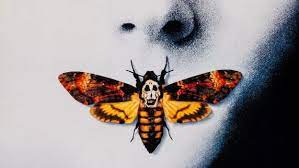
In Thomas Harris’s “The Silence of the Lambs,” the character of Jame Gumb, also known as “Buffalo Bill,” has a death’s head moth as a significant symbol.
The death’s head moth is a symbol of transformation and metamorphosis, as it goes through several stages of development before emerging as a fully-formed adult. In the novel, this symbol represents the transformation that Gumb seeks to achieve through his gruesome crimes, as he is attempting to create a “woman suit” to wear as a means of becoming someone else entirely.
The moth symbol in “The Silence of the Lambs” serves to underscore the theme of transformation and metamorphosis, and highlights the disturbing nature of Gumb’s obsession with changing his own identity.
In conclusion, animals have played a significant role in many works of crime fiction, adding depth and complexity to the genre. Dogs have been used as both fearsome foes and loyal sidekicks, contributing to the suspenseful atmosphere and aiding the protagonists in their investigations. Cats, on the other hand, have been portrayed as elusive and mysterious creatures, representing both danger and wisdom, and their connection to the supernatural adds an element of intrigue to many stories.
Animals have proven to be a valuable asset in enhancing storytelling, developing characters, and creating unique and memorable narratives in crime fiction.
Thanks for taking the time to read this post. If you found it informative and entertaining, please consider sharing it with your friends and followers on social media. And if you have any feedback or suggestions for future topics, I’d love to hear from you in the comments below. Don’t forget to subscribe for more content and updates, or pop over to my newsletter page for more crime stuff, direct to your inbox every month.






 Wendy Turner-Hargreaves