
Detectives and private investigators have long been associated with a distinctive fashion style, consisting of a trench coat and a fedora hat. This iconic look has become a staple of the crime fiction genre, and its popularity has endured for decades.
Here’s a closer look at the history of the trench coat and fedora in crime fiction and why this fashion legacy still exists today.
The trench coat
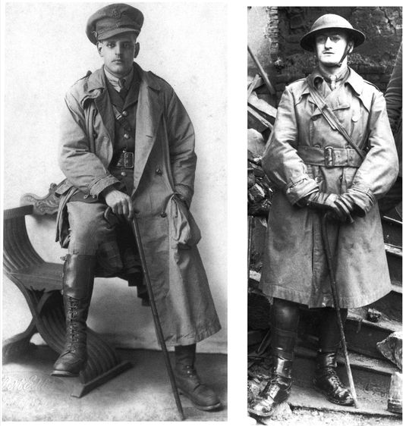
The trench coat has its roots in military fashion. It was originally developed as a practical garment for soldiers in the First World War, with a durable, water-resistant design that protected them from the elements.
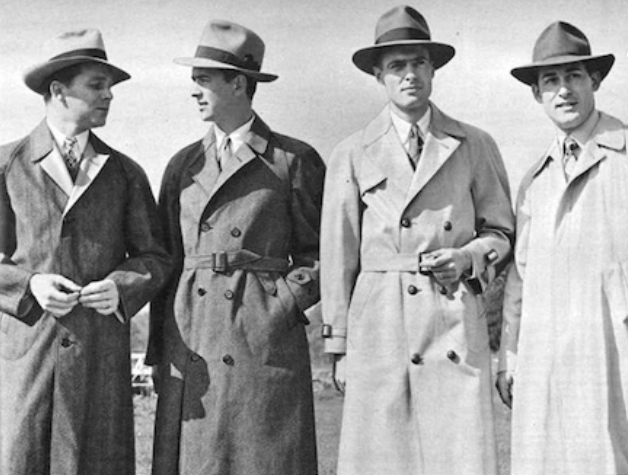
In the years that followed, the trench coat became popular as a stylish item of clothing for men. It was particularly popular in the film industry, where it was worn by actors such as Humphrey Bogart and Spencer Tracy in their roles as hard-boiled detectives and private investigators.
The trench coat has a rich history and has evolved over time to become the iconic garment we know today. Here are a few key milestones in the trench coat’s evolution:
- The trench coat was originally developed as a military garment during World War I. Its design was based on the traditional Mackintosh coat, but with modifications that made it more practical for soldiers in the trenches. These included shoulder straps for epaulettes, a gun flap on the chest, and a storm flap on the back to help shed rain.
- After the war, the trench coat became a popular civilian garment. It was particularly associated with the interwar period and the Art Deco era, and was worn by both men and women as a stylish and practical coat.
- During World War II, the trench coat once again became a military garment, worn by officers and soldiers in the field. It was often made in khaki or olive drab, and was used to protect soldiers from the elements.
- In the post-war period, the trench coat continued to be a popular civilian garment. It was worn by Hollywood stars and became a symbol of glamour and sophistication.
- In the 1960s and 70s, the trench coat was reinterpreted by fashion designers like Yves Saint Laurent and Burberry. It became a staple of the “mod” and “preppy” styles, and was often made in bright colours or bold patterns.
- In recent years, the trench coat has been embraced by high fashion once again. Designers have experimented with new fabrics, colours, and silhouettes, but the classic design elements of the trench coat – the double-breasted front, the belted waist, and the storm flap – remain timeless.
The fedora
The word “fedora” originally referred to a soft felt hat with a wide brim and a creased crown. The term is believed to have originated in the late 1800s and was named after a character in a French play called “Fedora,” which premiered in 1882.
The character, Princess Fedora, wore a hat with a soft brim and a creased crown, and the style of hat quickly became popular among fashionable women of the time. The term “fedora” eventually came to refer specifically to this style of hat, which was often made of felt and had a ribbon band around the base of the crown.
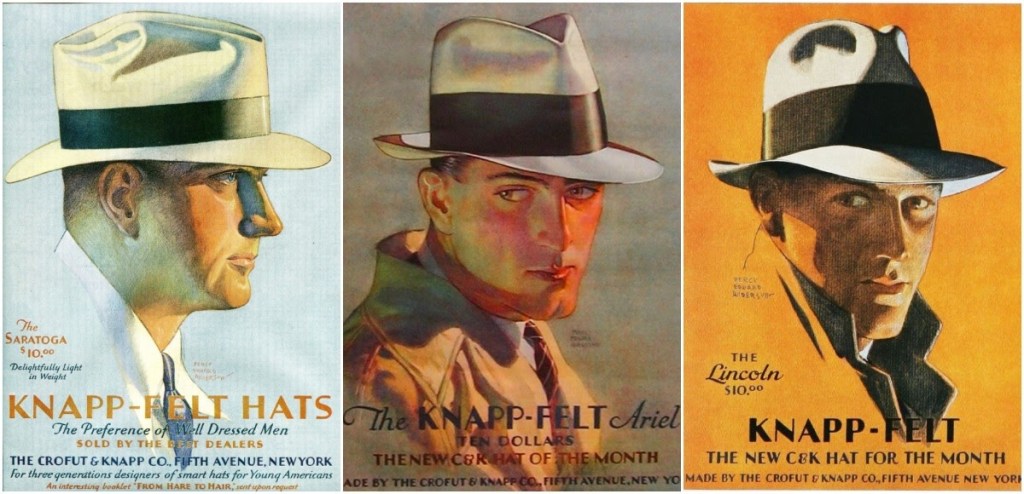
In the early 20th century, the fedora became popular with men as well, and was often worn with suits or overcoats as a stylish accessory. Today, the term “fedora” is still used to describe this classic style of hat, which remains a popular choice for both men and women who appreciate its timeless style and versatility.
In the 1920s and 1930s, the fedora became particularly associated with law enforcement officers. Police officers and detectives wore fedoras as part of their uniforms to shield their eyes from the sun and convey a sense of authority. This association with law enforcement gave the fedora a sense of rugged masculinity and toughness, which made it appealing to men of all backgrounds.
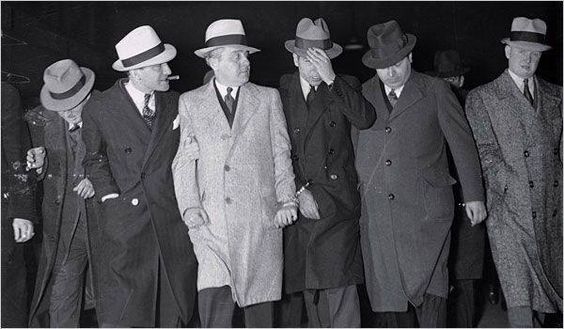
The fedora also became a popular accessory in Hollywood during this time. Many leading men of the era, including Humphrey Bogart, Cary Grant, and Clark Gable, were known for wearing fedoras both on and off the screen. Their influence helped to cement the fedora’s status as a symbol of classic masculine style.
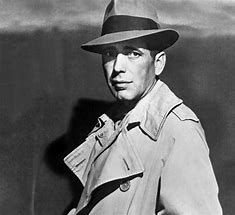
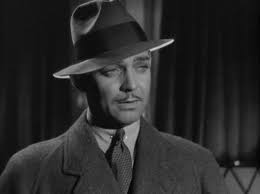
In the post-war period, the fedora continued to be a popular accessory for men. It was often worn with suits and overcoats as a way to complete a sharp, sophisticated look. However, as fashion trends shifted in the 1960s and 1970s, the fedora fell out of favour with many men. It was seen as old-fashioned and conservative, and was often associated with the establishment and the “squares.”
Despite this, the fedora has remained a classic style that is still worn by many men today and its popularity has infused into popular culture.
Can you name all of these iconic fedora wearers?
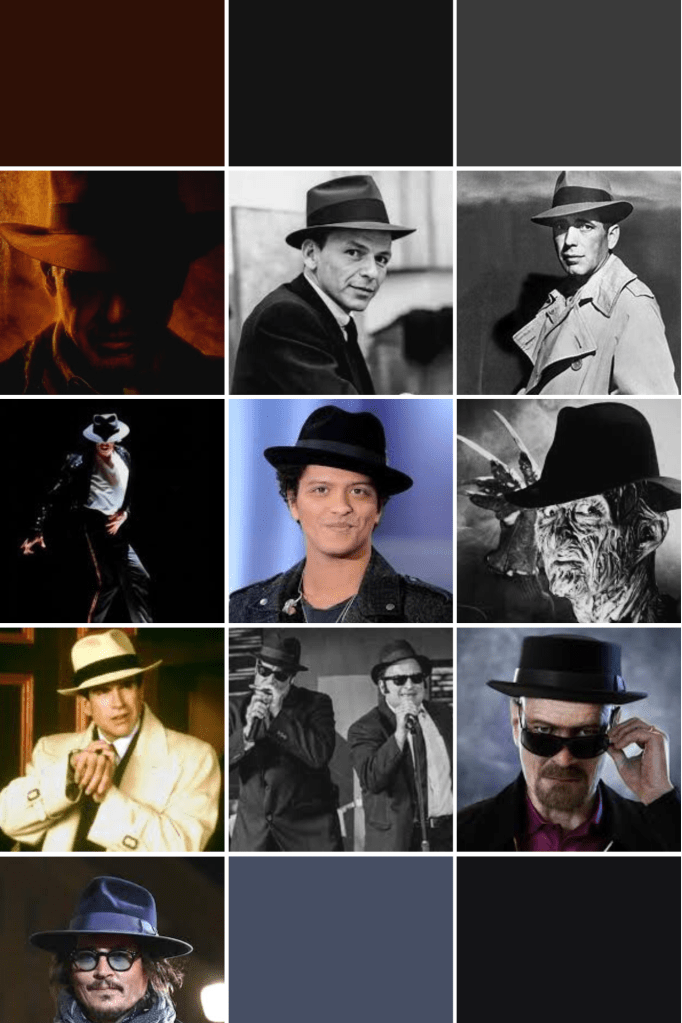
- Indiana Jones – Harrison Ford’s iconic character in the “Indiana Jones” film series is often seen wearing a fedora hat.
- Frank Sinatra – The legendary crooner and actor was known for his stylish fedoras and often wore them on and off stage.
- Humphrey Bogart – The classic Hollywood actor was often seen wearing a fedora in his films, including “Casablanca” and “The Maltese Falcon.”
- Michael Jackson – The late pop icon was known for his signature style, which often included a fedora hat.
- Bruno Mars – The Grammy-winning musician is known for his stylish fashion sense, which often includes a fedora.
- Freddy Krueger – The horror movie character from “A Nightmare on Elm Street” is known for his tattered fedora hat.
- Dick Tracy – The classic comic book detective is often depicted wearing a yellow trench coat and fedora hat.
- The Blues Brothers – John Belushi and Dan Aykroyd’s characters in the film “The Blues Brothers” wore fedoras as part of their signature look.
- Walter White – The main character in the TV series “Breaking Bad” often wore a pork pie fedora hat.
- Johnny Depp – The actor is often seen wearing a fedora in his films and in public appearances.
The trench coat and fedora combo
In the 1930s, the trench coat and fedora combination began to appear in the pulp magazines of the time, which were full of tough-guy detectives and spies. The trench coat provided cover for a concealed weapon, while the fedora shielded the face from view, creating an air of mystery and danger. This look was further popularised by Hollywood films of the 1940s and 1950s, which showcased detectives and private investigators wearing the trench coat and fedora as their signature outfit.
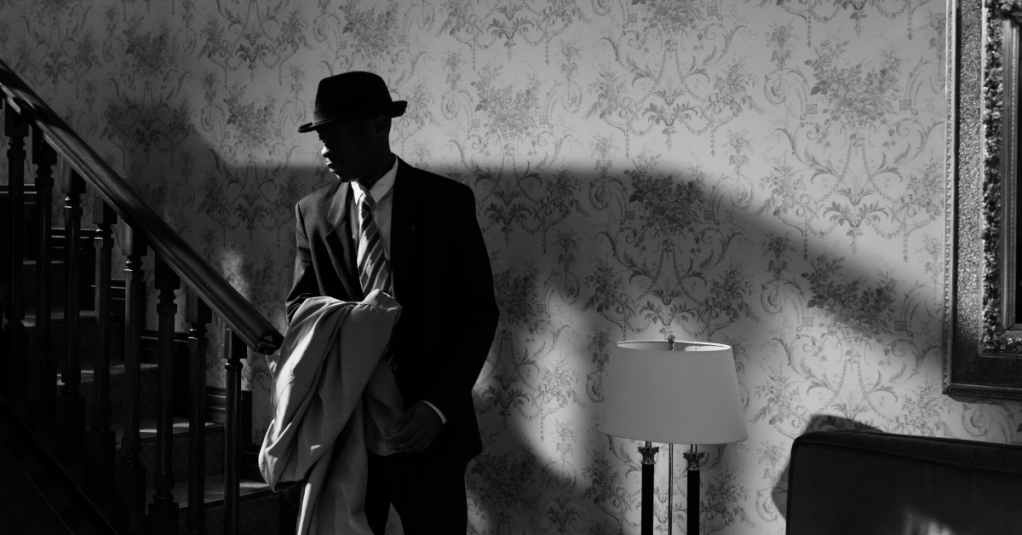
There are several reasons for the enduring popularity of the trench coat and fedora in crime fiction. For one thing, the look is both practical and stylish, with the trench coat providing warmth and protection from the rain, and the fedora adding a touch of sophistication. The outfit also conveys a sense of authority and power, suggesting that the person wearing it is someone to be reckoned with.
But perhaps the most important reason for the trench coat and fedora’s continued popularity is their association with the detective genre. The trench coat and fedora have become a visual shorthand for the hard-boiled detective, evoking a sense of mystery, danger, and intrigue. They are instantly recognisable as symbols of the crime fiction genre, and they continue to be used in films, TV shows, and novels to this day.
So, the trench coat and fedora have become an enduring fashion legacy in crime fiction. Their popularity can be traced back to their practicality, style, and association with the detective genre. Although fashion trends may come and go, the trench coat and fedora will always remain a symbol of the hard-boiled detective and the world of crime fiction.
Thanks for taking the time to read this post. If you found it informative and entertaining, please consider sharing it with your friends and followers on social media. And if you have any feedback or suggestions for future topics, I’d love to hear from you in the comments below. Don’t forget to subscribe for more content and updates, or pop over to my newsletter page for more crime stuff, direct to your inbox every month.
See you soon.

Wendy
 Wendy Turner-Hargreaves