The Trench Coat and Fedora: A Fashion Legacy in Crime Fiction

Detectives and private investigators have long been associated with a distinctive fashion style, consisting of a trench coat and a fedora hat. This iconic look has become a staple of the crime fiction genre, and its popularity has endured for decades.

Here’s a closer look at the history of the trench coat and fedora in crime fiction and why this fashion legacy still exists today.

The trench coat

The trench coat has its roots in military fashion. It was originally developed as a practical garment for soldiers in the First World War, with a durable, water-resistant design that protected them from the elements.
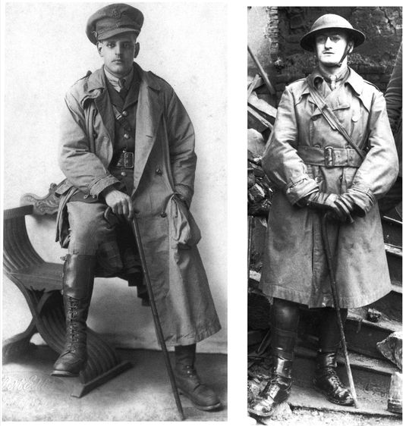
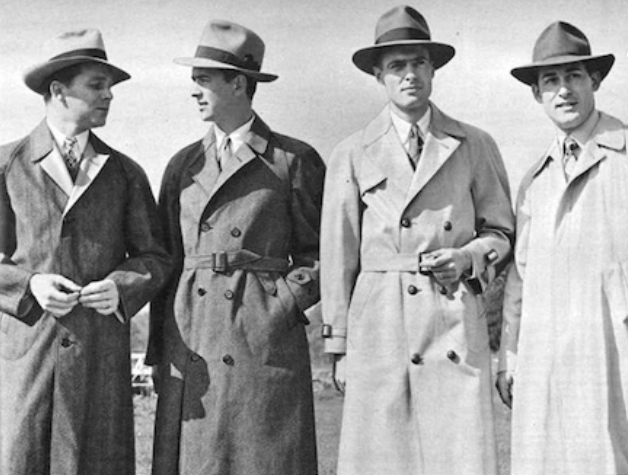
In the years that followed, the trench coat became popular as a stylish item of clothing for men. It was particularly popular in the film industry, where it was worn by actors such as Humphrey Bogart and Spencer Tracy in their roles as hard-boiled detectives and private investigators.

The trench coat has a rich history and has evolved over time to become the iconic garment we know today. Here are a few key milestones in the trench coat’s evolution:

  • The trench coat was originally developed as a military garment during World War I. Its design was based on the traditional Mackintosh coat, but with modifications that made it more practical for soldiers in the trenches. These included shoulder straps for epaulettes, a gun flap on the chest, and a storm flap on the back to help shed rain.
  • After the war, the trench coat became a popular civilian garment. It was particularly associated with the interwar period and the Art Deco era, and was worn by both men and women as a stylish and practical coat.
  • During World War II, the trench coat once again became a military garment, worn by officers and soldiers in the field. It was often made in khaki or olive drab, and was used to protect soldiers from the elements.
  • In the post-war period, the trench coat continued to be a popular civilian garment. It was worn by Hollywood stars and became a symbol of glamour and sophistication.
  • In the 1960s and 70s, the trench coat was reinterpreted by fashion designers like Yves Saint Laurent and Burberry. It became a staple of the “mod” and “preppy” styles, and was often made in bright colours or bold patterns.
  • In recent years, the trench coat has been embraced by high fashion once again. Designers have experimented with new fabrics, colours, and silhouettes, but the classic design elements of the trench coat – the double-breasted front, the belted waist, and the storm flap – remain timeless.

The fedora

The word “fedora” originally referred to a soft felt hat with a wide brim and a creased crown. The term is believed to have originated in the late 1800s and was named after a character in a French play called “Fedora,” which premiered in 1882.

The character, Princess Fedora, wore a hat with a soft brim and a creased crown, and the style of hat quickly became popular among fashionable women of the time. The term “fedora” eventually came to refer specifically to this style of hat, which was often made of felt and had a ribbon band around the base of the crown.
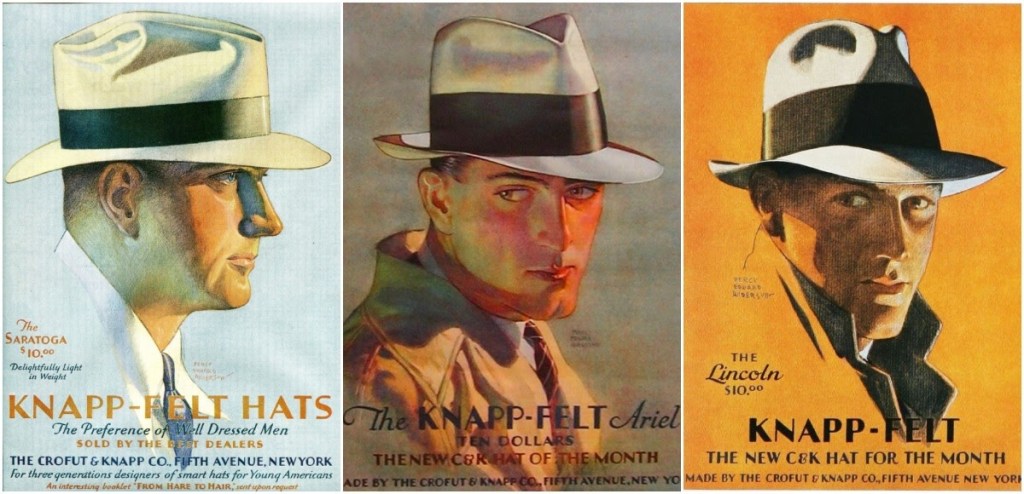
In the early 20th century, the fedora became popular with men as well, and was often worn with suits or overcoats as a stylish accessory. Today, the term “fedora” is still used to describe this classic style of hat, which remains a popular choice for both men and women who appreciate its timeless style and versatility.

In the 1920s and 1930s, the fedora became particularly associated with law enforcement officers. Police officers and detectives wore fedoras as part of their uniforms to shield their eyes from the sun and convey a sense of authority. This association with law enforcement gave the fedora a sense of rugged masculinity and toughness, which made it appealing to men of all backgrounds.
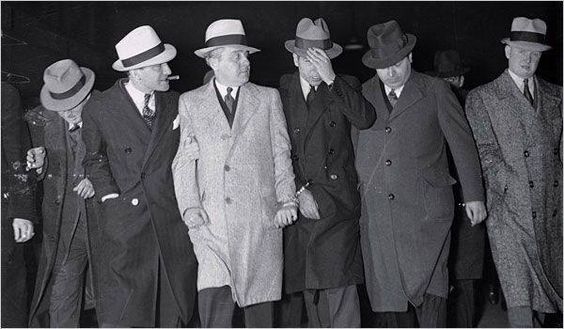
The fedora also became a popular accessory in Hollywood during this time. Many leading men of the era, including Humphrey Bogart, Cary Grant, and Clark Gable, were known for wearing fedoras both on and off the screen. Their influence helped to cement the fedora’s status as a symbol of classic masculine style.
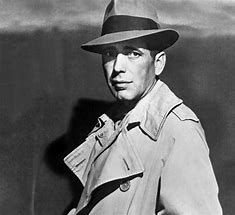
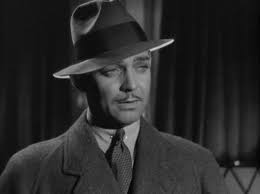
In the post-war period, the fedora continued to be a popular accessory for men. It was often worn with suits and overcoats as a way to complete a sharp, sophisticated look. However, as fashion trends shifted in the 1960s and 1970s, the fedora fell out of favour with many men. It was seen as old-fashioned and conservative, and was often associated with the establishment and the “squares.”

Despite this, the fedora has remained a classic style that is still worn by many men today and its popularity has infused into popular culture.

Can you name all of these iconic fedora wearers?
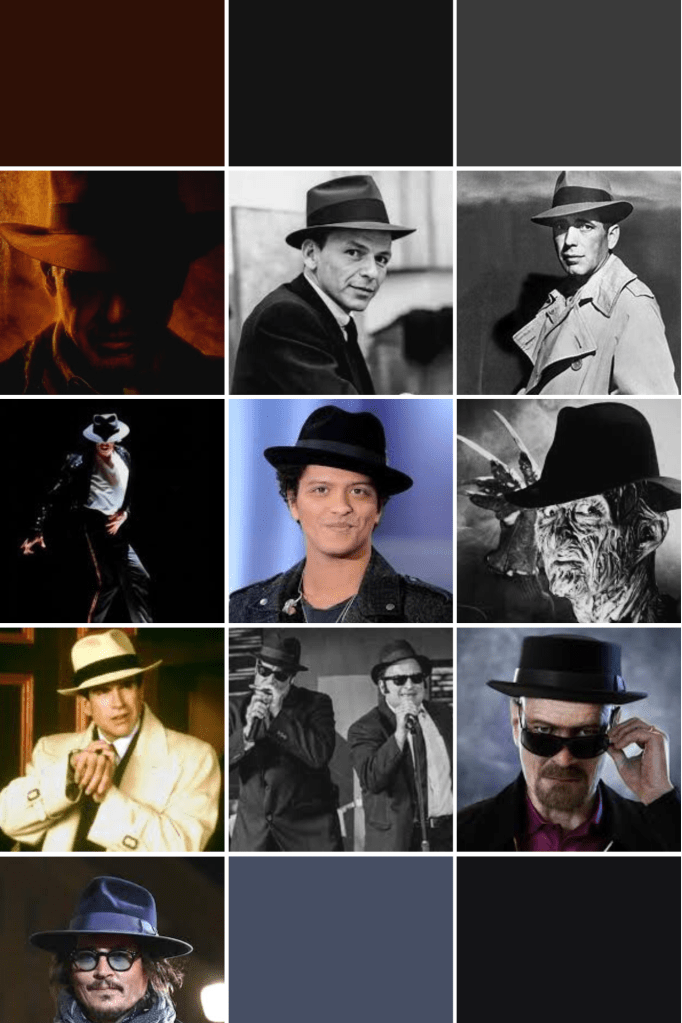
  1. Indiana Jones – Harrison Ford’s iconic character in the “Indiana Jones” film series is often seen wearing a fedora hat.
  2. Frank Sinatra – The legendary crooner and actor was known for his stylish fedoras and often wore them on and off stage.
  3. Humphrey Bogart – The classic Hollywood actor was often seen wearing a fedora in his films, including “Casablanca” and “The Maltese Falcon.”
  4. Michael Jackson – The late pop icon was known for his signature style, which often included a fedora hat.
  5. Bruno Mars – The Grammy-winning musician is known for his stylish fashion sense, which often includes a fedora.
  6. Freddy Krueger – The horror movie character from “A Nightmare on Elm Street” is known for his tattered fedora hat.
  7. Dick Tracy – The classic comic book detective is often depicted wearing a yellow trench coat and fedora hat.
  8. The Blues Brothers – John Belushi and Dan Aykroyd’s characters in the film “The Blues Brothers” wore fedoras as part of their signature look.
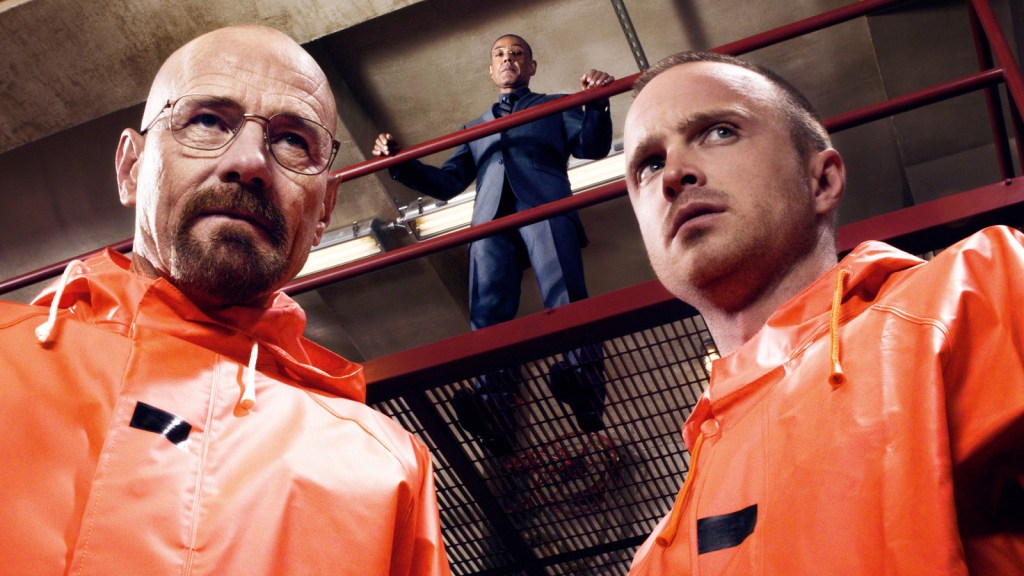
  9. Walter White – The main character in the TV series “Breaking Bad” often wore a pork pie fedora hat.
  10. Johnny Depp – The actor is often seen wearing a fedora in his films and in public appearances.

The trench coat and fedora combo

In the 1930s, the trench coat and fedora combination began to appear in the pulp magazines of the time, which were full of tough-guy detectives and spies. The trench coat provided cover for a concealed weapon, while the fedora shielded the face from view, creating an air of mystery and danger. This look was further popularised by Hollywood films of the 1940s and 1950s, which showcased detectives and private investigators wearing the trench coat and fedora as their signature outfit.
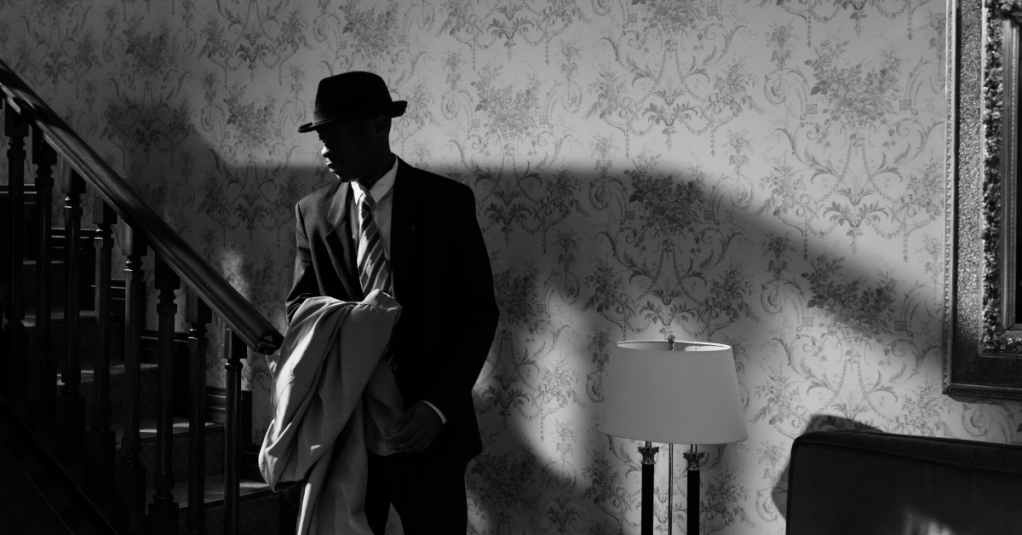
There are several reasons for the enduring popularity of the trench coat and fedora in crime fiction. For one thing, the look is both practical and stylish, with the trench coat providing warmth and protection from the rain, and the fedora adding a touch of sophistication. The outfit also conveys a sense of authority and power, suggesting that the person wearing it is someone to be reckoned with.

But perhaps the most important reason for the trench coat and fedora’s continued popularity is their association with the detective genre. The trench coat and fedora have become a visual shorthand for the hard-boiled detective, evoking a sense of mystery, danger, and intrigue. They are instantly recognisable as symbols of the crime fiction genre, and they continue to be used in films, TV shows, and novels to this day.

So, the trench coat and fedora have become an enduring fashion legacy in crime fiction. Their popularity can be traced back to their practicality, style, and association with the detective genre. Although fashion trends may come and go, the trench coat and fedora will always remain a symbol of the hard-boiled detective and the world of crime fiction.


Thanks for taking the time to read this post. If you found it informative and entertaining, please consider sharing it with your friends and followers on social media. And if you have any feedback or suggestions for future topics, I’d love to hear from you in the comments below. Don’t forget to subscribe for more content and updates, or pop over to my newsletter page for more crime stuff, direct to your inbox every month.

See you soon.

Wendy
From Femme Fatales to Sleuths: Tracing the History of Women in Crime Fiction

When it comes to crime fiction, strong female characters are often at the forefront of the action. They bring a unique perspective to the genre, one that challenges traditional gender stereotypes and offers a refreshing alternative to the usual male-dominated narrative. These characters are smart, resourceful, and never back down from a challenge, no matter how daunting it may seem.

Crime fiction has long been a popular genre, capturing the attention of readers with its gripping plots and suspenseful twists. And while the genre is often associated with male detectives and hard-boiled protagonists, women have been an integral part of crime fiction from its earliest days.

From the classic femme fatales of the 1940s to the modern-day sleuths, here’s a brief history of women in crime fiction.

The Femme Fatale Era

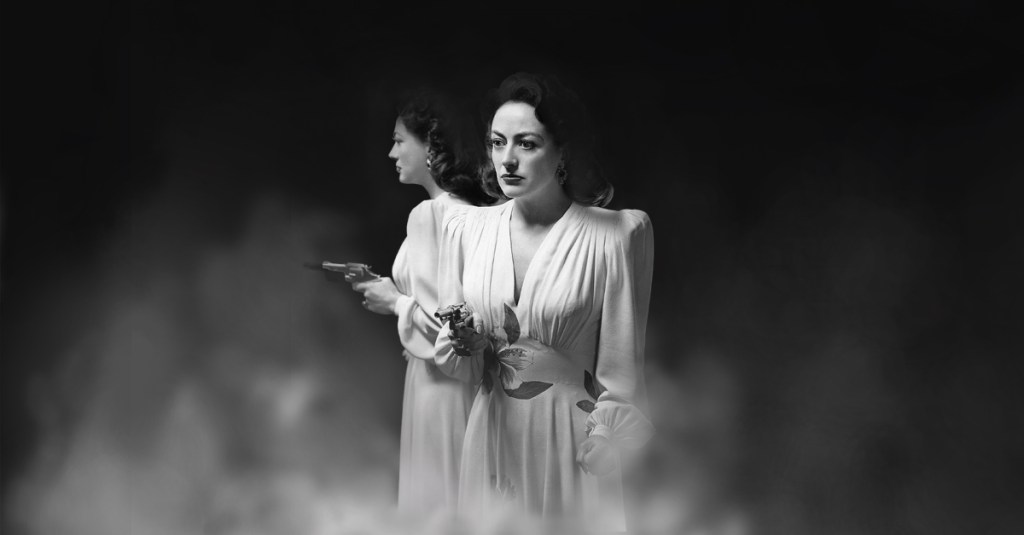
The femme fatale era of crime fiction emerged during the 1940s, a time of great social upheaval. World War II was raging overseas, and at home, women were entering the workforce in large numbers to support the war effort. This led to a shift in traditional gender roles and challenged the notion of women as passive and submissive.

In the world of crime fiction, this changing social landscape was reflected in the portrayal of women as complex and multi-dimensional characters. The femme fatale archetype emerged as a response to the shifting power dynamics between men and women.

Femme fatales were often depicted as beautiful and alluring, using their sexuality and charm to manipulate men into doing their bidding. They were smart and cunning, often outwitting the male detectives who sought to bring them to justice.

But while femme fatales were powerful and independent, they were also deeply flawed characters. They were often motivated by greed or revenge, and their actions often had dire consequences for themselves and the men who fell under their spell.

One of the key themes of the femme fatale era was the idea of female agency. Femme fatales were not passive victims or objects of desire, but active participants in their own lives. They challenged traditional notions of femininity and defied the expectations placed upon them by society.

At the same time, however, the portrayal of femme fatales was often problematic. They were frequently depicted as immoral or evil, reinforcing negative stereotypes about women and their sexuality. In many cases, they were punished for their transgressions, either through death or imprisonment.

Despite these limitations, the femme fatale era marked an important milestone in the history of women in crime fiction. It paved the way for future generations of strong and complex female characters, who would challenge gender stereotypes and redefine the genre in their own image.

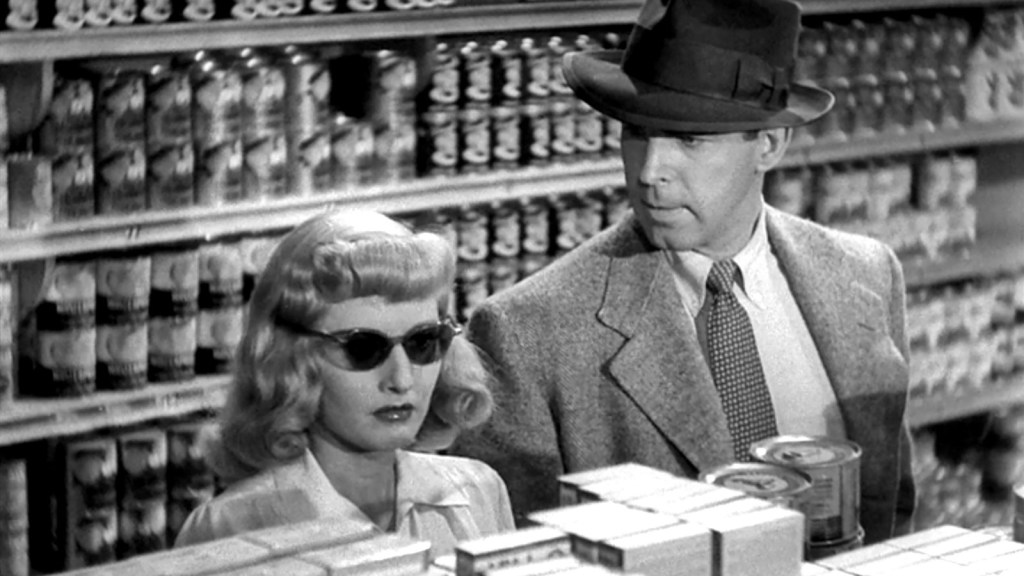
One of the most iconic examples of the femme fatale is Phyllis Dietrichson from James M. Cain’s “Double Indemnity.” The novel was adapted into a classic film noir in 1944, with Barbara Stanwyck portraying Phyllis as a scheming housewife who conspires with insurance salesman Walter Neff to murder her husband. Other notable femme fatales from this era include Brigid O’Shaughnessy from Dashiell Hammett’s “The Maltese Falcon” and Kathie Moffat from “Out of the Past” by Daniel Mainwaring.

The Rise of Female Sleuths

As the years went on, the portrayal of women in crime fiction began to shift. Instead of being relegated to supporting roles or being portrayed as dangerous seductresses, women began to take centre stage as detectives and sleuths. The 1970s saw the rise of female private investigators like Sue Grafton’s Kinsey Millhone and Sara Paretsky’s V.I. Warshawski, who broke down gender barriers in the genre and proved that women could be just as tough and capable as their male counterparts.

In the 1990s, the popularity of cosy mysteries soared, and female protagonists became even more prevalent. These books often featured amateur detectives or small-town sleuths, and their heroines were typically smart, resourceful women who used their wits to solve crimes. Series like “The Cat Who…” by Lilian Jackson Braun and the “Miss Marple” novels by Agatha Christie paved the way for a new generation of cosy mysteries, and female authors like Janet Evanovich and Charlaine Harris became household names with their bestselling series.

Modern-Day Heroines

Today, female protagonists are more prevalent than ever in crime fiction. They come in all shapes and sizes, from hard-edged detectives to amateur sleuths to forensic experts. These heroines are strong, complex characters who challenge readers’ expectations.

One of the most popular modern-day heroines is Lisbeth Salander from Stieg Larsson’s “Millennium” series. Lisbeth is a brilliant hacker with a troubled past who becomes entangled in a web of corruption and violence. She’s a survivor and a fighter, and her unapologetic approach to life has made her an icon of feminist crime fiction.

Another popular series featuring a female detective is Tana French’s “Dublin Murder Squad” novels. French’s protagonists are complex and flawed, and their investigations often bring them face-to-face with their own personal demons. In “In the Woods,” for example, detective Cassie Maddox is forced to confront her past when she investigates the murder of a young girl who bears a striking resemblance to her.

The history of women in crime fiction is a long and fascinating one. From the femme fatales of the 1940s to the female sleuths of the 1970s and beyond , women have been an integral part of the genre, both as characters and as authors. Over the years, the portrayal of women in crime fiction has evolved, reflecting changing attitudes towards gender roles and female empowerment.

Today, readers of crime fiction have a wealth of strong female characters to choose from, each with their own unique personality and approach to solving crimes. Whether they’re hard-edged detectives, quirky amateur sleuths, or brilliant forensic experts, these heroines are a testament to the power and resilience of women in the face of danger and adversity.

Not just the main event – secondary characters

In crime novels, strong female characters can take on a variety of roles. They can be detectives, witnesses, victims, or even villains. Regardless of their position in the story, these women are multi-dimensional and powerful. They’re not just sidekicks or love interests – they’re the driving force behind the narrative.

Although there are some notable female detectives in crime fiction, there are other, secondary characters who have just as much impact on the storyline and plot:

Three stand out for me:

•            Lucy Farinelli from “The Scarpetta Factor” by Patricia Cornwell – Lucy is a forensic investigator who works alongside the main protagonist, Dr. Kay Scarpetta. She is highly skilled in her field and provides invaluable insights and support to Scarpetta throughout the investigation.

•            Annie Cabbot from “In a Dry Season” by Peter Robinson – Annie is a police detective who works alongside the main protagonist, Detective Inspector Alan Banks, to solve a decades-old murder case. She is intelligent, resourceful, and not afraid to challenge Banks when she disagrees with his methods.

•            Dr. Maura Isles from “The Surgeon” by Tess Gerritsen – Dr. Isles is a medical examiner who works alongside the main protagonist, Detective Jane Rizzoli, to solve a series of gruesome murders. She is highly skilled in her field and provides valuable insights into the victims’ injuries and cause of death.

I would also add Lisbeth Salander from “The Girl with the Dragon Tattoo” by Stieg Larsson (again!) and Katrin Siska from “The Man Who Watched Women” by Michael Hjorth and Hans Rosenfeldt.

These characters are all strong, complex, and multi-dimensional, and they play important roles in their respective stories, proving that women can be just as capable and intelligent as men in the world of crime fiction.

In a genre that is often dominated by male characters, these women provide a much-needed balance. They prove that strength and intelligence are not exclusive to men and that women can be just as capable in high-pressure situations.

The power of vulnerability

The vulnerability of strong female characters is what truly sets them apart in crime fiction. While they may be incredibly capable and intelligent, they are not invincible, and they are not perfect. They are flawed, they make mistakes, and they struggle with their own inner demons, just like any other human being.

It’s this vulnerability that makes these characters so relatable to readers. We see ourselves in their struggles and their triumphs. We understand what it’s like to face obstacles and challenges, and we root for these characters to succeed, even when the odds are stacked against them.

But this vulnerability is not just a plot device – it’s a reflection of the reality that many women face in their everyday lives. Women are often subjected to societal pressures and expectations that can be overwhelming and daunting. They are expected to be perfect, to have it all together, and to never show weakness or vulnerability. But this is an unrealistic and unhealthy standard to live up to.

In crime fiction, strong female characters provide a refreshing alternative to this unrealistic expectation. They show us that it’s okay to be vulnerable, to have flaws, and to struggle. They show us that it’s possible to be strong and capable while also being human and imperfect.

These characters serve as role models for young girls, showing them that they can be anything they want to be, regardless of their gender. They offer a sense of empowerment and inspiration, reminding us that women are capable of achieving greatness and breaking down barriers.

Who are my favourites?

If I have to choose, there are two standout characters for me, both sassy and inspirational women and beautifully written.

Jane Rizzoli – Tess Gerritsen

Detective Chief Inspector Jane Rizzoli is a complex and dynamic character in Tess Gerritsen’s crime fiction novel “The Surgeon.” As the main detective of the story, she is highly competent and driven, but also flawed and vulnerable.

Rizzoli is a tough and determined investigator who takes charge of the case involving a serial killer who has been terrorizing the city. She is respected by her colleagues and superiors for her intelligence, attention to detail, and ability to think outside the box. She is also highly dedicated to her job, often putting in long hours and sacrificing her personal life for the sake of the investigation.

However, Rizzoli also has a darker side. She has a strained relationship with her family, particularly her mother, who disapproves of her career and often belittles her. Rizzoli also has a tendency to push people away and isolate herself, which can make it difficult for her to form close relationships or trust others.

Throughout the novel, Rizzoli struggles to balance her personal and professional life while also dealing with the trauma of her own past, which is connected to the case she is investigating. Her weaknesses and faults make her a relatable and human character, and her determination and strength make her a powerful force in the story.

Overall, Detective Chief Inspector Jane Rizzoli is a well-rounded and compelling character who adds depth and complexity to the crime fiction genre.

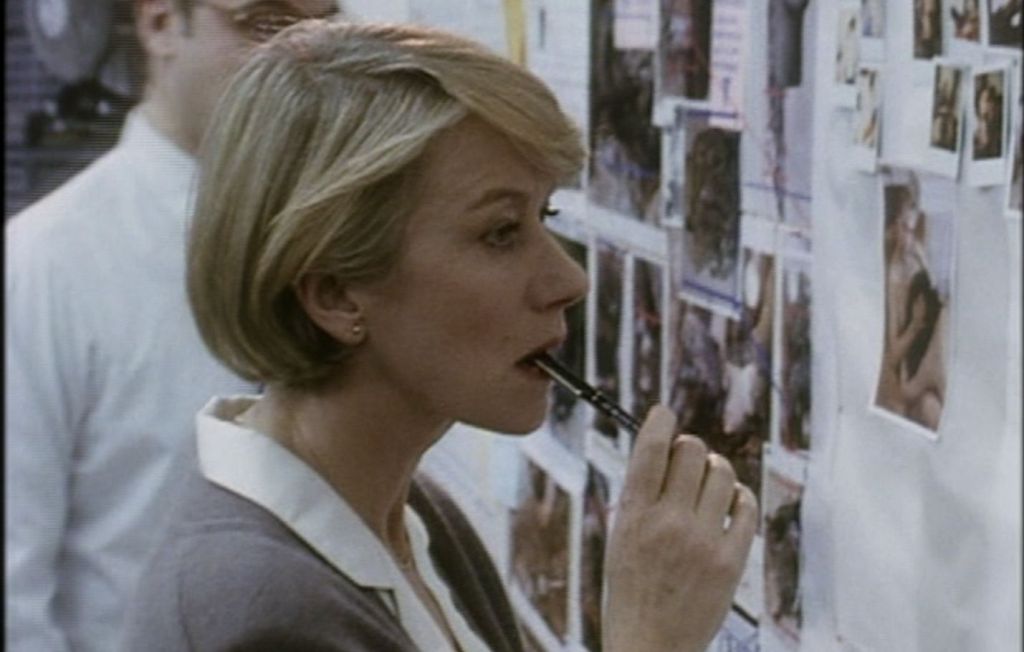
Jane Tennison from “Prime Suspect” by Lynda La Plante

Jane Tennison is a strong and complex character in Lynda La Plante’s crime fiction series “Prime Suspect.” As a female detective in a male-dominated profession, she faces many challenges and obstacles but rises to the top of her field through her intelligence, tenacity, and perseverance.

Throughout the series, Tennison’s character develops and evolves. In the beginning, she is often dismissed and underestimated by her colleagues due to her gender. However, she proves herself time and time again through her excellent detective work and determination to solve even the toughest cases.

Tennison is portrayed as a flawed character, with a complex personal life and a tendency to struggle with alcoholism. However, she is also highly dedicated to her job and is willing to put in the long hours and hard work necessary to succeed.

One of Tennison’s defining traits is her willingness to go against the norms and expectations of her profession and society at large. She challenges gender stereotypes and expectations of how a female detective should behave, often facing criticism and pushback from her colleagues.

Despite the challenges she faces, Tennison is a highly competent and respected detective who is able to solve even the most difficult cases. She is a powerful representation of a strong, independent woman who can succeed in a male-dominated profession through her intelligence, hard work, and determination.

Overall, Jane Tennison is a dynamic and multi-faceted character who adds depth and complexity to the crime fiction genre. She is a powerful representation of a strong female character who challenges the status quo.

So, strong female characters are a force to be reckoned with in crime novels. They bring a fresh perspective to the genre and challenge traditional gender stereotypes. These characters are multi-dimensional, powerful, and relatable, offering readers a glimpse into what it means to be a strong, capable woman in today’s world.


Thanks for taking the time to read this post. If you found it informative and entertaining, please consider sharing it with your friends and followers on social media. And if you have any feedback or suggestions for future topics, I’d love to hear from you in the comments below. Don’t forget to subscribe for more content and updates, or pop over to my newsletter page for more crime stuff, direct to your inbox every month.

See you soon.

Wendy
Sidekicks in Crime Fiction: Adding Depth to Character Dynamics

Featured

Crime fiction is a genre that has captured the hearts and minds of readers for centuries. From classic detective novels to modern thrillers, crime fiction has the power to transport readers to the dark underbelly of society and immerse them in a world of danger, intrigue, and suspense.

One of the key elements that sets crime fiction apart from other genres is the dynamic between the protagonist and their sidekick. Often serving as a sounding board, comic relief, or even a source of conflict, sidekicks can add depth to character dynamics and provide a unique perspective on the story.

Sidekicks come in many forms, from law enforcement partners to criminal accomplices. Police procedural novels often feature partners in law enforcement, such as detectives, FBI agents, or other law enforcement officials. These partners often serve as sounding boards for the protagonist, bouncing ideas off each other and working together to solve the case.

In contrast, criminal accomplices can offer a unique perspective on a case. These sidekicks may be reluctant or unwilling partners in crime, forced to work with the protagonist for their own reasons. This can create a complex and morally ambiguous relationship between the protagonist and their sidekick.

Here are a few examples of famous sidekicks in crime fiction:

Dr. John Watson from Arthur Conan Doyle’s “Sherlock Holmes” series
Robin Ellacott from Robert Galbraith’s “Cormoran Strike” series
Sergeant Lewis from Colin Dexter’s “Inspector Morse” series
Ariadne Oliver from Agatha Christie’s “Hercule Poirot” series
Detective Sergeant Barbara Havers from Elizabeth George’s “Inspector Lynley” series
Watson Bryant from John Grisham’s “The Runaway Jury”
Jesse Stone from Robert B. Parker’s “Jesse Stone” series
Marty Hart from Nic Pizzolatto’s “True Detective”
Hawk from Robert B. Parker’s “Spenser” series
Tinker Dill from Dashiell Hammett’s “The Thin Man”

One of the key functions of a sidekick in crime fiction is to help the protagonist navigate through the complex world of crime. Whether it’s providing technical expertise, emotional support, or even physical backup, sidekicks often play a vital role in helping the protagonist achieve their goals. By working together, the protagonist and their sidekick can overcome seemingly insurmountable obstacles and bring criminals to justice.

But sidekicks are more than just a means to an end – they can also be fully-realised characters in their own right. Some sidekicks are just as complex and intriguing as the protagonist, with their own motivations, fears, and desires. In some cases, the sidekick may even have their own character arc or storyline that runs parallel to the protagonist’s. This adds an additional layer of depth to the story and can keep readers engaged and invested in both characters.

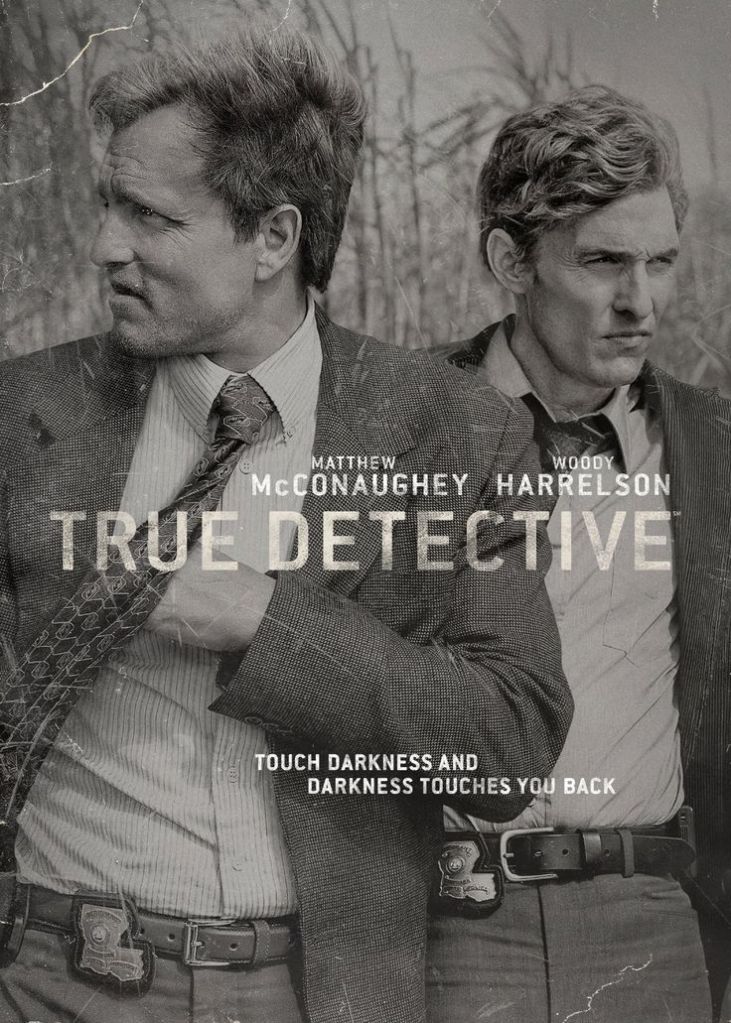
True Detective


One of my personal favourites is Marty Hart in ‘True Detective’. Marty Hart is a prime example of a sidekick who serves as a foil to the protagonist in crime fiction. In “True Detective,” he is the partner and friend of the main character, Rustin “Rust” Cohle, and provides a contrasting perspective to Cohle’s pessimistic and nihilistic worldview.

Hart, played by Woody Harrelson in the television series, is a family man with a more optimistic and traditional outlook on life. He is a detective in the Louisiana State Police and has a more grounded and practical approach to police work compared to Cohle’s more philosophical approach. Hart is also a flawed character with a complicated personal life, including infidelity and alcoholism, which contrasts with Cohle’s more monastic lifestyle.

Throughout the series, Hart serves as a sounding board for Cohle’s ideas and theories, challenging him when he goes too far in his bleak worldview. At the same time, Hart’s flaws and mistakes are exposed, highlighting the differences between the two characters and adding depth to their relationship.

Marty Hart’s character is an excellent example of how a sidekick can add complexity to a crime fiction story by serving as a foil to the protagonist. By offering a contrasting perspective to the main character, sidekicks like Hart can add depth to the story and highlight the protagonist’s flaws and strengths.

If you haven’t seen this series I highly recommend it. Matthew McConaughey’s performance is an acting masterclass.

Dr Watson


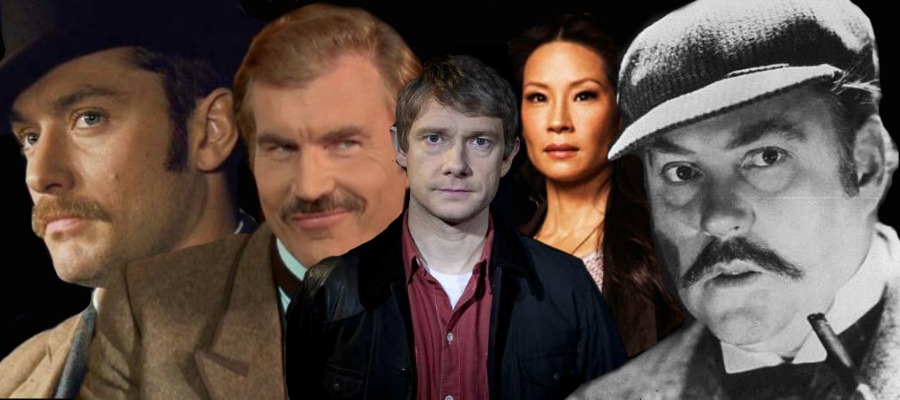
Dr. John Watson is one of the most iconic sidekicks in crime fiction and an integral part of the “Sherlock Holmes” series by Arthur Conan Doyle. He serves as the loyal friend and partner of the brilliant detective Sherlock Holmes and is the narrator of most of the stories in the series.

Watson is a former army surgeon who meets Holmes through a mutual acquaintance and becomes his flatmate and assistant in his investigations. He provides a contrasting perspective to Holmes, who is known for his cold and analytical approach to crime-solving. Watson is more empathetic and emotional, often serving as the emotional anchor to Holmes’ more detached persona.

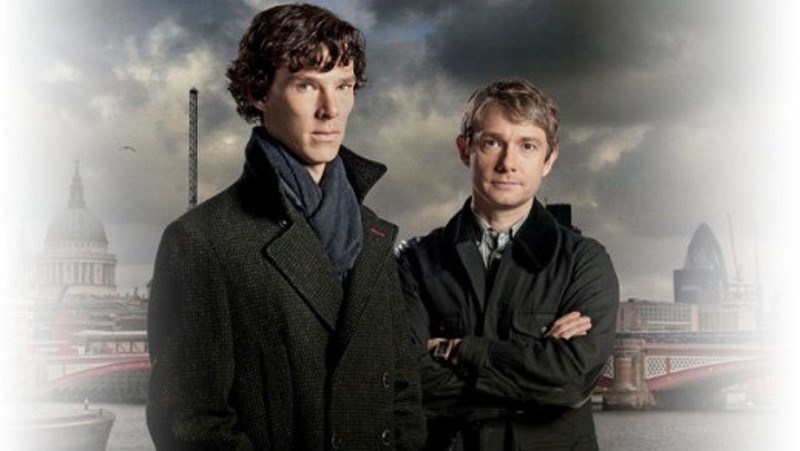
Portrayals of Dr Watson. Image credit: sherlockshome.net

Throughout the series, Watson’s character develops beyond his initial role as a narrator and sidekick. He grows in his own right as a character, eventually becoming a successful writer and even marrying and starting a family. Watson’s character is also used as a tool for Conan Doyle to provide exposition and backstory for Holmes and the cases they investigate.

Watson’s role as a sidekick is essential to the “Sherlock Holmes” series, as he provides a more human and relatable perspective to the genius detective. His contrasting personality and role as a supportive friend and partner make him an excellent foil to Holmes, highlighting the detective’s eccentricities and making the dynamic between the two characters all the more compelling.

Doyle himself spoke highly of Watson, calling him a “character for whom I have the highest regard” and “a composite of several of my medical friends and myself.” He also acknowledged that the character of Watson was essential to the success of the Sherlock Holmes stories, stating that “Holmes, who has no peer in solving small puzzles, is eclipsed by his own sidekick in the larger one of personality.”

If Watson interests you, this is a great article on the different portrayals of him in film and on TV. https://sherlockshome.net/2016/05/27/10-greatest-ever-portrayals-of-dr-watson

Unusual partnerships


Aside from the typical detective partnerships, often two completely different (and often opposing) characters come together in crime solving unity. I love these unlikely pairings, and the exploration of their relationship adds another layer of intrigue to the central investigative plotline.

Here are a few notable ones:


“The Alienist” by Caleb Carr – In this novel, the unconventional trio of detectives – a newspaper reporter named John Moore, a female secretary named Sara Howard, and a criminal psychologist named Dr. Laszlo Kreizler – are tasked with tracking down a serial killer who is targeting young boys in New York City. Despite their differences and occasional clashes, the trio must work together to unravel the mystery and stop the killer before he strikes again.

“The Surgeon” by Tess Gerritsen – In this novel, Boston detective Jane Rizzoli teams up with FBI agent Gabriel Dean to catch a sadistic killer who preys on young women. Rizzoli is initially skeptical of Dean’s involvement, but as they work together to solve the case, they develop a mutual respect and understanding.

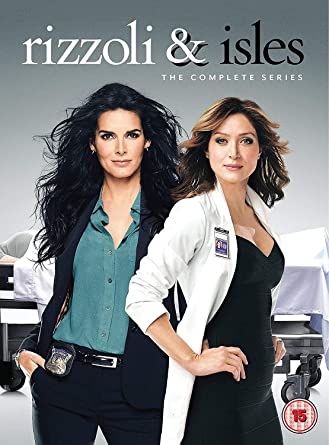
Interestingly, in the US TV series Rizzoli and Isles, Rizzoli partners up on her investigations with friend and pathologist Maura Isles. I’m a huge fan. Their multi-level dynamic is lovely, and their contrasting traits and personalities perfectly compliment each other.

“The Girl with the Dragon Tattoo” by Stieg Larsson – In this novel, journalist Mikael Blomkvist hires Lisbeth Salander, a brilliant but troubled hacker, to help him investigate a decades-old case involving a wealthy family. Despite their vastly different personalities and backgrounds, Blomkvist and Salander form an unlikely partnership as they unravel the dark secrets of the family.

“The Silent Patient” by Alex Michaelides – In this novel, psychiatrist Theo Faber becomes obsessed with treating Alicia Berenson, a woman who has been accused of murdering her husband and has not spoken a word since the crime. As he delves deeper into her case, he enlists the help of a former criminal named Theo, who holds the key to unlocking Alicia’s secrets. Together, they form an unlikely partnership as they uncover the truth about what happened the night of the murder.

“The Poet” by Michael Connelly – In this novel, retired FBI agent Rachel Walling teams up with crime reporter Jack McEvoy to investigate a series of murders that may be linked to a notorious serial killer known as “The Poet.” Despite their initial mistrust and professional rivalry, Walling and McEvoy must work together to solve the case and stop the killer before he strikes again.

Conclusion

Sidekicks are an essential part of crime fiction, offering a fresh perspective on a case and adding depth to character dynamics. Whether they are partners in law enforcement or criminal accomplices, sidekicks can create tension and conflict, highlighting the strengths and flaws of the protagonist. They have the power to elevate the reading experience and make the story more engaging and immersive.

So, the next time you pick up a crime novel, take a moment to appreciate the role of the sidekick – you never know, they just might be your new favourite character.

I’m an avid reader, so I can’t wait to meet more of them!


Thanks for taking the time to read this post. If you found it informative and entertaining, please consider sharing it with your friends and followers on social media. And if you have any feedback or suggestions for future topics, I’d love to hear from you in the comments below. Don’t forget to subscribe for more content and updates, or pop over to my newsletter page for more crime stuff, direct to your inbox every month.

See you soon.

Wendy