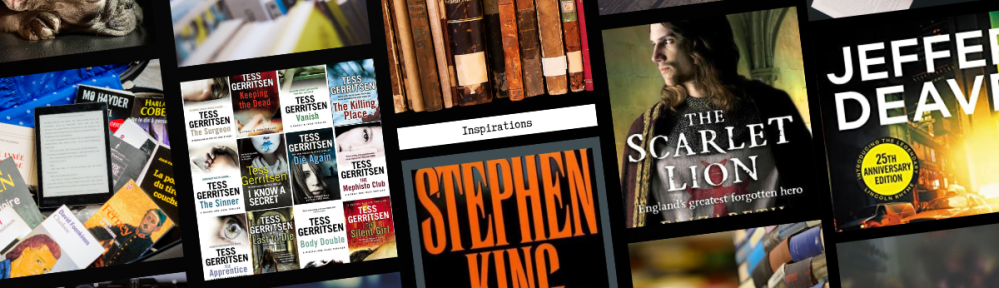
As an author, inspiration can come from a variety of sources – from personal experiences and observations, to other works of literature and art. In this blog, I’ll explore some of the literary inspirations that have influenced my writing journey. From classic authors to modern-day crime writers, I’ll delve into the works that have shaped my writing style and approach, and share some insights into how these inspirations have helped me to craft my own voice. Whether you are an aspiring writer or simply a lover of literature, I hope that this blog will offer some insights and inspiration to help you on your own creative journey.
Early days
The inspiration to write began for me in childhood and came from a love of stories and the escapism of immersing into another world.
I had a lovely family and a happy home, but I remember at times being bored by the mundanity of everyday life. Where could I go, who else could I be, what experiences could I have through opening up my imagination and being somewhere else?
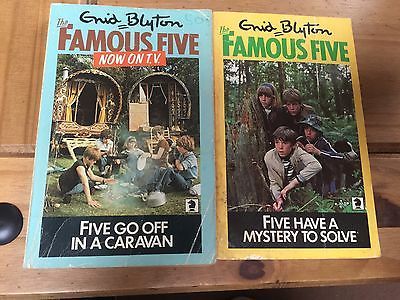
Enid Blyton
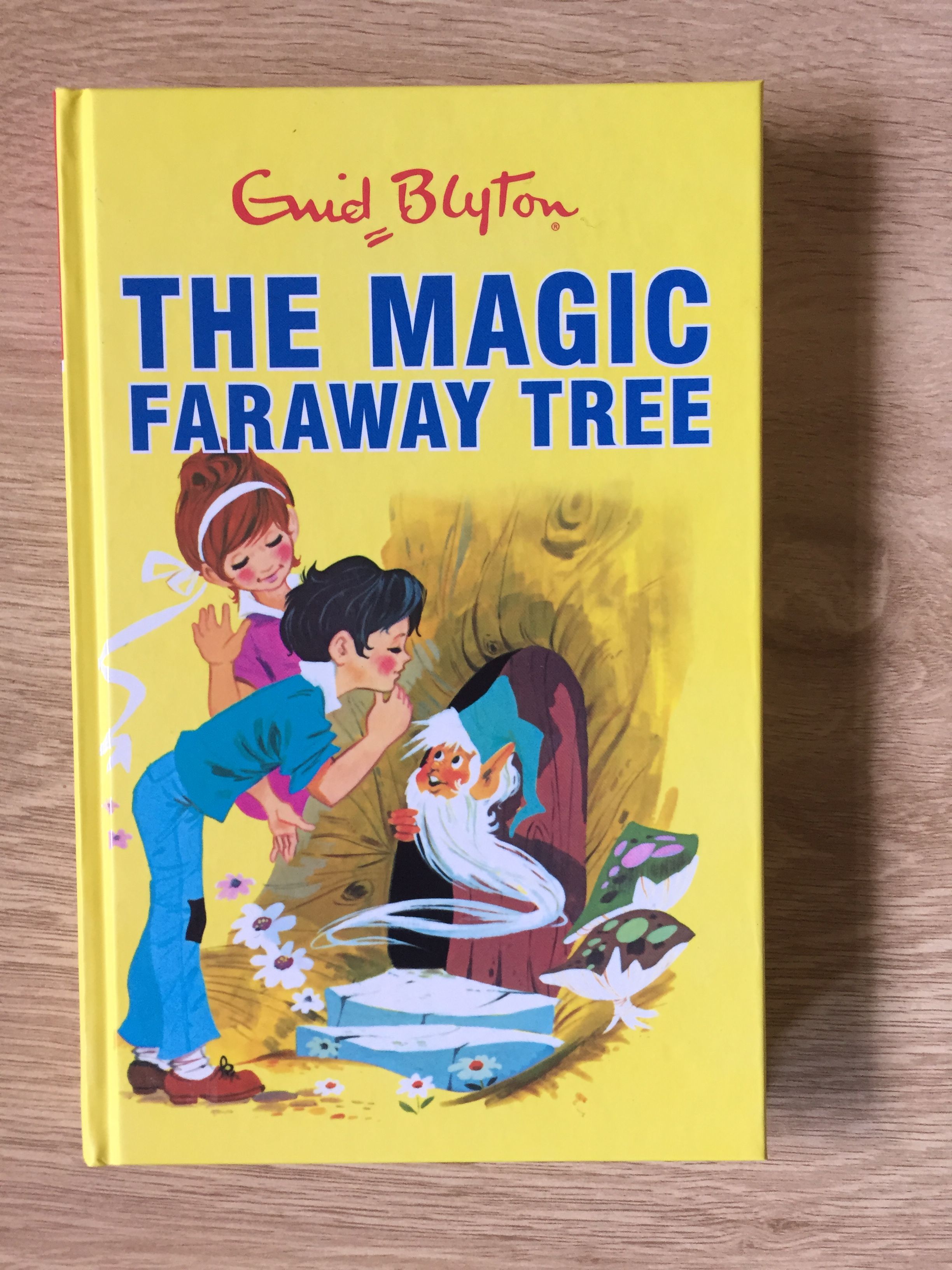
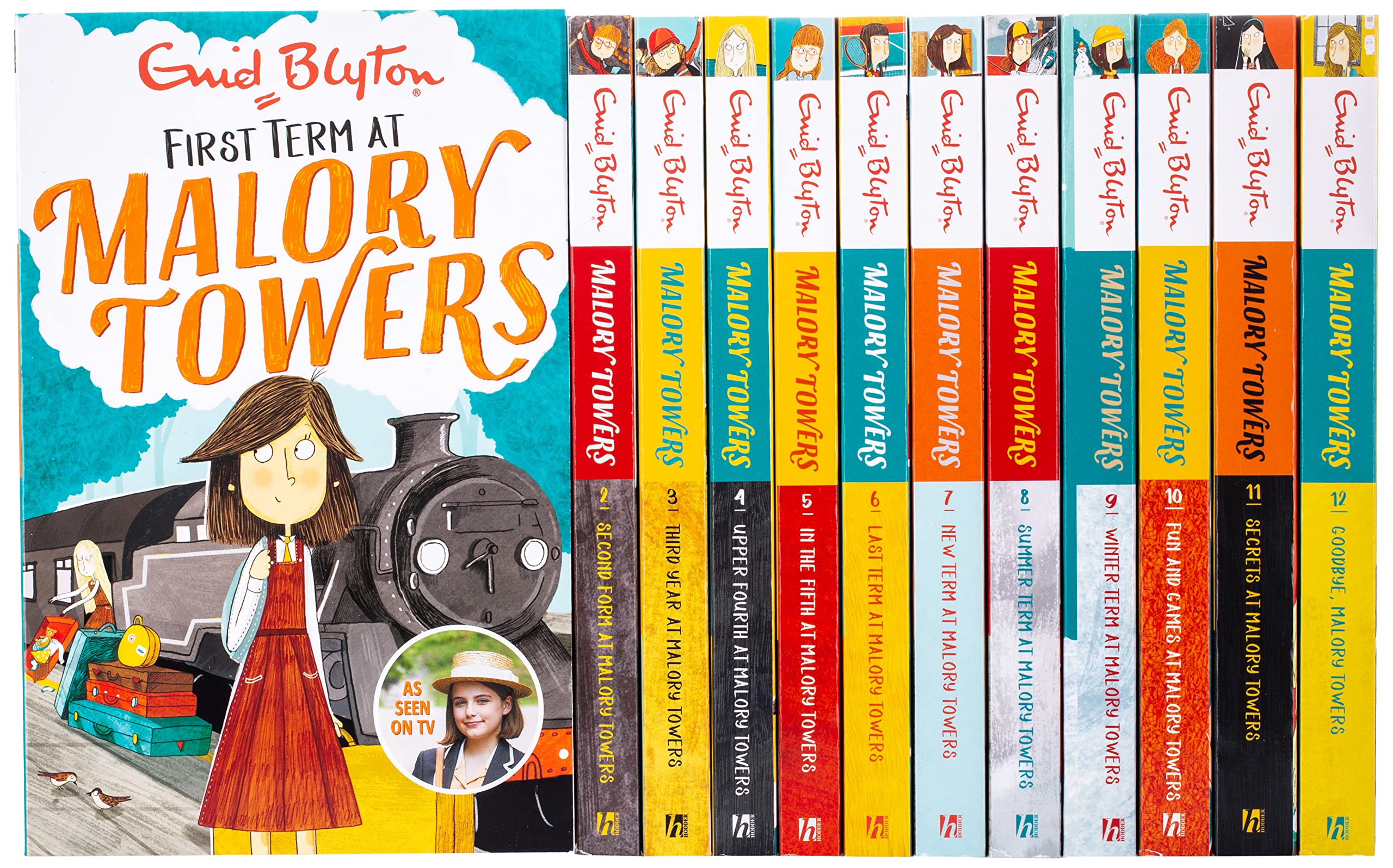
Enid Blyton satisfied my thirst for adventure in my early days, first with The Magic Faraway Tree series and later with The Famous Five and the Malory Towers books. They were entertaining and immersive but also influential in supporting a strong moral framework. I so wanted to be George in the Famous five, solving mysteries with my friends and my dog at my side!
As an adult, I enjoy how she wrote from her unconscious mind or her ‘under-mind’ as she described it, in a largely unplanned and spontaneous way. In this quote, from a letter to psychologist Peter McKeller (who wrote to her asking about her imagery techniques), she describes her writing method:
I shut my eyes for a few minutes, with my portable typewriter on my knee – I make my mind a blank and wait – and then, as clearly as I would see real children, my characters stand before me in my mind’s eye … The first sentence comes straight into my mind, I don’t have to think of it – I don’t have to think of anything.
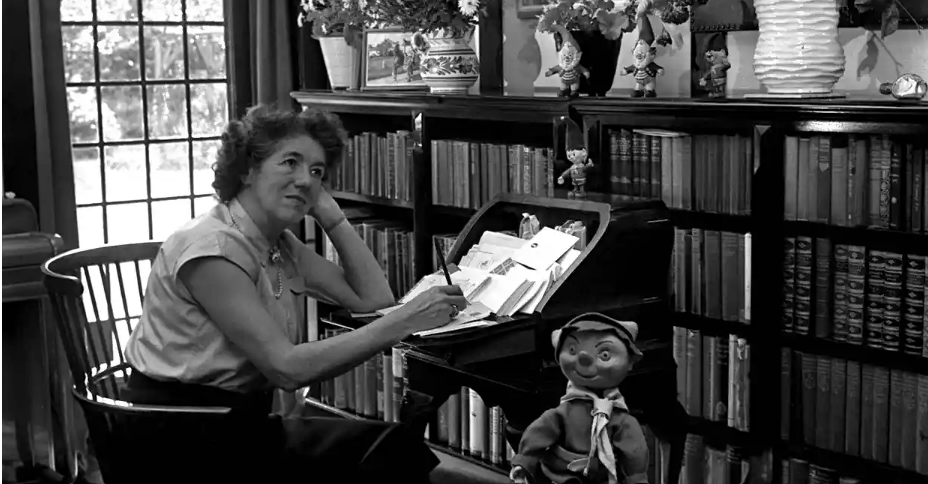
As a writer who finds outlining and planning a grind, I love the freedom she expresses here. As she explained in her autobiography: “If I tried to think out or invent the whole book, I could not do it. For one thing, it would bore me and for another, it would lack the ‘verve’ and the extraordinary touches and surprising ideas that flood out from my imagination.”
Of course, she faced a critical backlash and has been decried for rehashing stories, plagiarising other books (including her own) and for ‘lacking literary merit’. She’s been accused of racism, xenophobia, and sexism and later editions of her books amend some references for modern day readers. I do love her response to her critics though, which was that they were motivated by jealousy, and she wasn’t interested in the opinion of anyone over the age of 12.
Enid Blyton’s huge body of work has influenced many modern day authors including Peter Hunt, Jaqueline Wilson and Stieg Larsson, and her stories and characters certainly had an impact on me.
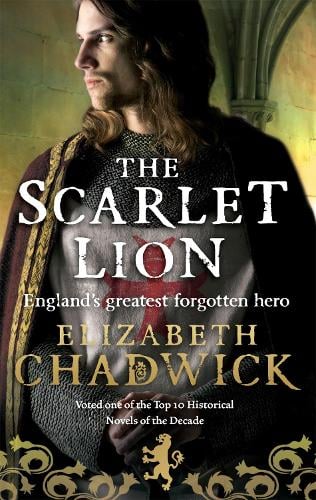
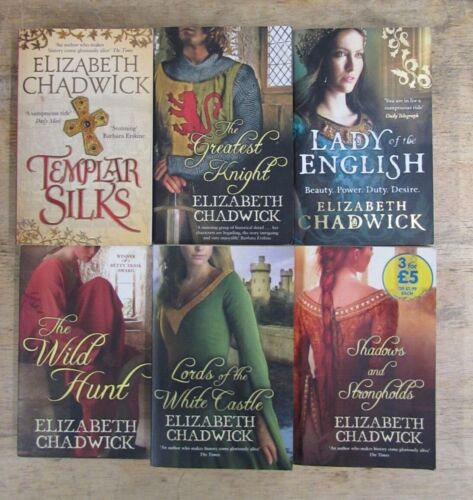
Elizabeth Chadwick
For her ability to breathe life into historical characters Philippa Gregory remains an inspiration to me, along with Ken Follet (Pillars of the earth series – truly magnificent) and Elizabeth Chadwick. Her William Marshall books, especially Scarlet Lion, are beautifully crafted, and her ability to transport the reader back in time is breath-taking. I’m sure Henry Stanton, referenced in ‘Justified’ as John’s historical hero, was inspired by her description of tournaments in the 12th and thirteenth centuries.
Elizabeth (who was born in Bury where I live – random fact) is renowned for her historical accuracy and diligent research methods when drafting her books. Want to know what a cauldron of pottage is like? Cook it. Want to know what chain mail feels like? Wear it! I love this commitment to truly understanding what you’re writing about and how it elevates her descriptions to a higher level of richness.
Interestingly to me, she has also investigated the use of akashic records when trying to ‘reach’ or understand a particular character. Now this is a vast subject and a diversion from this article, but as someone interested in past life regression and reincarnation, I was intrigued by this more unusual method of author research.
Briefly, the akashic records are believed to be an energetic log, a Google search for your soul. In it are records of everything that has ever existed or taken place, including a record of all universal events, thoughts, words, emotions and intent ever to have occurred in the past, present, or future in terms of all entities and life forms.
In essence, when you read your own records or the records of someone else, you are connecting with the soul of a person. It’s a sacred space. One that is deeply personal, private and that spans all the lifetimes of a particular soul.
My characters are entirely fictitious, but for Elizabeth Chadwick, trying to truly understand a real character from over 700 years ago, I can see how this would be a fascinating avenue of research.

Stephen King
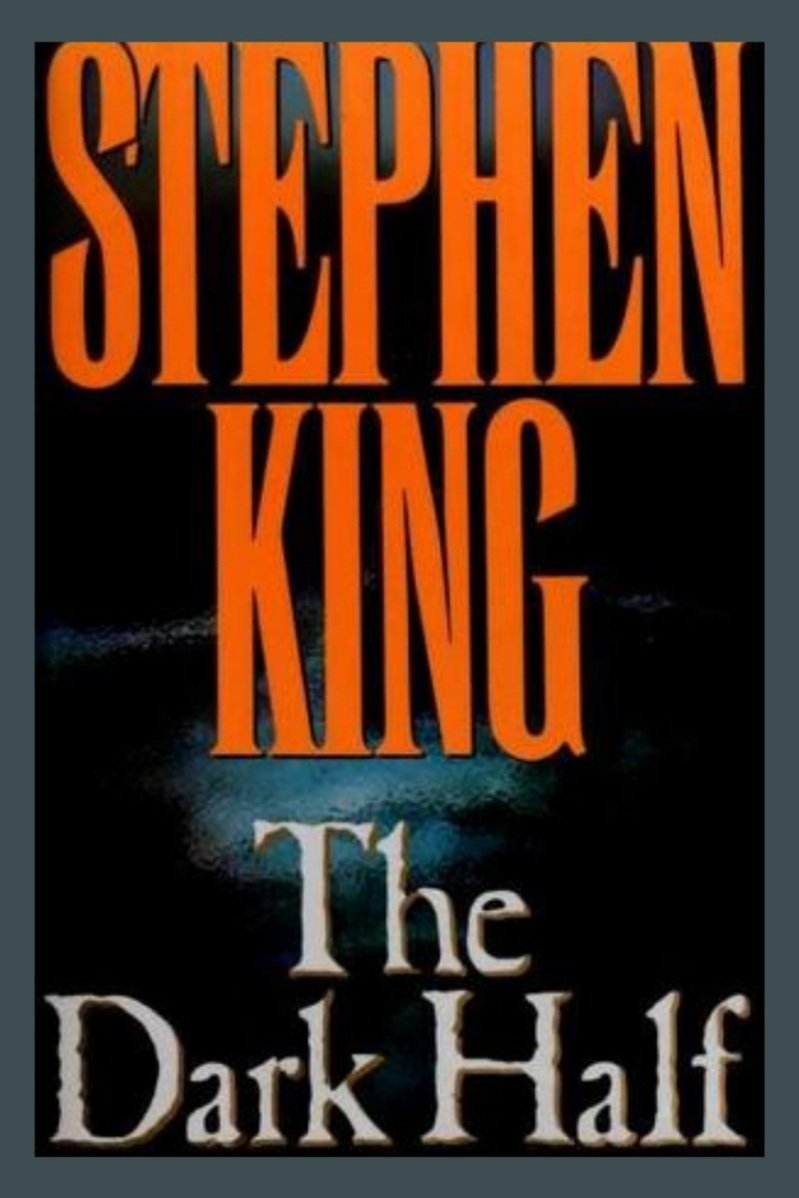
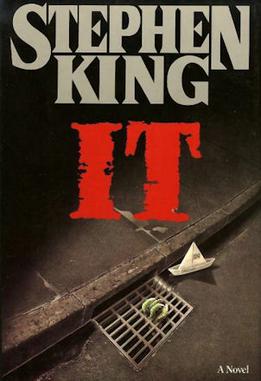
Of all the great storytellers I’ve enjoyed, Stephen King has had the most impact and remains at the top of my ‘greatest inspirations’ list. My dad first introduced me to the horror and thriller genre, first with Dean Koontz (another favourite) and inevitably Stephen King. He is an exceptional storyteller, and his ability to build tension and an overarching sense of impending doom is unrivalled. I love the pungent prose and laid-back style which make his books so unique and he’s a master craftsman of vivid description that puts the reader right there alongside his characters. Hard to choose a favourite from his book list but It for its epic landscape and detail and The Dark Half for its creative intrigue, would be my picks.
Stephen King’s written extensively about writing and his book ‘On writing’ is a must for anyone interested in becoming an author. His observations and advice are expressed in an approachable way through his struggles (and repeated rejections) during the years he developed his craft.

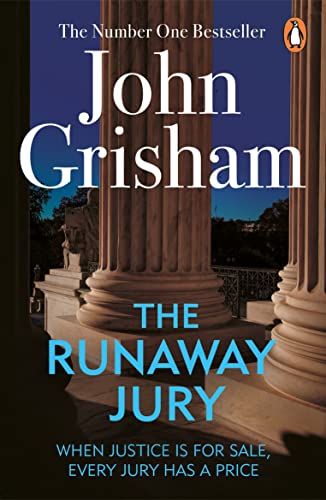
In my late teens I was a passenger in a car accident and had to appear as a witness in court. It was a grim experience and testifying was terrifying, but it was the catalyst for my fascination with courtroom dramas and police investigations. I devoured John Grisham, Scott Turow and Michael Connelly and more recently Peter James, Peter Robinson and James Patterson. Each of these exceptional authors cleverly concoct the ultimate cocktail of character, story and plot.
Thomas Harris
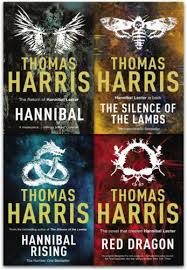
My last mention is Thomas Harris, who beautifully straddles the horror, crime and thriller genres. ‘Silence of the lambs’ blew me away when I first read it (before the movie came out) and Hannibal Lecter is now an iconic character, perhaps because as readers we’re both captivated and repulsed by him. He’s intelligent and cultured but capable of extreme violence, he’s smart and cunning but eats the humans he kills. Harris crafts a complex character and draws his readers into a dark, terrifying but fascinating world. The conversations between Clarice and Hannibal are far deeper in the book and demonstrate remarkable knowledge of the human mind and how our pasts imprint on our present.
Read ‘Red Dragon’ first then ‘Silence of the lambs’ for a masterclass in super-smart suspense and horror.
So that’s a race through my inspirations, all of whom I’m sure have influenced my own writing in some way.
Motivational speaker Jim Rohn famously said that we are the average of the five people we spend the most time with. How wonderful would it be if we became an author amalgamation of the five writers we spent the most time with? 😊
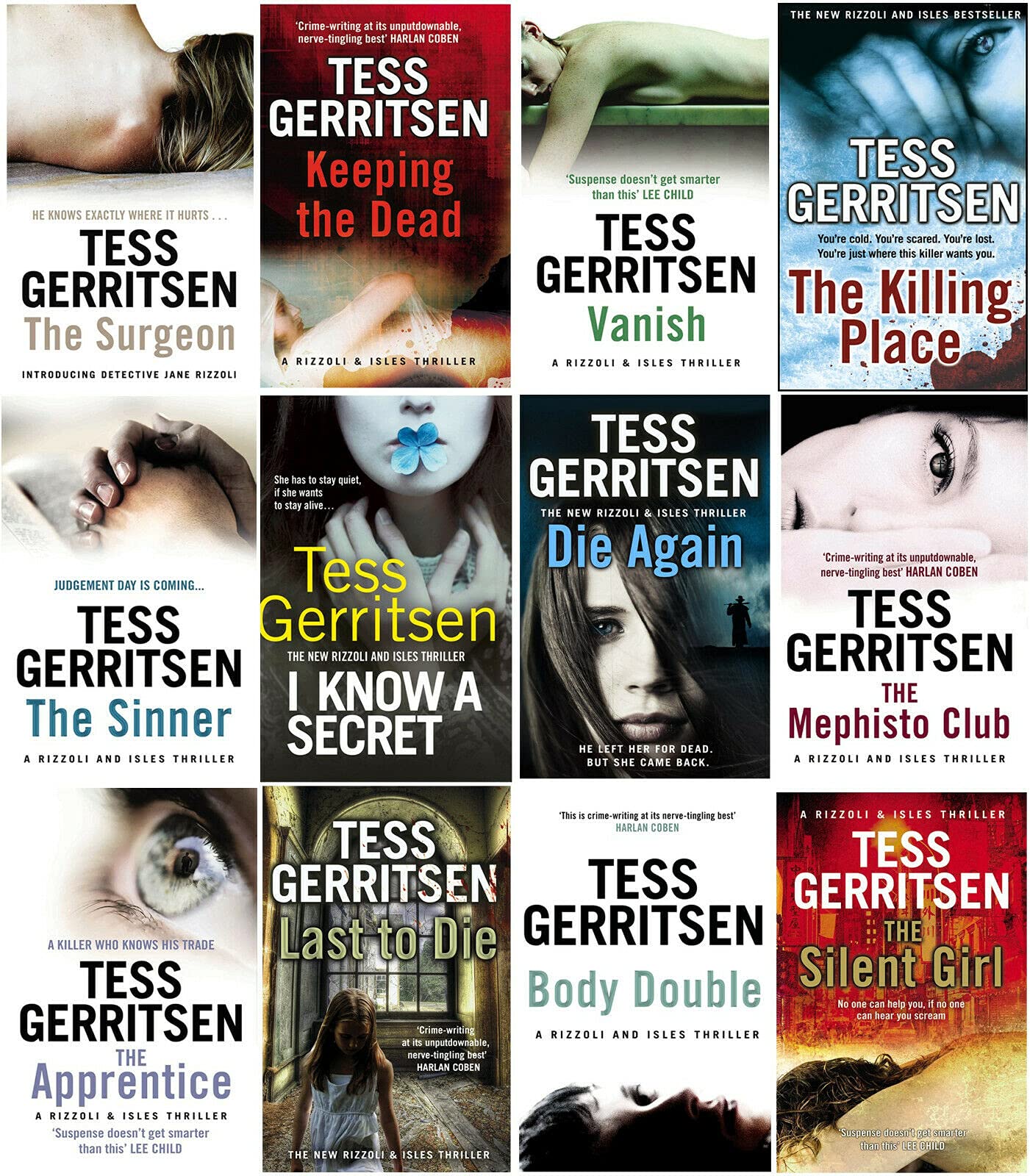
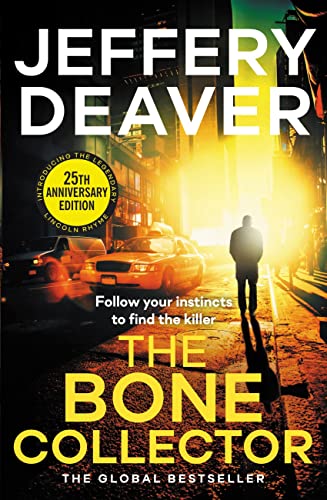
In conclusion, my literary inspirations have played a crucial role in shaping my writing journey, and these writers have not only inspired me but also challenged me to push my own creative boundaries.
Whether you are an aspiring writer or simply a lover of literature, I hope that my exploration of these inspirations has offered some insights and inspiration to help you on your own creative journey. Remember, the most important thing is to stay true to your own voice and vision, and to keep writing with passion and purpose.
Thanks for taking the time to read this post. If you found it informative and entertaining, please consider sharing it with your friends and followers on social media. And if you have any feedback or suggestions for future topics, I’d love to hear from you in the comments below. Don’t forget to subscribe for more content and updates, or pop over to my newsletter page for more crime stuff, direct to your inbox every month.
See you soon.

Wendy
 Wendy Turner-Hargreaves